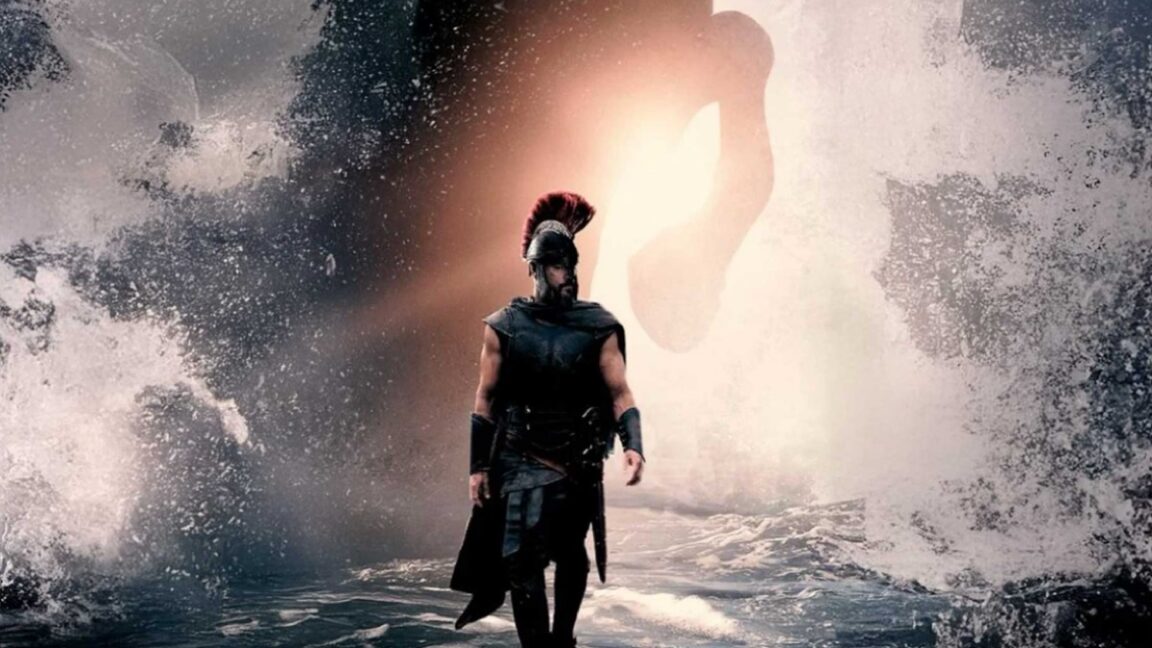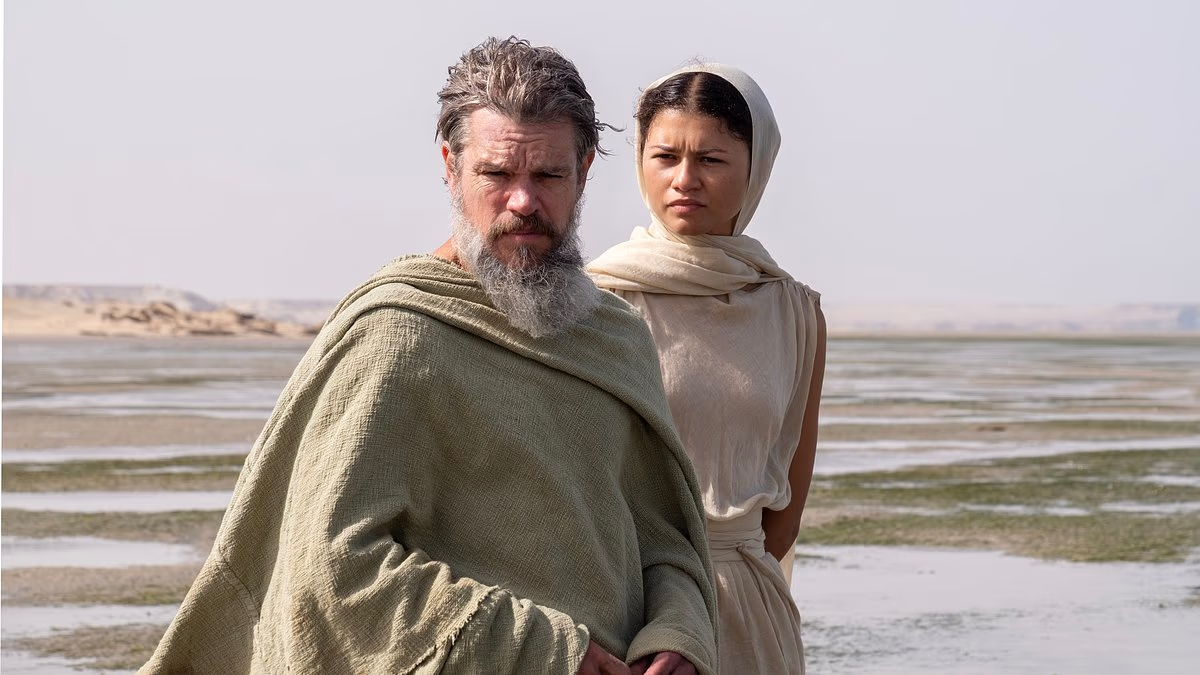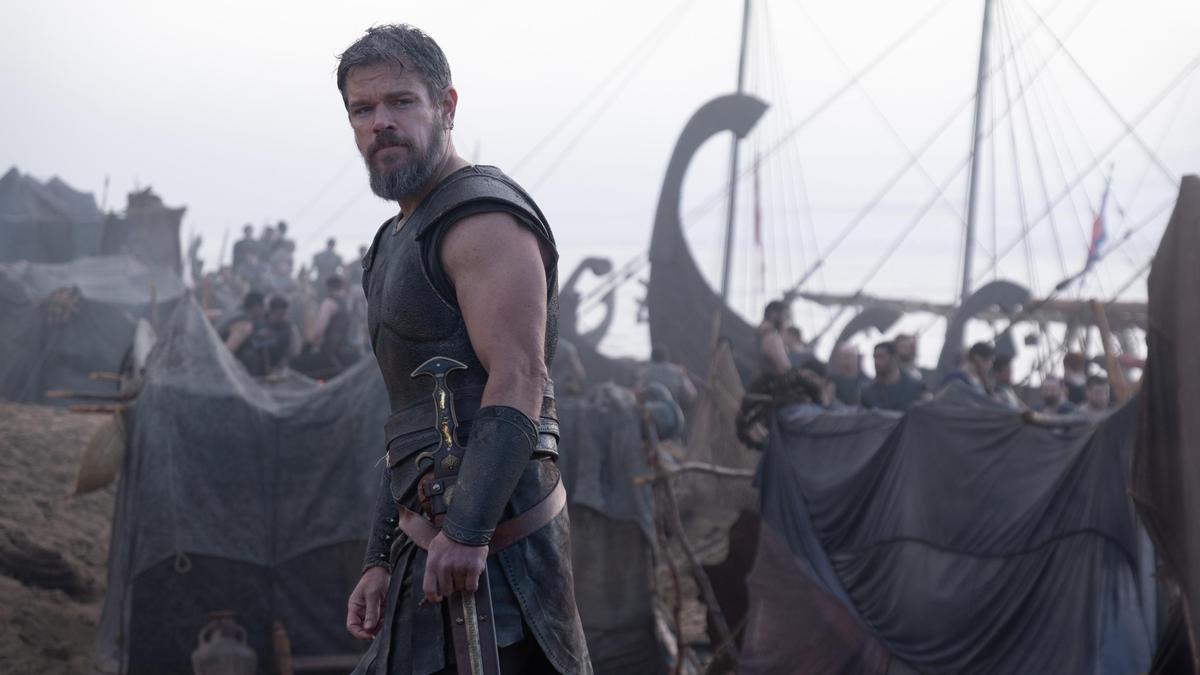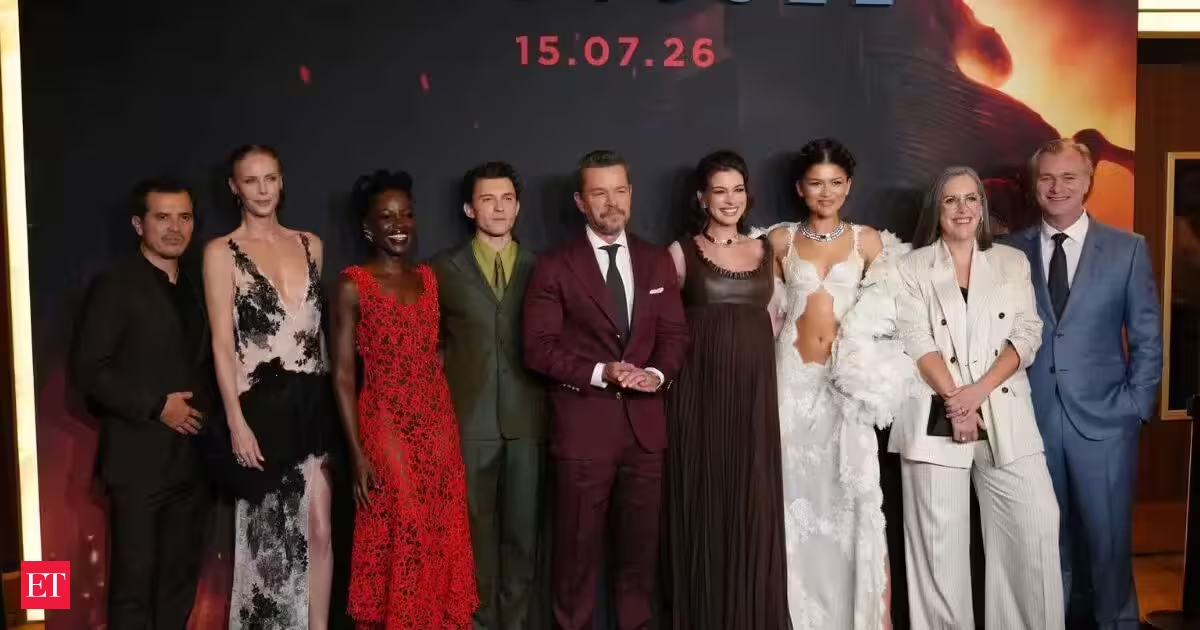
Christopher Nolan's The Odyssey is officially 2026's fourth highest-grossing film, having surpassed the $700 million mark at the worldwide box office after just over two weeks in cinemas.
While audiences continue to flock to theatres to watch Nolan's take on Homer's epic poem, the film has become something of a cultural lightning rod. It has sparked renewed interest in the source material and Greek culture, a positive side-effect tempered by Elon Musk taking against the film from the get-go, fuelling a culture war surrounding the film's diverse casting.
He even announced that his AI tool Grok Imagine would make a “historically accurate” full-length feature version of Homer’s text.
Then there are purists who have been left frustrated with Nolan's take on the source material – specifically the use of contemporary English language.
One recent criticism came from British-American translator Emily Wilson, whose 2017 translation of Homer's poem was the first by a woman into English verse. Wilson wrote a viral review for the London Review of Books in which she attacked Nolan's film, writing that it lacked “psychological, emotional, political and ethical depth” and had “nothing convincing to say.”