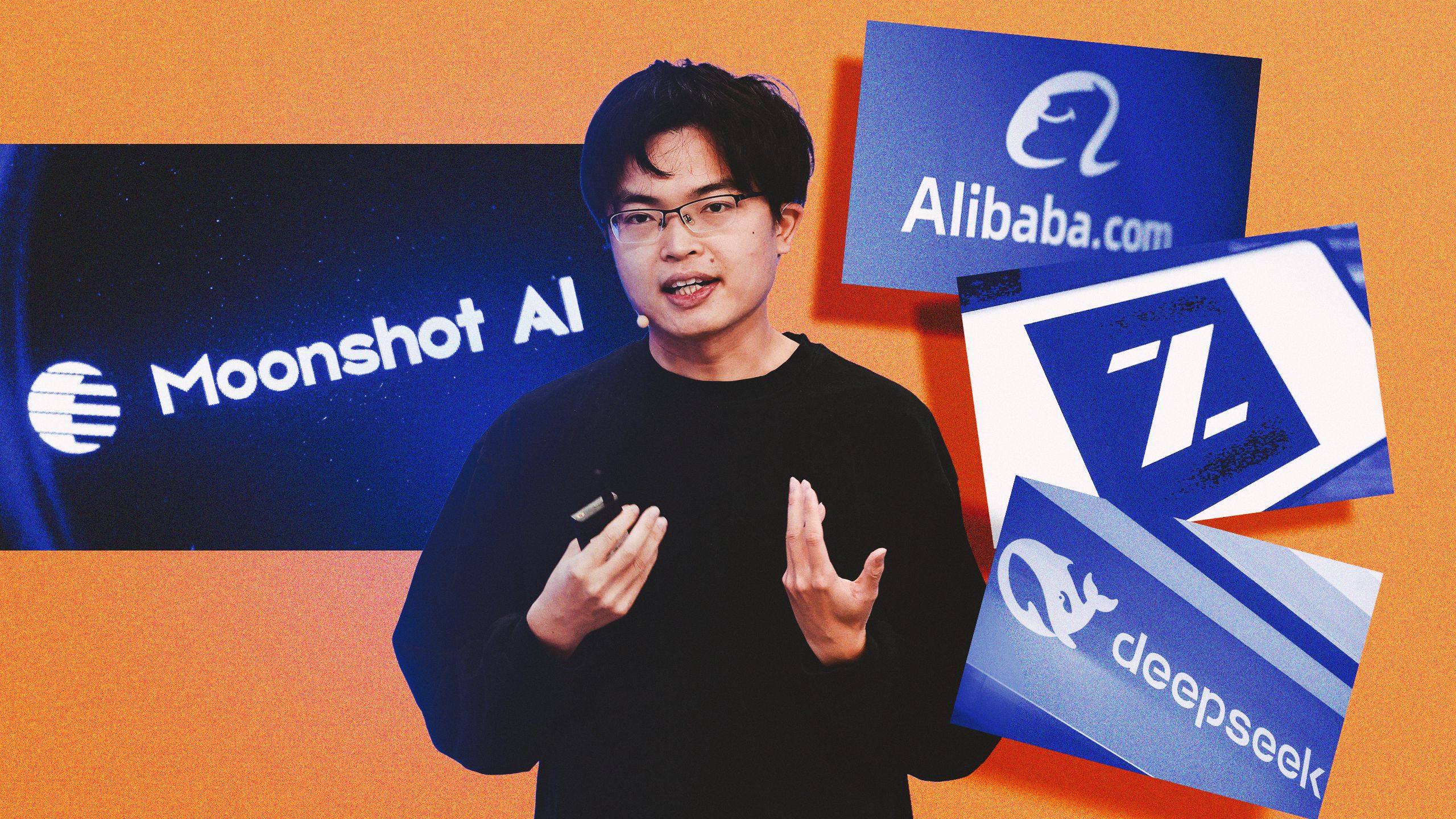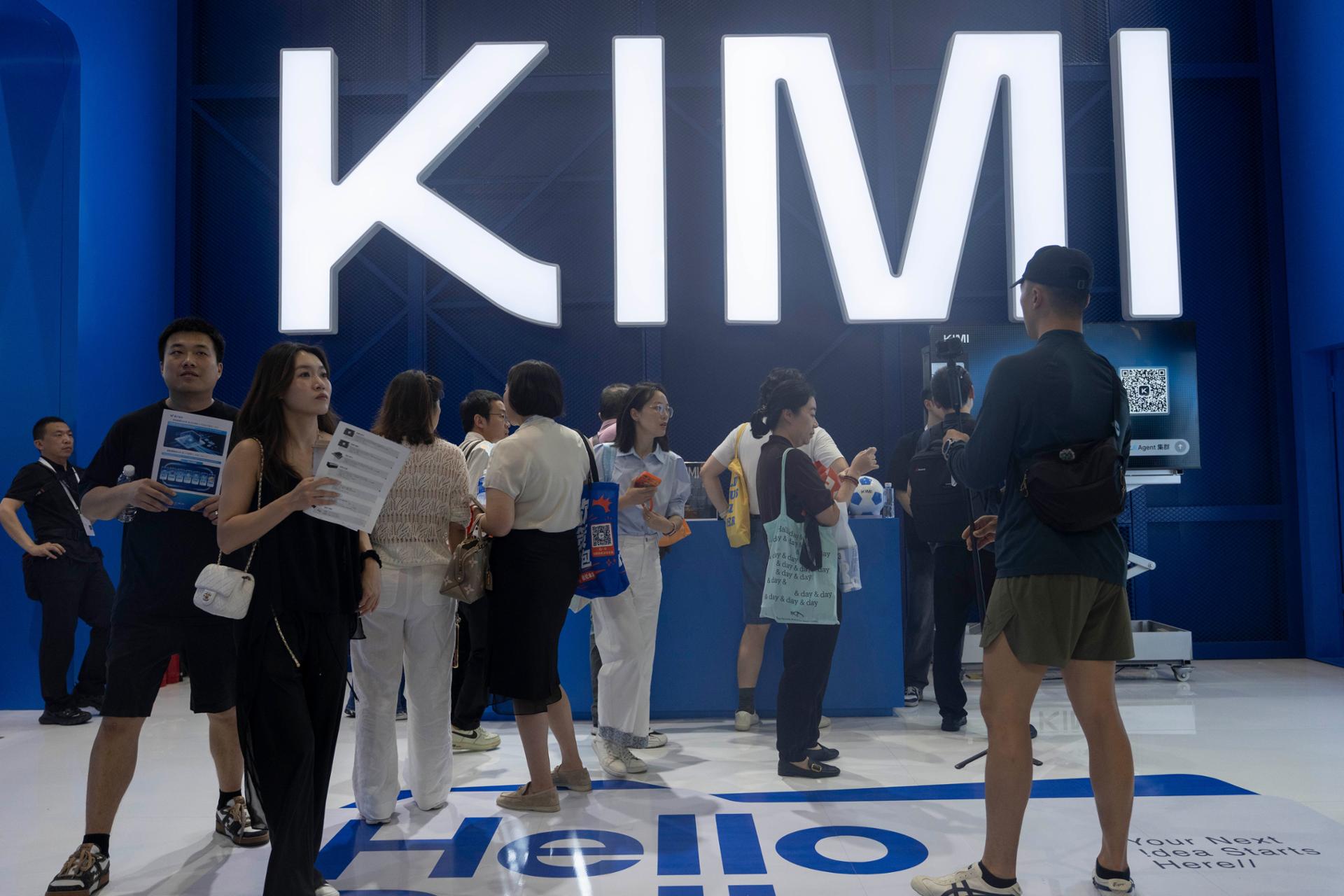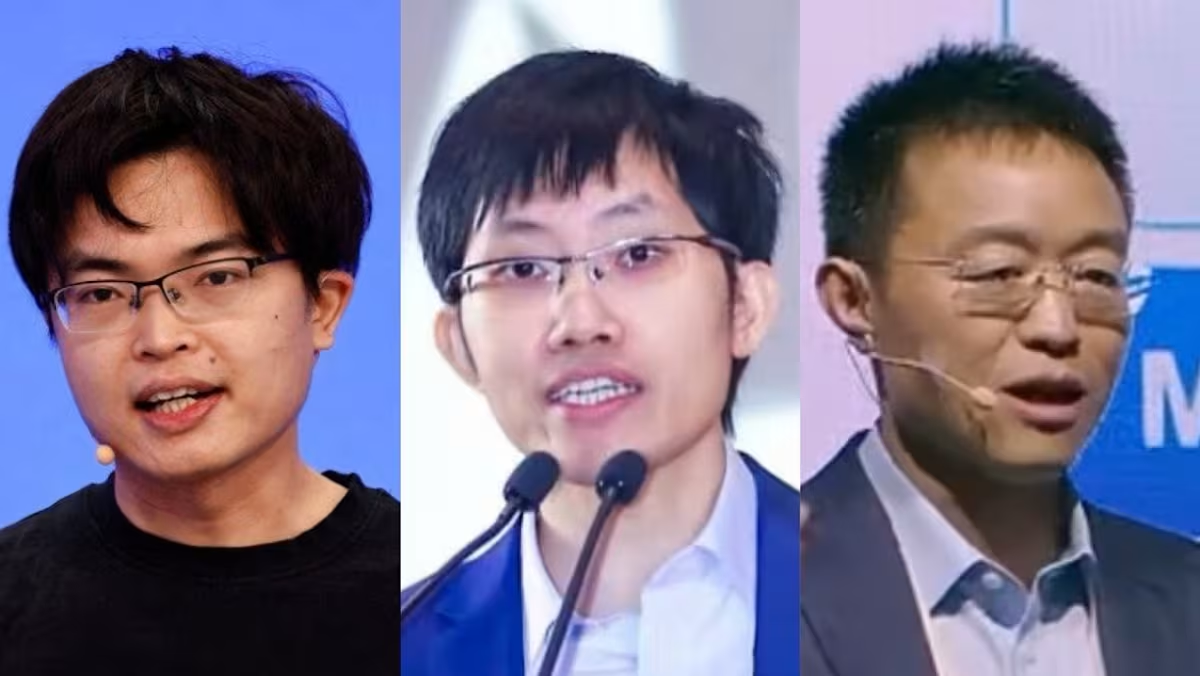
SINGAPORE: China has caused much buzz in the tech sector recently after one of its artificial intelligence startups launched the world's largest open-weight AI systems in July. The country has emerged as a key competitor in the global AI race, with companies releasing models, such as Kimi K3 and GLM-5.2, that hold their own against US alternatives.As China positions itself as an international leader in AI, CNA looks at the men behind some of its top companies - DeepSeek, Z.ai and Moonshot AI - as well as the direction they're setting for the country's development in this sector.
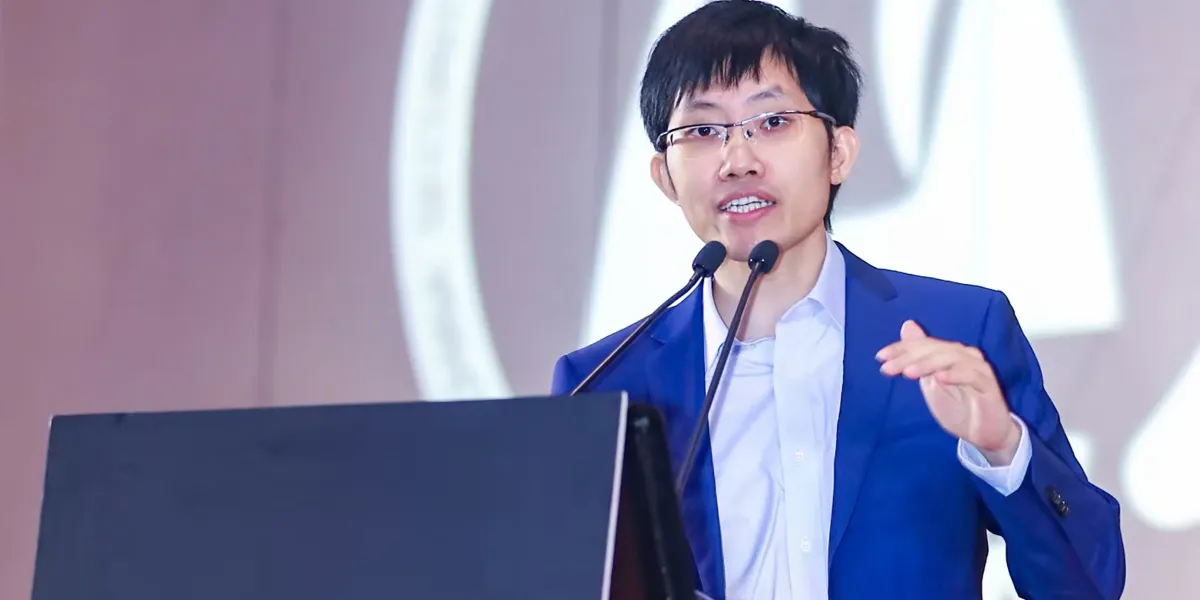
Liang Wenfeng (right), the founder of Chinese AI startup DeepSeek, speaks at a symposium chaired by Chinese Premier Li Qiang on Jan 20, 2025. (Photo: CCTV Plus)
LIANG WENFENG, DEEPSEEKHangzhou-based DeepSeek shocked Silicon Valley in 2025 when it released its R1 model, which it claimed stood on par with US rivals but at a fraction of the cost.
Its founder Liang Wenfeng, 41, hails from the city of Zhanjiang in China’s southern Guangdong province. He graduated from Zhejiang University and co-founded quantitative hedge fund High-Flyer in 2015.Under his wing, the company grew its assets more than tenfold in four years, and Liang poured its massive profits into over 10,000 Nvidia chips before US AI sanctions on China kicked in.These early investments provided DeepSeek, High-Flyer's AI arm, with the computing power it needed to take off after its creation in 2023.Liang is currently the world’s richest creator of AI models, according to the Bloomberg Billionaire Index. His net worth shot from US$16.7 billion to US$36 billion after DeepSeek’s latest fund-raising round. It now stands at US$37.9 billion.This places his fortune far ahead of Anthropic co-founder Dario Amodei’s US$7.98 billion net worth and OpenAI president Greg Brockman's US$25.5 billion.Bloomberg's ranking looked at firms whose primary business and majority of revenue come directly from AI models, which ruled out Big Tech founders such as Tesla's Elon Musk and Meta's Mark Zuckerberg. Unlike most Chinese AI startups, Liang had largely bankrolled DeepSeek using his fund, rejecting external financing till recently.However, as the company faces rising costs and reportedly attempts to develop its own inference AI chip, it has turned to venture capitalists, raising about US$7.4 billion in its first funding round.Its latest V4 model was released in April this year, and DeepSeek said that it came with "drastically reduced" costs. DeepSeek’s introduction to the AI world sparked much chatter, but Liang has remained elusive. However, during a rare interview in 2024, he offered a glimpse into his vision for DeepSeek and China’s AI future.China must move from a beneficiary of technology to a contributor, Liang told Chinese publication Anyong. He believed that his country’s companies had grown accustomed to leveraging overseas technological innovations and commercialising them through apps, barely participating in core inventions in the field.DeepSeek’s goal is to push the technological frontier forward and nurture the growth of its entire ecosystem, he said. China must transition to a contributor of technology, rather than continuously riding on others' achievements, he added.