For most of the artificial intelligence revolution, the global race has revolved around a small group of American companies. OpenAI, Anthropic, and Google have swapped places at the top, with each new model briefly claiming the title of the world’s most advanced AI system.Chinese firms occasionally disrupted that narrative, producing powerful models at lower costs. But despite releases such as DeepSeek, the conventional wisdom maintained that China’s leading laboratories were six to 12 months behind their American competitors.That assumption may no longer be accurate.
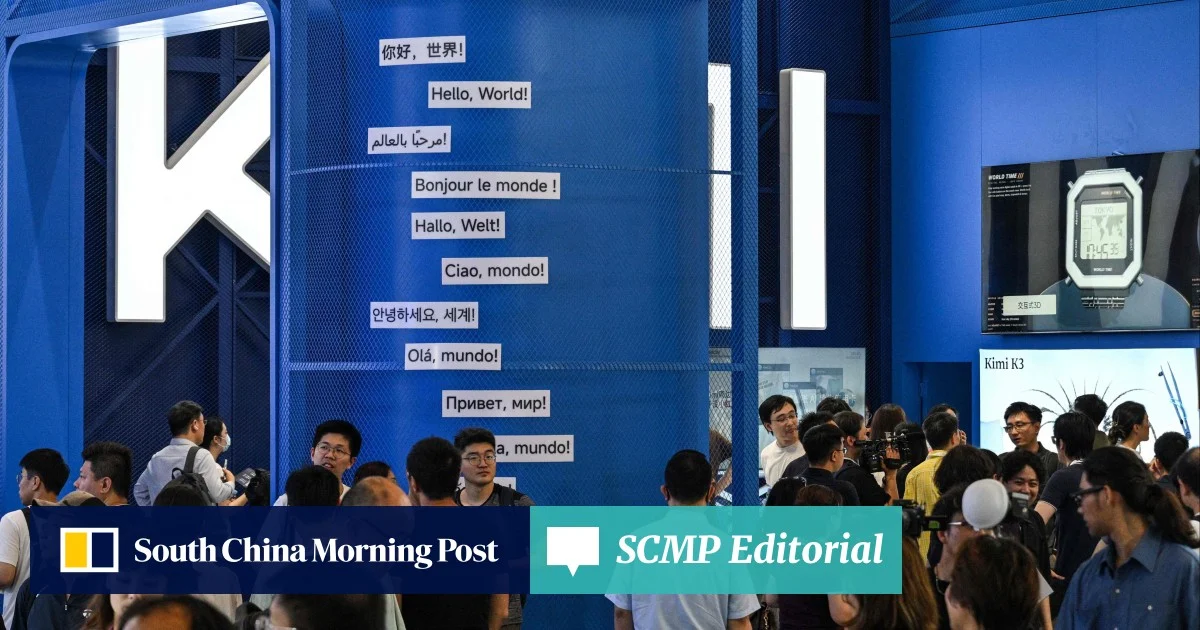
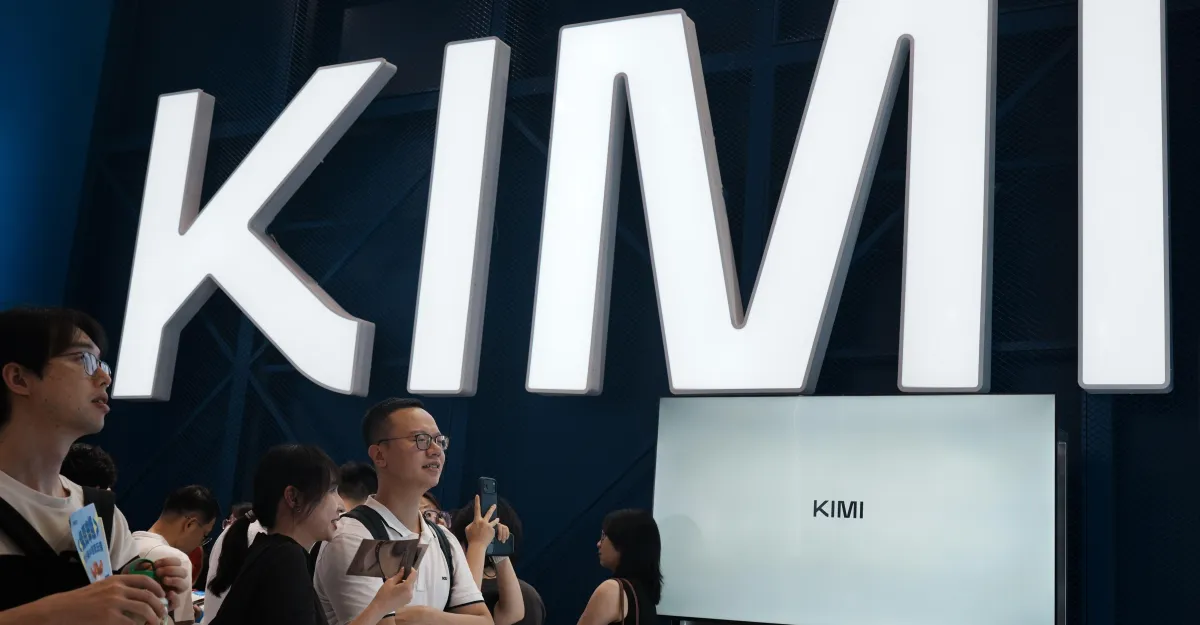
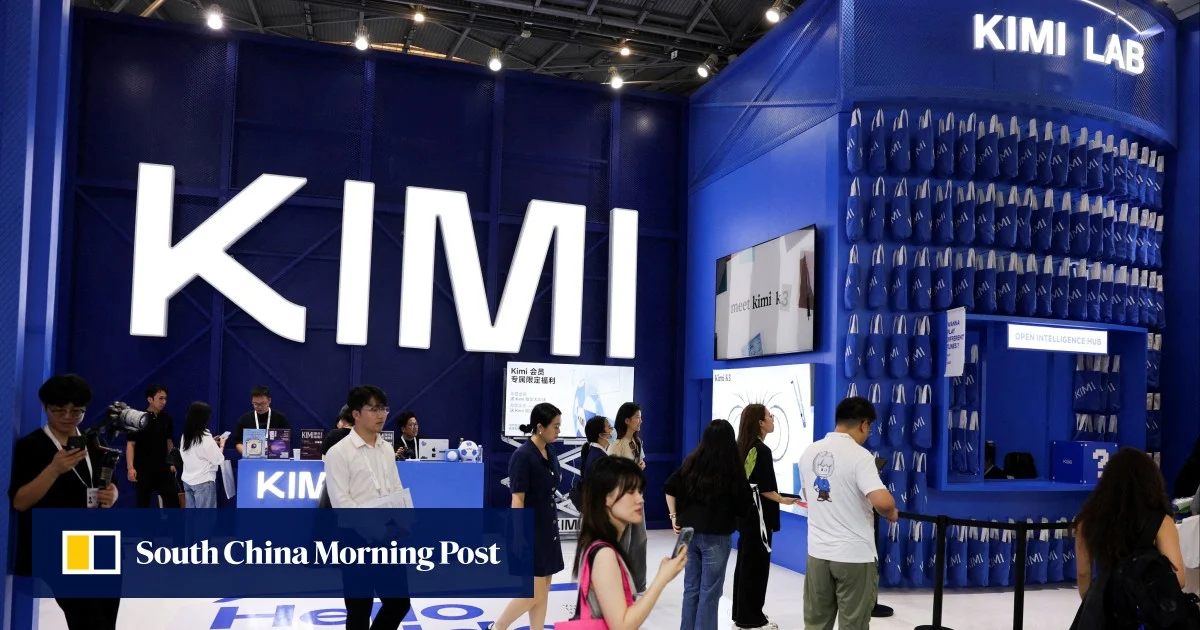
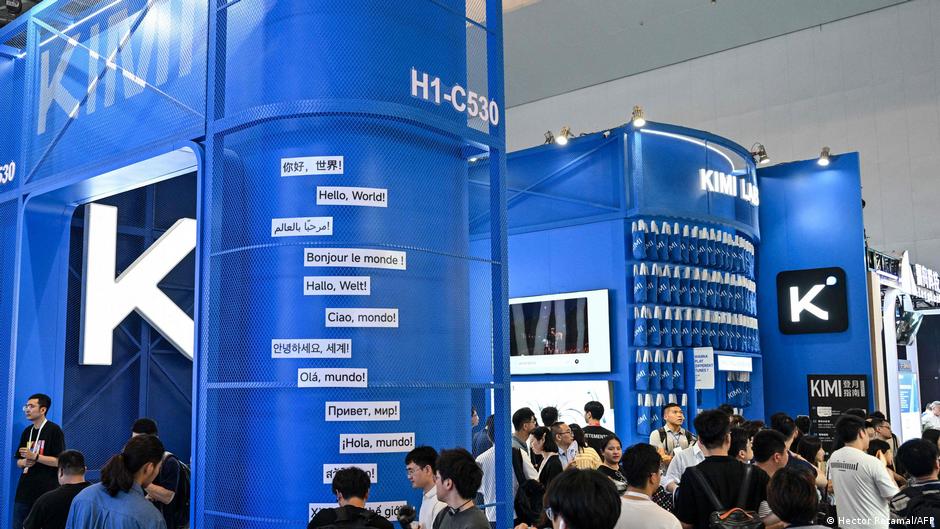
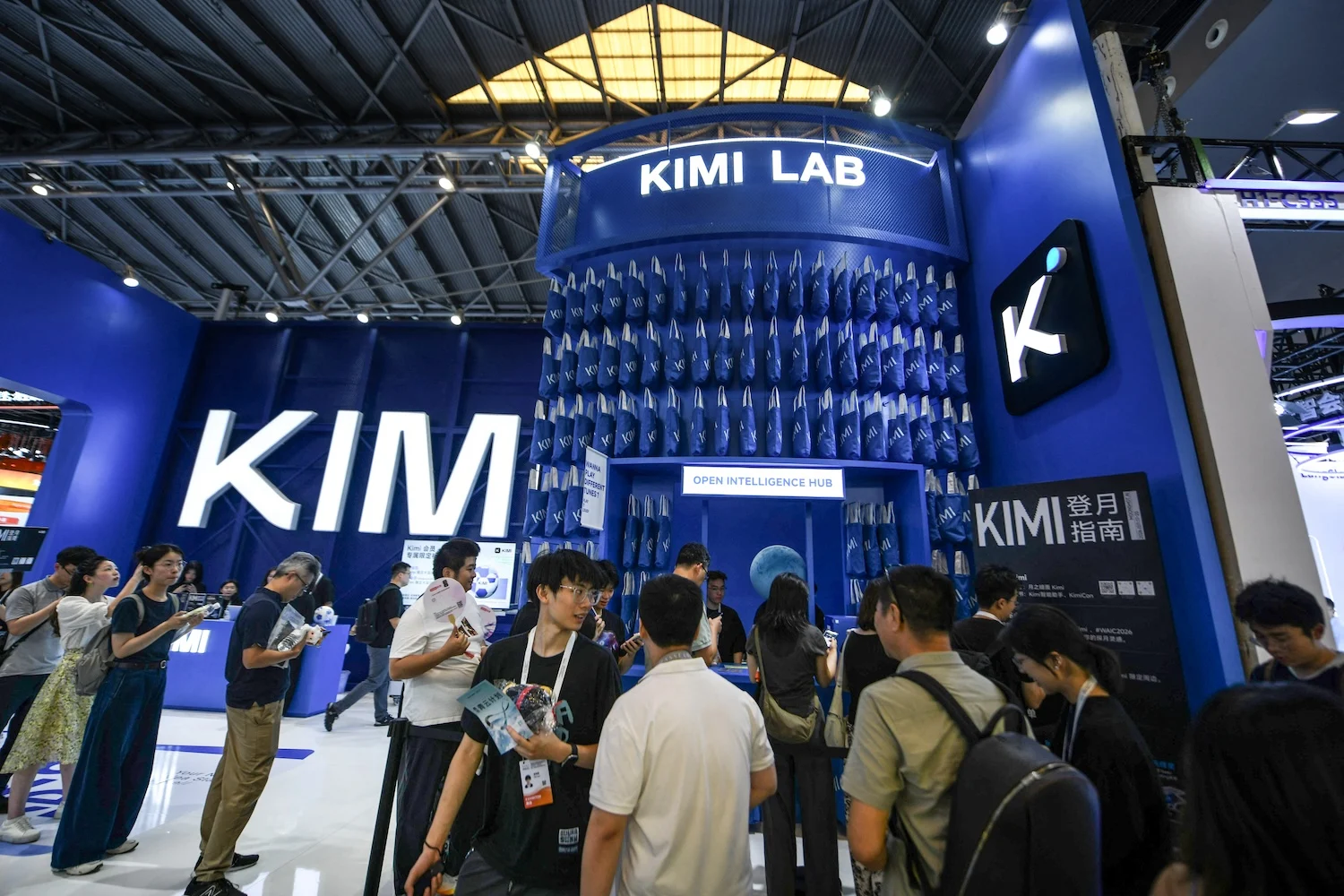
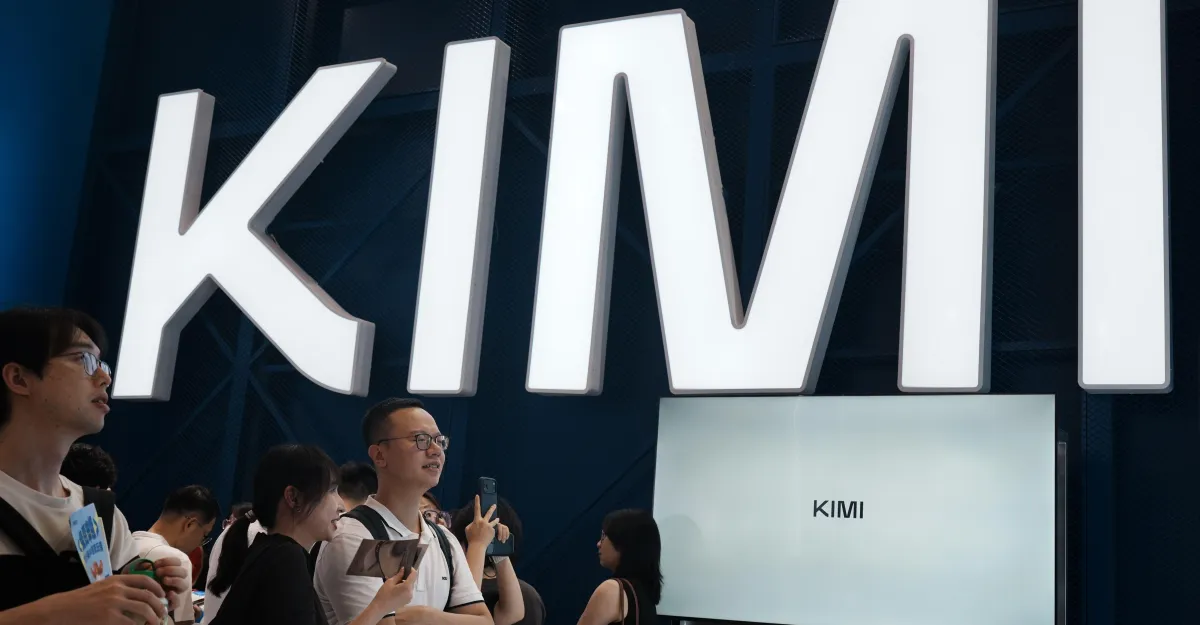
OPINION — THE END OF INTERNET PRIVACY: EUROPE HIJACKS AMERICAN TECH, AND CHINA BENEFITSMoonshot AI, a Beijing-based firm, recently unveiled Kimi K3, a massive 2.8-trillion-parameter model that competes with America’s leading systems across several benchmarks, while offering access at a fraction of the price charged by leading American labs. Although independent testing is still ongoing and Kimi K3 does not dominate every category, the larger message is difficult to ignore: China has disrupted the global AI landscape.‘An AI Sputnik moment’
On his Moonshots podcast (no relation to the Chinese AI firm), American engineer and entrepreneur Peter Diamandis described the Kimi K3 reveal as an “AI Sputnik moment.”The comparison is fitting. The Soviet Union’s launch of Sputnik in 1957 demonstrated that America’s presumed advantage in the Cold War Space Race was far less secure than many believed. Kimi K3 delivers a similar warning.The model reportedly ranks first in the Front-end Code Arena and leads six of seven measured front-end categories. It has even reportedly surpassed Anthropic’s Claude Fable 5 in front-end coding evaluations. Its architecture activates only a portion of its 2.8 trillion parameters for each task, allowing it to achieve impressive performance more efficiently, allowing Moonshot to price access well below American competitors.Perhaps most remarkably, as Diamandis notes, China accomplished this while operating under U.S. export controls intended to restrict access to the most advanced Nvidia chips. Those controls may have slowed Chinese development, but they have also encouraged Chinese firms to become more capable, creative, and less dependent on American hardware.America’s AI advantage was supposed to rest on superior chips, enormous capital investments, and a persistent technical head start. Kimi K3 challenges all three assumptions.The race for global AI supremacy