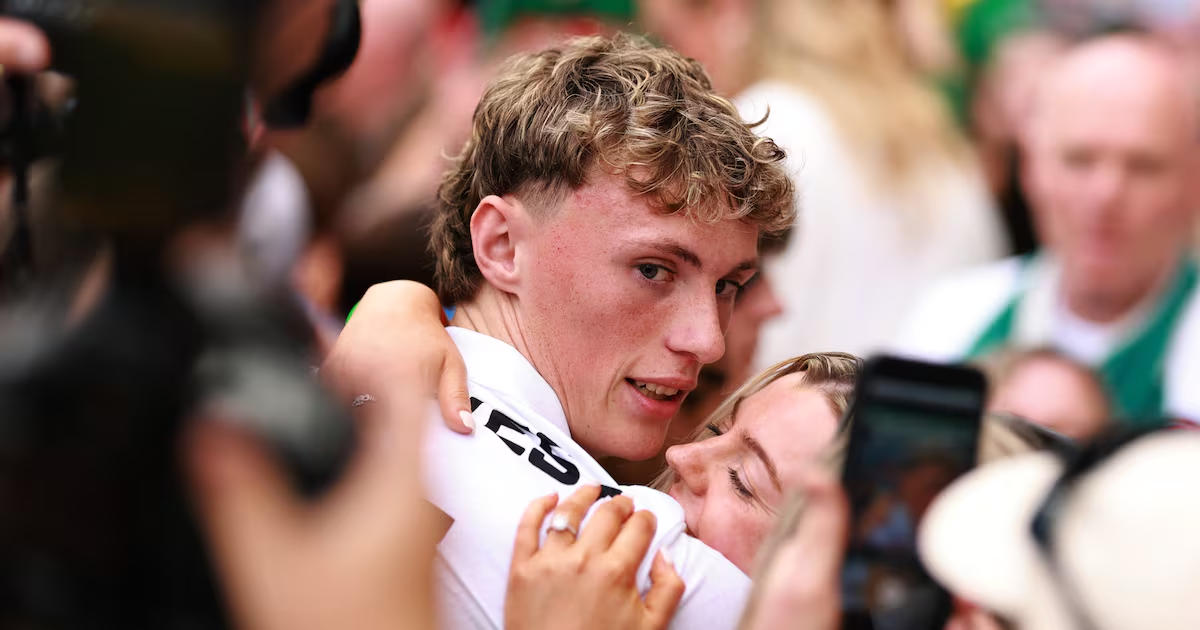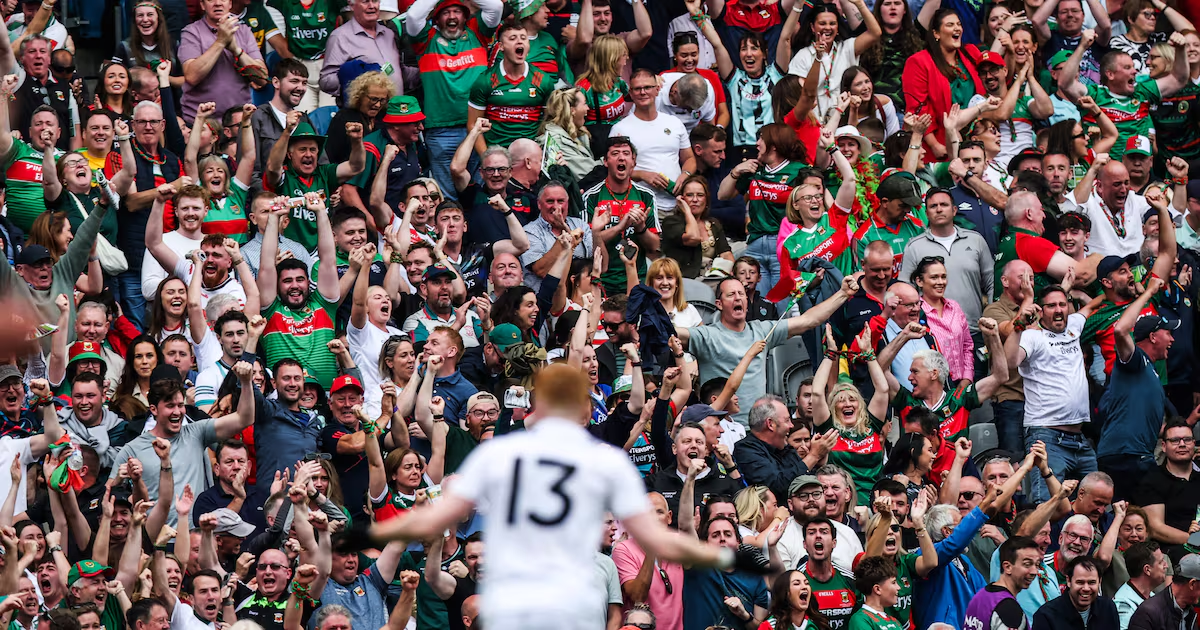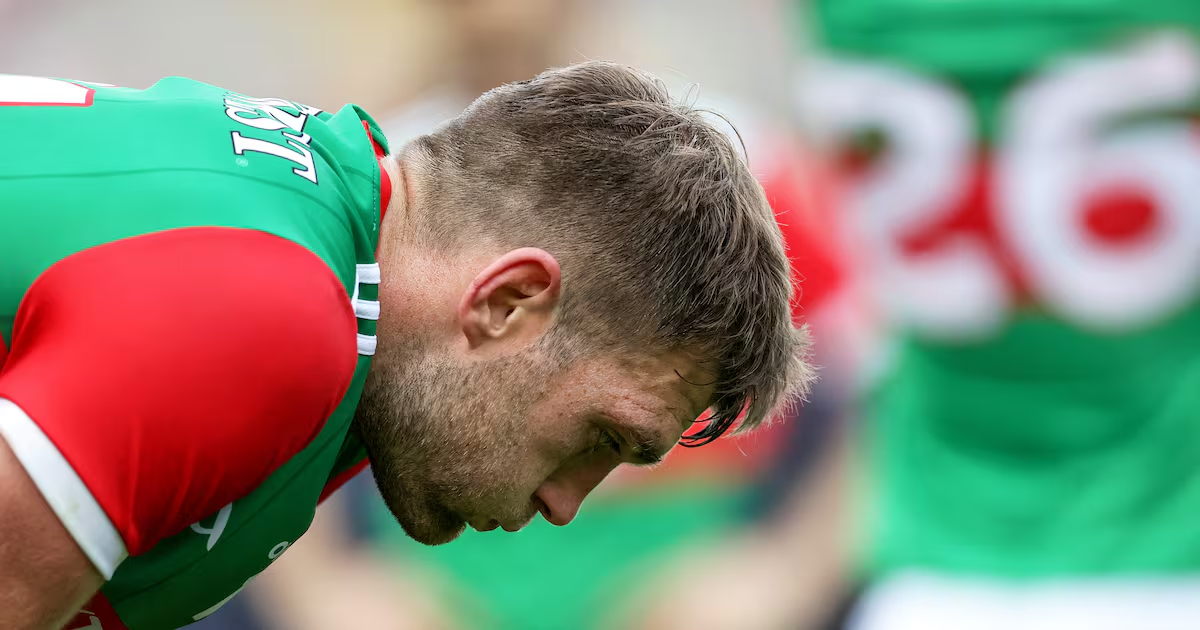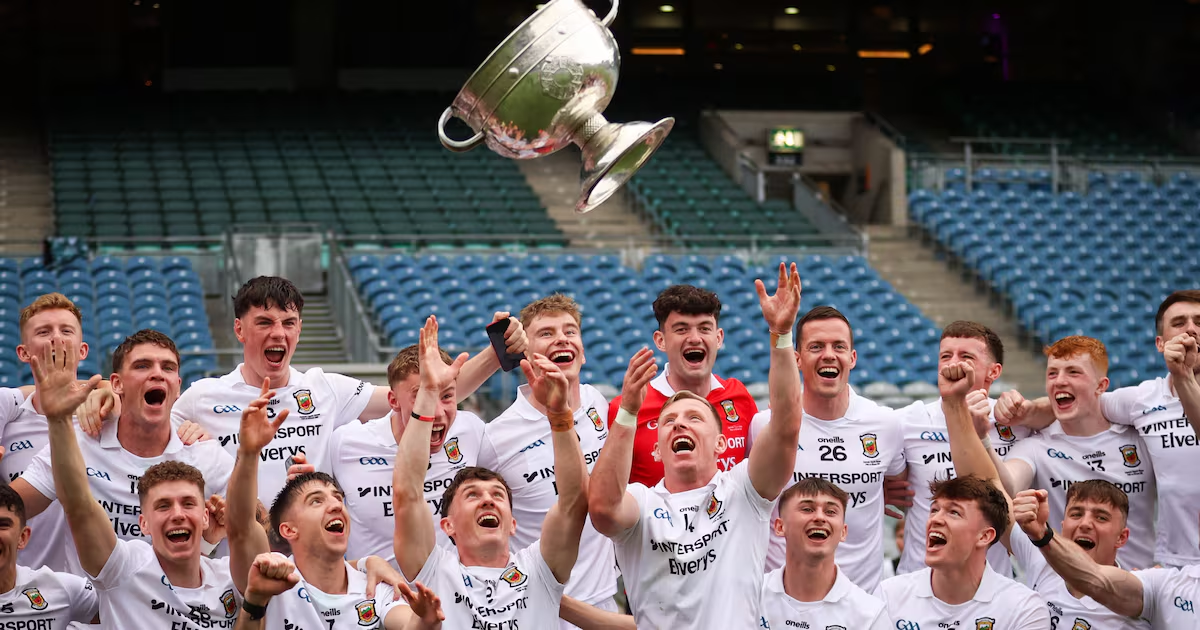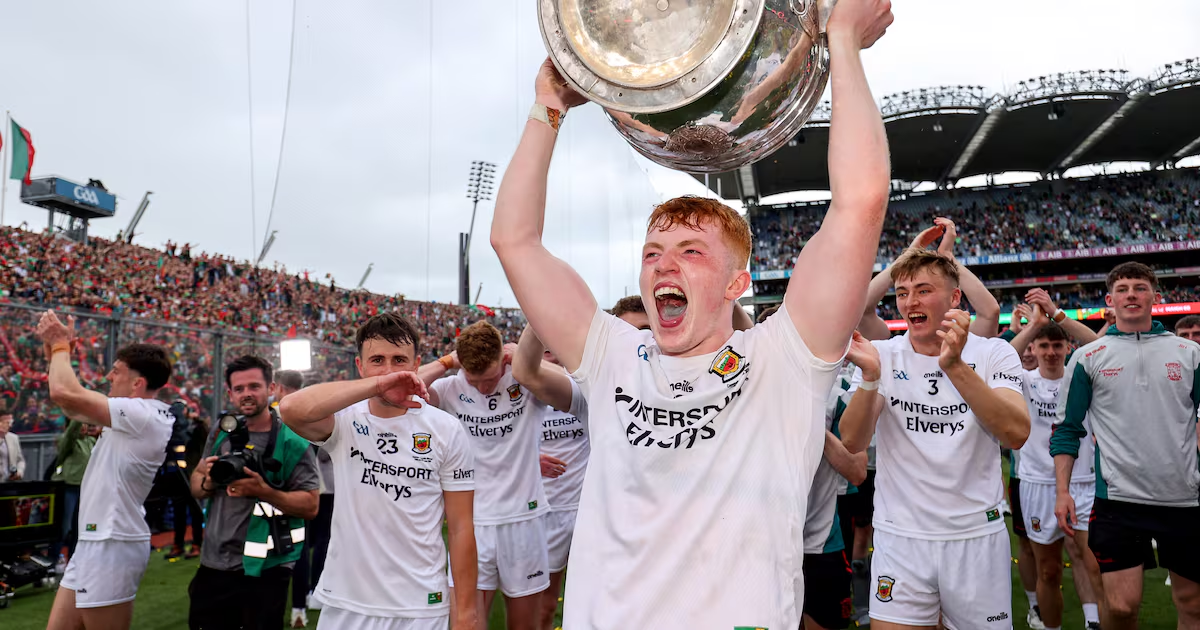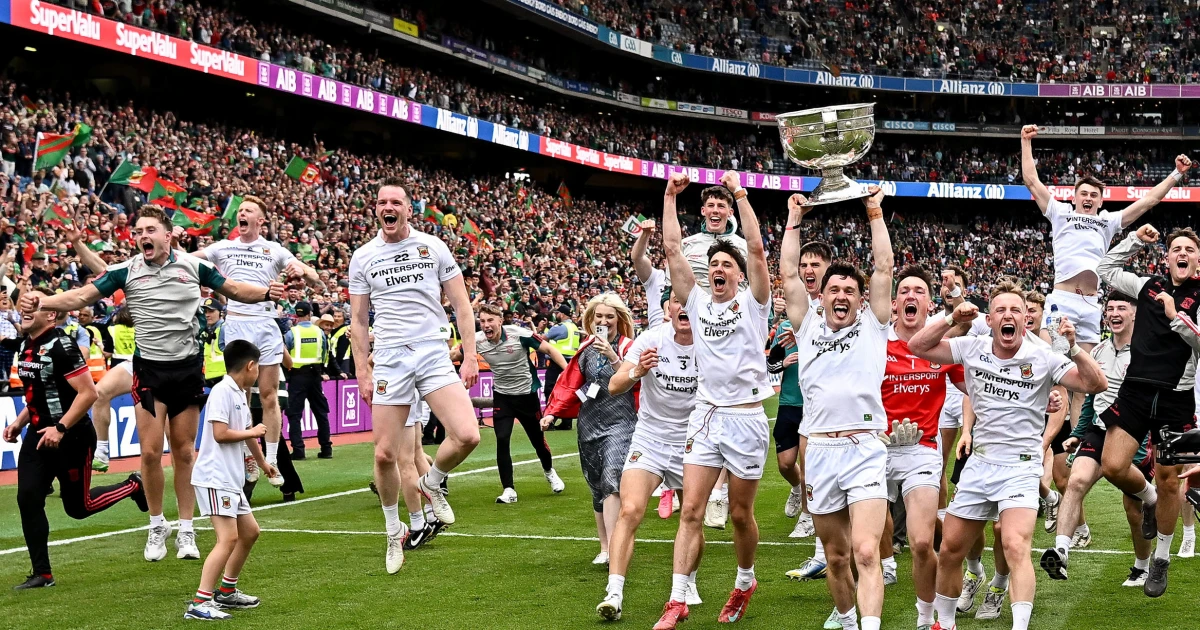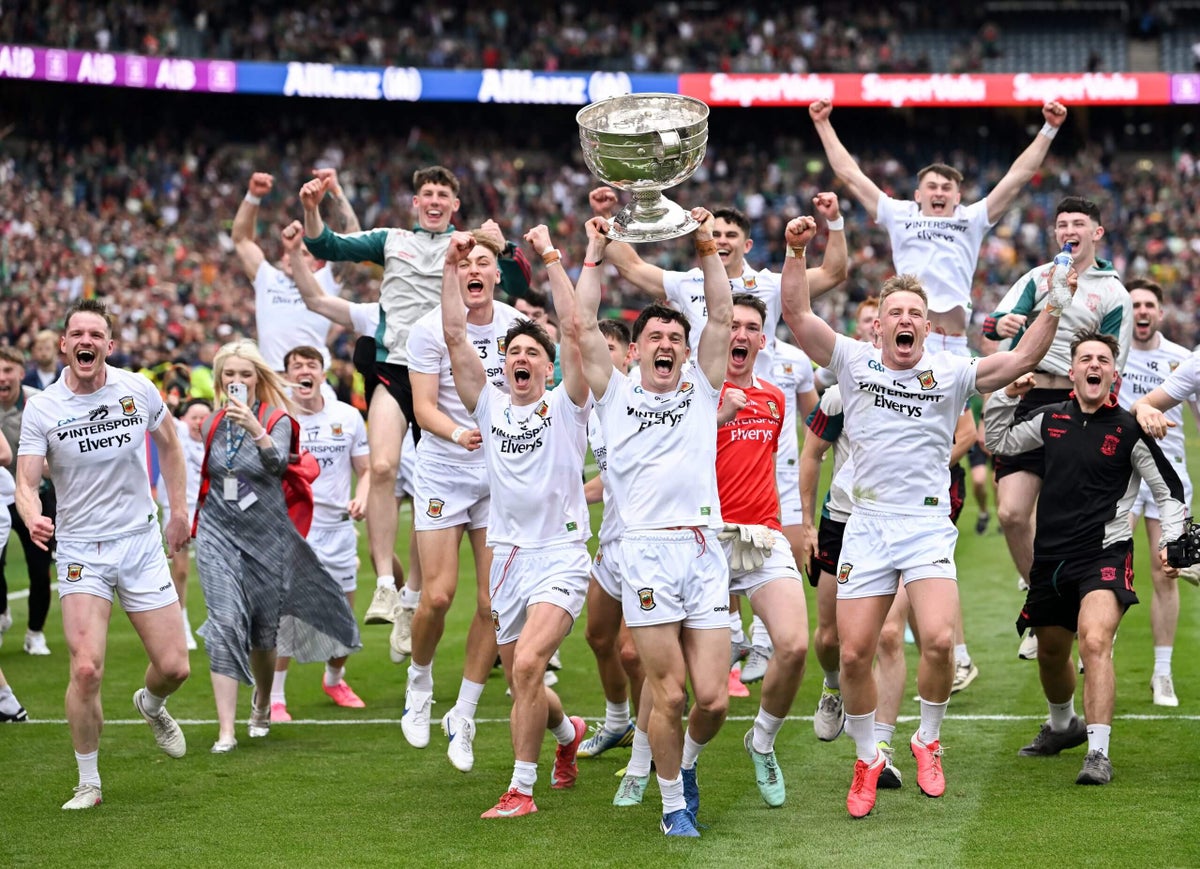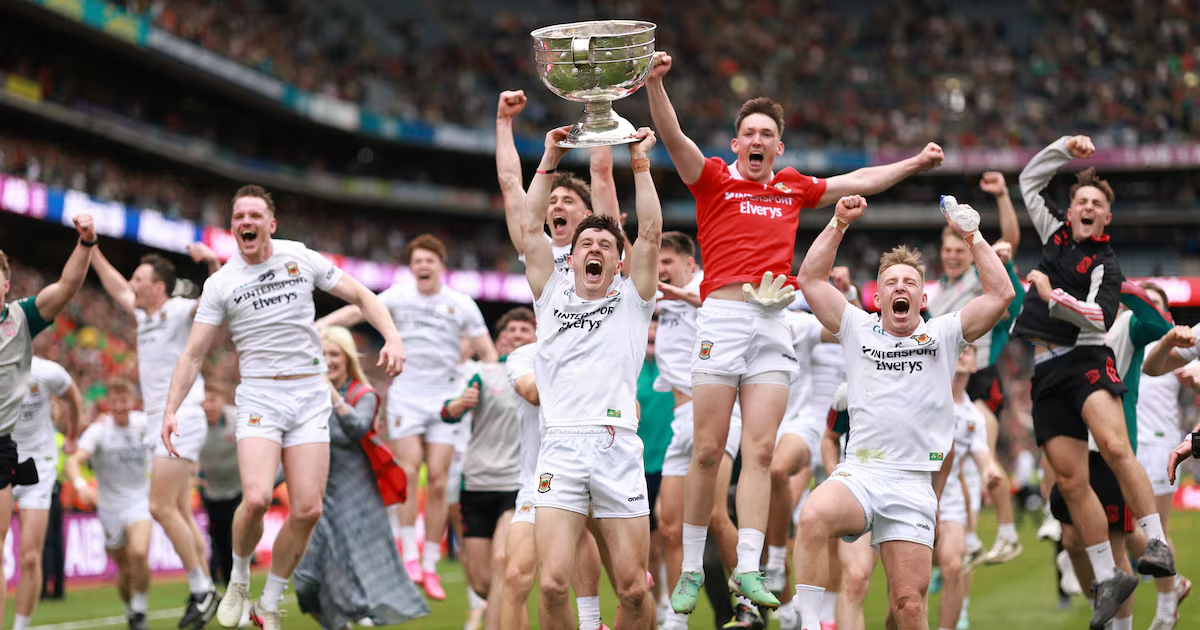
About two hours after the world had turned upside down, the Mayo players and every member of their backroom team returned to the pitch for a photograph with the Sam Maguire Cup. Only them. They were light-headed and giddy and floating and laughing, wrapped up in each other like a long plait.A whirlwind of delirium will sweep them off their feet now, and their lives will be flooded with praise and thanks and golden joy. But until it happened, the only people who believed it could were in that picture. Through the midsummer of tough defeats and fractured performances and easy scepticism and hard commentary and vacillating crowds, they were alone in their conviction.Did they tell anybody? Did they dare to say it out loud? Who would have believed them? How did they believe it?Sport is full of dreams that die in silence. They let it roar.“So much of sport has been reduced to tidy little stories of redemption, of winning in the end,” wrote Keith Duggan in House of Pain, his brilliant exploration of Mayo football. “So much time and genuflection is afforded to the champions, to those who prevail and who make victory seem like the easiest thing in the world. But for most teams and sportspeople, the opposite is true. Losing is the universal sporting experience.”Mayo lived with losing. Winning is never inevitable. Nobody is entitled to their turn. The championship is full of suffering that leads to nothing except more suffering. Mayo are intimate with that process. The build-up to every big game is shot through with romance and sentimentality and hammed-up possibilities and, for decades, Mayo have been typecast in those stories as the starry-eyed underdog. Maybe they felt patronised or undervalued.In elite sport, though, Goliath usually wins. In 2004 and 2006, when Mayo weren’t good enough, Kerry didn’t spare them. And even on days over the years when they were good enough, losing landed on them too, like the anvil in the Road Runner cartoons.Mayo fans react at the All-Ireland Senior Football Championship Final against Kerry. Photograph: Tom O’Hanlon/Inpho Last week, the former Mayo player Pádraig O’Hora reflected on the 2021 All-Ireland, probably the most painful of all the finals that Mayo have lost this century, and he tried to explain what had torpedoed them that day. “A lot of our fellas,” he said, “were carrying war wounds. Battle scars from big games. Big losses. Compounded pain.”This time, on a mesmerising day, a group of Mayo players overcame everything. Only two of them had started in an All-Ireland final before, and yet all of them were made to carry the weight of history, of inherited failures and projected doubt. They couldn’t deny anything that had gone before and yet they were answering charges for misdemeanours they didn’t commit.Spectacularly, they rejected everything that had followed Mayo in and out of Croke Park for decades: the labels, the denunciations, the cheap shots, the pats on the head. What would they have faced if they lost? A winter of explaining why they believed they would win. Who would have believed them?[ ‘Mayo had more legs, more hunger’: Jack O’Connor reflects on Kerry’s energy deficitOpens in new window ]Their performance brought to mind Rory McIlroy’s final round at Augusta in 2025, when he messed up in ways that had damned him so many times before. He won not because his game had changed, or not because his weaknesses had suddenly been erased, or not because his personality had been altered for one day only, but because he found a way to cope with the self-sabotage and the raging doubts. They didn’t leave him; he accepted them.In the second half, Mayo dealt with being Rory McIlroy. They missed some easy scores and made some terrible shot selections and took unnecessary risks. They hit the post and struck the crossbar, and they did some things that made losing more likely. When they went five points up five minutes into the second half, the game was in the palm of their hands only to close their fist.They couldn’t. Immediately after Kobe McDonald missed, Paudie Clifford scored; Ryan O’Donoghue was wide with a low percentage two-pointer, and from the restart David Clifford scored. On some notional aggregate of the key metrics, Mayo’s superiority in the third quarter might have been eight points, but on the scoreboard they were ahead by two.And yet, Kerry couldn’t put winning out of Mayo’s mind. They were committed to winning in the way they swore they would: they went baldheaded for turnovers and every half-chance to kick a two-pointer was taken.Mayo's Ryan O'Donoghue celebrates winning a free kick. Photograph: Ryan Byrne/Inpho In all Mayo attempted a staggering 14 two-pointers, eight of them against the breeze in the first half. The misses didn’t reduce them. The ones that landed impacted on the mood of the game when Mayo desperately needed something to change: Jack Carney kicked their first two-pointer when they were seven points behind; their next score five minutes later was Ryan O’Donoghue’s first two-pointer, when Kerry were still on top, and Mayo were bailing water.[ Mayo player ratings: Ryan O’Donoghue and Jack Carney shine brightest in stunning team displayOpens in new window ]Carney’s two-pointer early in the second half put them five points up for the first time; O’Donoghue’s two-pointer with seven minutes left put them five ahead when they needed another jab of reassurance.But all season they have committed to taking on those shots. They identified it as a potential point of difference. Their average in the championship has been four per game, precisely the number that did for Kerry. Only Monaghan on 4.1 had a better average. They won the All-Ireland by being true to themselves: falling down, getting up.About three hours before the match, a group of GAA people from Mayo and Kerry were taken on a tour of the stadium. When they reached the media area on Level 7, they were greeted by Pat Spillane. Without notes, and without pausing for breath, he spoke for 16 minutes about his experiences in Croke Park and the All-Irelands he had won.He told the Mayo people in the touring party that their team reminded him of Kerry in 1975: young, innocent, not afraid to lose. They had been listening to fairy stories all their lives.Then the dream came true.
Mayo channel their inner Rory McIlroy to shoot for the moon and land among the stars
An extraordinary group of Mayo players rejected the pain of the past to find a path to glory
1,054 words~5 min read