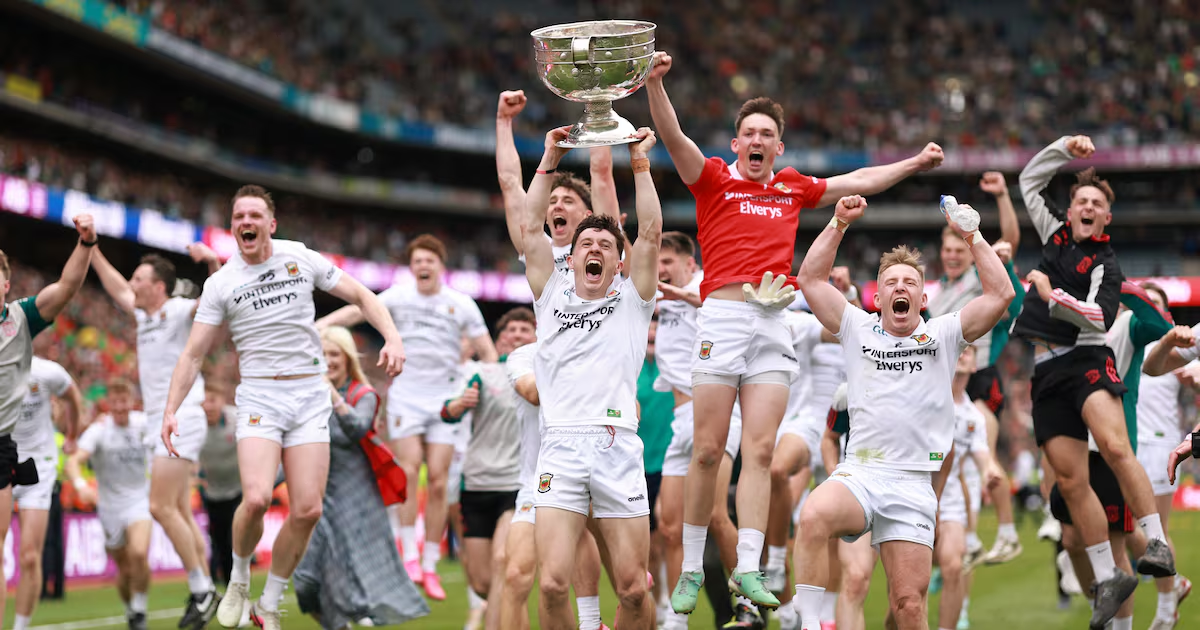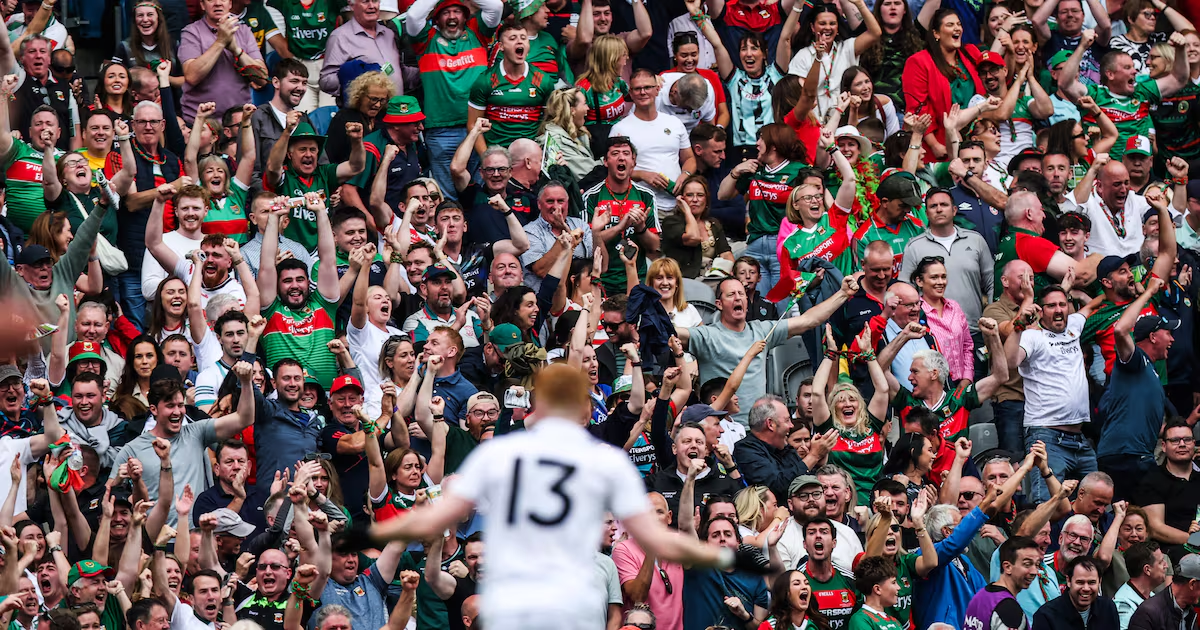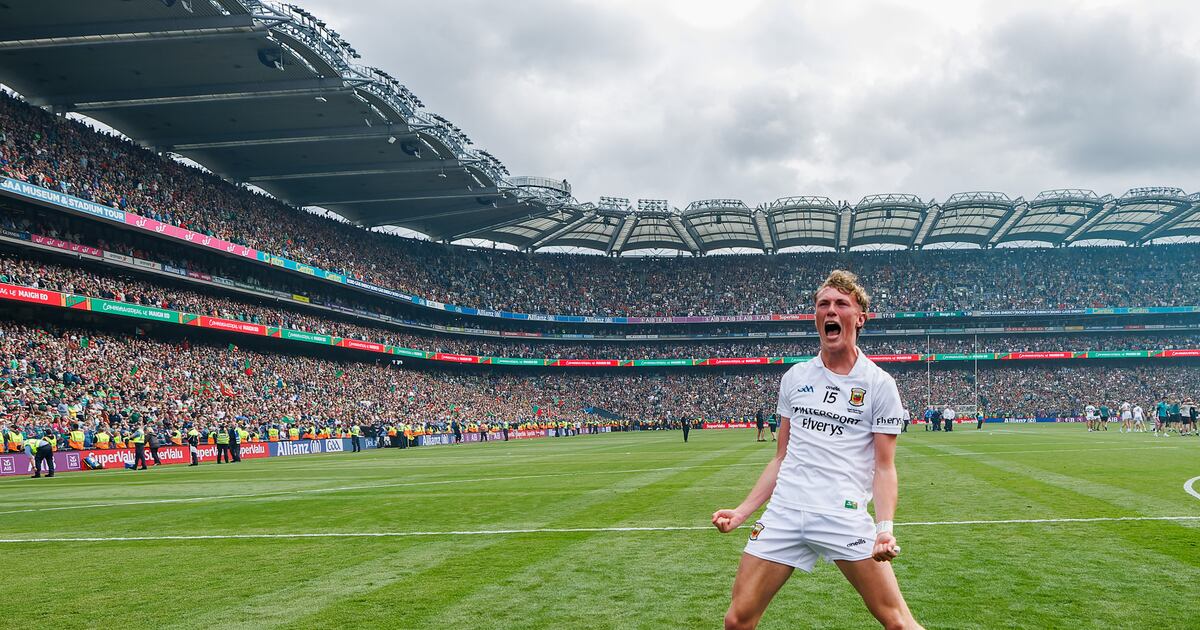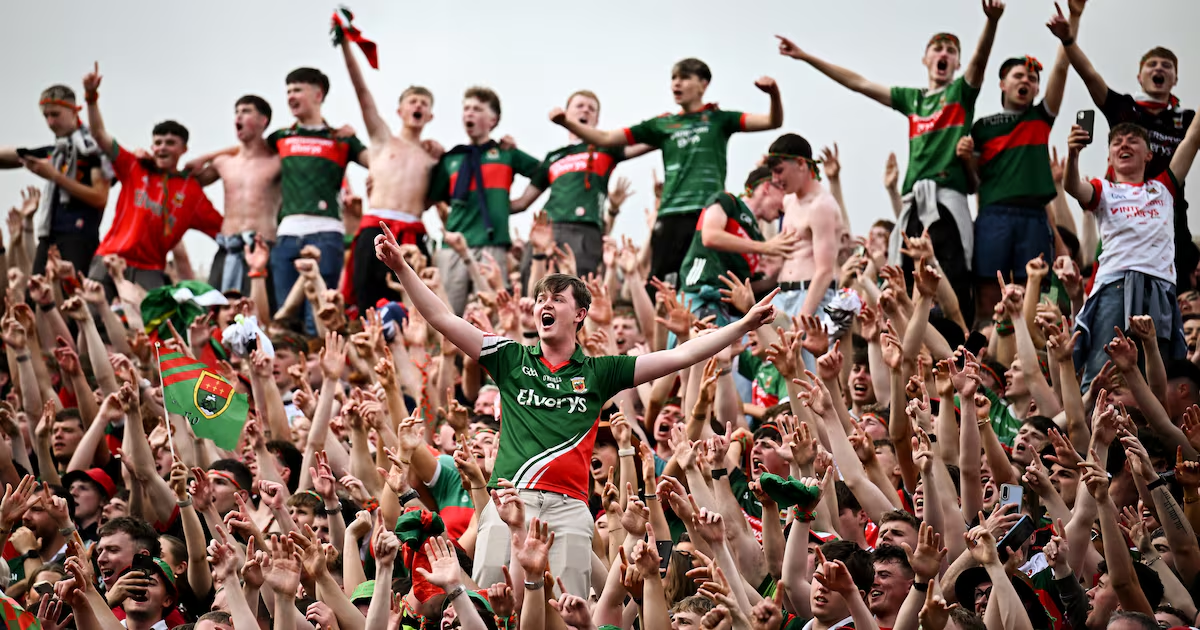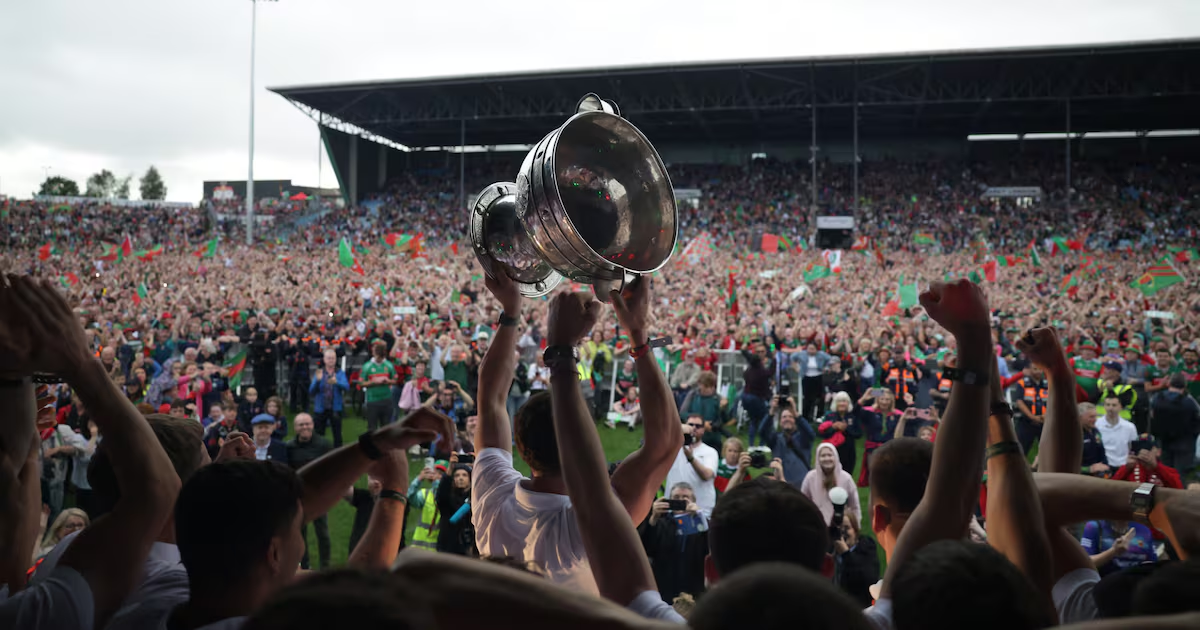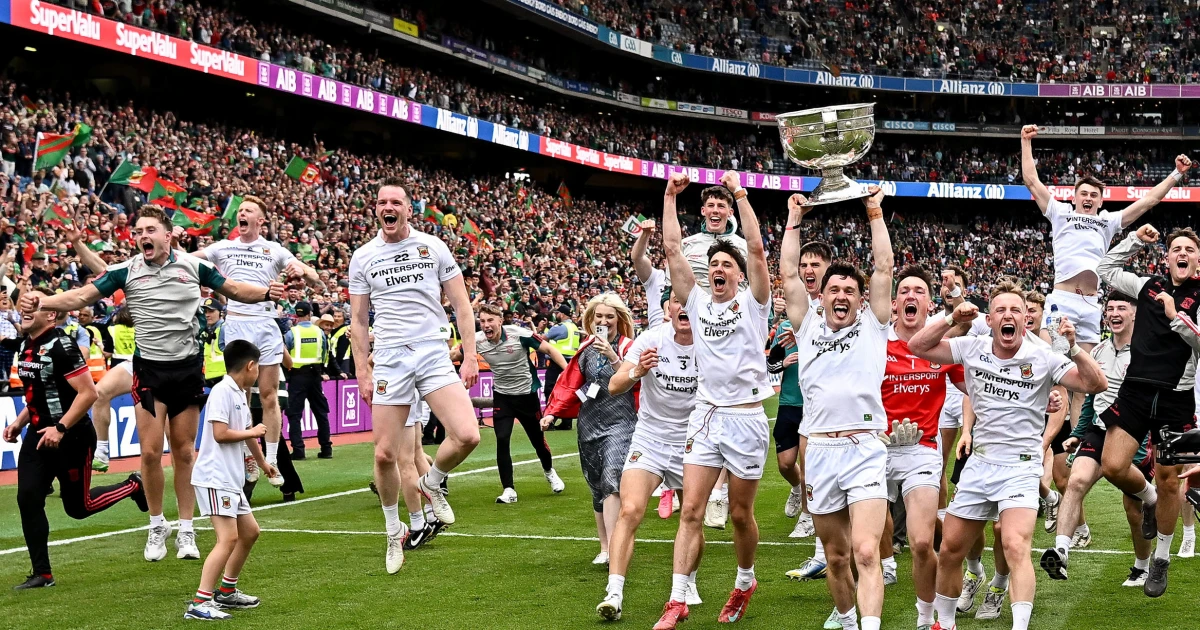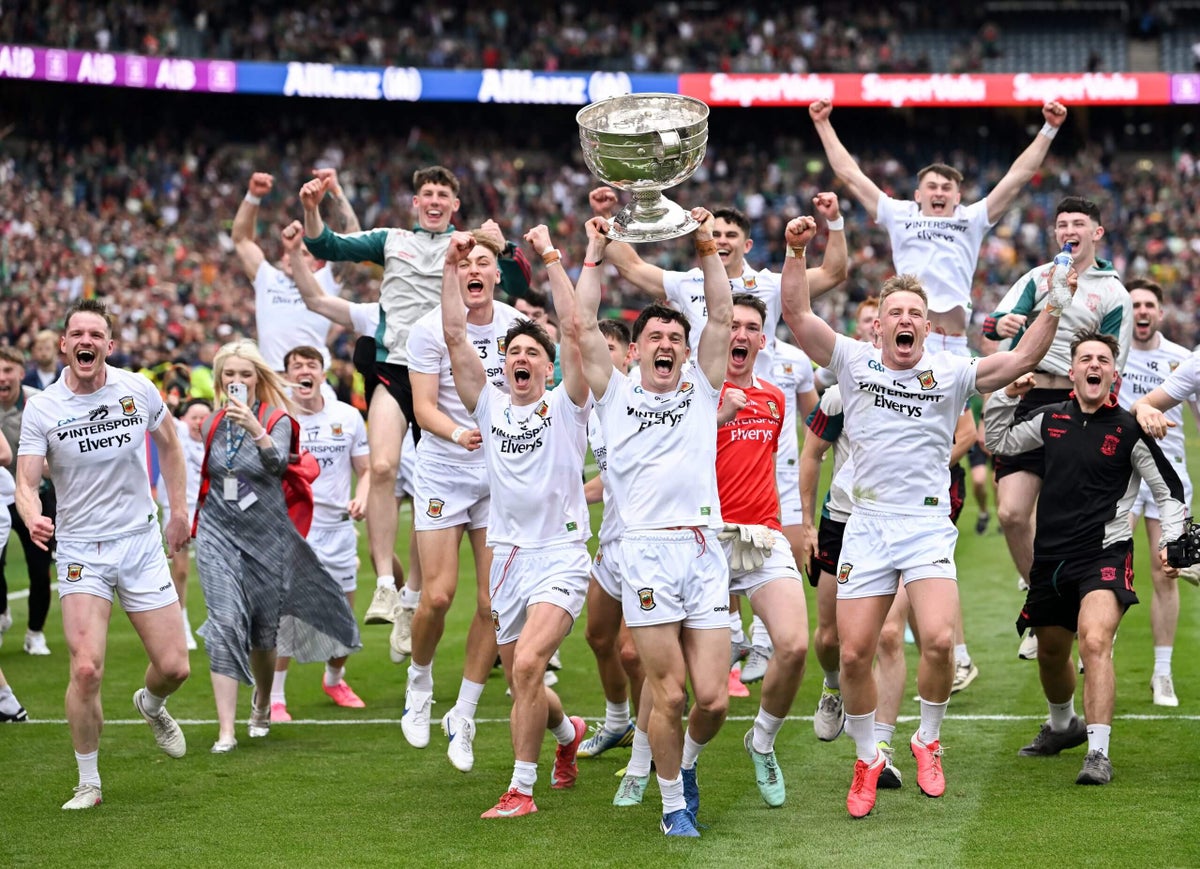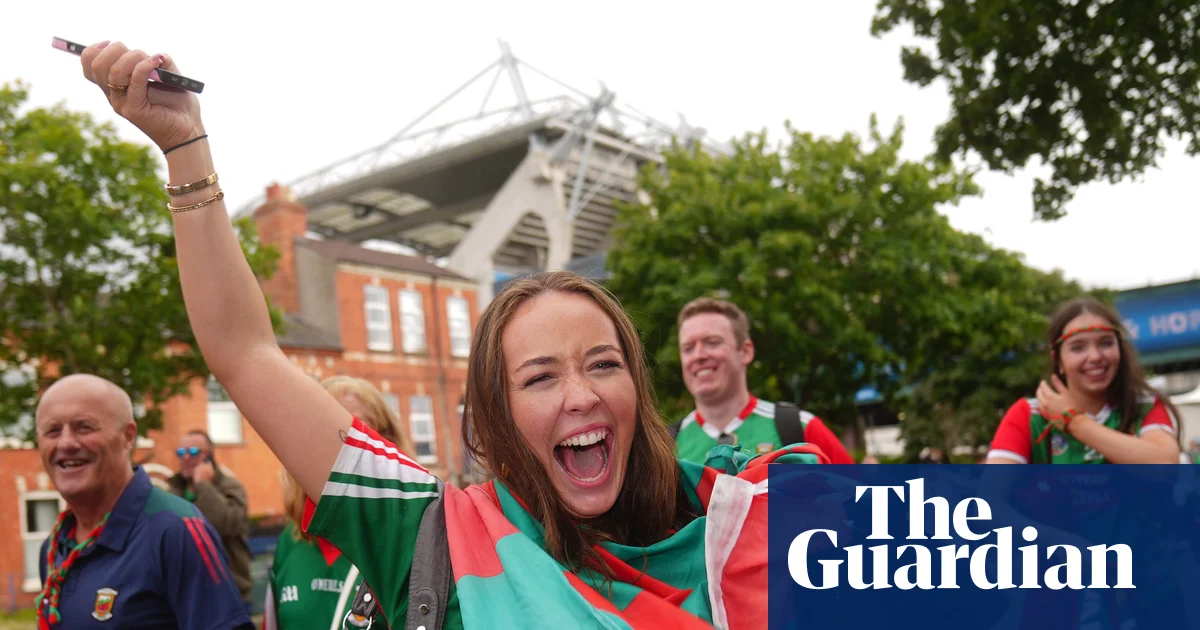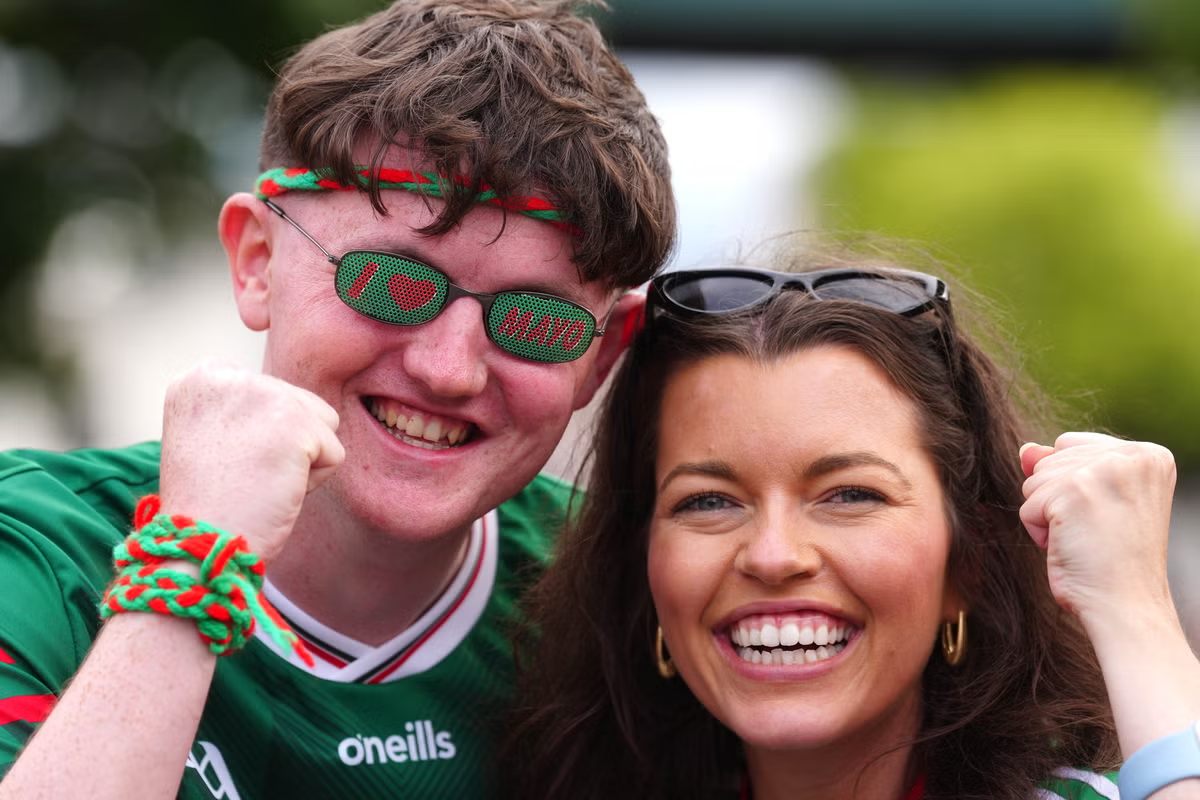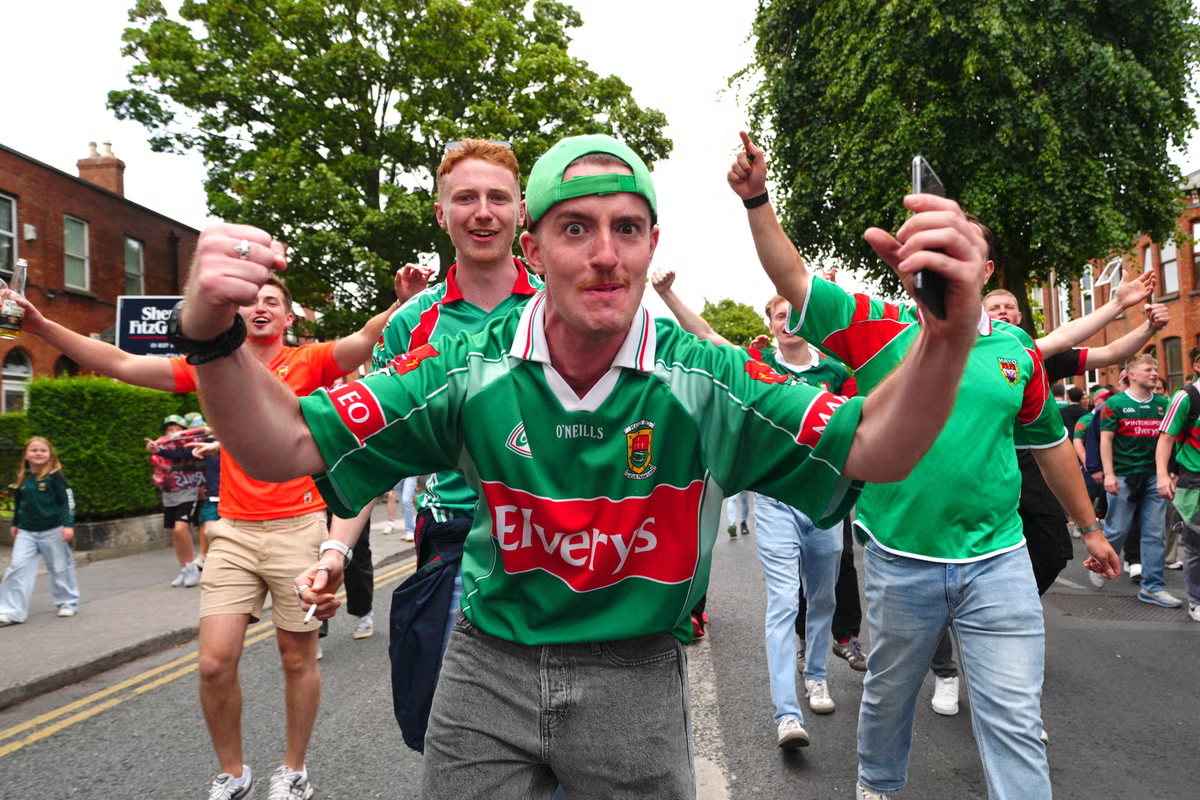
Sam Maguire has displaced the Virgin Mary as Mayo’s greatest apparition and we are still thinking about the woman vox-popped on RTÉ Radio outside Croke Park last Sunday. “Did you ever think you would see the day Mayo won the All-Ireland?” “Yes,” she replied, “just not in my lifetime.”Perhaps she misspoke amid the bewildering euphoria. All the same, her words perfectly captured the tremendous and berserk devotion of the Mayo fan, with which the rest of us bandwagoners have been so swept up. She spoke to the faith that has defined Mayo’s legion of followers, and there is a distinction between faith and belief. Belief now belongs to the inoffensive chrome language of sports psychology and high performance, as it has become a necessary tool in the arsenal of all of those who compete. Faith, however, is an entirely more irrational and quixotic thing, driven as it is by a compulsion to bear witness to something that might never actually appear. Belief is refrigerated in the mind, faith dwells in the heart. Belief tells you to trust the process, faith says you have nothing to trust but trust itself. Belief tells you to forget about all of this illogical talk of curses, faith says you’d best stop at this funeral just to be sure. And where belief will take you through a method, faith will propel you on a quest. This kind of faith edifies sport for the rest of us, because, frankly, everyone loves a good quest. (If you need any proof of this, check July’s box office returns for The Odyssey.) If it meant so much to Mayo, how could it not have meant something to the rest of us? Photograph: James Crombie/Inpho The sporting quest is primarily an emotional experience, privileging as it does the sportsperson’s ability to endure and overcome. It has to be built on defeats and disappointments, so without it failure would be an end in and of itself rather than a means of forging character and resilience and all those other virtues we celebrate through sport. Plus, if any of us are going to care about sport, the athlete at its centre must be first to underwrite our emotional investment. Mayo’s stakes in this regard were extravagant. If this means so much to them, how could it not mean anything to you?The quest also lengthens a sport’s narrative arc. Sport has very little nutrition for anyone not of a fast metabolism nowadays, such is the expansion of competitions and the rattling pace of the calendar. The quest, however, stretches a sporting story to encompass years and decades and occasionally generations. This gives its adherents an adequate means of measuring time. The most beautiful part of Mayo’s triumph emerged through the individual notes of poignancy from which the crescendo was composed, as those who bore witness immediately thought of the parents, friends and siblings who did not live to see the quest’s glorious end. Perhaps buried within these thoughts was the realisation that it was great to have had the time to swim together in the Mayo football super solvent at some point. Many of us outsiders long to leap into something just like it, but must make do by looking on from our perch on the bandwagon.The length of Mayo’s wait for an All-Ireland and their many baroque means of falling just short made theirs the greatest quest in Irish sport. The price of seeing it happen at Croke Park on Sunday is that now we cannot see it ended again. Unfortunately many of our favourite 21st-century quests have now been ended. Lionel Messi has won the World Cup with Argentina, whose extreme, quasi-religious following make them a kind of Latin Mayo. Rory McIlroy has won the Masters and the Grand Slam, all the while doing the decent thing by wearing his heartbreaks and his triumph very heavily indeed. Limerick won an All-Ireland hurling title and then added another five for good measure. Some second-tier quests that have grabbed only some of the country have lately been ended too, such as Arsenal’s for a Premier League title or Liverpool’s for another in front of their fans at Anfield. And now, on top of all of this, we are deprived of Mayo. So who is going to deliver the next great sporting odyssey with which the country can ride along? Making a Rugby World Cup semi-final might not count as completing a great quest but it would be a good next step for Ireland. Photograph: Billy Stickland/Inpho Winning a Rugby World Cup quarter-final is a strong candidate, but its purity as a quest subject is undermined by the fact it is still a couple of steps from silverware. (And we can’t credibly claim to have made a quest out of winning the World Cup because, well, we haven’t even won a quarter-final yet.) Leinster have made an epic out of winning the Champions Cup but their most recent win still lies a little too fresh in the memory. Football-wise, Derry City striving to win a league title has quest potential too, but the League of Ireland still lacks the level of media cut-through necessary for the whole island to fall under its sway. The Waterford hurlers’ chase of an All-Ireland title has the long wait needed for a quest, but is sorely lacking any near-misses. They’ll have to at least make it out of Munster before they enter our hearts and minds. Gaelic football’s new democracy means the future will bring more emotion-drenched maiden victories for counties at Croke Park, but unless these teams first commit to losing a few along the way, they will remain primarily local epics.We therefore suggest that our next great national sporting quest should be the Cork hurlers’ attempt to reclaim Liam MacCarthy. We acknowledge that Cork will find this irredeemably condescending. But like Mayo, Cork have a huge, expressive support and, if you think about it, their soon-to-be 22-year wait is equivalent to Mayo’s seven-plus decades in Cork years. All that said, we are struggling to quit Mayo. Sure they haven’t won back-to-back All-Irelands since 1951.
Mayo’s magnificent quest leaves us wanting more – but who from?
The strength of Mayo’s faith made devotees of us all but now we risk feeling bereft
1,018 words~5 min read