The opinions expressed in this article are those of the author and do not represent in any way the editorial position of Euronews.
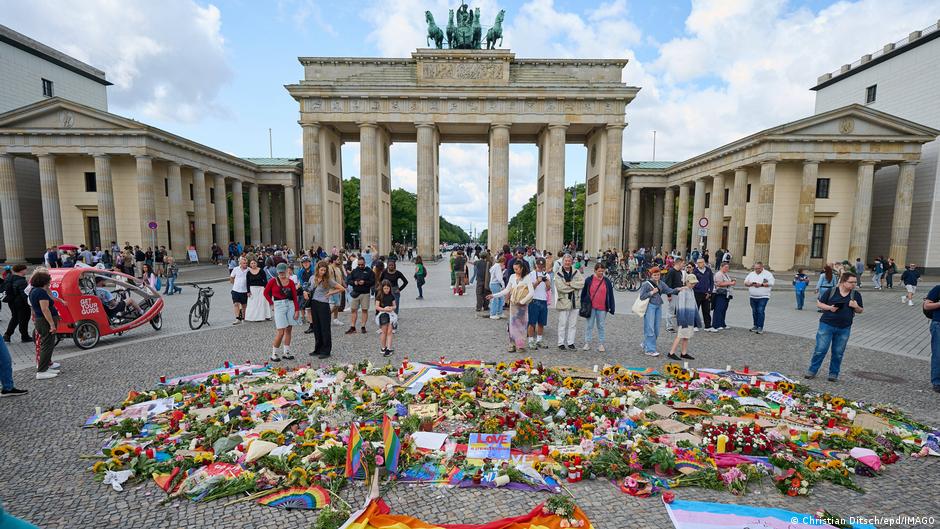
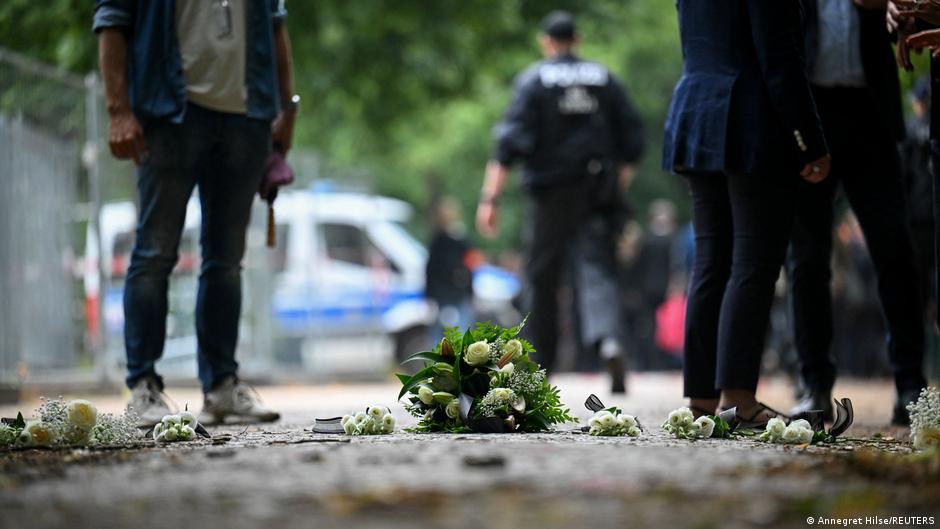
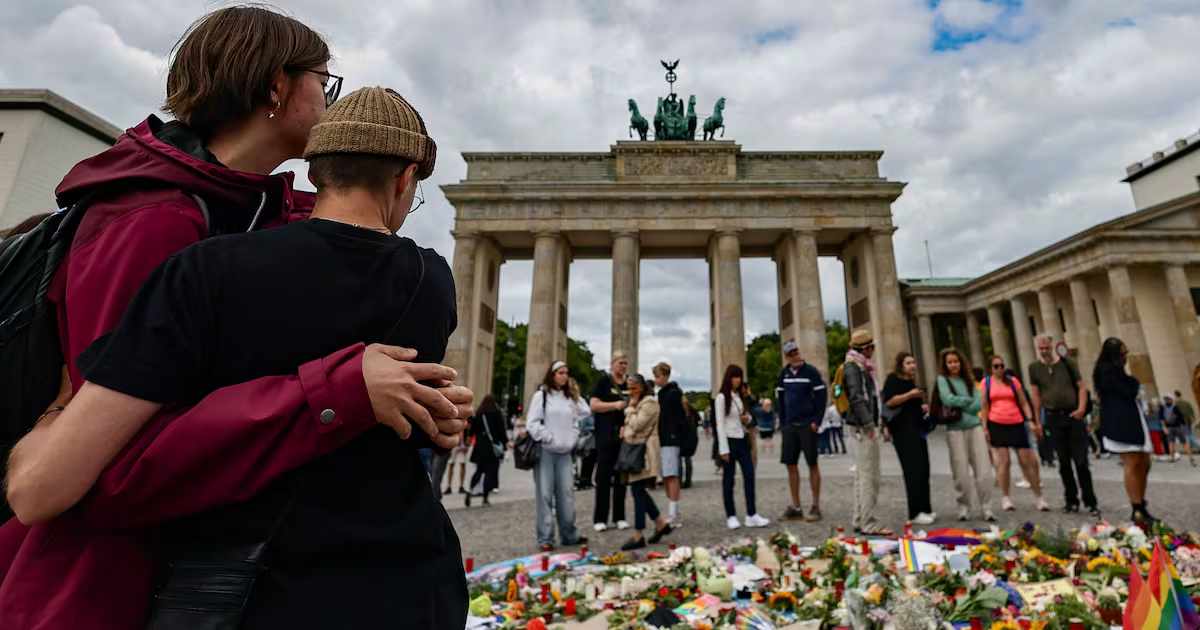
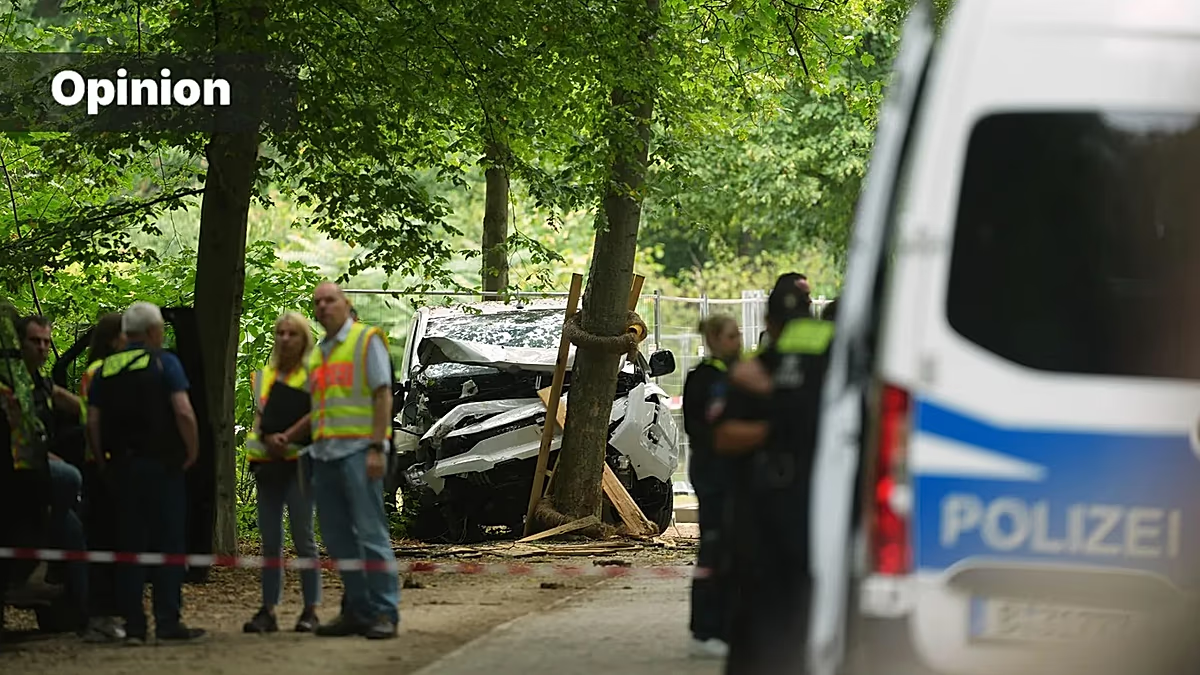
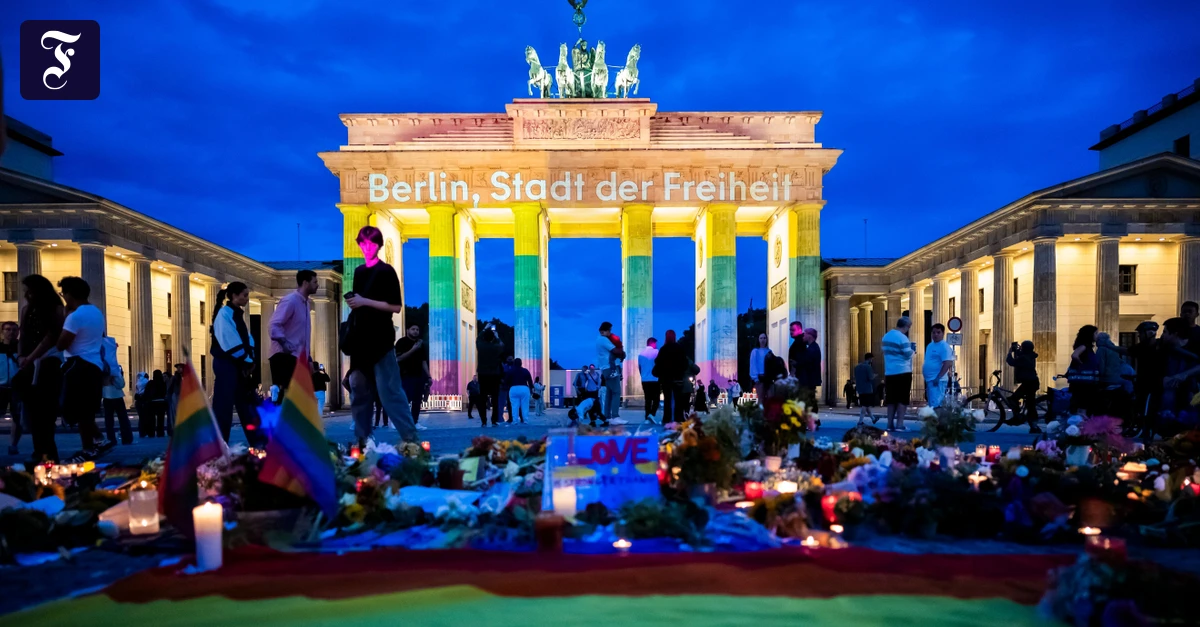
Almost exactly ten years ago, on 12 June 2016, Orlando, Florida, was the scene of the deadliest terrorist attack in the United States since 11 September 2001. A gunman opened fire at the Pulse nightclub, killing 49 people and injuring 58 others. Nearly six years ago, on 4 October 2020, a terrorist attacked two men with a knife in Dresden, Germany, killing one and critically injuring the other. Yesterday, Berlin was struck by another terrorist attack, in which one person was killed and several others were critically injured.
Islamist terror against gay people
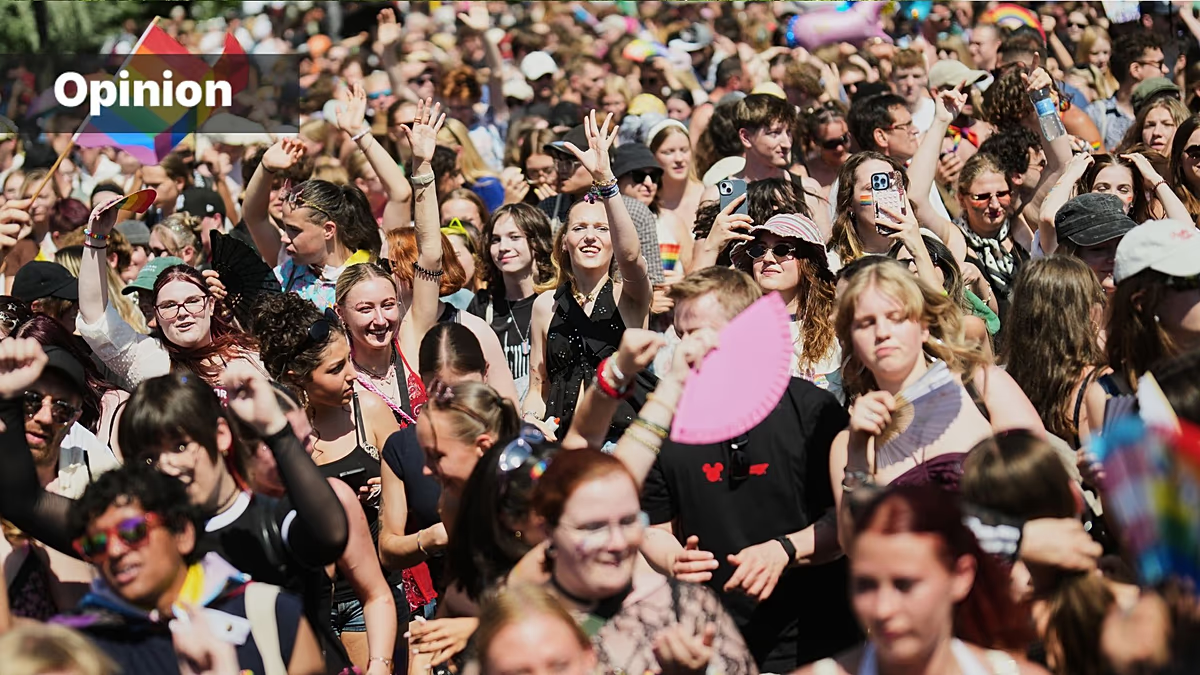
What links these three crimes is both the motive and the choice of target. The victims in Orlando were patrons of a gay nightclub, the two men attacked in Dresden were married to each other, and those targeted in Berlin were attending Christopher Street Day. As far as we know, all three attacks were motivated by Islamism and directed against homosexual people.
It is no coincidence that the sense of security among sexual minorities has deteriorated dramatically in recent years. This is not only due to the attacks mentioned at the outset, but also of a broader rise in such acts of violence. Last year the Federal Criminal Police Office (BKA) recorded 284 violent offences motivated by victim's sexual orientation. That level has remained similarly high for years, after the figures had previously surged. In 2015 there were just 54 such offences.