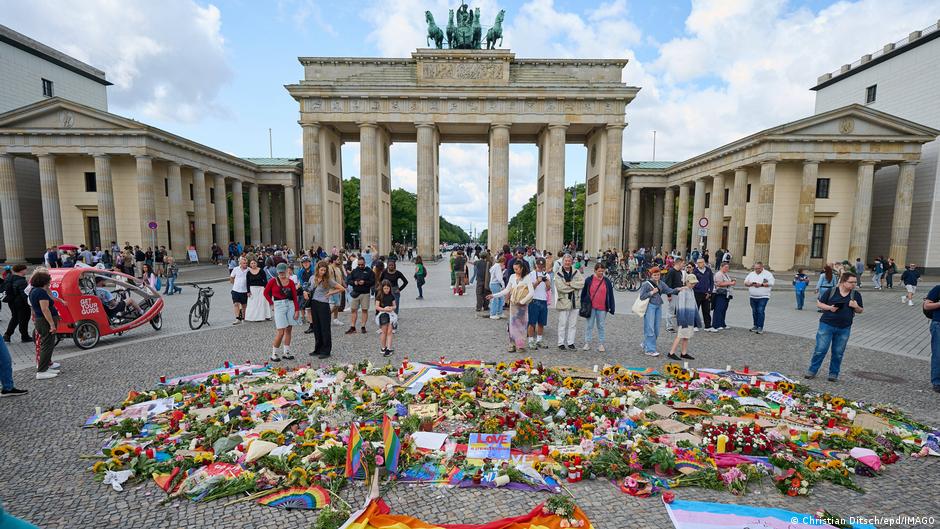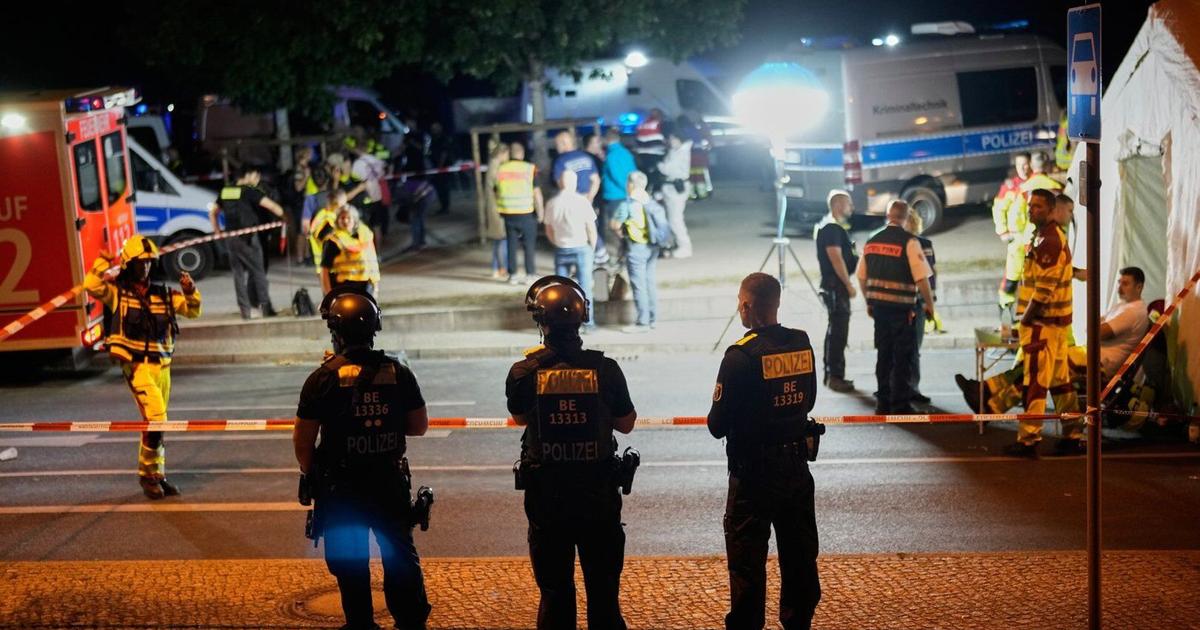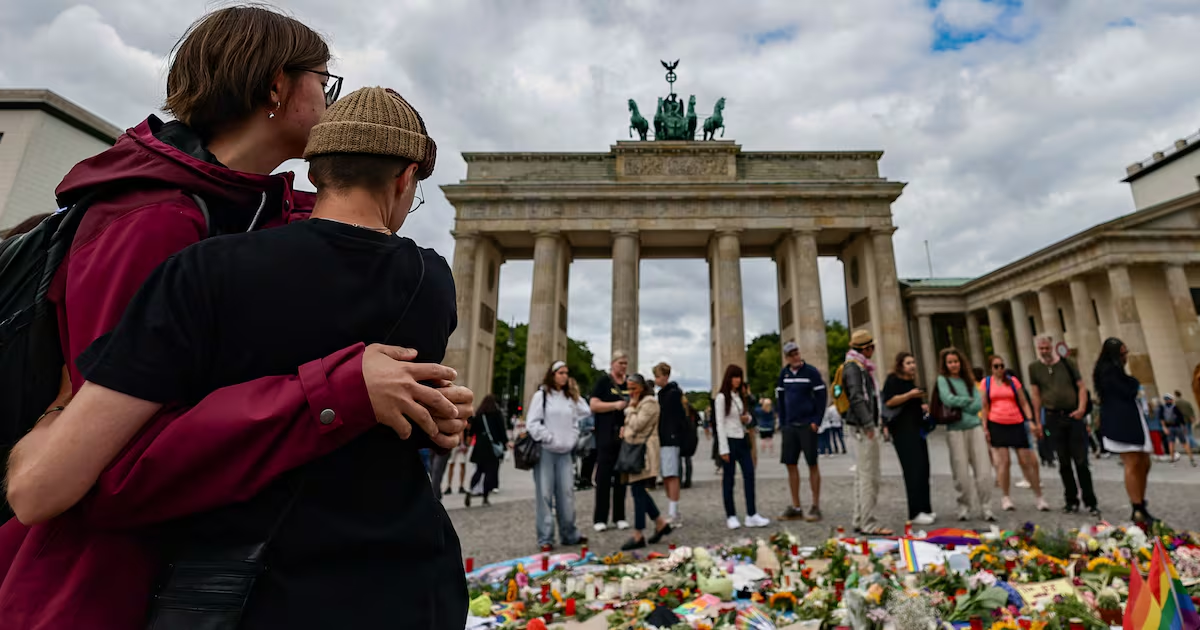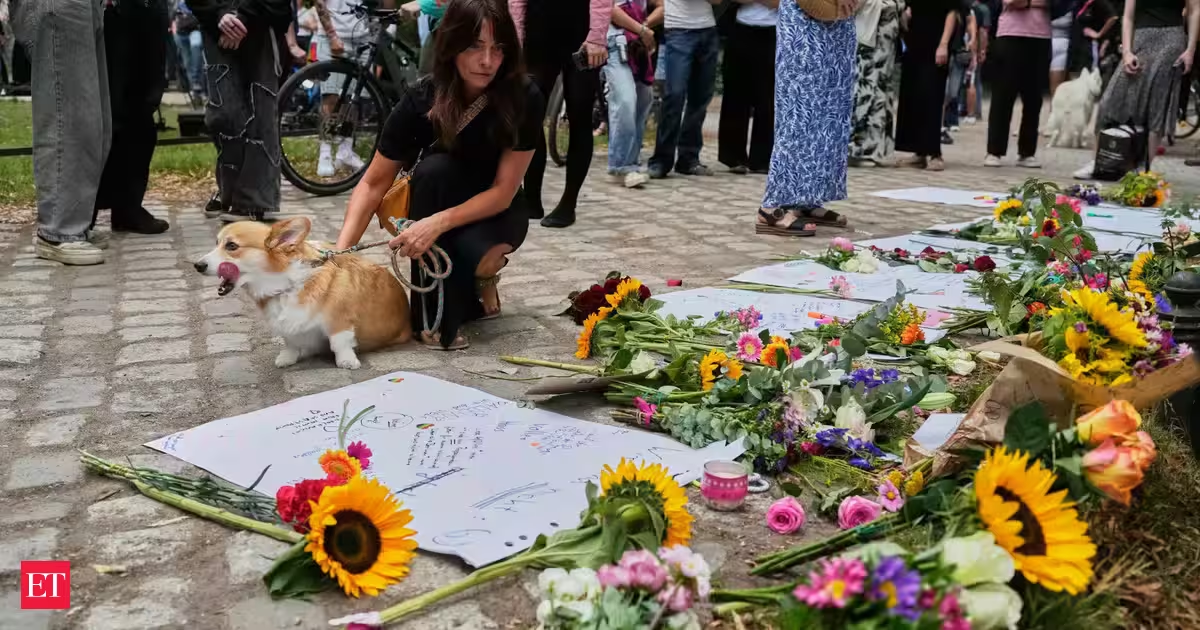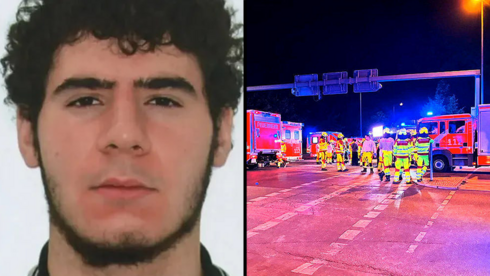
The terror attack on Berlin's Pride parade has shocked Germany. The perpetrator, 21-year-old Abdul Ballout, was a German national and known to German security forces as an Islamist who had tried to join the "Islamic State" group. He had already been convicted of criminal offences twice, and was awaiting a decision about a possible prison sentence at the time of the attack.
The LGBTQ+ community is not a surprising target, according to Jakob Guhl, a director of policy and research at the London-basedInstitute for Strategic Dialoguewho has studied Islamist extremism for many years. "The ideology is deeply homophobic and hostile to the queer community. The 'Islamic State' terror group, when it held territory in its so-called caliphate, executed people it accused of homosexuality," Guhl told DW.
In recent years, there have been several attacks on Pride events, Guhl said: In London, Oslo, Zurich and Vienna.Was the Berlin Pride attack inevitable?To view this video please enable JavaScript, and consider upgrading to a web browser that supports HTML5 video
Parallels between different extremist movements
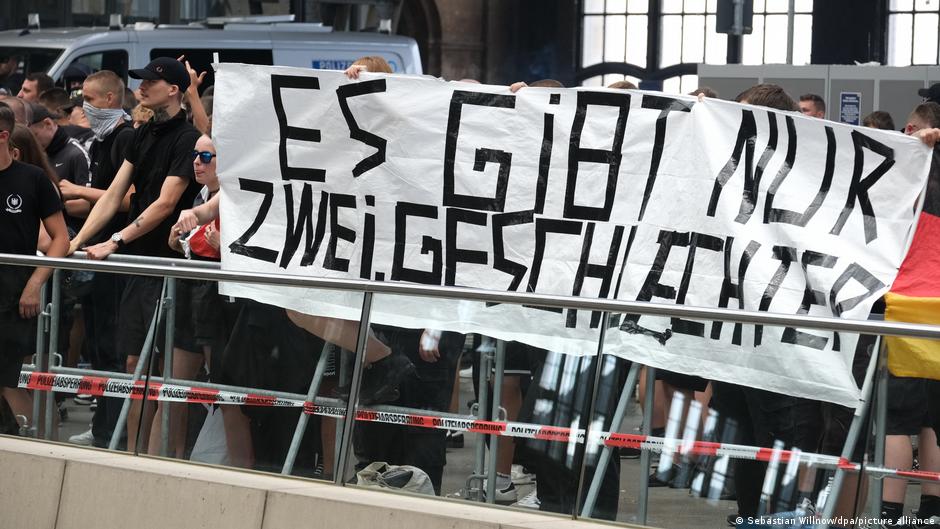
Guhl has also noticed that Islamist extremism has a close relationship with far-right extremist movements. Both ideologies strengthen each other and profit from one another, he argues: "Both are of the view that peaceful coexistence between Muslims and non-Muslims is impossible."