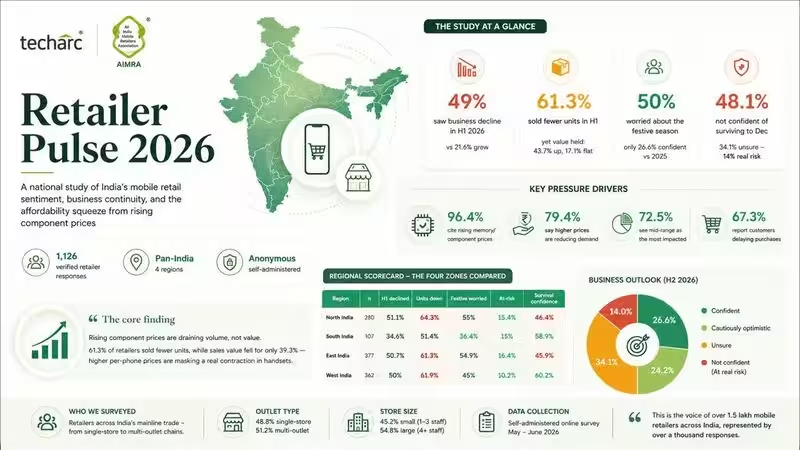
Overall, 50% of retailers worry about festive season sales.
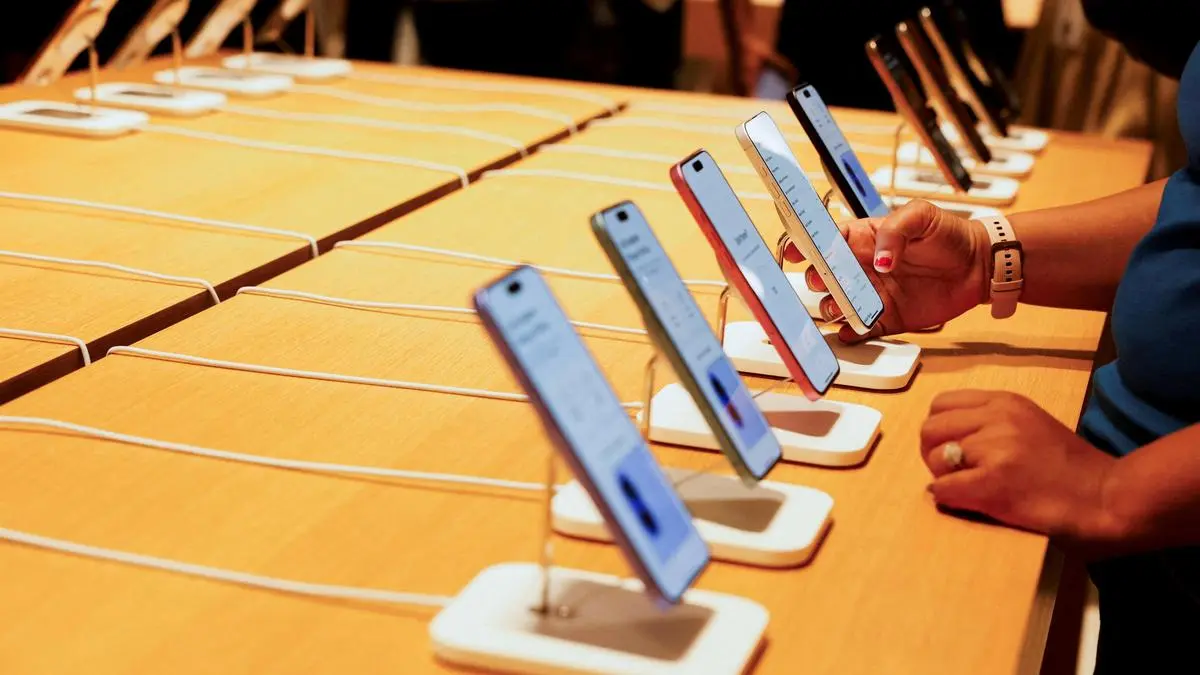
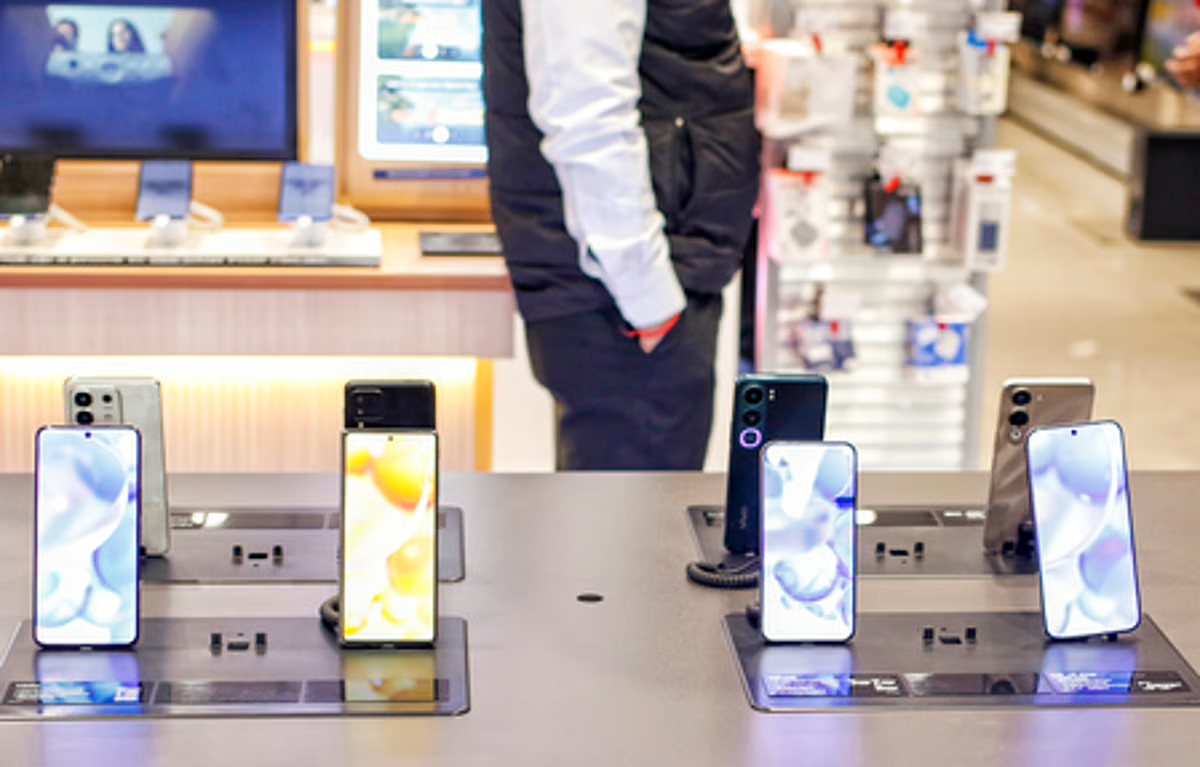
Rising memory costs and wary consumer trends in the first half of 2026 have sparked fears of a muted festive season in 2026 as half of the retailers in a recent market survey anticipate a decline in sales. While higher per-phone prices are holding up rupee turnover, retailers worry about survival by December 2026. Following reports of cautious purchases by customers in the face of rising memory costs, the All India Mobile Retailers Association (AIMRA) and Techarc market research found that 49 per cent of the 1,126 retailers interviewed had already reported a business decline in the first six months of the calendar year. 61 per cent retailers said they sold fewer smartphone units between January and June 2026 than during the same period in 2025. Conversations with local retailers in Mumbai revealed that while the footfall of smartphone customers remains unchanged, the enthusiasm to buy the devices has lessened compared to last year. This trend is common across both small and large retailers.“Memory costs have pushed up smartphone prices but customers do not want to move beyond their budget range. Some look for discounts or alternative options, while others leave without making a purchase,” said a Vijay Sales employee in Thane, speaking on condition of anonymity. Another local retailer in the area voiced the same concern, nothing that customers were walking out of the shop without making a purchase. When asked about festive season expectations, both retailers adopted a wait-and-watch approach.“This report confirms what many of us have felt at the counter through the first half of 2026: rising memory and component costs are pushing phone prices beyond what our customers can afford, and it is volume — the number of handsets we sell — that is quietly bearing the brunt, even where rupee turnover appears steady,” said Kailash Lakhyani, Founding Chairman, All India Mobile Retailers Association (AIMRA) in the Retailer Pulse report. Overall, 50 per cent of retailers worry about festive season sales. Meanwhile, 48 per cent of retailers are worried that their business would not survive until the end of 2026. This is concerning given that retailers are expected to be the final influence on purchase decisions amidst current price uncertainties, as per Counterpoint Research. Changing levers While smartphone sales declined in terms of volume, purchase value held its ground with 43.7 per cent reporting higher value, as per the Pulse report. In response to this trend, brands are now realigning their portfolio towards higher-value products rather than entry-level phones, industry sources told businessline. This means the worst of the sales decline will be borne by retailers operating in the base-to-mid price smartphone segment . Already, 81 per cent of retailers expect the ₹10,000–30,000 mass market to bear the most pressure in H2, according to the Pulse report. Sub-₹1 crore and single-independent outlets show the highest survival risk and the least value cushion. Meanwhile, chains and larger stores are weathering the situation better, largely due to the growing dependence on smartphones, as per Counterpoint Research. “Consumers’ dependence on smartphones has grown significantly, leading to a clearer understanding of the features and experiences they value. Against this backdrop, price increases are driving shifts in consumer purchase plans, creating opportunities for brands with strong pull, especially in the mid-to-premium segment. Brands offering a balanced portfolio across adjacent price bands are likely to benefit from this movement,” said Arushi Chawla, Senior Analyst, Counterpoint Research, in its recent report. The research firm reported that 54 per cent of smartphone buyers refused to stretch their budget for smartphone purchases, with 25 per cent of consumers opting to delay their purchases. The remaining 29 per cent consumers looked for alternative solutions like refurbished devices within the planned budget. While Counterpoint Research stressed that the largest cohort of 46 per cent of consumers are willing to stretch their budget within the next six months for preferred smartphones, a combined reading with the retailer report and the counterpoint findings shows that the willingness has failed to translate into actual purchases so far. Retailer remedyFaced with the possibility of a muted festive season, 53 per cent of retailers have asked that the government to reduce the GST on smartphones as well as import duty. Another 37 per cent retailers asked brands to absorb part of the cost in the entry-level segment (sub-₹10,000) and expand no-cost EMI. If these interventions are implemented, “a more confident festive outlook should show up alongside fewer retailers flagging real survival risk — confirming the effect reaches the shops that need it most, not only the largest chains,” said AIMRA. Published on July 26, 2026