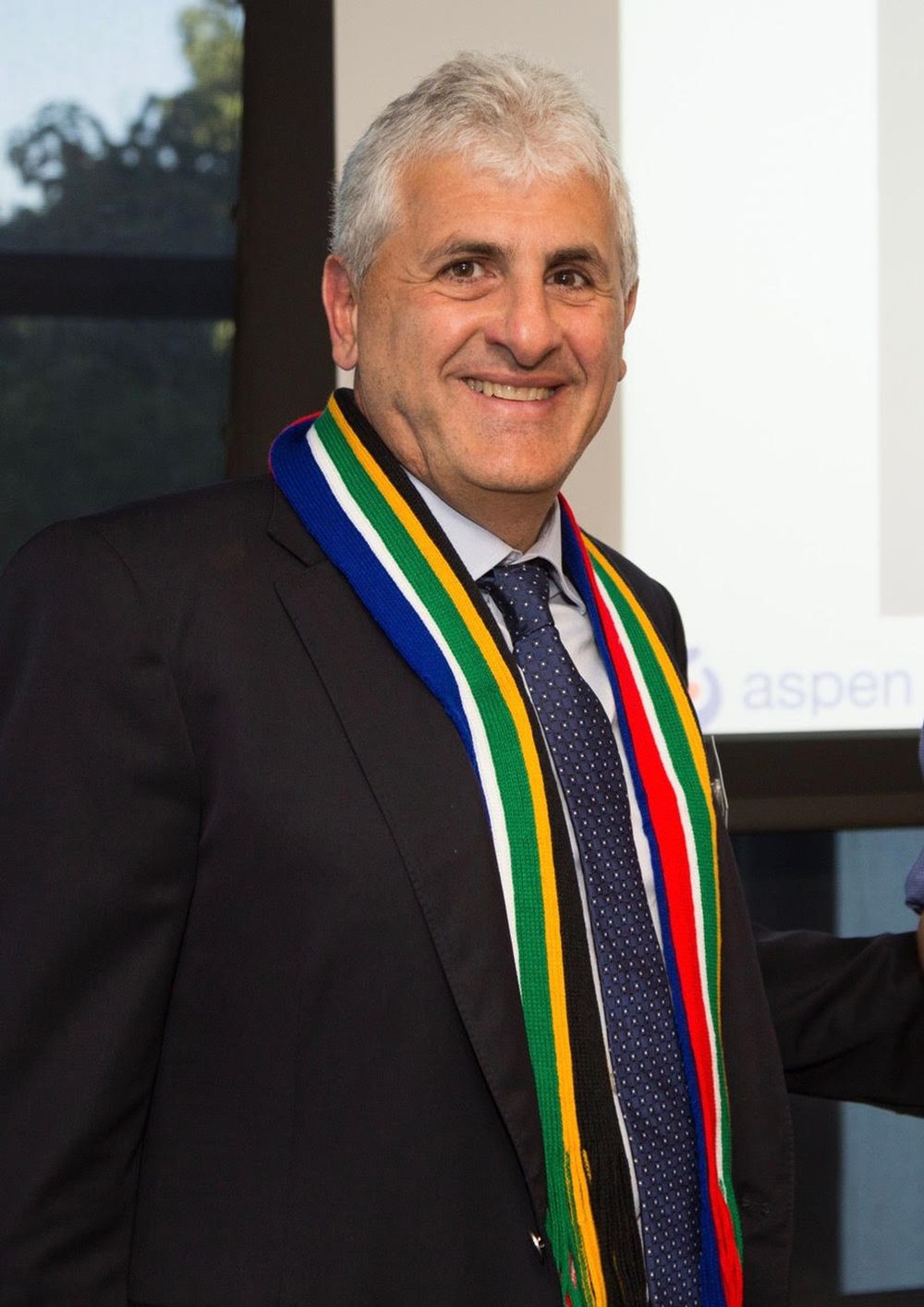
Aspen Pharmacare has positioned itself as one of the key African suppliers of Merck’s experimental once-a-month HIV-prevention pill, saying it expects it to have wider appeal than the long-acting injectables already on the market. Merck announced on Friday that Aspen is one of seven generic pharmaceutical manufacturers that have been licensed to manufacture alimatravir. Its decision to issue voluntary licences before final phase 3 clinical trial results are announced is not only a mark of the optimism about the drug’s potential but also a deliberate move to try to ensure stocks of the medicine are available as soon as it gets regulatory approval. The generic manufacturers — three in Sub-Saharan Africa and four in India — will supply 129 low- and middle-income countries.“It’s one tablet, once a month. It takes one hour to work, and you have one week’s forgiveness,” said Aspen Pharmacare’s head of strategic trade Stavros Nicolaou. “In my view it’s a superior product to lenacapavir [the twice-yearly HIV-prevention shot], but there is still a position for injectables,” he said, adding that oral medicines may be easier to rollout at scale, as they won’t require administration by a healthcare worker.Merck’s announcement came shortly before the 26th International Aids conference gets under way in Rio de Janeiro this week, which is expected to cast the spotlight on the devastating impact of the ongoing cuts to foreign aid and the obstacles to getting promising new drugs such as lenacapavir to the people who need them the most. Merck’s licensing strategy stands in sharp contrast to that employed by Gilead, which has drawn criticism for not awarding any licences for lenacapavir to pharmaceutical manufacturers in Sub-Saharan Africa, the region hardest hit by HIV. The South African National Aids Council said in March that it was working with Gilead to identify local manufacturers capable of making the shot but has yet to make any further announcements. South Africa has limited supplies of lenacapavir, paid for with money from the Global Fund to Fight Aids, TB and Malaria; the shots are only available in six provinces and are only provided to public sector patients. Nicolaou declined to be drawn on the potential price of alimatravir. The licence is royalty-free, and the tablets will be provided to public and private sector patients, he said.Two phase 3 trials are under way: Expressive-10 is evaluating the pill in adolescent girls and young women in South Africa, Kenya and Uganda, while Expressive-11 is testing it in men who have sex with men and transgender men and women and nonbinary people in 16 countries. The trial results are expected in the first quarter of 2027. Health activists expressed dismay that Merck’s announcement excludes many countries in Latin America and called on the governments of those countries to break Merck’s patents and issue compulsory licences. The exclusion of several countries that are participating in its phase 3 clinical trial — Brazil, Peru, Argentina, and Colombia — violated the ethical principle that participants in scientific research must benefit from it, said a coalition of activist organisations that includes Health GAP and the Health Justice Initiative (HJI).Health GAP executive director Asia Russell urged Merck to commit to a public price of $4.50 per year and supply at least 6-million people while it is the sole manufacturer — should the drug pass phase 3 trials and be approved by regulators. “Merck must commit not to make the same mistake as Gilead, which is choosing unnecessary, artificial scarcity that will prolong the HIV pandemic,” said HJI executive director Fatima Hassan.• Kahn’s travel to the 26th International Aids Conference was sponsored by the International Aids Society.
Aspen positions itself as key African supplier of Merck HIV pill
South African drugmaker among seven manufacturers selected to supply 129 lower-income countries
602 words~3 min read