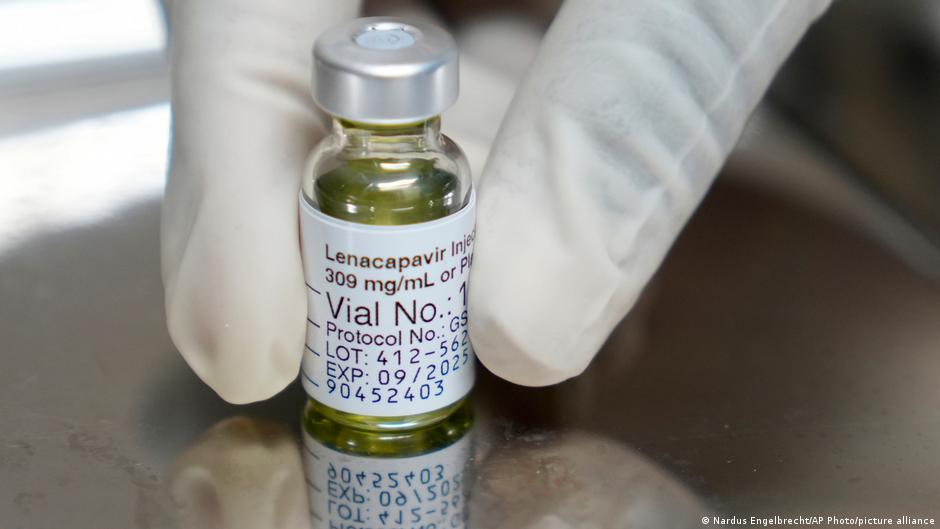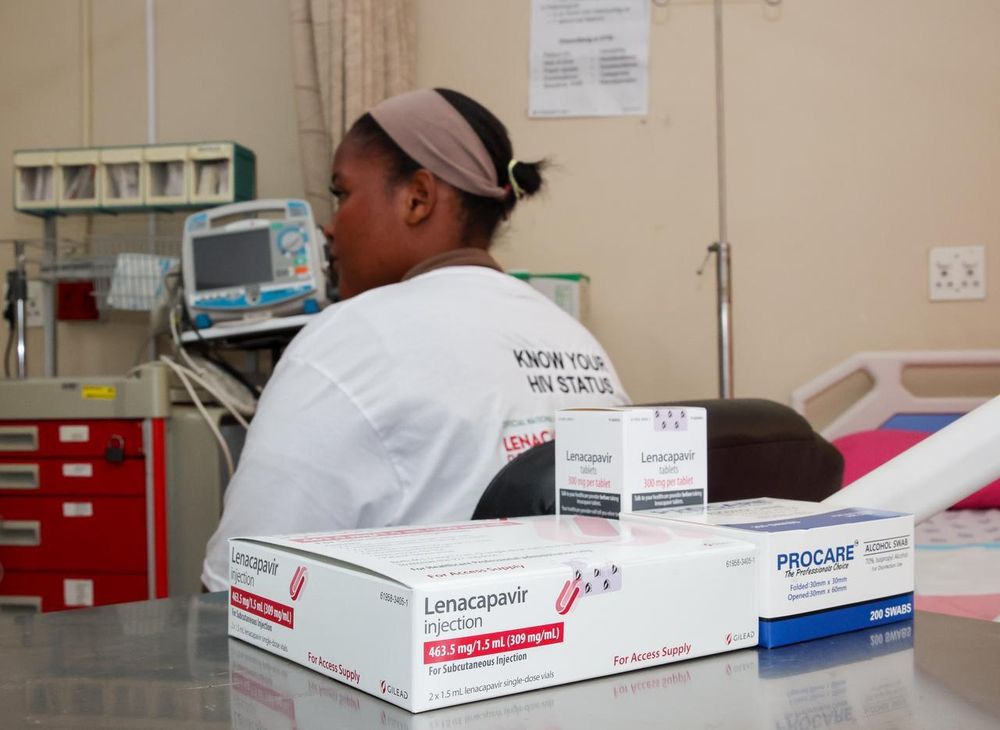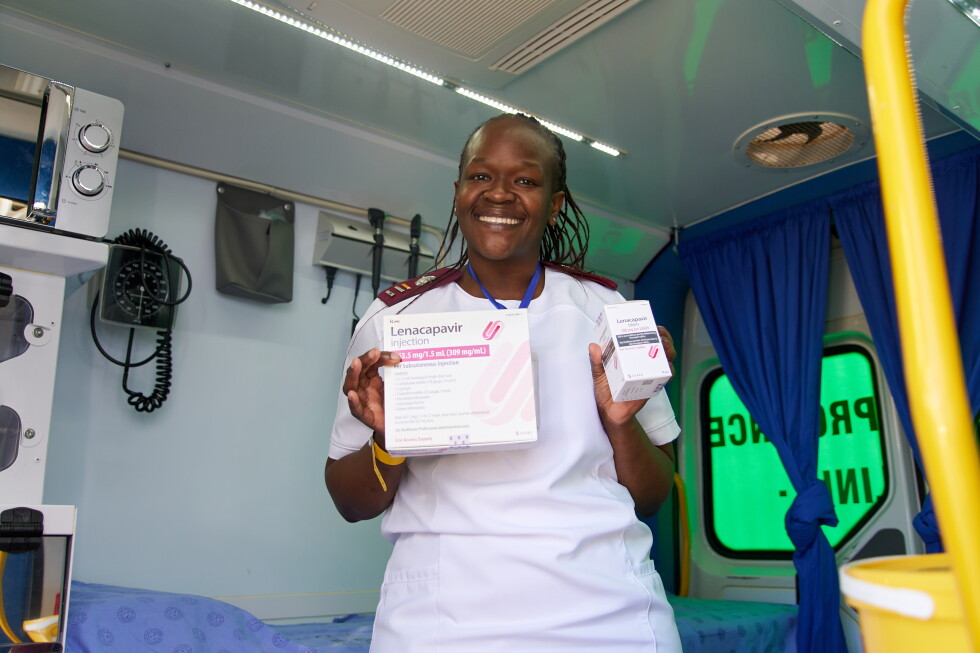
Researchers say South Africa's rollout of the long-acting HIV prevention injection Lenacapavir has the potential to transform HIV prevention, but warn that equitable access and stronger community-based healthcare will determine its success.
South Africa's rollout of the world's first twice-yearly HIV prevention injection could fall short of its promise unless longstanding barriers to healthcare access are addressed, researchers and public health experts warned during a Rural Health Advocacy Project (RHAP) webinar on Wednesday.
Speaking during a webinar hosted by the Rural Health Advocacy Project (RHAP), the experts said that while the introduction of long-acting injectable pre-exposure prophylaxis (PrEP), known as Lenacapavir, marked a major breakthrough in HIV prevention, longstanding barriers within the country's health system still threatened to keep many vulnerable people from benefiting from it.
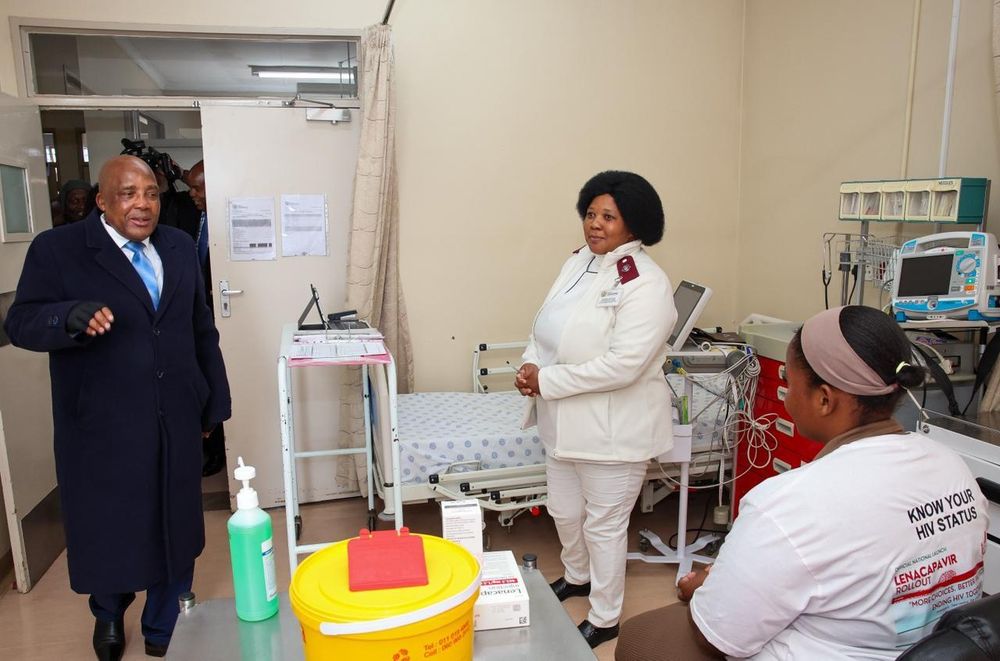
South Africa officially launched the rollout of Lenacapavir on June 5, becoming one of the first countries globally to introduce the injectable HIV prevention medicine through its public health programme.
The Western Cape is among the provinces where implementation has begun at selected health facilities, with the initial rollout prioritising adolescent girls and young women, sex workers, men who have sex with men, and transgender people.