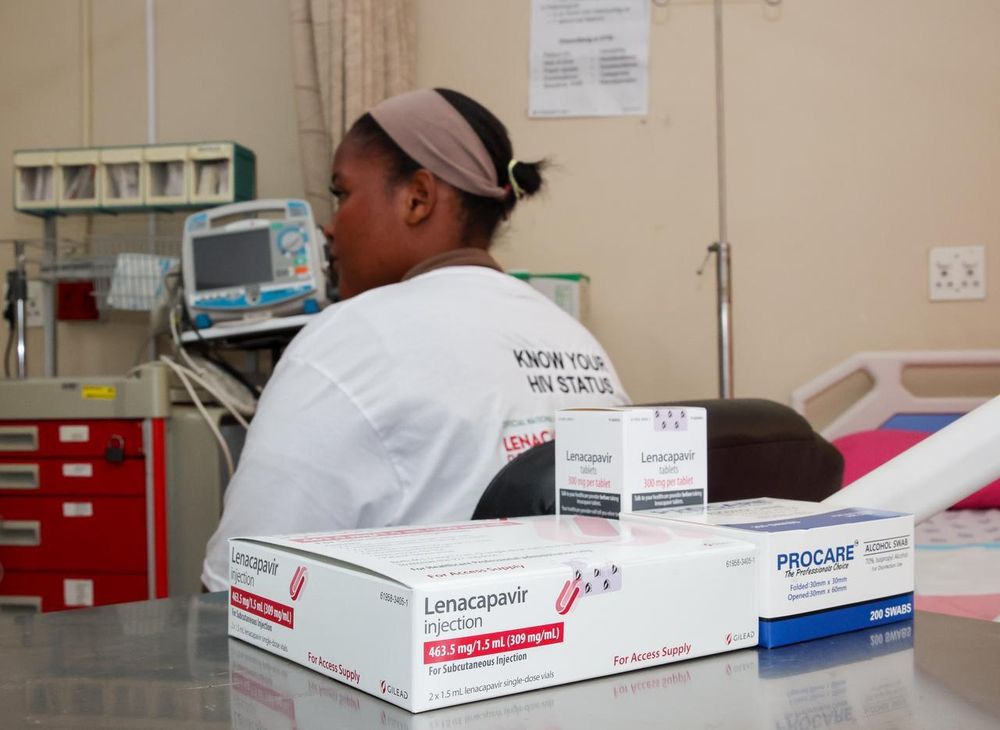
Malawi – Patrick Chakwana, 50, has lived with HIV since 1999, when there was no effective treatment and the message to those diagnosed was blunt: "AIDS Kills". Today, as Malawi becomes one of the latest African countries to launch Lenacapavir, a twice-yearly injectable drug that prevents HIV infection, Chakwana's reaction is one of hope, tempered by caution.
Issued on: 18/07/2026 - 12:35
4 min Reading time
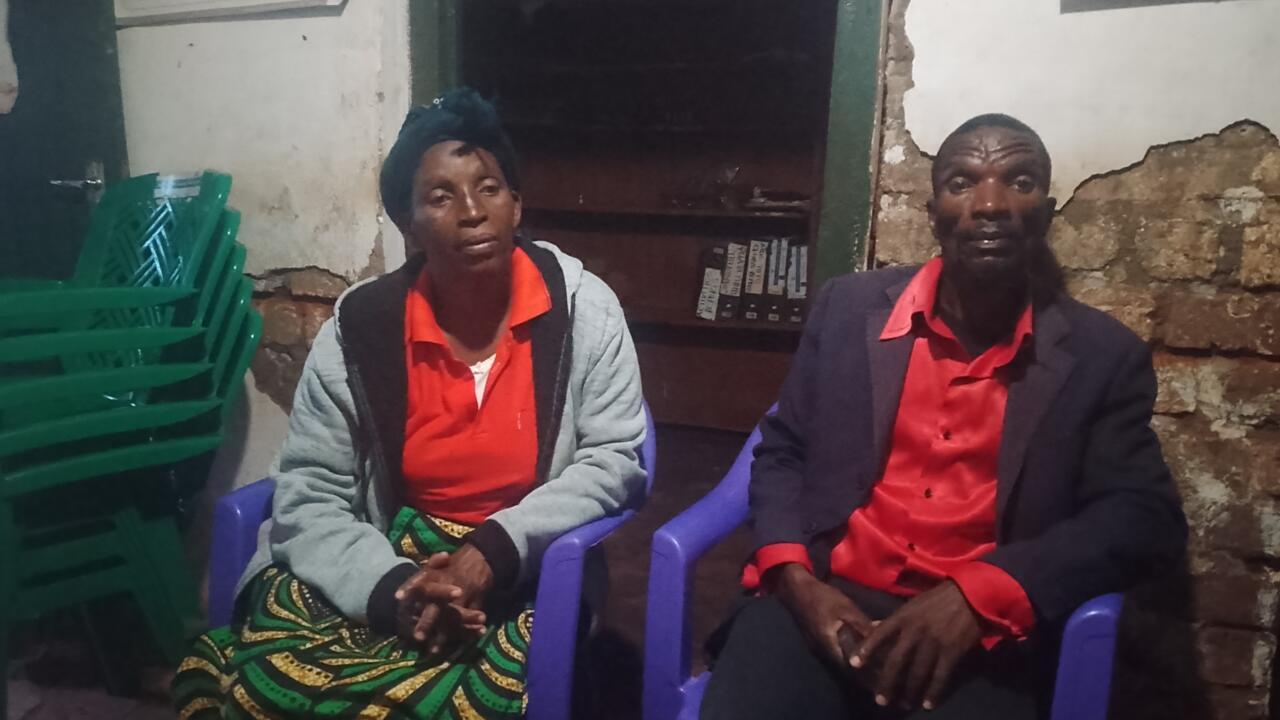
"I've faced stigma from the community and workplaces," the soft-spoken man, who sat at a desk in a small office off the road connecting the tea-growing district of Thyolo with the commercial city of Blantyre, told RFI in an interview. Chakwana came out publicly with his status immediately after diagnosis, informing his workmates and community. The backlash from his employer was swift. "When I revealed my HIV status, my boss said I would die, and it was the counselling I received from MSF (Médecins Sans Frontières) that kept me sane," he said. "When they learnt that I was attending meetings, I was taken to the police on the pretext that I wanted to destabilise the company."
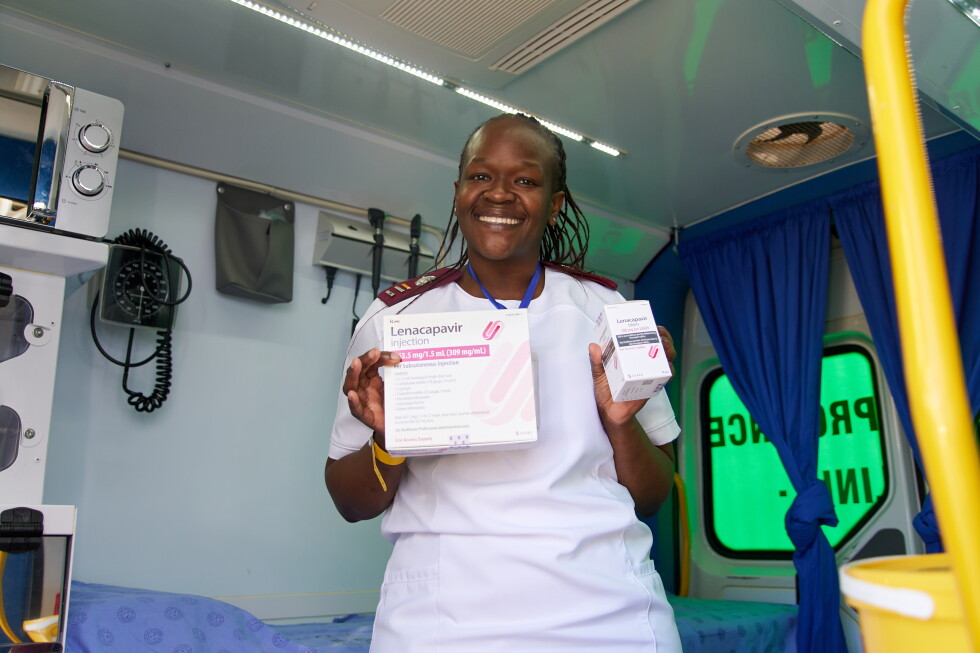
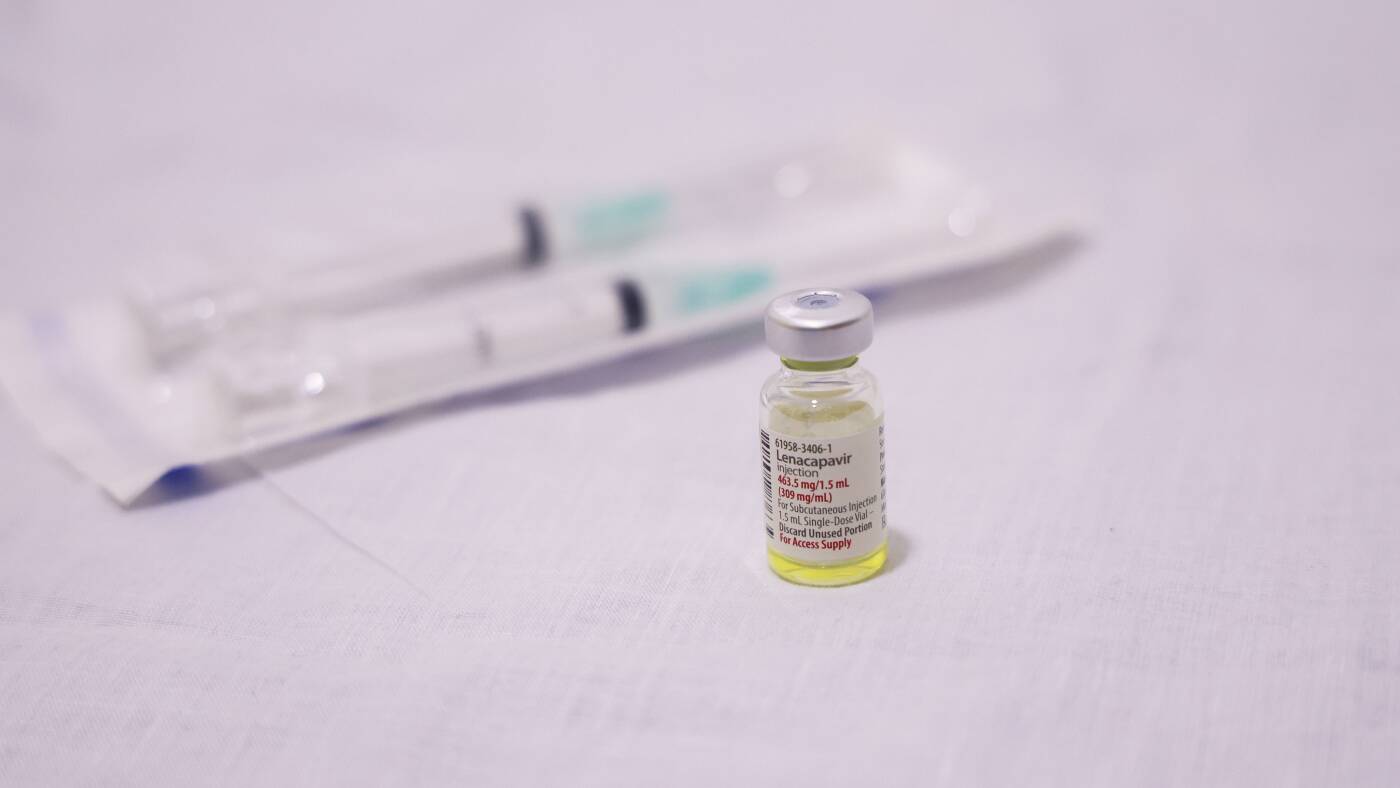
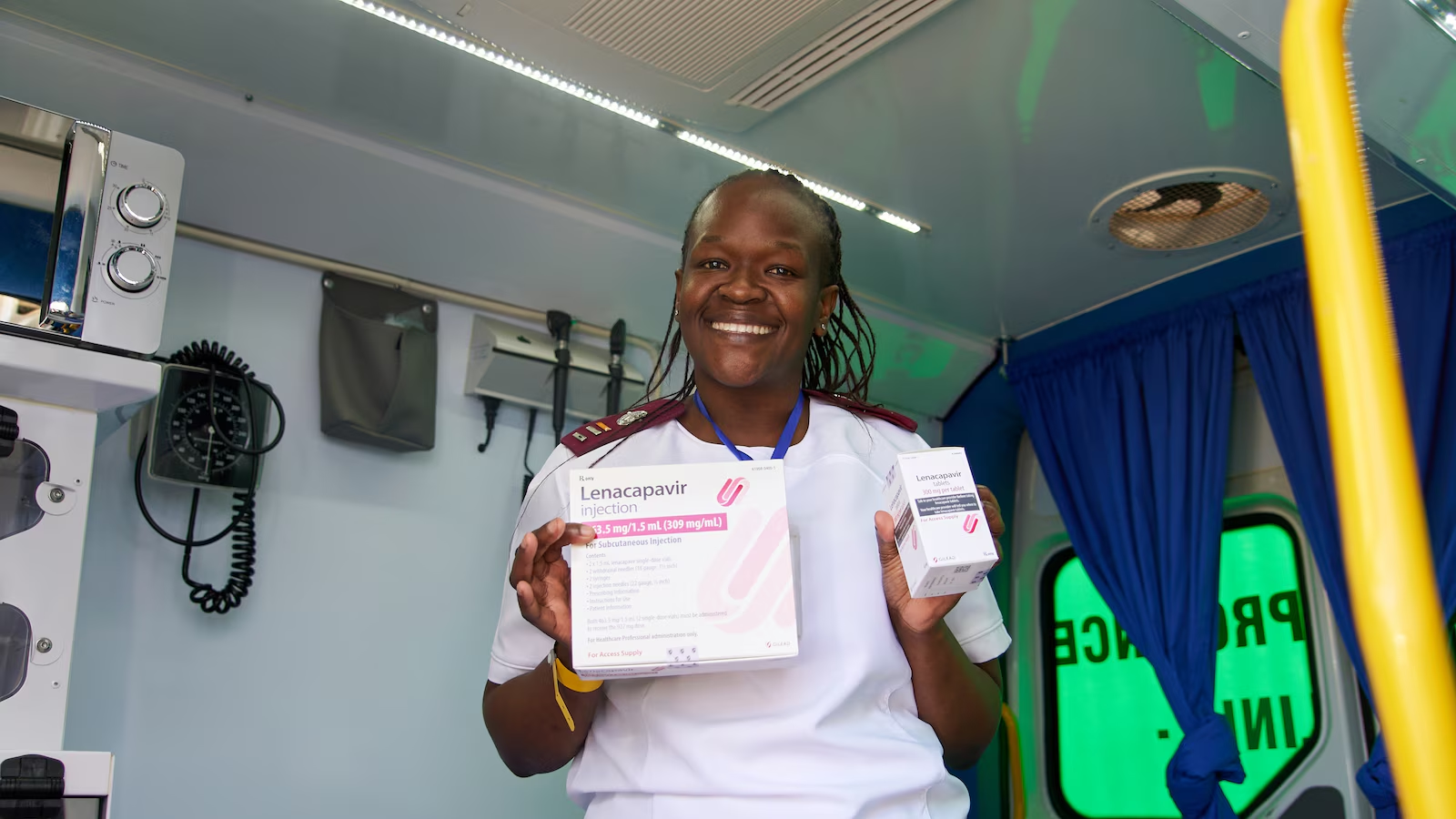
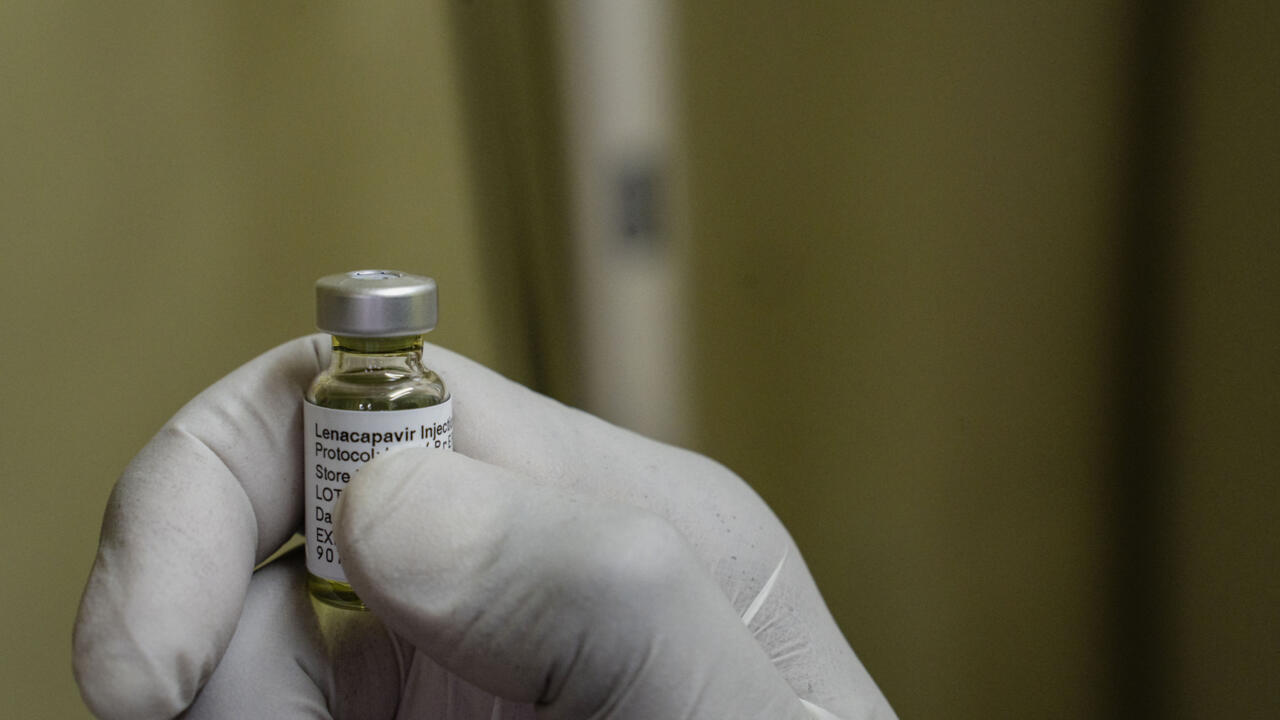
A vial of Lenacapavir, a drug taken twice a year that has been shown to reduce the risk of HIV transmission by more that 99.9% is held by a nurse at the Phedisong clinic in Ga-Rankuwa, north-west of Pretoria, on December 2, 2025. Lenacapavir, a drug taken twice a year that has been shown to reduce the risk of HIV transmission by more that 99.9% was administered as part of an implementation study by a Wits University research unit which is funded by the international health agency Unitaid. (Photo by Ihsaan Haffejee / AFP) AFP - IHSAAN HAFFEJEE