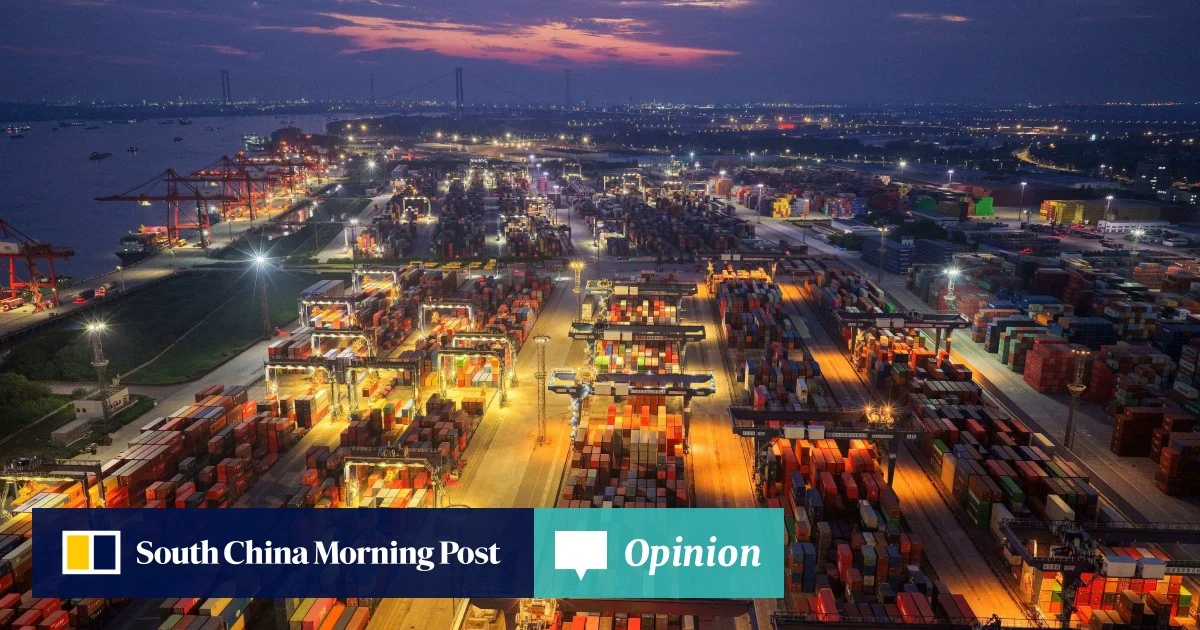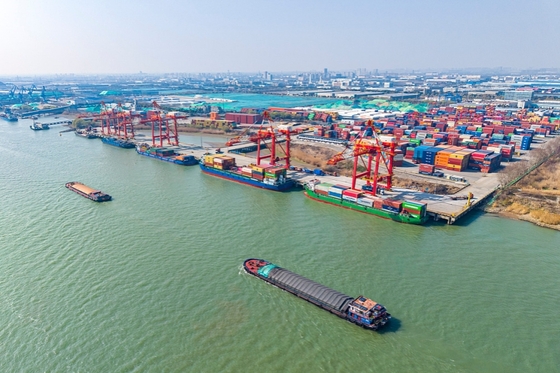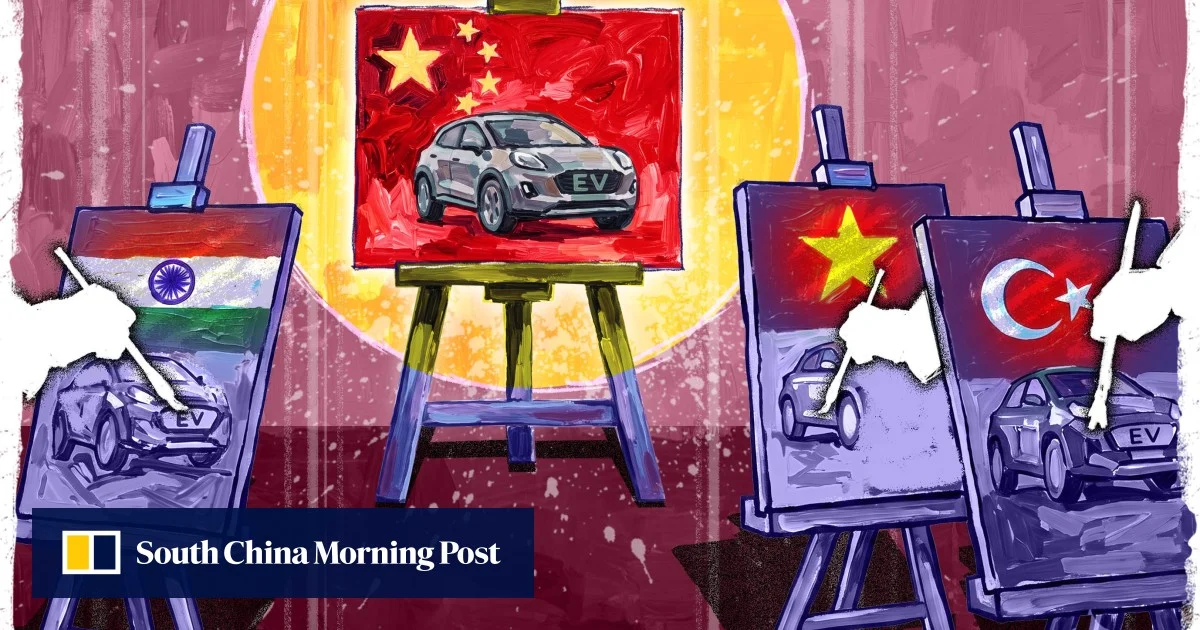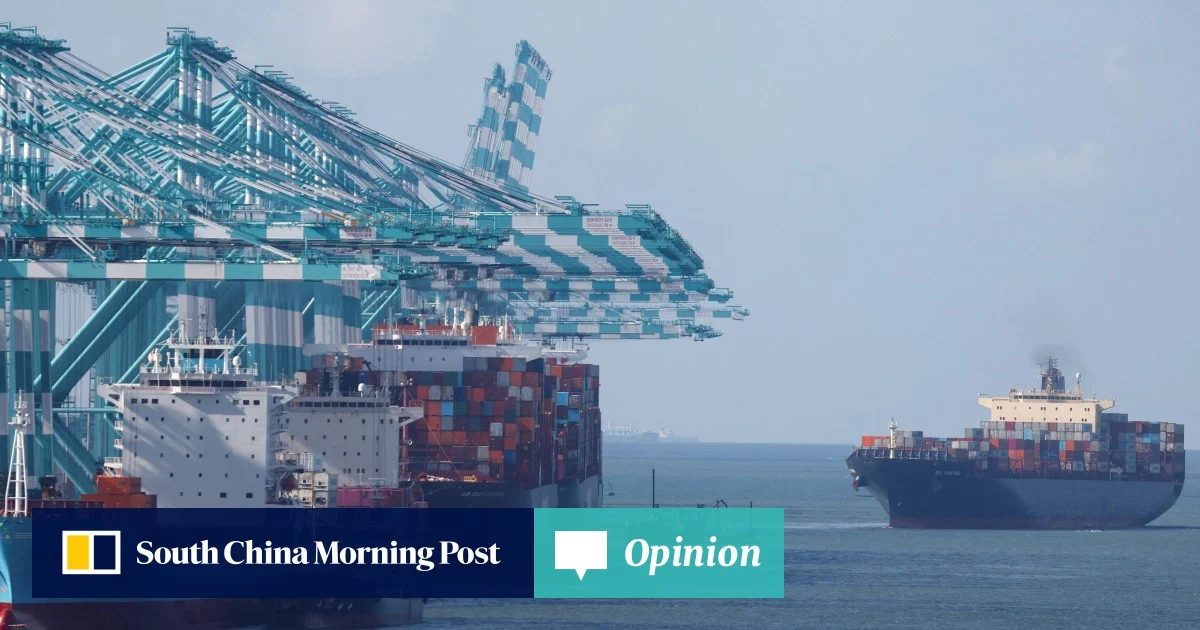
China’s rapid rise as an exporter of advanced products — including electric vehicles, photovoltaics and batteries — is dominating headlines. Less appreciated is that as these high-tech, high-skill exports expand, China’s dominance in global markets for low-tech, labour-intensive goods has been much slower to decline compared to the cases of East Asian predecessors like Japan and South Korea. This has considerable implications for industrialisation in Southeast Asia’s emerging economies.
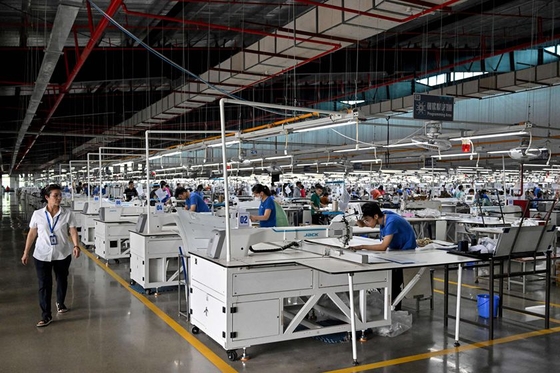
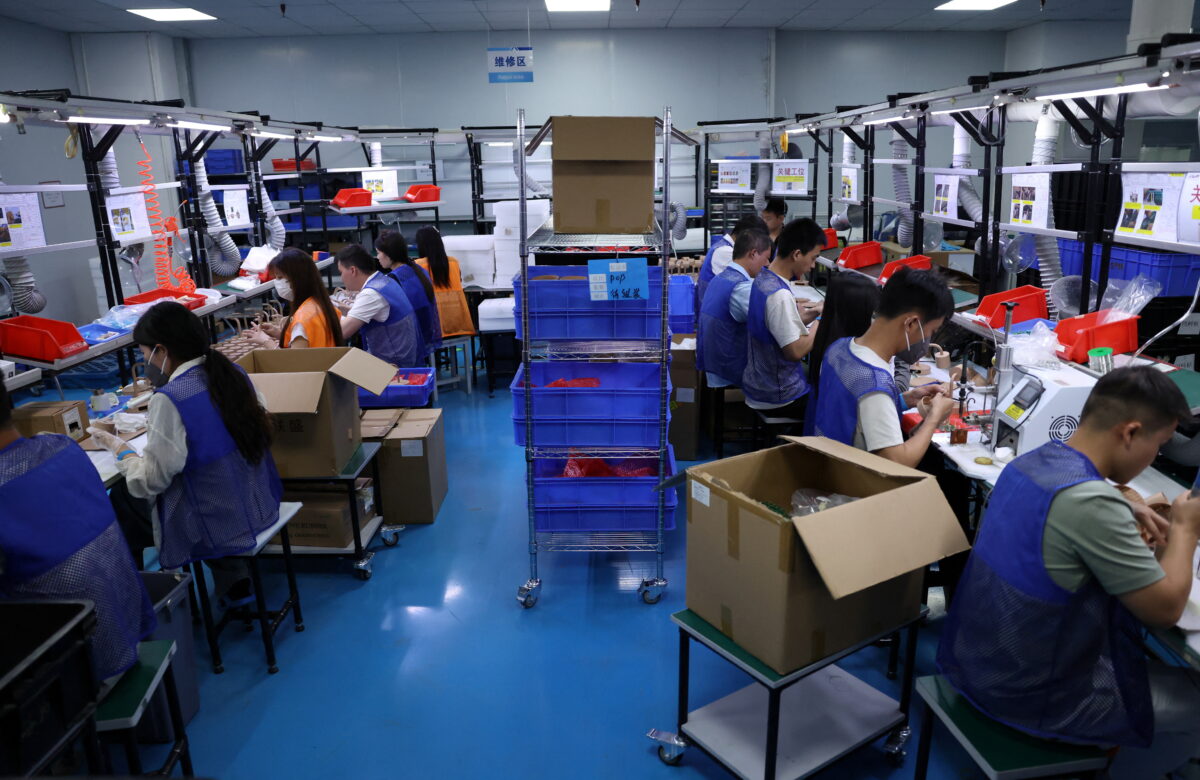
Despite rising labour costs and a declining blue-collar labour force, China still accounts for roughly one-third of global apparel and footwear exports and it remains the leading exporter of many assembled final goods like electrical equipment and consumer electronics. This reflects China’s ‘dual circulation’ strategy for an autonomous manufacturing economy. The Made in China 2025 strategy declares Beijing’s intent to make China a ‘manufacturing powerhouse’ in response to ‘the severe challenge of a “two-way squeeze” from developed countries and other developing countries’.
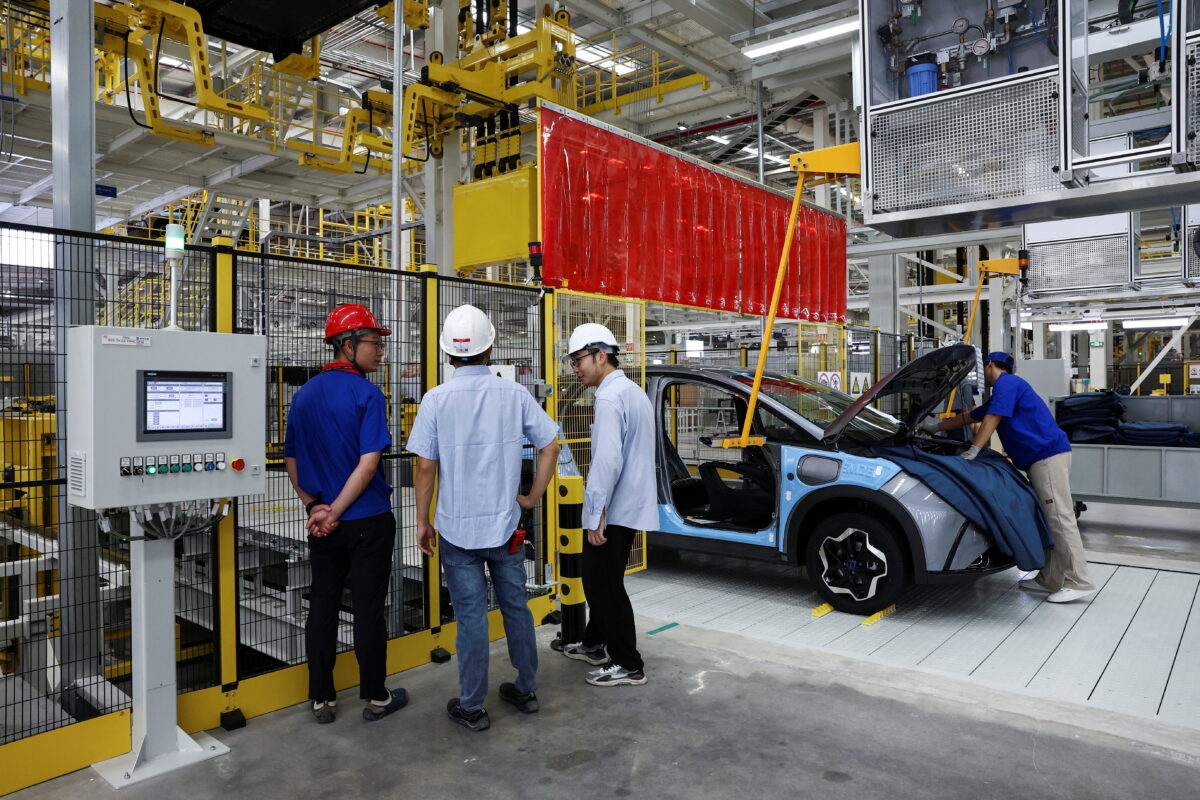
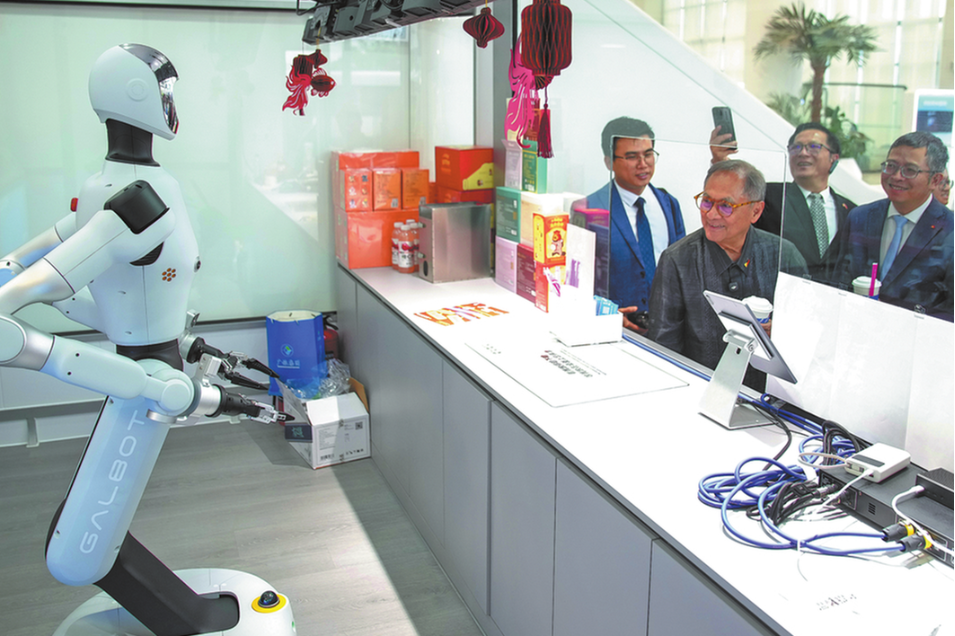
Made in China 2025 industrial subsidies target high-end industries like automobiles, robotics and tech-intensive intermediate goods. Income growth and supportive policies have dramatically increased China’s tertiary-educated labour force, meeting a necessary condition for increases in industrial sophistication. Other industrial policy initiatives aim to domesticate the entire manufacturing supply chain, such that knowledge spillovers and other externalities in high-tech industries are passed downstream as lower prices for inputs and capital equipment.