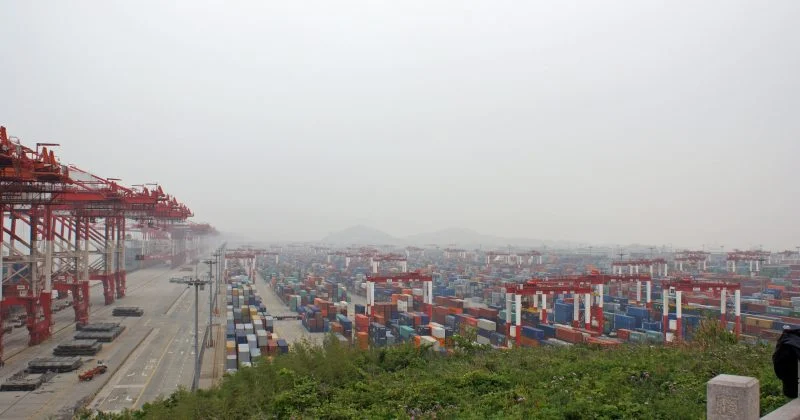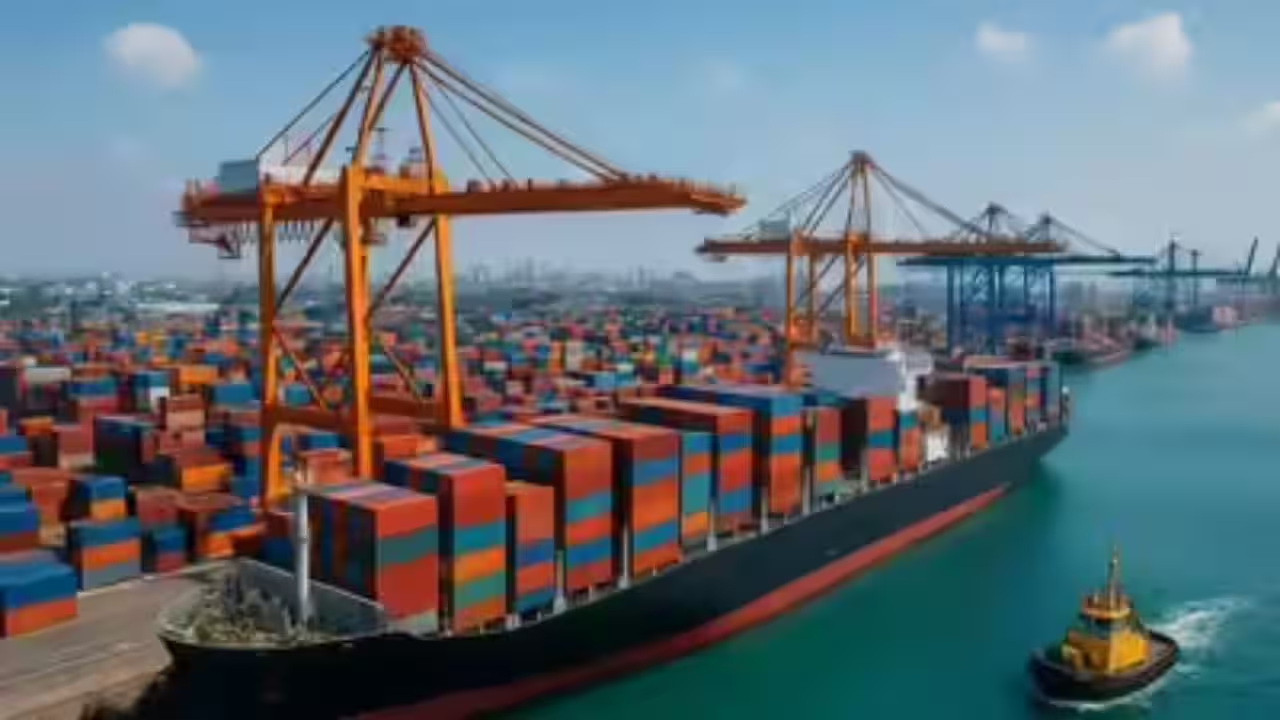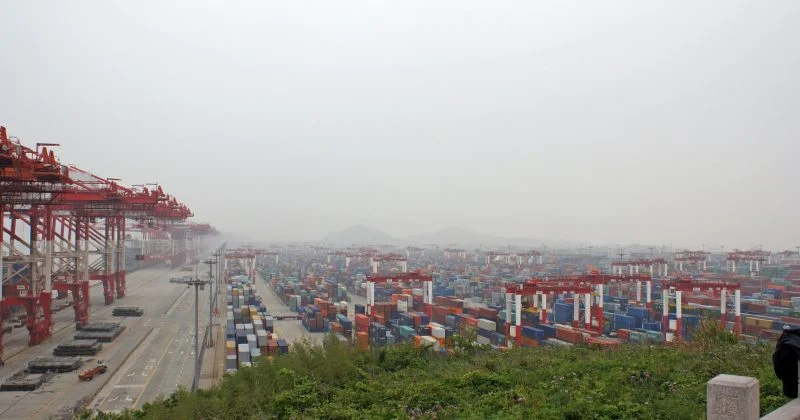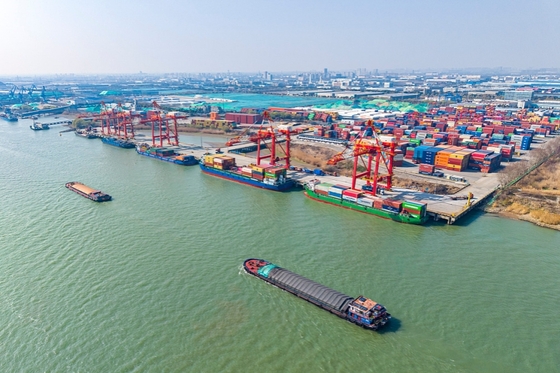
1. In the first two months of 2026, China’s goods exports reached 4.73 trillion yuan ($689.12 billion), marking a significant year-over-year rise of 21.8%. Imports also increased by 19.8% to 3.19 trillion yuan. These figures reflect a strong and resilient export performance at the beginning of the year, surpassing expectations [para. 1].2. The robust start for Chinese exports is attributed partly to a temporary boost from the global manufacturing recovery and the Lunar New Year’s timing, but also points to deep structural shifts. China’s export growth now relies on new, evolving fundamentals rather than just short-term economic cycles [para. 2].3. One key factor in China’s evolving export story is the diversification of its markets. China is gradually moving away from a reliance on developed economies. Instead, its exports to regions like ASEAN, Latin America, and countries within the Belt and Road Initiative are becoming a larger share of the total, resulting in a more balanced, multi-market export landscape [para. 3][para. 4].4. This diversification has increased the stability of China’s export ecosystem, making it less vulnerable to shocks from trade tensions, geopolitical disputes, or shifting global demand patterns. The ability to absorb external shocks is thereby improved [para. 5].5. Another fundamental change is the ongoing upgrade in China’s export product portfolio. The country is transitioning from primarily shipping traditional consumer goods to exporting more mid-to-high-end intermediate products and capital goods. Advanced manufacturing, mechanical equipment, electrical components, and critical parts now represent a growing portion of exports [para. 6][para. 7].6. As a result, China is shifting from its historical role of “final assembler and consumer goods supplier” toward becoming a core global supplier of key production components. This pivot strengthens its integration within global value chains and makes export trends less dependent on fluctuations in consumer demand alone [para. 8].7. The strong 2026 export performance was underpinned by global trends, namely, the recovery in world manufacturing and a surge in artificial intelligence (AI) infrastructure investment. The global manufacturing Purchasing Managers’ Index (PMI) reached 51.9% in February, the highest in 44 months. Major economies, including the U.S., Eurozone, and Southeast Asia, recorded expansionary PMIs, indicating rising global industrial demand [para. 9][para. 10].8. The boom in global AI infrastructure has produced soaring demand for semiconductors and data center equipment. China saw integrated circuit (IC) exports jump 72.6% year-over-year in the first two months. Similarly, South Korea’s semiconductor exports rose 160.8% in February, surpassing 144 billion yuan ($20 billion) for three straight months [para. 11][para. 12].9. Seasonal factors also played a role. Because the Lunar New Year occurred late in February 2026, there was a pre-holiday rush, with companies accelerating shipments before the break. January exports grew by 10.0%, and February by 39.6% year-over-year. However, this front-loading is expected to cause a slight export slowdown in March [para. 13][para. 14][para. 15][para. 16].10. Non-U.S. markets were the primary drivers of Chinese export growth, with exports to Africa, ASEAN, the EU, and South Korea rising by 49.9%, 29.4%, 27.8%, and 27.0%, respectively. In contrast, exports to the U.S. fell 11.0%, reflecting ongoing trade tensions and supply chain shifts. Even accounting for 2025’s surge, exports to the U.S. declined 8.4% from 2024 levels [para. 17][para. 18][para. 19].11. China’s export transition is further seen in product categories. Exports of mechanical, electrical, and high-tech goods grew strongly by 27.1% and 26.9% in January-February. Integrated circuits, automobiles, and ships posted especially high growth rates, while exports of rare earths, mobile phones, and steel declined due to structural and cyclical pressures [para. 20][para. 21].AI generated, for reference only
Commentary: AI Boom and the Global South Fuel China’s Export Revival
Despite decoupling efforts from Washington, Chinese semiconductors and capital goods are finding eager buyers across industrializing emerging markets
586 words~3 min read