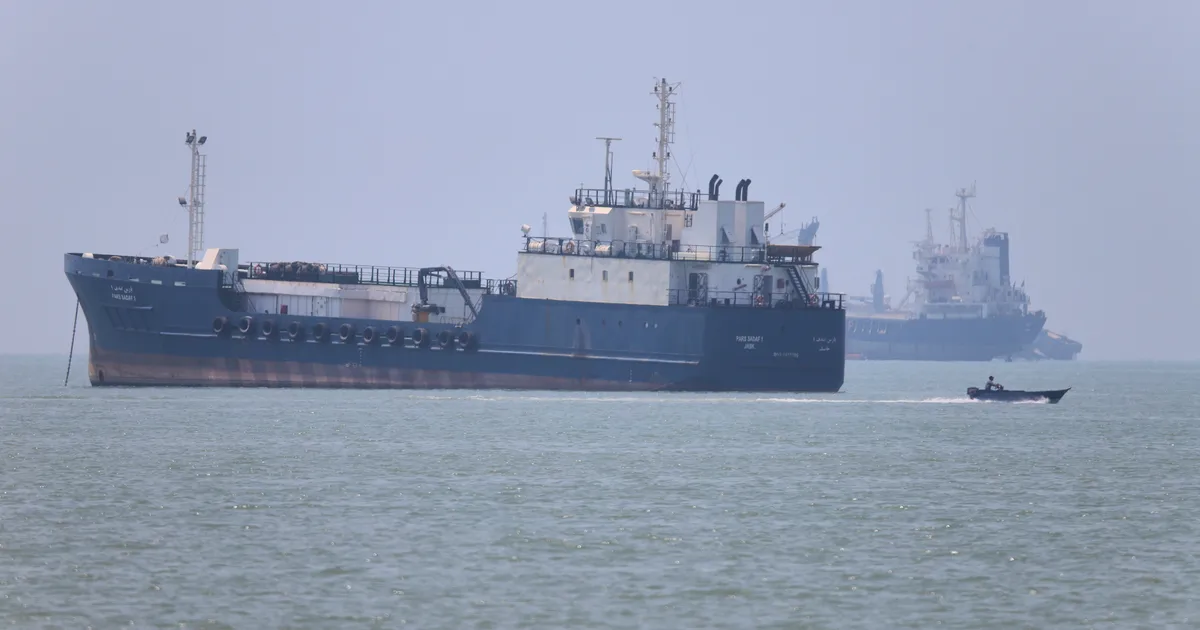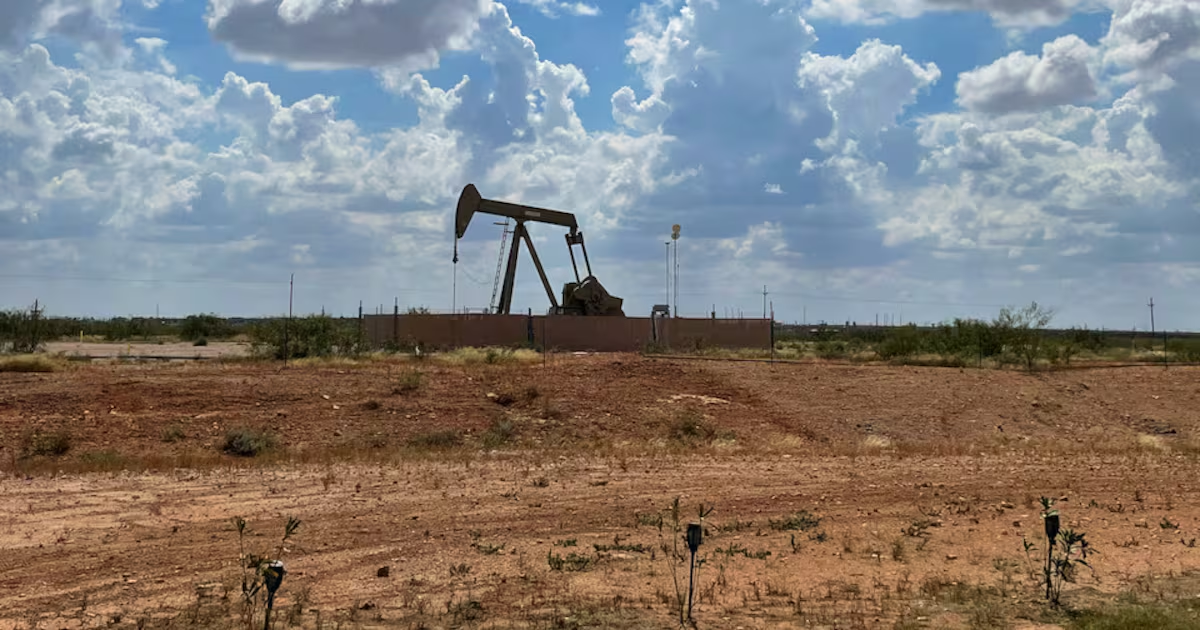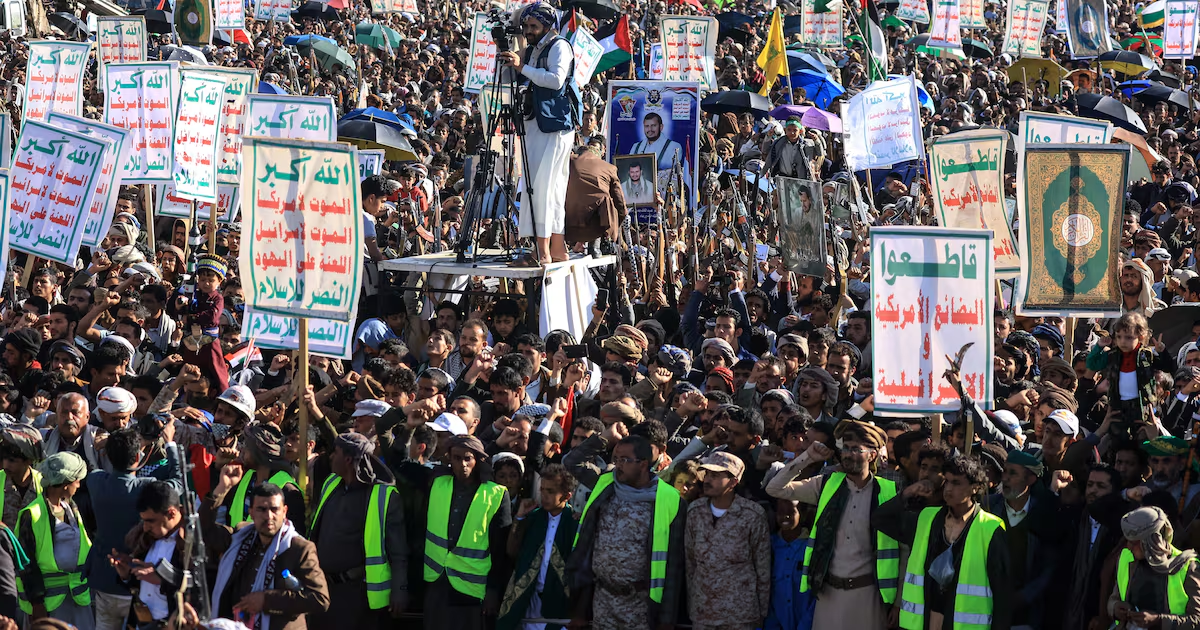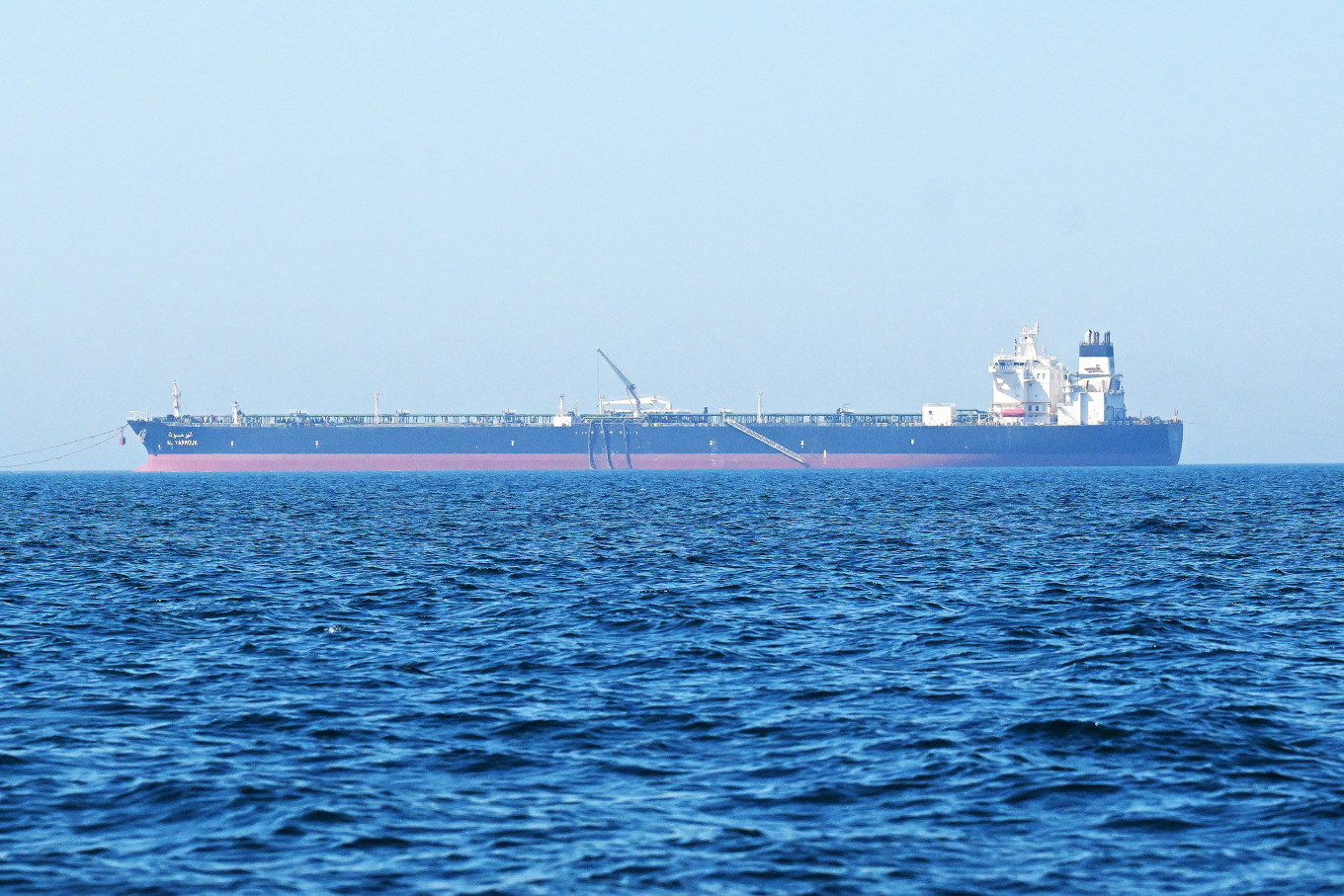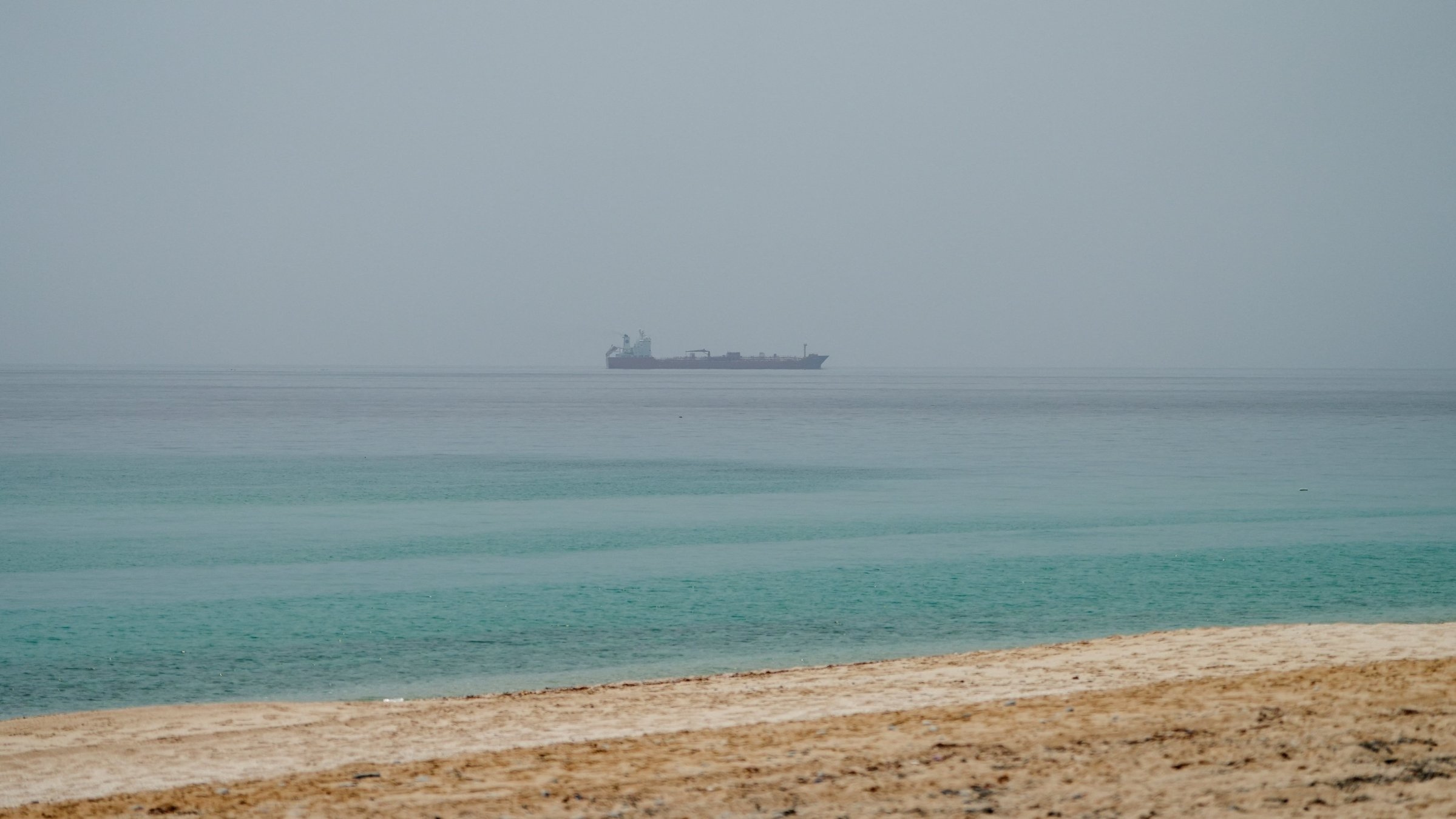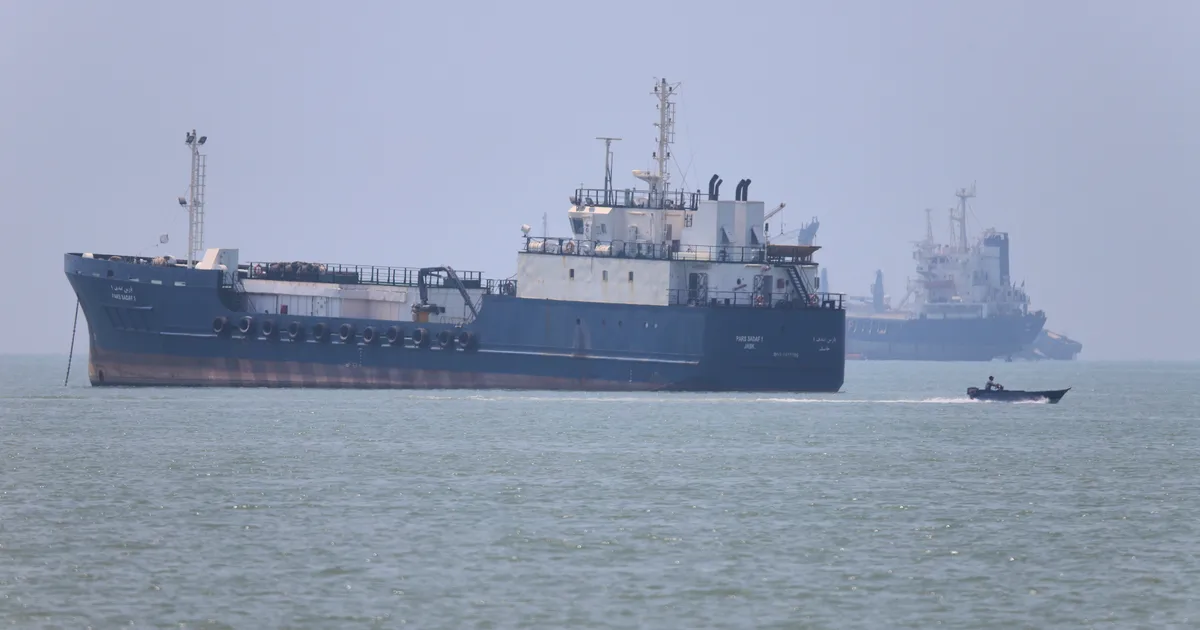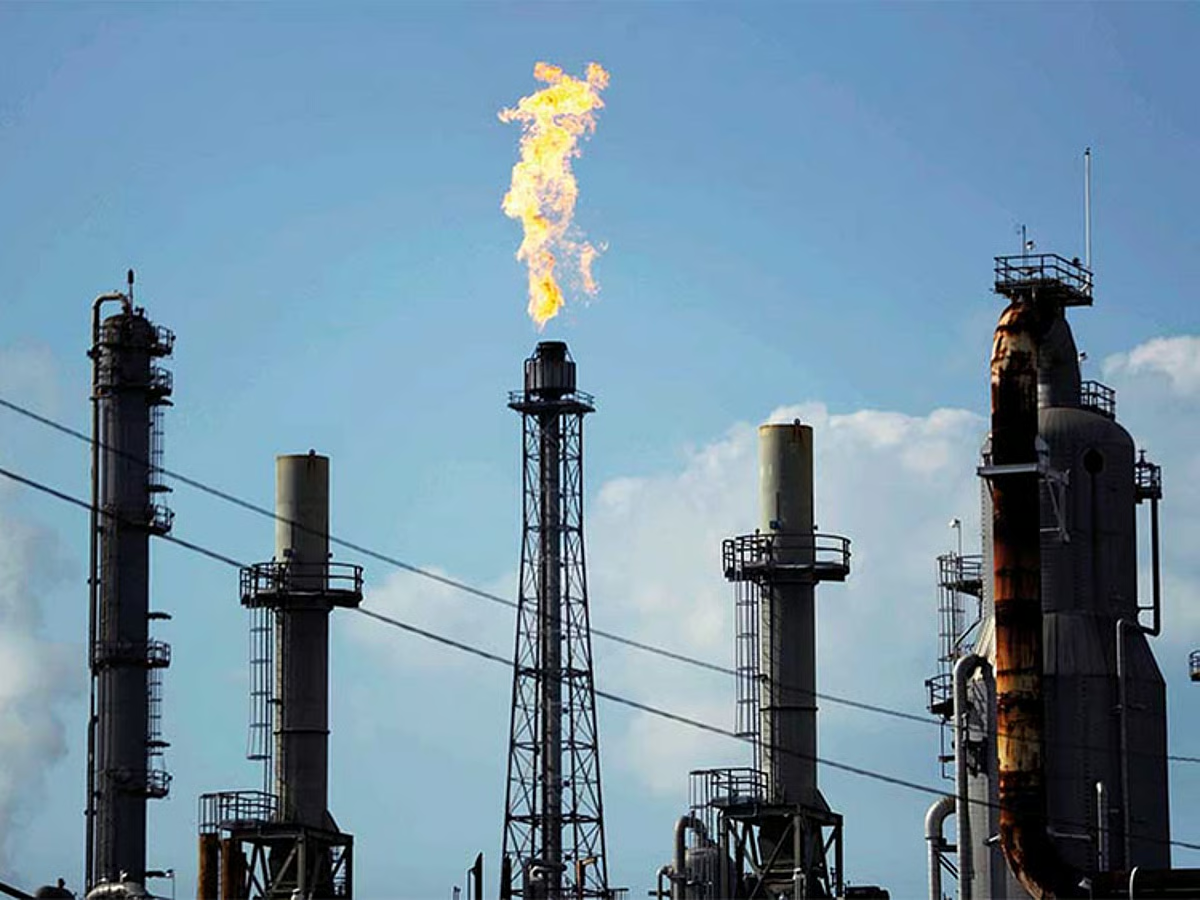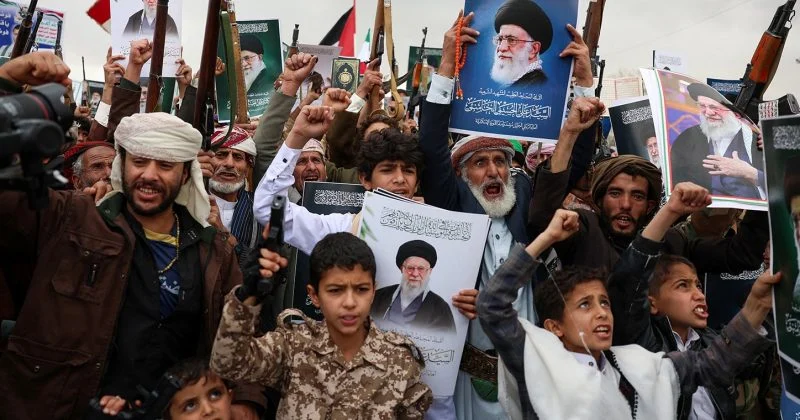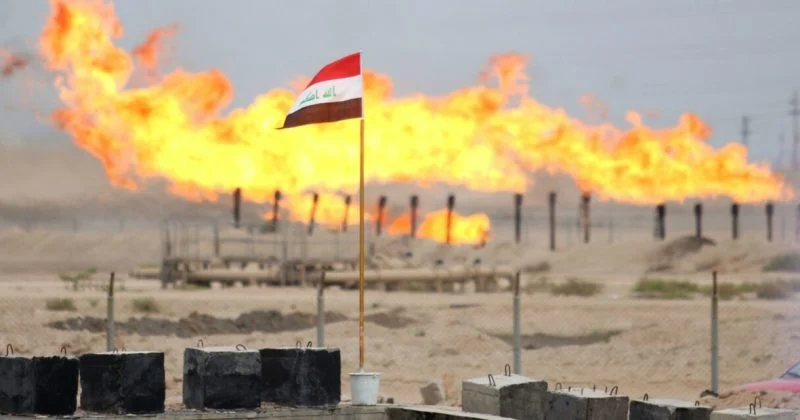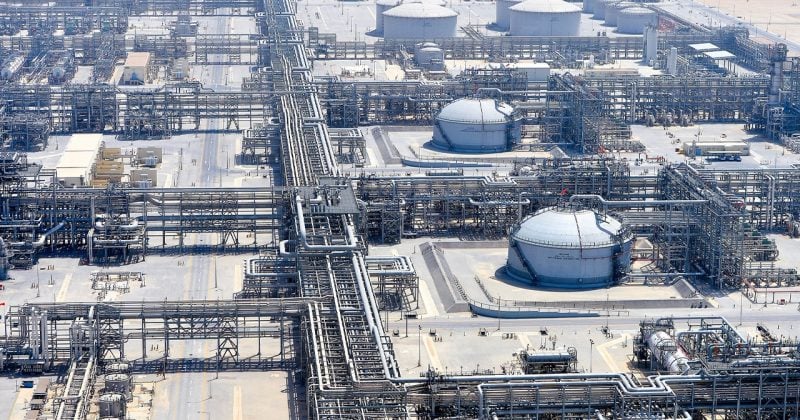
Houthi forces launched a series of strikes on Saudi oil infrastructure between July 22 and 25, targeting tankers and Aramco facilities along the Red Sea coast. Gulf equity markets slid in response, crude oil blew past $100 per barrel, and Bitcoin dropped below $65,000 as traders across every asset class scrambled to reprice risk.
When roughly 12% of the world’s seaborne oil trade flows through a single chokepoint, the Bab el-Mandeb strait, any disruption there doesn’t stay a regional problem for long.
What happened in the Red Sea
The attacks began on July 22-23, when Houthi forces struck two oil tankers, the Encelia and the Layla, near Jizan. Subsequent strikes hit Saudi Aramco facilities in both Jizan and Yanbu, extending the geographic scope of the assault.
The Houthis claimed responsibility for all of the strikes. US President Trump responded by warning of “major military punishment” for Iran, which has long been linked to Houthi operations in Yemen.