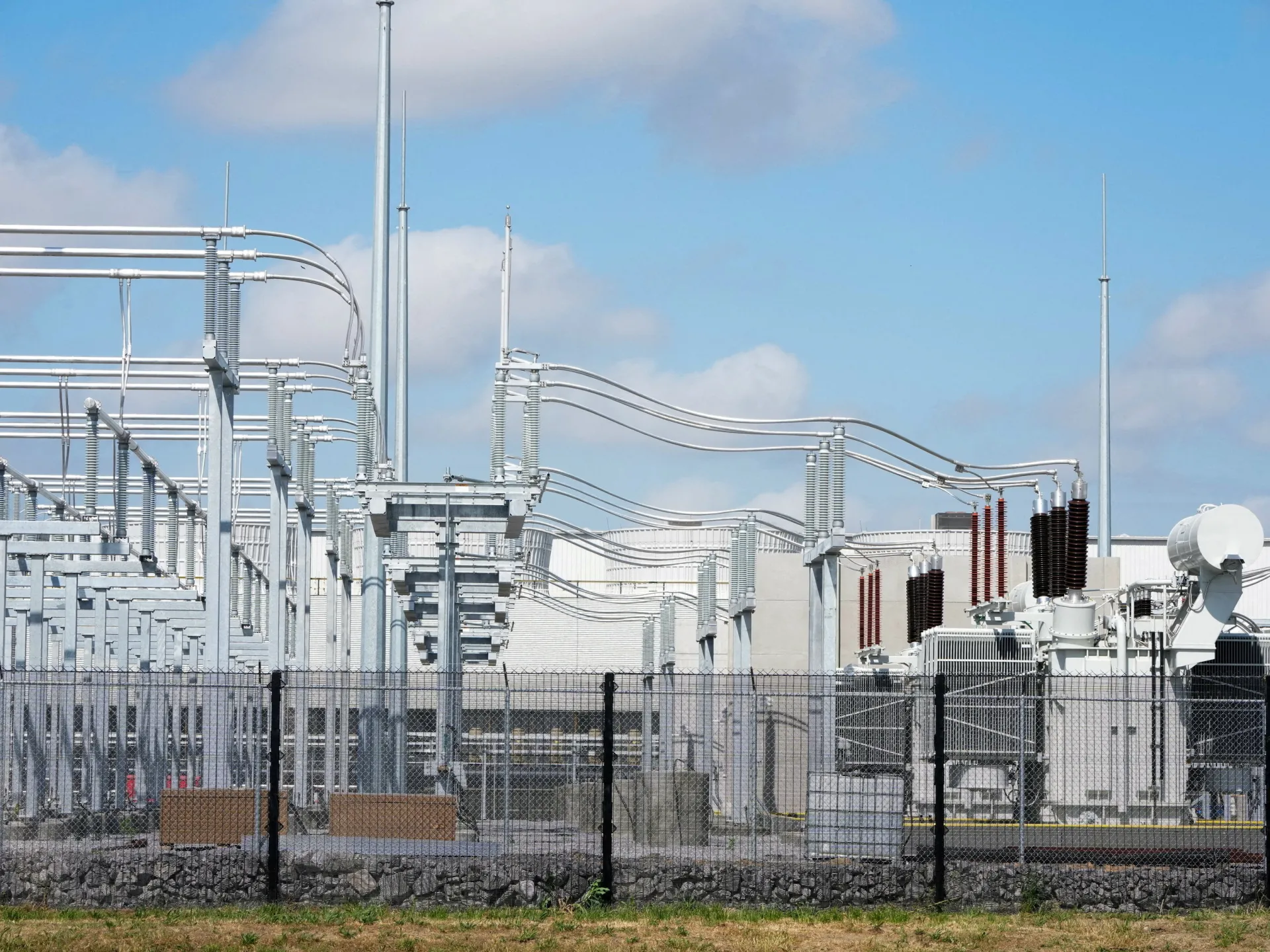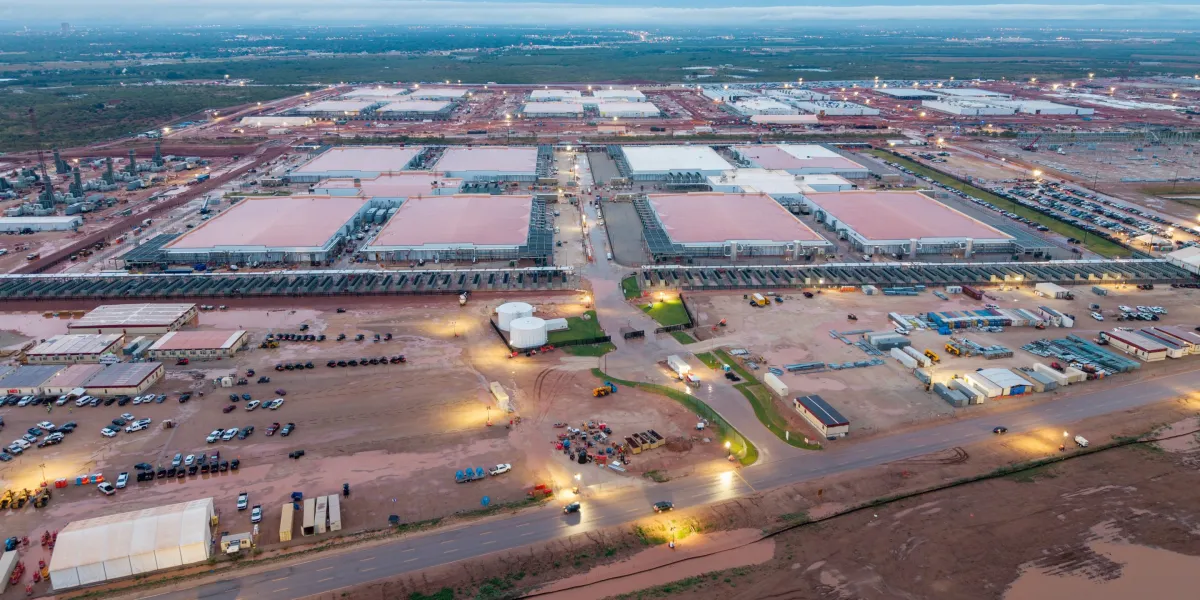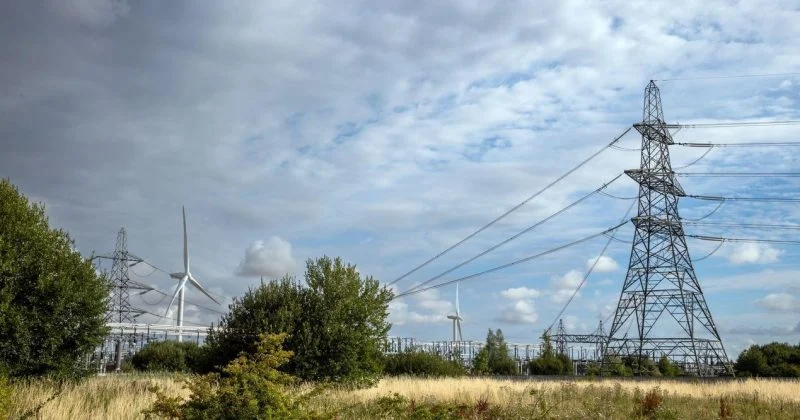
The US power grid is getting squeezed from both sides. Record-breaking heat is driving air conditioning demand through the roof while AI data centers, the fastest-growing electricity consumers in the country, keep sucking up megawatts like there’s no tomorrow. Something had to give.
In early July, temperatures in Washington, DC hit a “feels like” reading of 104°F. New York cracked 100°F. And PJM Interconnection, the grid operator responsible for power distribution across much of the East Coast, did something unusual: it called on the US Department of Energy to step in and tell data centers to back off.
When the grid says ‘enough’
Energy Secretary Chris Wright responded by mandating that during grid emergencies, data centers must activate their backup generators to reduce strain on the public power supply. The priority was clear: residential cooling comes first. PJM’s request specified that data centers should be able to switch to backup power within 15 minutes of receiving an emergency alert.
Here’s why this matters more than a typical summer heat story. Cooling systems at data centers can account for roughly 40% of their total energy consumption, and that percentage climbs during extreme heat. So the very weather events that send residential AC usage soaring also make data centers hungrier for electricity.