Recent polls have indicated that corruption is the second-biggest problem weighing on citizens after the rising cost of living, which consistently ranks first. This is a development that can be attributed either to a sharp rise in corruption cases or to the greater publicity such phenomena receive.
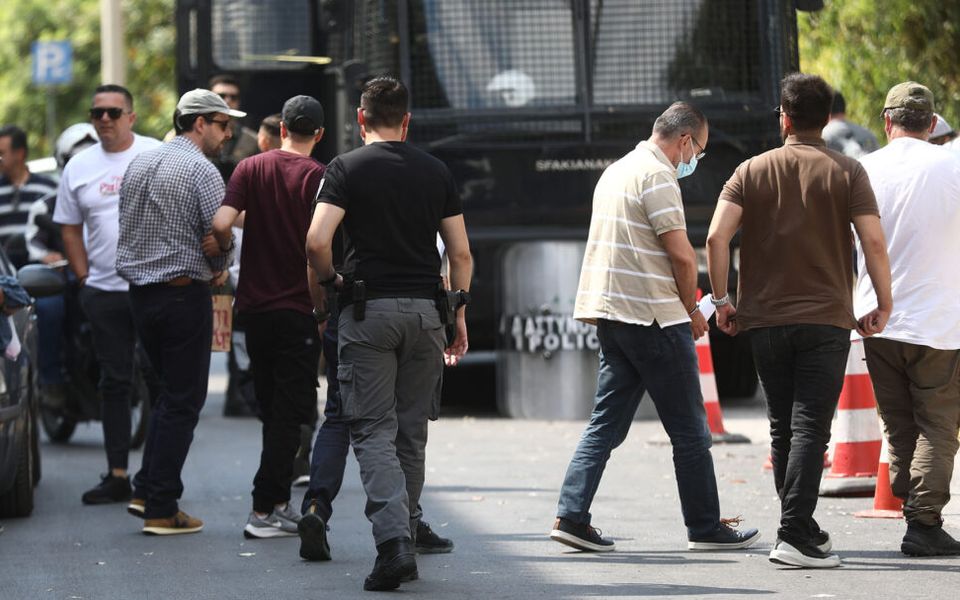
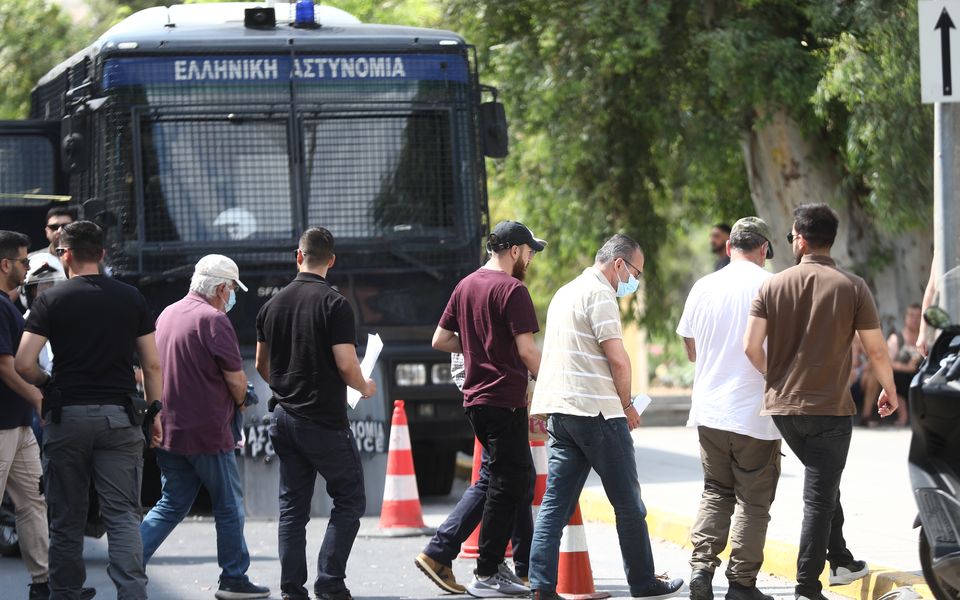
The continuing trials linked to the OPEKEPE farm subsidies scandal, for example, are generating a lot of publicity and, therefore, greater public awareness. In the first week of July alone, a court in Athens convicted two high-ranking officials of the agency responsible for distributing EU funding for agriculture, while a few days later, two more defendants were convicted for taking part in the racket, doling out money to people who were not entitled to it. In this particular case, the racket was in Giannitsa in Pella, northern Greece.
The OPEKEPE affair and older corruption cases, such as the massive scandals involving defense procurement programs, major public supply contracts (for vaccinations, hospital equipment etc), big public infrastructure projects or bribes paid by foreign companies to political officials have several things in common: they represent corruption on a big scale, they involve political appointees (ministers, administrators) and the sums involved are significant indeed. This is large-scale corruption, and it’s what most people have in mind when responding to public opinion poll questions on the issue.