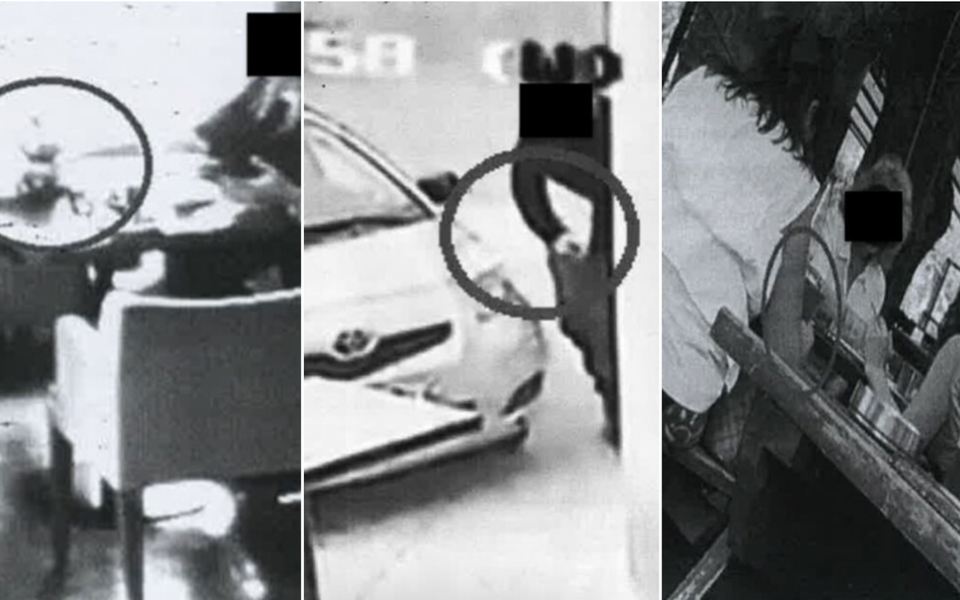
Six suspects arrested as part of a major corruption investigation involving urban planning services in the Greater Athens area are led before an investigative magistrate on June 9 in Athens. [Dimitris Mitsakos/Intime News]
We have said many times that corruption is inherent in human affairs. It is found even in divine matters, if we consider that one of Jesus’ 12 disciples was bribed to betray him. So, if 8% of the holiest group in Christian history – the Apostles – turned out to be corrupt, what should we expect from the Kifissia Building Authority?
There is a belief that local government is the most corrupt part of the state. Everyone has heard some story of a mayor who could be approached for favors, a municipal councilor who takes bribes, and the dealings at the local urban planning offices.
This belief – which has by now hardened into a dogma – is due to many factors. First, local corruption is more visible, due to the proximity of the local government to citizens. If there is corruption in a municipality, everyone knows about it. The chronic corruption in Greece’s farm payments agency OPEKEPE went unnoticed. As it has been claimed, not even the ministers noticed it.
The second reason is the constant repetition of the unsupported belief by the media. I say “unsupported” because there is nothing to measure the degree of corruption in the local government in comparison to the central state. Of course, it is also difficult to compare them, because if there are suspicions of corruption of a local government official, he appears before an investigative magistrate with summary procedures and the case is clarified. But if there are suspicions about a minister, the government uses tricks like Article 86 on ministerial immunity and institutional ploys which, along with the minister, also spare lower level officials from further scrutiny.