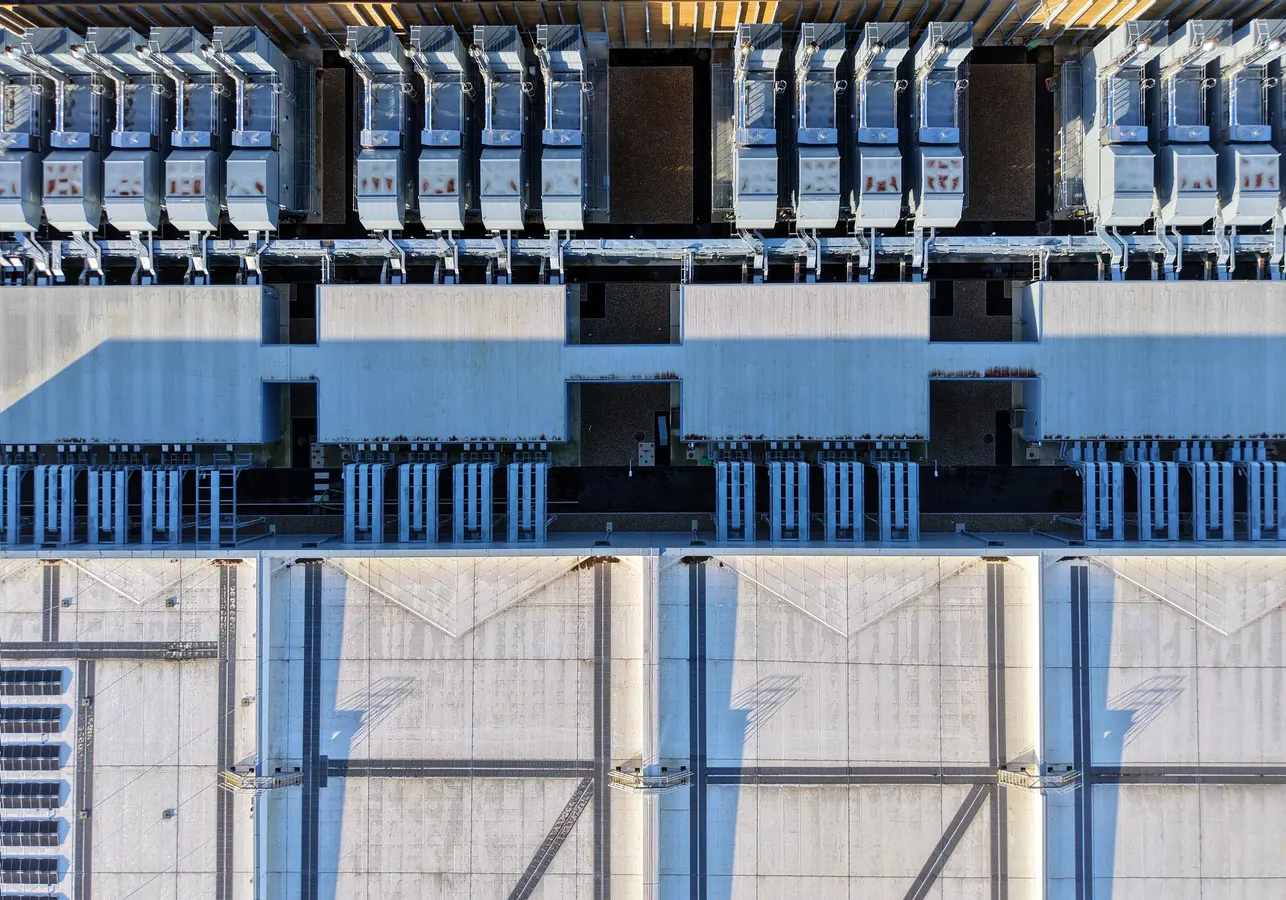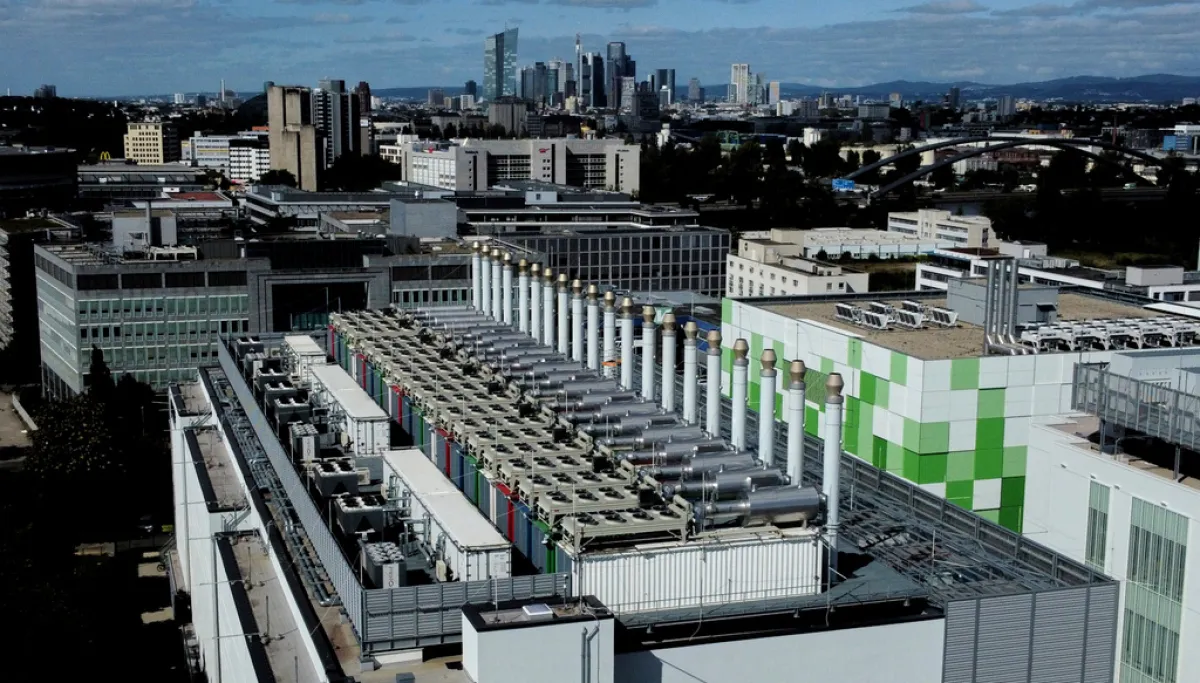
Over the past year, discussions about Artificial intelligence (AI) have captured the attention of everyone from everyday citizens to the Pope. Despite this surge in awareness, the public largely misunderstands how AI functions and how closely its development mirrors traditional manufacturing processes. This fundamental misconception is driving a fierce, increasingly bipartisan backlash against the physical infrastructure necessary to sustain AI’s growth.As it has evolved, AI is, at its core, best understood as an extremely sophisticated form of automated pattern recognition. What we call computer neural networks are first trained on enormous amounts of data gathered from the internet using algorithms — really just mathematical equations — to discover patterns or relationships; once trained, they apply those patterns to new questions. Because modern computers can detect patterns sometimes invisible to humans and then use those patterns to solve problems at an almost unbelievably fast speed, their output seems magical. Since AI can answer questions and perform tasks much like very smart humans, it is tempting to anthropomorphize it.But machine learning is not the same as human learning. People learn by grasping underlying concepts; a machine does not. Instead, AI “learns” the way a player learns in a game of “hot-and-cold.” As the neural network attempts to guess at answers, the patterns it has learned are equivalent to someone calling out “warmer” or “colder,” to a player. After multiple rounds of adjustment, guided only by those tiny corrections, AI, like the player, homes in on the desired object. But neither the blind folded player, nor the AI system, “knows” why any particular move worked. This is accuracy without true comprehension.
Stop calling it the cloud. It's a factory
AI is not magic. It's a manufacturing process running on data centers, GPUs, and blue-collar labor, just like steel mills once did.
TL;DRAI
AI manufacturing processes internet data through GPU clusters into trained models. Recognizing this factory model reshapes geopolitics: creates blue-collar jobs, normalizes environmental trade-offs like steel mills, and keeps U.S. competitive versus outsourcing to rivals.
806 words~4 min read