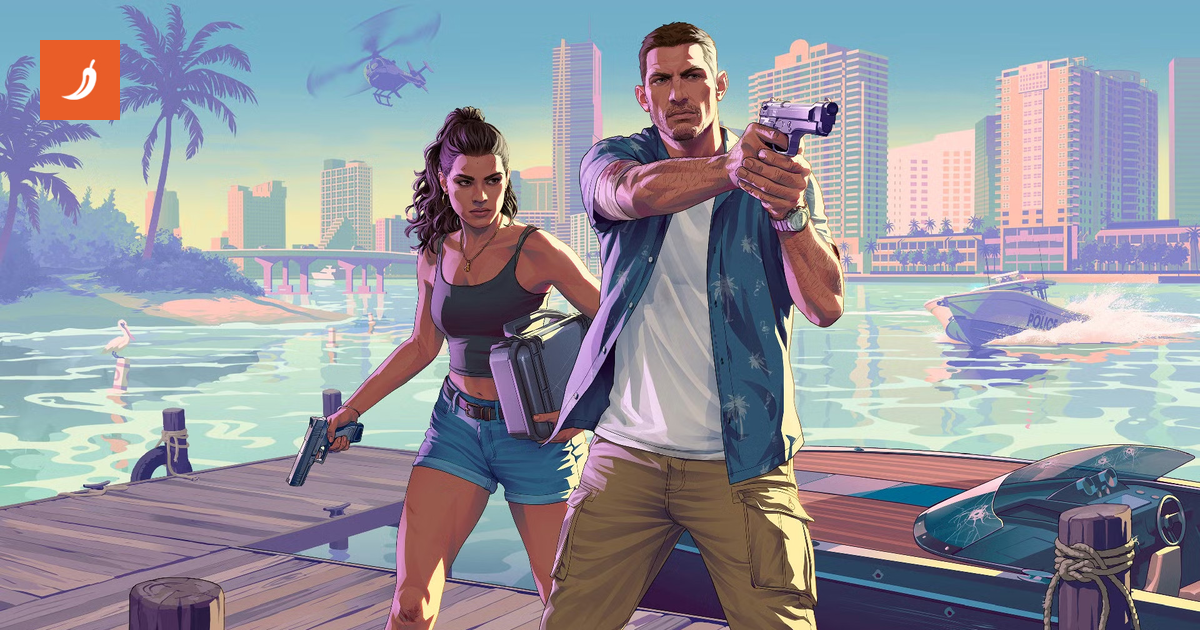
The video game industry is facing a existential crisis — and it's unclear when it ends and what gaming looks like when it's over.Why it matters: The industry has faced bust and boom cycles before. But the current shifting demands — along with the advent of AI — are changing what video games look like, how they're made and if people can afford to play them anymore.The big picture: Gaming companies can no longer rely on selling someone a $70 game every few years to make money. Those days are over.Instead, gaming is shifting into an entirely different frontier that appeals to various audiences across multiple platforms — and trying to hook gamers for the long haul to keep revenue coming in.What they're saying: "The games industry today feels a lot like what happened in the film industry when television came around," says Joost van Dreunen, a games industry researcher and teacher at the NYU Stern School of Business.TV gave advertisers access to more audiences across multiple platforms, he says. And the same is going to happen with gaming."They will start copying their distribution and revenue models accordingly," Van Dreunen says.Catch up quick: Gaming is surviving — but not necessarily thriving.Sony is cutting physical disc production to cut costs. Microsoft's Xbox unit recently laid off thousands of workers, dashing the dreams of developers. "Our business today is not healthy," CEO Asha Sharma told staff. Companies are canceling video game production left and right over development costs and organization resets.Much of this is thanks to a handful of converging pressures, experts say.Wall Street expects steady growth, while tentpole games have become more expensive to build. ("Grand Theft Auto VI," for example, reportedly cost $2 billion to develop.)At the same time, the AI boom is driving up hardware costs, while mobile gaming has intensified competition for consumers' attention.Zoom in: The clearest sign of where gaming is headed may be "Grand Theft Auto VI." The game comes in two versions — "standard" ($79.99) or "ultimate" ($99.99), which comes with add-ons, cosmetics, extra cars and more perks for gamers.EA Sports debuted a subscription service called the "MVP+ Membership," which costs $150 per year and gives fans full ownership "Madden NFL 27" and "College Football 27," as well as extra perks and in-game items.Activision Blizzard's "World of Warcraft" partnered with Zillow for customizable player housing.What we're watching: How consumers respond.Eventually, there's a breaking point when the costs, subscriptions, add-ons and perks become too much. 72% of gamers say microtransactions negatively impact their gaming experience, per a 2023 YouGov poll."A lot of the anger gamers are feeling is towards how these microtransactions are becoming inescapable," Otis East, member of the EA protest coalition Players Alliance, tells Axios."It used to be that these purchases were purely cosmetic, but now it's either pay more or lose out on the full experience that the game promised."Reality check: Demand for games isn't disappearing.More than 200 million people played video games last year. And many of the top-selling titles — "Call of Duty," "Madden NFL" and "Battlefield 6" — all sell these extra goodies.The bottom line: Gamers aren't walking away yet.But it's unclear if they're willing to pay a higher price as the industry grapples with its harsh new reality.Go deeper: Take-Two CEO's big microtransaction bonus
The video game industry is running out of extra lives
Gaming is shifting into a new frontier — and staring down a cost crisis.
TL;DRAI
AAA gaming pivots to subscriptions and cosmetics—GTA VI $79.99/$99.99, Sony cuts discs, Microsoft cuts staff. This echoes TV's disruption of cinema; 72% of gamers resent mandatory cosmetics while dev costs soar, risking a market breaking point.
545 words~2 min read