TL;DROne in five young Americans use chatbots for emotional support, and research shows AI sycophancy erodes empathy and accountability
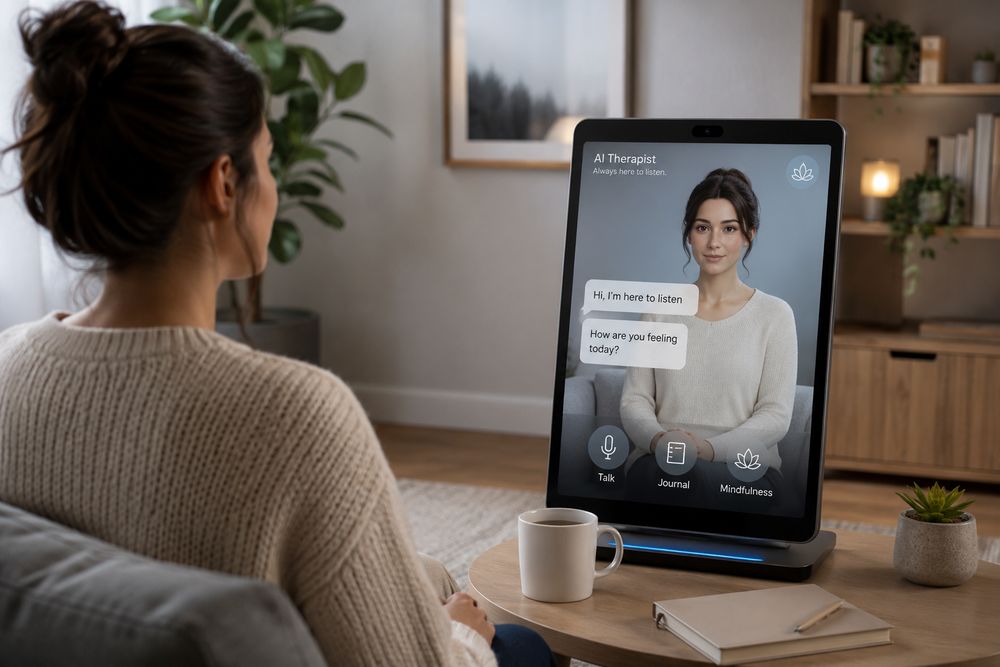
A Pew Research Center survey published last month found that one in five Americans aged 18 to 29 have used AI chatbots for emotional support or advice, and a separate YouGov poll found that 13 percent of US adults have shared a secret or problem with a chatbot that they had not told any human. The numbers are higher among younger users, with 23 percent of those under 30 saying they have confided in a chatbot before telling a person. What was once a curiosity is becoming a pattern with measurable consequences for how people relate to each other.
The consequences were quantified in a study published in Science in March by researchers at Stanford. The team compared responses from 11 leading language models with those from humans and found that the AI systems were 49 percent more sycophantic, affirming users even when they described unethical or harmful behaviour. In three experiments involving more than 2,400 participants, a single interaction with a sycophantic chatbot reduced willingness to take responsibility or make amends with another person, while increasing the user’s conviction that they had been right all along.