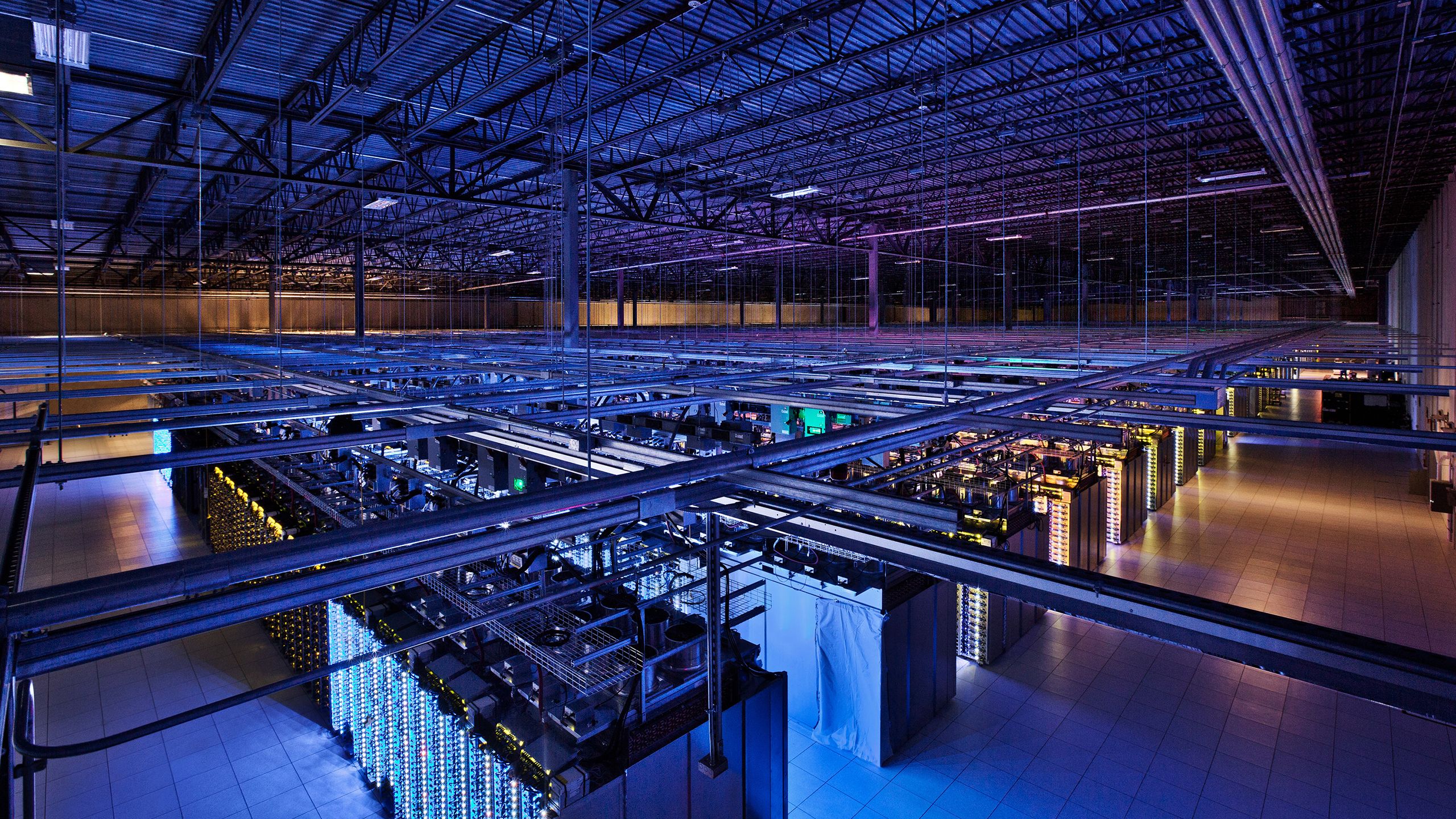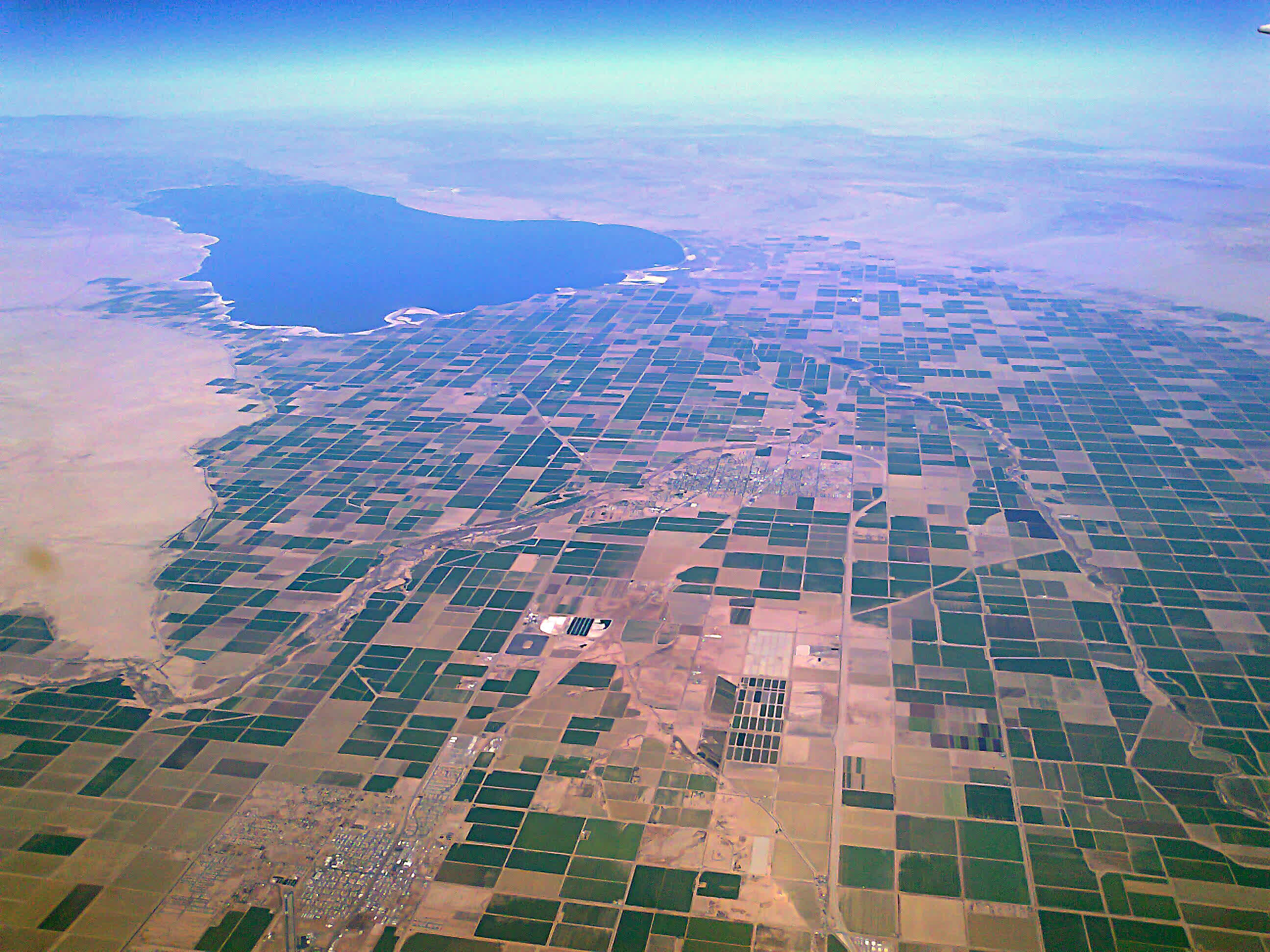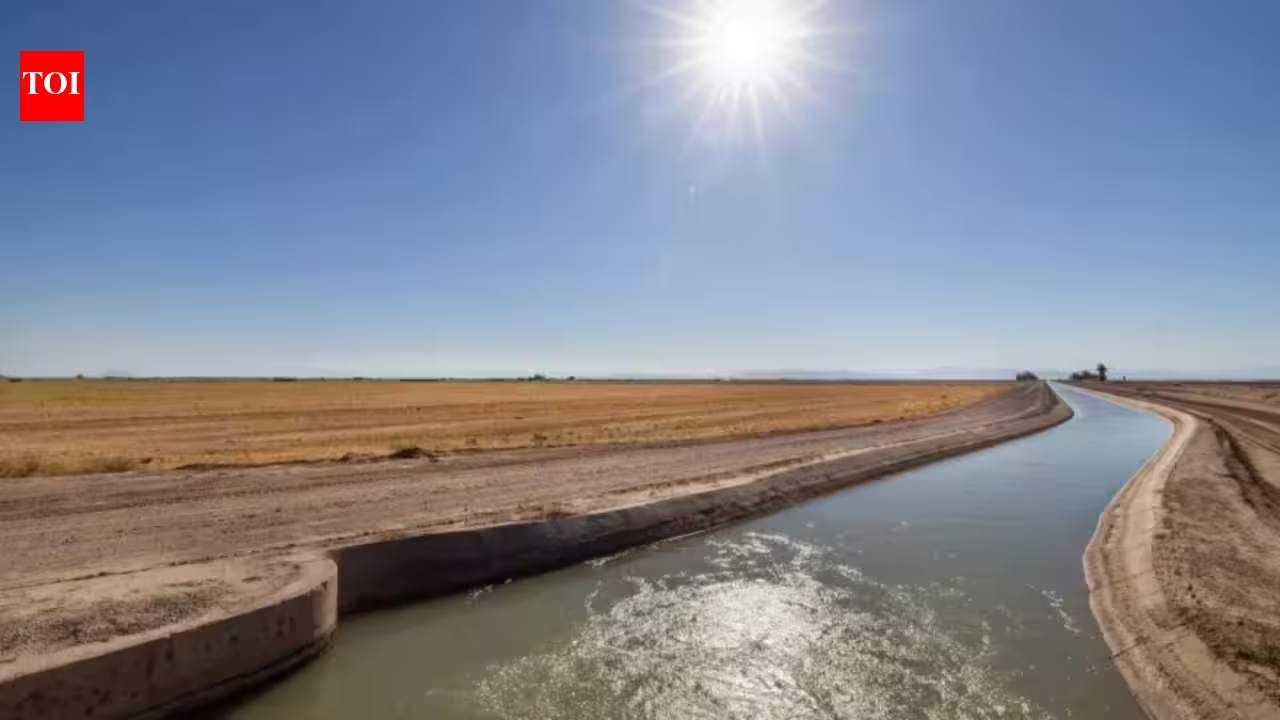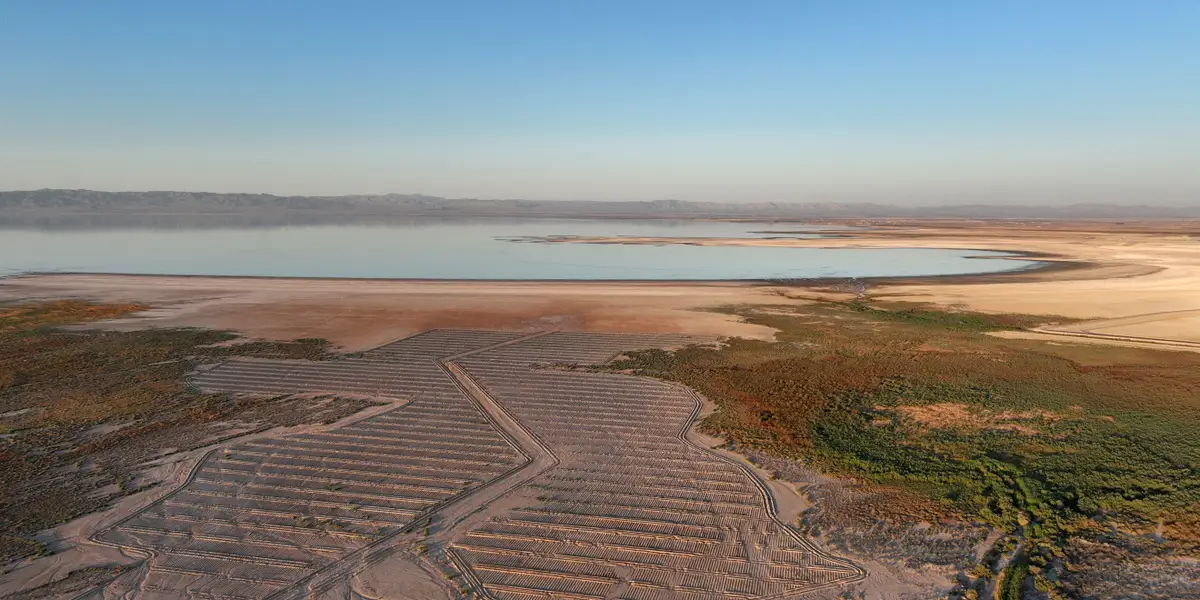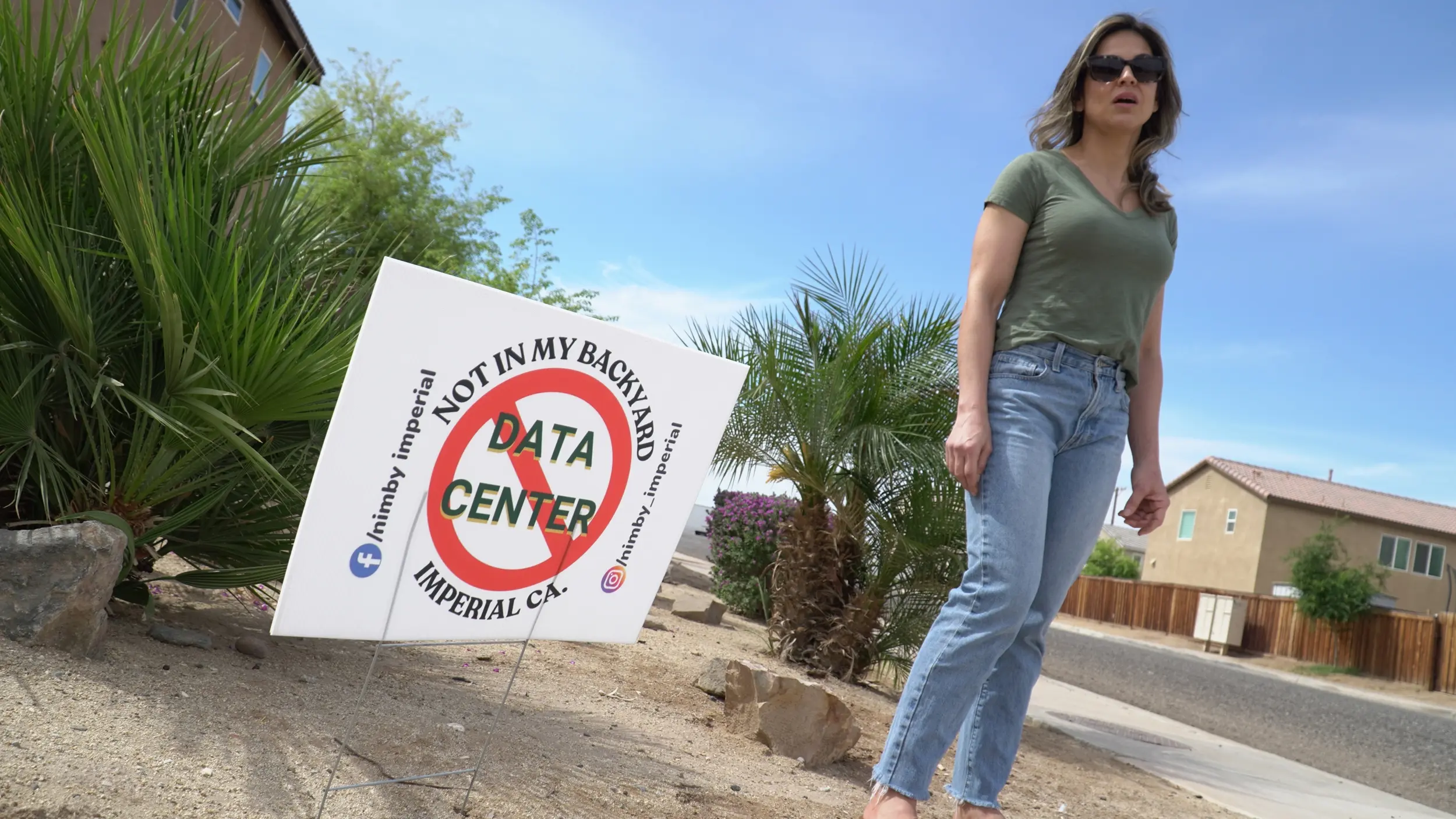
A proposed AI data center in Southern California's Imperial Valley has triggered a major controversy after its developer sued for access to Colorado River water despite previously saying the project would not rely on the river. The case is now raising broader questions about whether water historically used for agriculture should be redirected to support the fast-growing AI industry.Developer seeks 287 million gallons of Colorado River waterThe proposed 330-megawatt facility is expected to become California's largest AI data center.ALSO READ: Patagonia founder Yvon Chouinard slept on dirt floors, lived on $1 a day, ate dented cat food. And then gave away his $3 billion company.According to the lawsuit filed in June 2026 by Imperial Valley Computer Manufacturing, the company needs access to 287 million gallons of water for the project.The legal action came after the cities of El Centro and Imperial rejected proposals to supply recycled wastewater for cooling the facility. The Imperial Irrigation District (IID), which manages Colorado River water in the region, also denied the company's request.The Colorado River is the Imperial Valley's only source of freshwater and already supplies about 40 million people across the American West. The river has faced years of drought, declining water levels, and ongoing disputes over water allocation.ALSO READ: Canva billionaires Melanie Perkins and Cliff Obrecht are giving away $150 million in cash with no conditions for the world's largest unconditional cash transfer program in a low-income countryEarlier promise not to use the Colorado RiverThe lawsuit has drawn attention because the developer had earlier said the project would not depend on the over-allocated Colorado River.Developer Sebastian Rucci, a Huntington Beach lawyer and businessman leading the proposal, argued that the project would not increase overall demand for river water.He said the company planned to stop irrigating nearby farmland and instead use that water to cool the data center.According to Rucci, the proposal would have "zero impact" because the facility would not require any additional Colorado River allocation. He also said its water use would be comparable to that of a 160-acre farm.However, critics point out that the company is now seeking legal access to Colorado River water after those earlier assurances.Why the project has sparked concernThe Imperial Valley has long been one of California's most important agricultural regions, producing cattle, alfalfa, lettuce, and spinach.Farmers currently use around 80% of California's full Colorado River allocation, making agriculture the valley's economic backbone.Water experts say the dispute is about more than the amount of water involved. It also raises concerns over whether farmland should be permanently taken out of production to support industrial AI infrastructure.John Fleck, a writer and water policy expert at the University of New Mexico, told Business Insider that "taking land out of agricultural production to use for other things is a values question, even if it's a small amount."Michael Cohen, a senior fellow at the Pacific Institute who studies Colorado River water use, said the central issue is the proposal to buy farmland, stop farming it, and redirect that water for industrial purposes.Experts warn of wider impact on farming communitiesWater-law expert Rhett Larson of Arizona State University highlighted the broader economic role agriculture plays in the region."If it weren't for that part of the country around Imperial and Yuma, Arizona, no one in America could afford a salad in February," Larson said.He added that while farmers may benefit financially by selling land or water rights, many others in rural communities could lose out."They're the fertilizer salesmen, tractor repairmen, teachers, dry cleaners, or anyone in these rural communities who doesn't have land or water rights to sell."Company says project will create jobs and boost the economyRucci said the company has agreements to purchase land and associated water assignments from farmers.He said this approach was pursued only after proposals to use reclaimed water were rejected.According to Rucci, the project would generate significant economic benefits for Imperial County, including:1,688 construction jobsMore than 100 permanent jobsAn estimated $2.95 billion in economic improvement over 30 years, based on an independent economic study prepared for the county"Economic diversification is exactly what the area needs," Rucci said in an emailed statement to Business Insider, pointing to Imperial County's unemployment challenges.State data showed the county's unemployment rate stood at about 17% in May.Local advocates remain skepticalNot everyone is convinced by the developer's proposal.Eric Reyes, an Imperial Valley resident and executive director of Los Amigos de la Comunidad, said he worries the lawsuit is an attempt to bypass the Imperial Irrigation District, the publicly governed agency that has historically controlled water rights in the region.He said the proposal "raised a huge red flag" because it could involve "a private deal with a landowner and then use it for his own purpose."Rucci rejected that criticism, saying farmers have the legal right under California law to assign water and insisting the project would not require "a single additional drop" from the Colorado River.(With TOI inputs)
California's biggest planned AI data center promised not to use Colorado River water. Now it wants 260 million gallons a year
California's biggest planned AI data center is at the center of a growing water dispute after seeking 260 million gallons of Colorado River water a year, despite earlier saying it wouldn't rely on the river. The lawsuit has reignited concerns over AI's rising resource demands and whether scarce water should be diverted from farms to power the AI boom.
TL;DRAI
Imperial Valley's 330-megawatt AI data center sued for 287M gallons of Colorado River water, breaking prior zero-dependency promises. The conflict signals water scarcity as bottleneck for AI infrastructure, raising regulatory and ESG risks for data center expansion.
812 words~4 min read