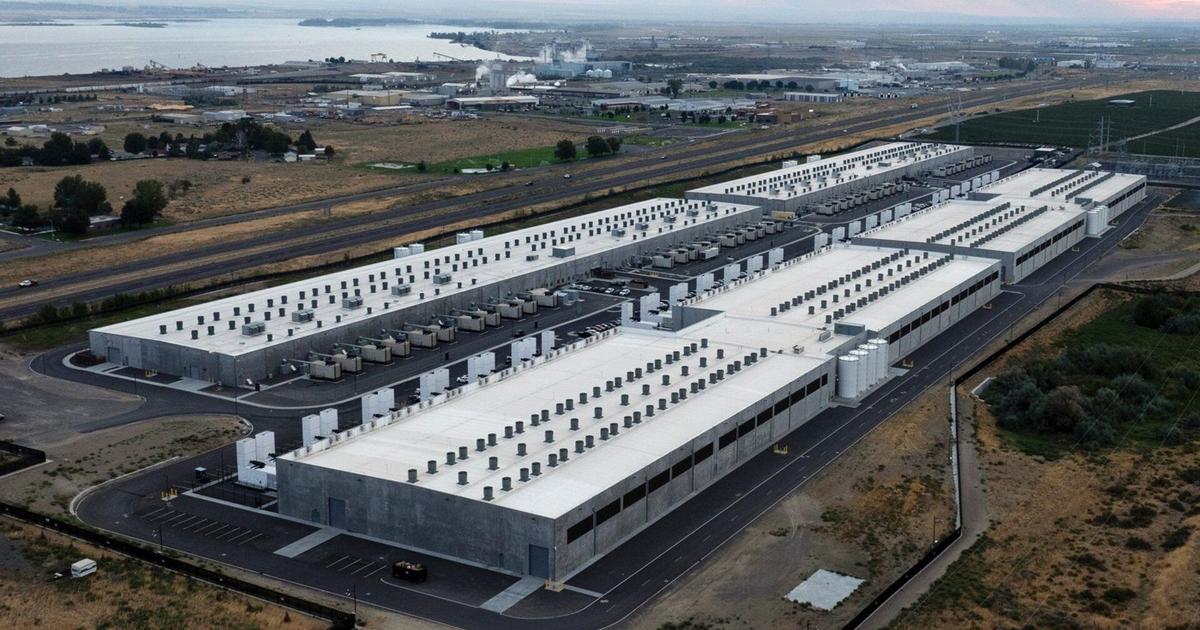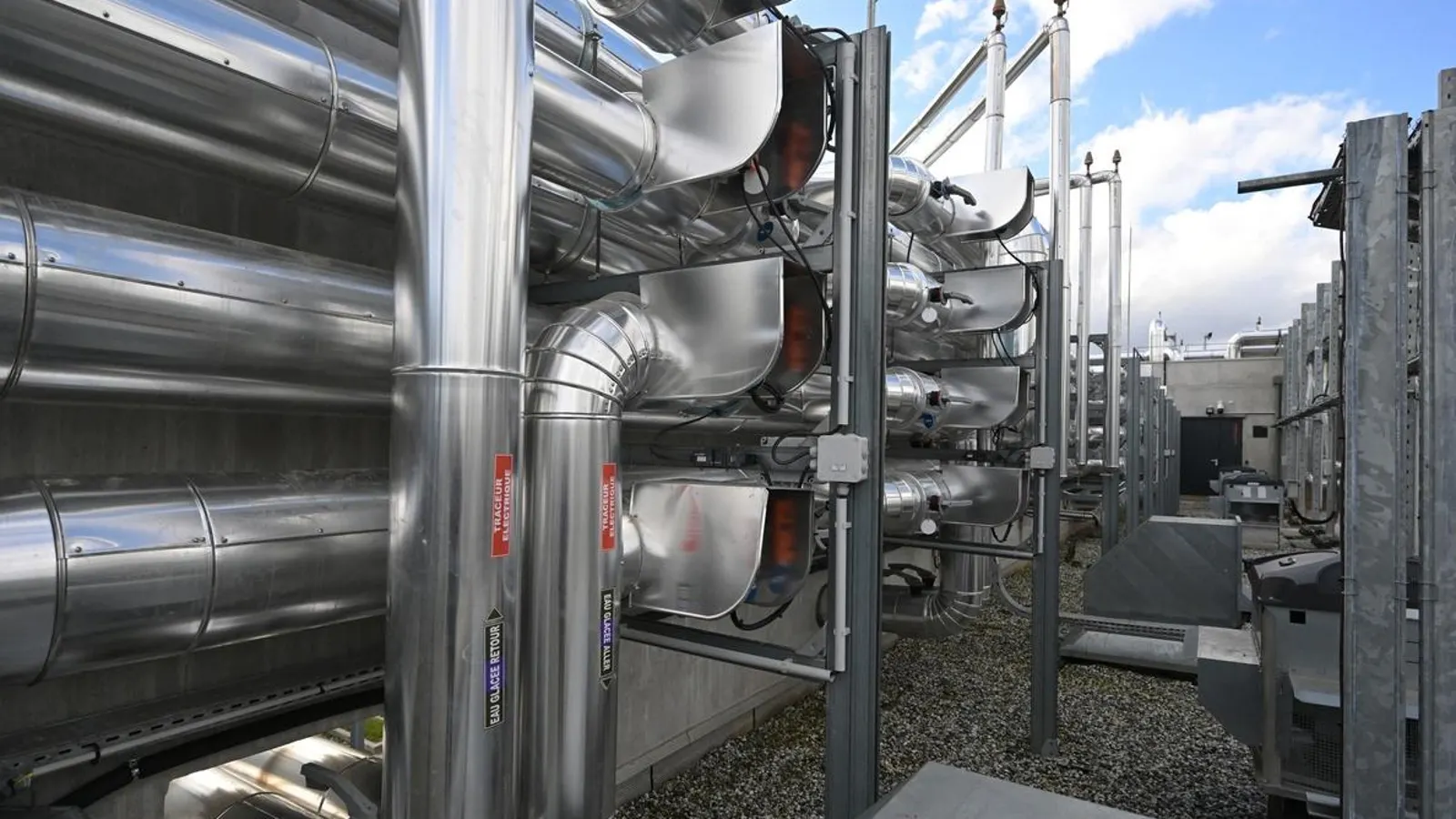
Start where the water is running out. In Texas, where drought is a standing emergency, data centers could use as much as 399 billion gallons of water a year by 2030, up from 49 billion in 2025. That is enough, by one estimate, to lower Lake Mead, the largest reservoir in the country, by more than sixteen feet in a single year. The machines behind all that effortless output have to be cooled, and they are increasingly cooled in the places with the least to spare.
Now look at where people are spending once the output turns cheap. In 2025, a record 159 million fans went to a Live Nation show, revenue crossed $25 billion, and for the first time more of them came from outside the United States than inside it. As machine-made output slid toward free, the price of being in a room where something happens once kept climbing.
These two facts look unrelated. They are the same fact. AI didn’t abolish scarcity; it moved it — down into the physical inputs it consumes, and up into the human moments it can’t reproduce. Neither shows up on the dashboards most companies use to track what AI makes cheaper. Most executive teams are asking the right operational questions: where can AI cut cost and accelerate output? Useful questions. But they hide a harder one. When everything you produce becomes abundant, what becomes scarce, and do you still own any of it?