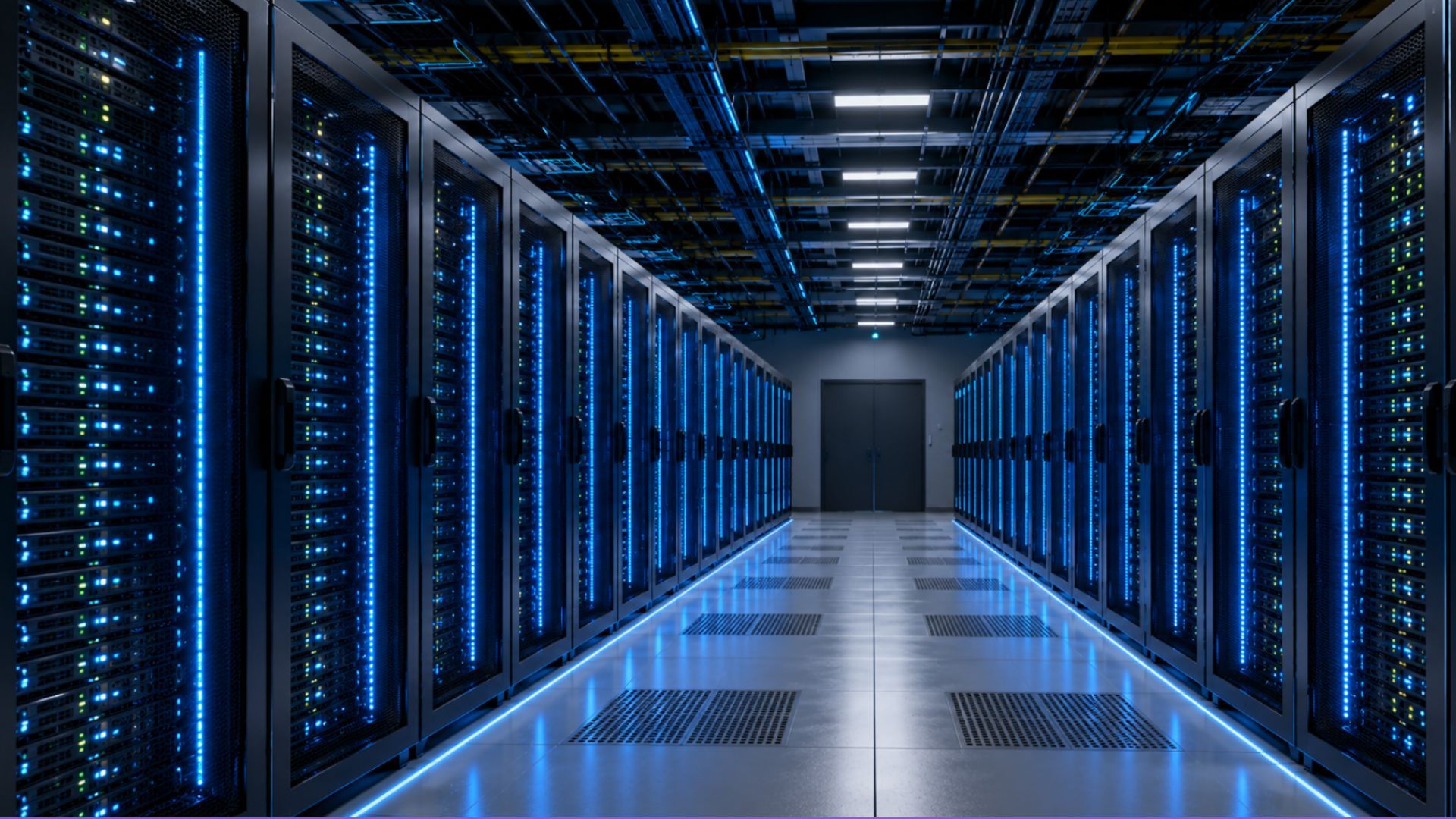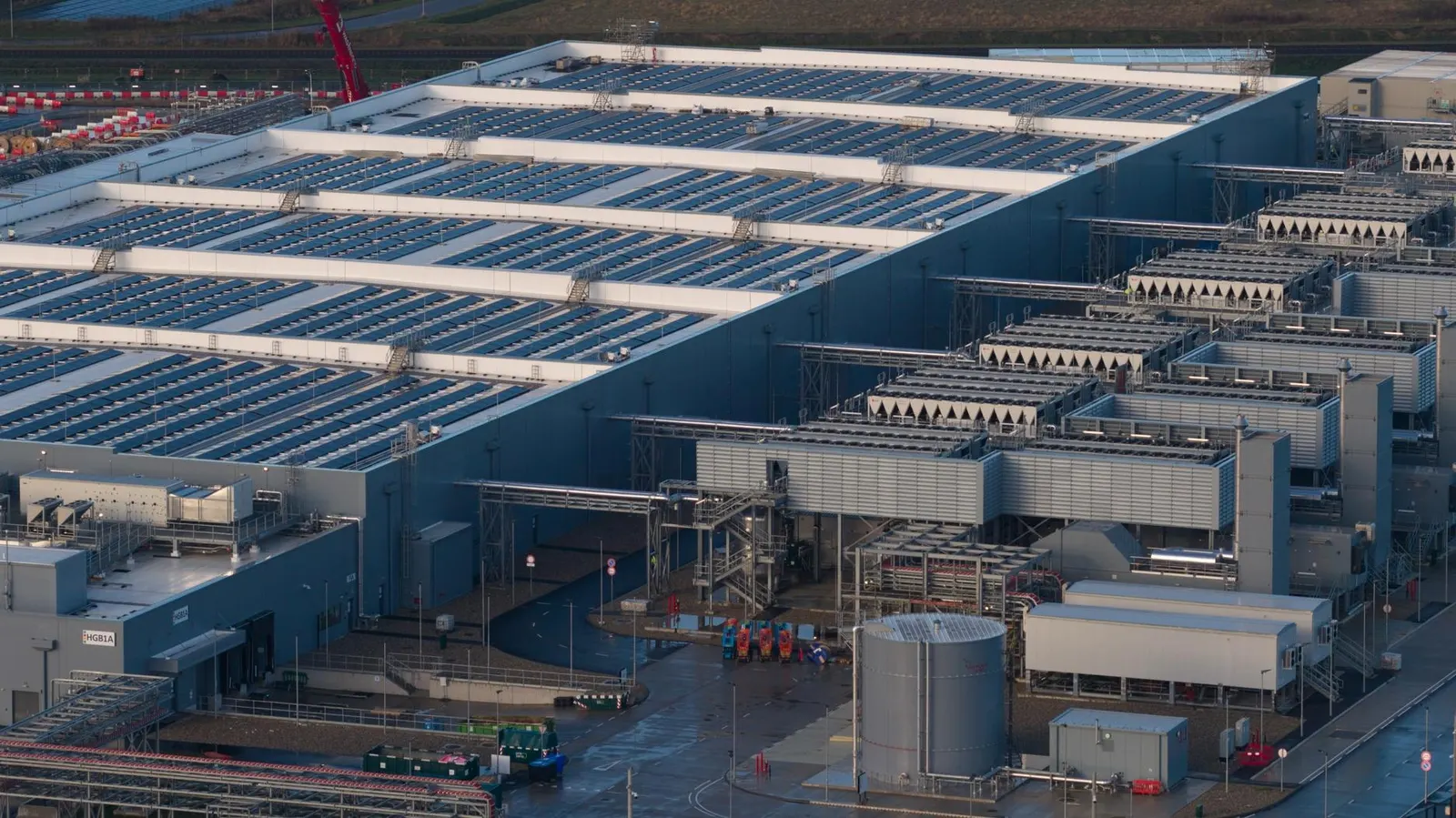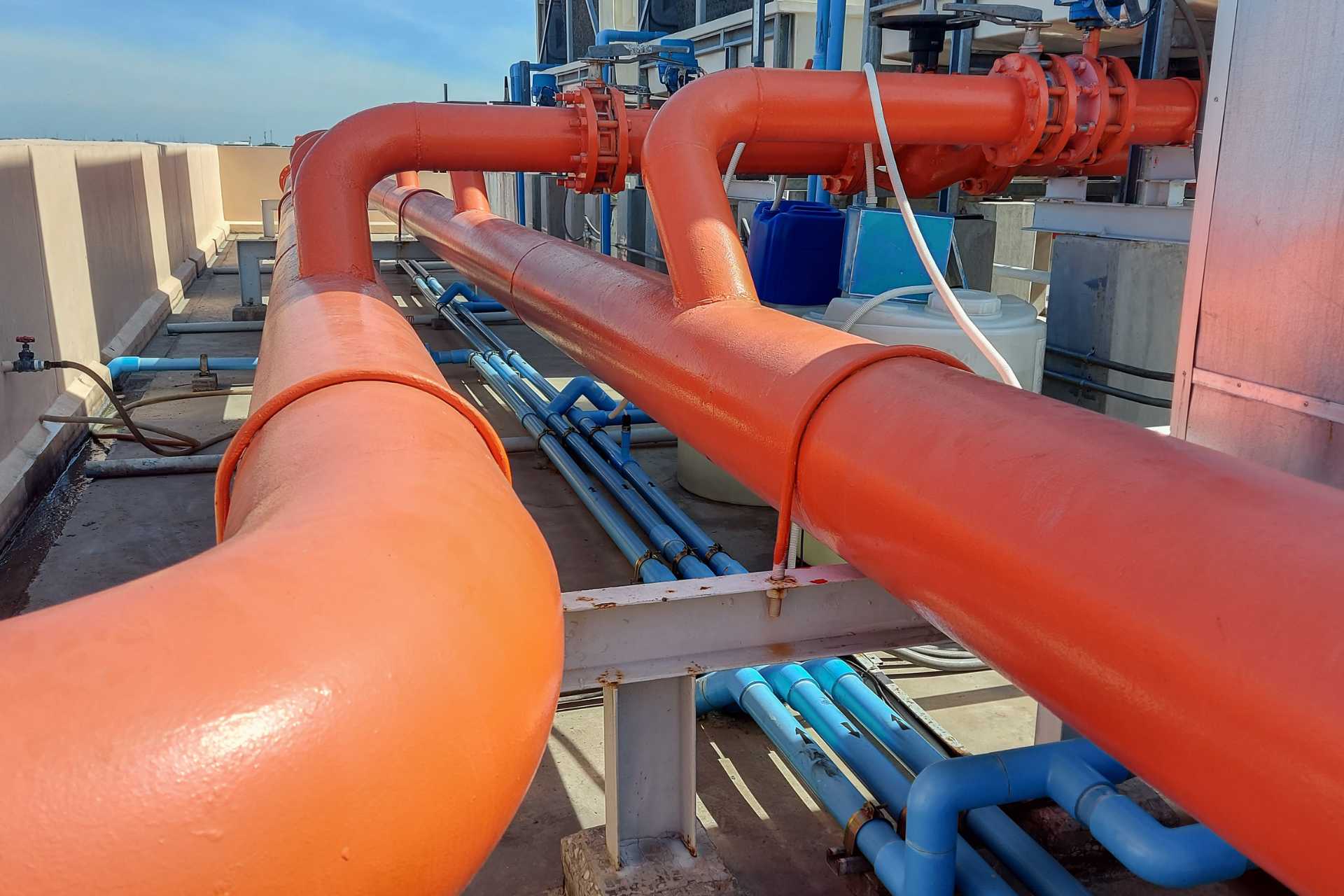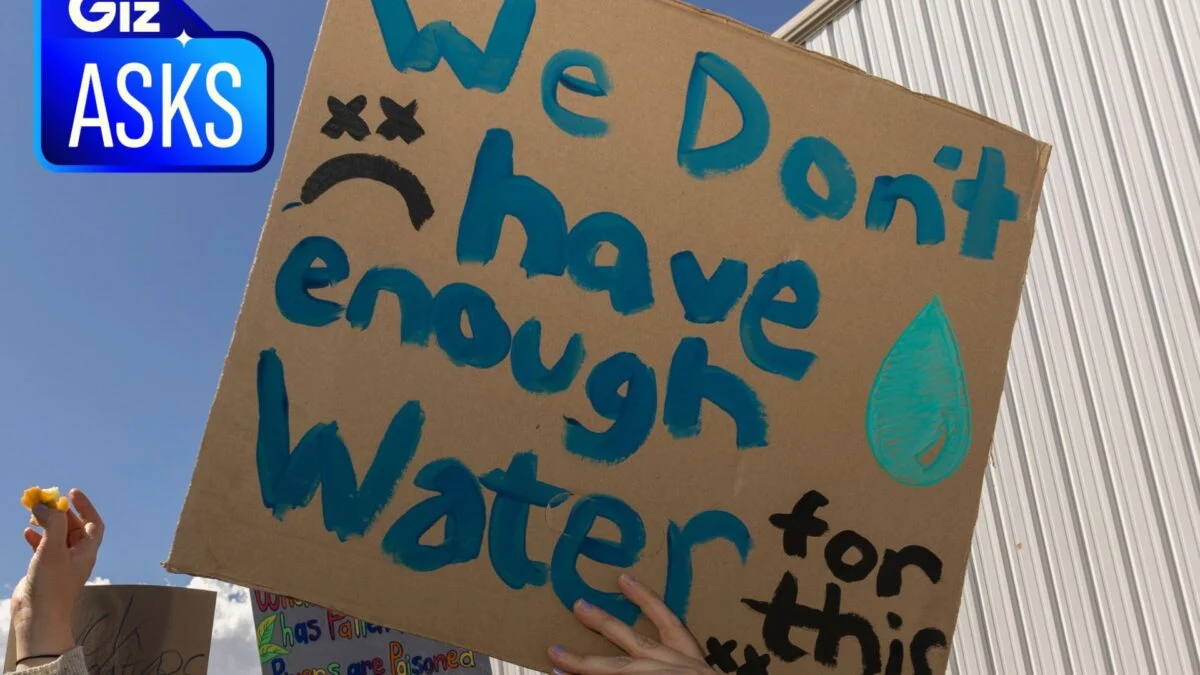
The proliferation of AI data centers has spurred protests across the United States. Last month, communities that had long fought separate battles against Big Tech’s intrusion into their hometowns organized for the first coordinated national demonstration, staging nearly 150 protests across 42 states. Among their chief concerns is the amount of water these facilities consume to cool servers. Some communities are already feeling the impact. In Fayetteville, Georgia, a Quality Technology Services data center campus quietly sucked 30 million gallons (113 million liters) from the local water supply before ever receiving a utility bill, though QTS denied any improper use. In The Dalles, Oregon, Google’s data centers were responsible for nearly 40% of the city’s total water consumption in 2025, guzzling about 550 million gallons. But there’s another side of this story, one in which some tech industry leaders, analysts, and engineers argue that the issue is overblown. They question the math behind eyebrow-raising usage statistics, praise the efficiency of closed-loop systems, and point to other water-intensive industries that have not triggered national panic.
So, where does the truth lie? For this Giz Asks, we asked experts how much AI data centers actually impact local water systems. The answer is as complicated as you might imagine. The following responses may have been lightly edited for length and clarity. Shaolei Ren A professor of electrical and computer engineering at the University of California, Riverside. Ren’s research broadly focuses on AI, systems, and society.