Photo credit: Wisarut pumipak / Shutterstock
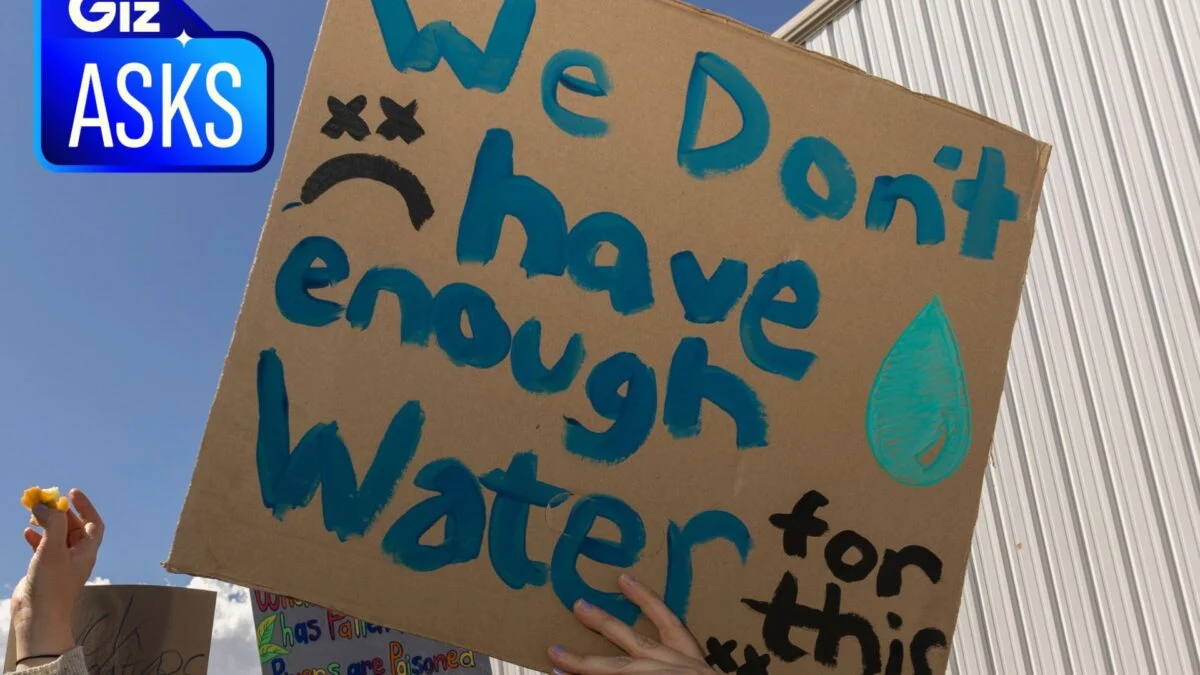
Local opposition to data centers is one of the main threats to tech giants’ artificial intelligence ambitions, as residents protest rising energy bills and the potential strain on local water resources — and question whether AI is even good for society, or worth the high cost.
The mistrust is compounded by the fact that hyperscalers often hide behind shell companies with code names to negotiate permits and development agreements with local officials under NDAs — a practice they defend as a way to prevent inflated land prices.
That secrecy extends to data centers’ water consumption, which most hyperscalers don’t disclose for each location they operate in. That information gap is particularly concerning for projects proposed in water-stressed regions.
Google is trying to undo that impression. This week, the company publicized a handful of responsible stewardship practices. The practices aren’t new — Google had already announced them over the last few years. But at a time when data center pushback is reaching a fever pitch, Ben Townsend, the company’s head of infrastructure and sustainability, said he hopes they can serve as a blueprint for other hyperscalers and potentially help communities evaluate new projects in their towns.