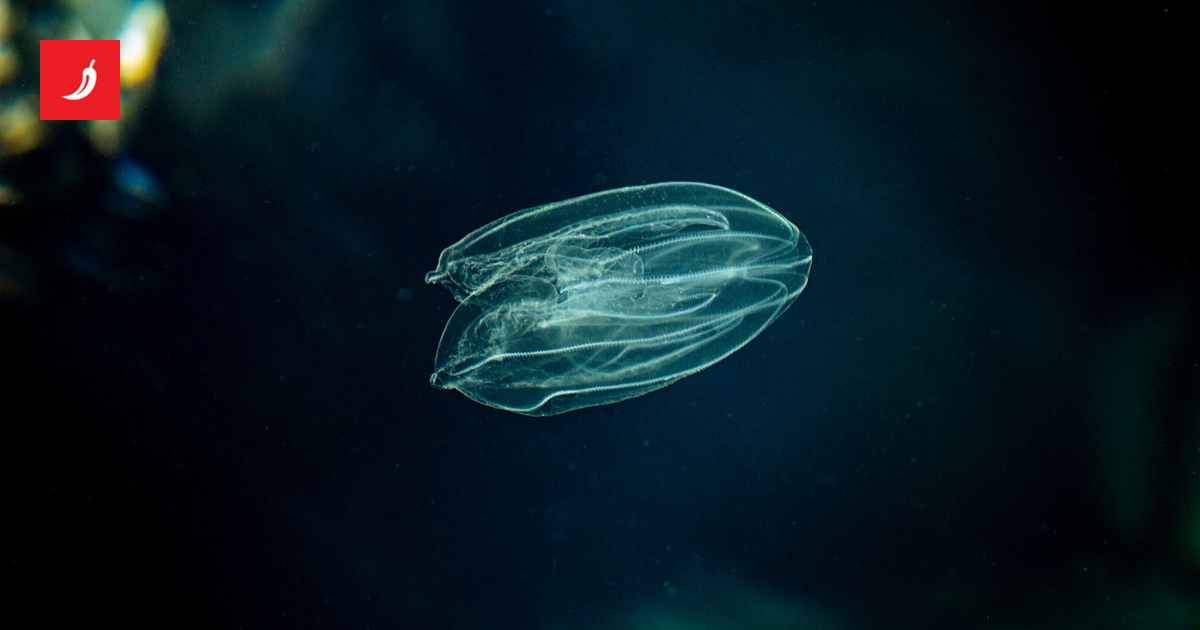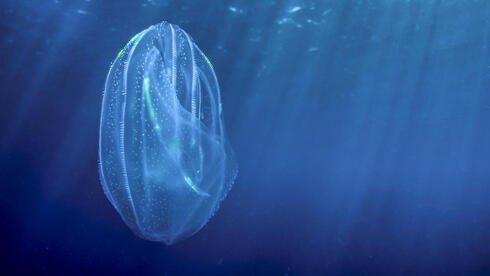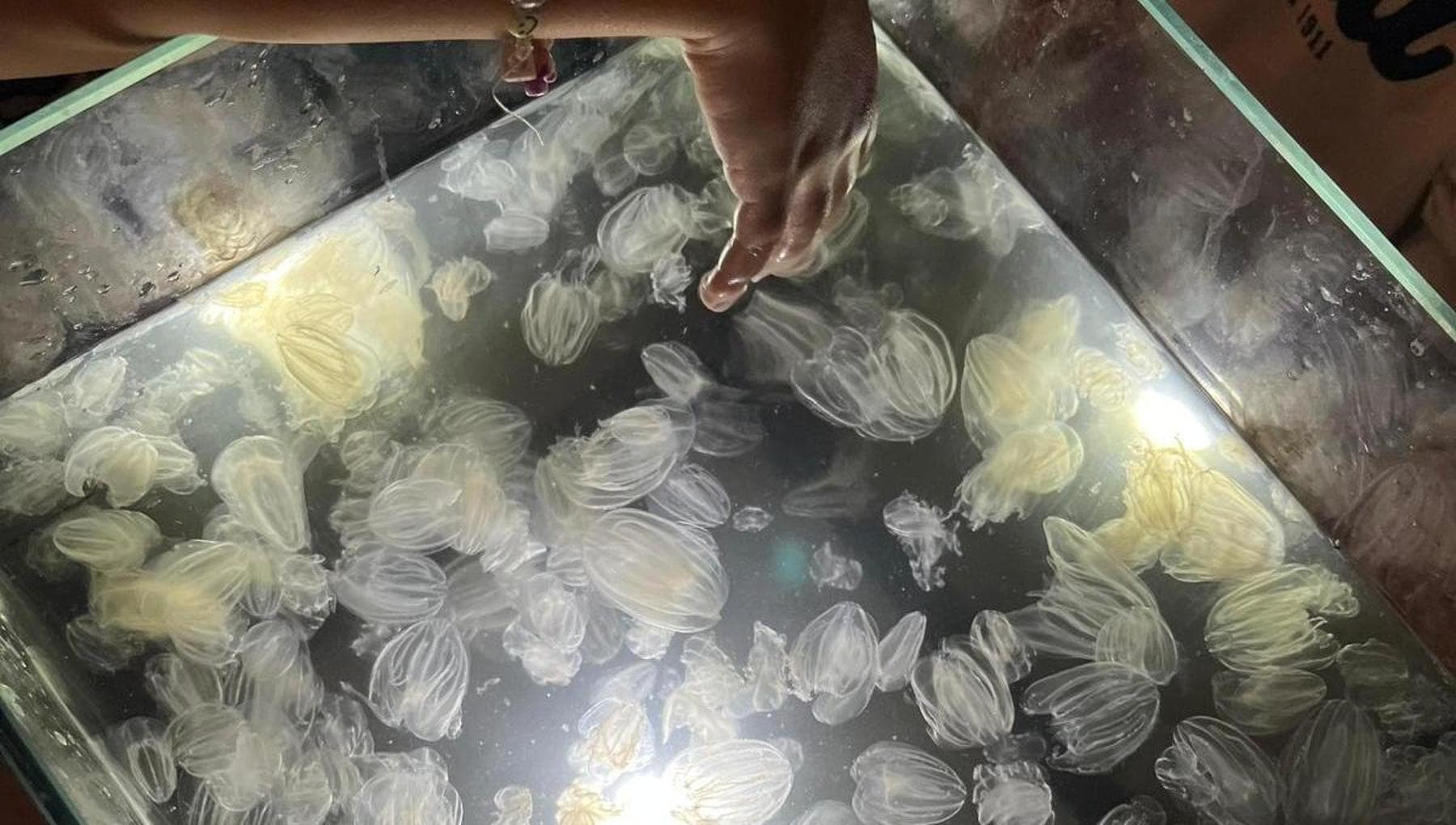
A species that resembles a jellyfish but, unlike a jellyfish, has no stinging cells reached Europe in the 1980s. As W.M. Graham and K.M. Bayha point out in the bookBiological Invasions by Marine Jellyfish (source in Polish), it was carried there by ships calling at Black Sea ports from the Atlantic coasts of North and South America. It soon became one of the dominant organisms in those waters.
In 1988, at the height of the invasion, the density of Mnemiopsis leidyi reached as many as 400 individuals per cubic metre. Shortly afterwards, however, as it consumed huge quantities of zooplankton, its main source of food, the comb jelly's population began to decline.
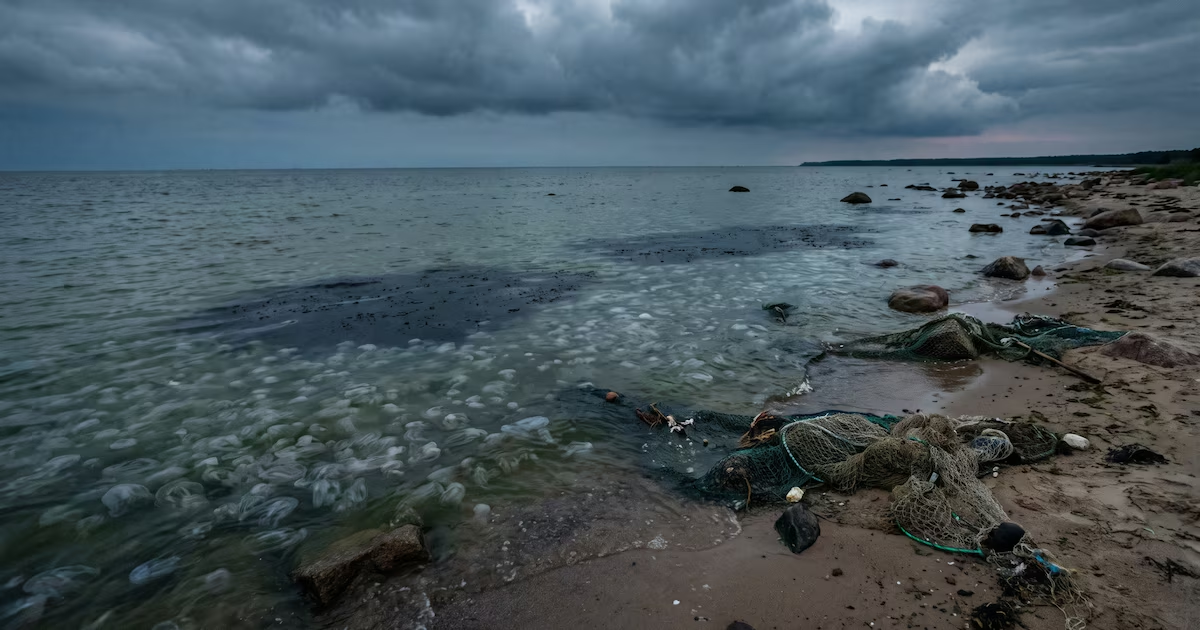
In the Baltic Sea this species has not yet reached such high numbers, but the latest research indicates that its spread is accelerating. One of the factors that may be aiding its expansion is the growth of oxygen-depleted zones, also referred to as oxygen deserts.
"Sea cannibal"
This remarkable invertebrate, which – as described, among other places, in an article published in Tutoring Gedanensis (source in Polish) – is capable of bioluminescence, poses a serious threat to fisheries. Species such as sprats and sardines are particularly at risk, because the comb jelly feeds on their eggs and larvae, thereby reducing the size of future fish stocks.