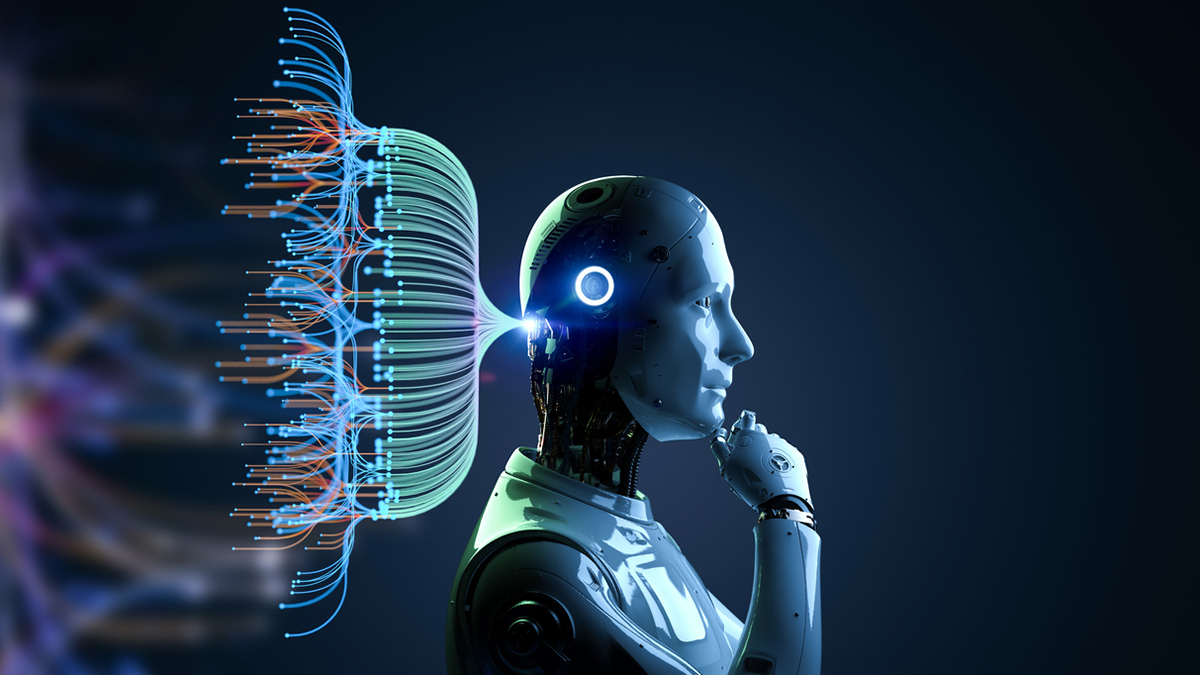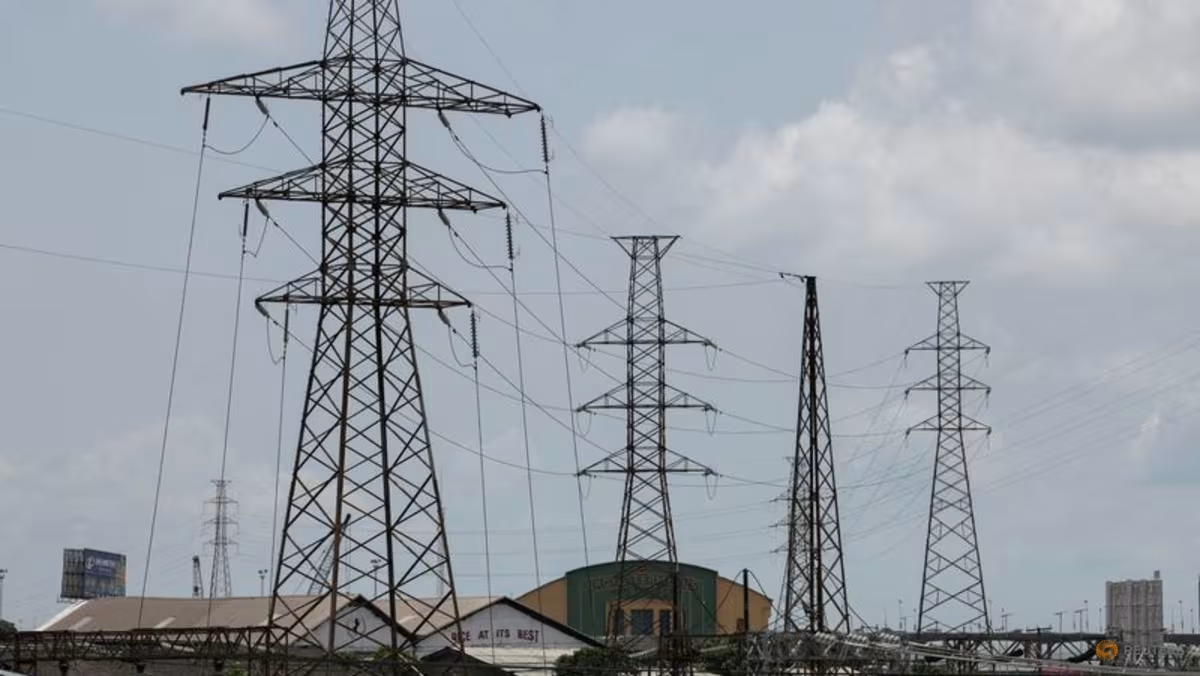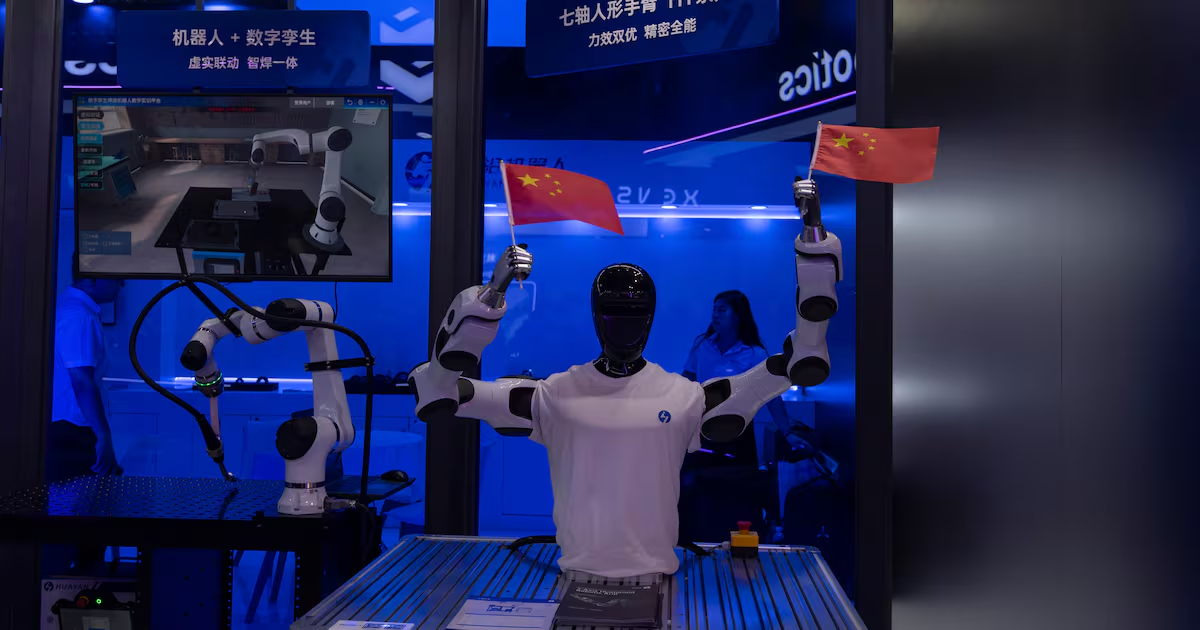
There are very few areas in the world that remain untouched by artificial intelligence (AI) technologies. About 78% of companies worldwide have reported using AI in at least one function of their operations. According to the UN Development Programme (UNDP), AI productivity gains have the potential to add $15-trillion (R252.17-trillion) to the world economy by 2030. In South Africa important public utility enterprises like Eskom and Transnet and the South African National Roads Agency (SANRAL) have incorporated AI in their systems to optimize the operation and maintenance of critical public infrastructure. The world over, governments are increasingly relying on AI technologies to provide essential public services and support decision-making. We have all seen how AI-powered weapon systems like drones and unmanned aerial vehicles (UAVs) have been deployed in war zones in Iran, Ukraine and Palestine to devastating effect. Farmers are using AI to determine what and when to plant, doctors use AI software to monitor the treatment of their patients and both teachers and students in education institutions all over the world are increasingly embracing AI tools to enhance the learning and teaching experience. Moreover, AI is revolutionizing scientific research as more and more scientists rely on AI to generate hypothesis, design experiments and for data analysis. AI has also fallen in the hands of malicious characters. AI BY THE NUMBERS78% — Share of companies worldwide that report using AI in at least one business function.$15 Trillion — Potential value AI productivity gains could add to the global economy by 2030 (UNDP).1,100+ — Enterprise leaders and business stakeholders who attended the World AI Conference in Shanghai.Terrorist groups can easily use AI for propaganda, stealing data, planning attacks, recruiting members, or collapsing critical public infrastructure. Despotic governments use AI tools for spying on opponents and repressing their populations. Social media algorithms can be used to amplify disinformation campaigns which may lead to disastrous consequences on the ground. These technologies are shaping contemporary geopolitics by not only creating a race for the control of AI by major countries but also exacerbating the concentration of economic, military and media power in a few countries mainly the US and China. As AI is rapidly transforming every facet of our lives and reconfiguring the contours of geopolitics, it does so in a global governance vacuum as major prioritise narrow national interests to the detriment of global order and security. In the light of this governance deficit, China is seizing the initiative with a view to shaping the future of global AI order. Between 17 and 20 July, China, one of the world’s technology superpowers, hosted the World AI Conference and High-Level Meeting on Global AI Governance in Shanghai which was addressed by the Chinese President Xi Jinping. BY THE NUMBERS$15T — Projected economic boost from AI by 2030.29 — Countries signed on as founding members of the World Artificial Intelligence Cooperation Organization (WAICO), this includes South Africa.5,000 — Training opportunities pledged by Beijing to bridge the Global South’s AI divide.The meeting was held under the theme: AI Partnership for a Brighter Future. This was not an inconsequential gathering. It potentially marks the beginning of a new era of international cooperation on AI which may have a significant influence on the normative direction of global AI development. The Conference was a multi-stakeholder affair bringing together government officials, business leaders from over 1100 enterprises, academics, researchers, and the UN Secretary General in a bid to harness the good coming out of AI technologies while finding collective solutions to the challenges it presents. The Conference produced a 15-point plan which acknowledged that AI was a force for good which could be harnessed to foster development, innovation, efficiency, and contribute to the resolution of some of the major challenges facing the world while also highlighting the security and ethical risks it poses. Among other things the plan called for the development of innovative AI professionals, expediting the adoption of AI across industries and households, development of open-source ecosystems for AI development, and monitoring the impact of AI infrastructure on the environment. Moreover, the importance of secure and orderly data flows, the impact of AI on the structure of employment, the security risks posed by AI technologies, and the need to clearly delineate the behavioural boundaries of AI agents and products imbued with decision-making powers were highlighted. The plan also called for a United Nations-centred AI global governance framework, inclusive participation in AI industrial and supply chains, and preventing the malicious use of AI technologies by terrorist and extremist groups. More importantly, the Conference agreed to establish the first intergovernmental organization on AI - the World Artificial Intelligence Cooperation Organization (WAICO) whose headquarters will be in Shanghai, China. Among a myriad of other international conferences and declarations on AI, this is the first initiative that has produced a permanent intergovernmental body. About 29 countries, mostly from the Global South, including South Africa, became the founding signatories of WAICO. Among other things, WAICO’s stated goal is to support AI development in the Global South by building capacity for innovation, application and development of AI technologies. The membership of WAICO is likely to grow in the coming years and this will enhance China’s influence in shaping the global AI governance framework. China is assembling a Global South coalition to mobilise support for its vision of the future of the global AI order. The Chinese President Xi Jinping gave the keynote address at the Conference. President Xi stressed the importance of openness in international cooperation on AI development, the need to ensure that AI products are secure and controllable, the use of AI in promoting mutual learning between diverse civilizations, and a multilateral approach to international cooperation on AI guided by the UN. He touted China as a leader in AI innovation and an active player in promoting equitable global AI governance. Xi further pledged that China will provide 5000 AI training opportunities, develop international AI cooperation centers to serve the Global South regions, and avail the Chinese AI-powered meteorological warning system to 30 countries over the next five years. These gestures have the potential contribute to closing the AI divide which has seen most Global South countries confined to the less lucrative upstream side of the global AI value chain where they provide critical minerals for making AI infrastructure and data that is used to test the AI models developed by companies based mainly in China and the US. However, the gestures are not entirely altruistic. They will build the necessary goodwill which will facilitate the acceptance of Chinese AI norms and standards in the Global South. Further, without the participation of major western companies and countries and some major Global South countries like India, the Conference’s ability to shape the future AI global governance framework will be seriously constrained. David Monyae is the Director for the Centre for Africa - China Studies at the University of Johannesburg
DAVID MONYAE | Geopolitics and global order focus on AI technologies
About 78 percent of companies worldwide have reported using AI in at least one function of their operations.
TL;DRAI
China created WAICO (29 founding members), the first permanent intergovernmental AI body, to lead global governance. This establishes regulatory precedent for enterprise AI compliance and data flows across emerging markets, reshaping multinational technology strategy.
1,146 words~5 min read