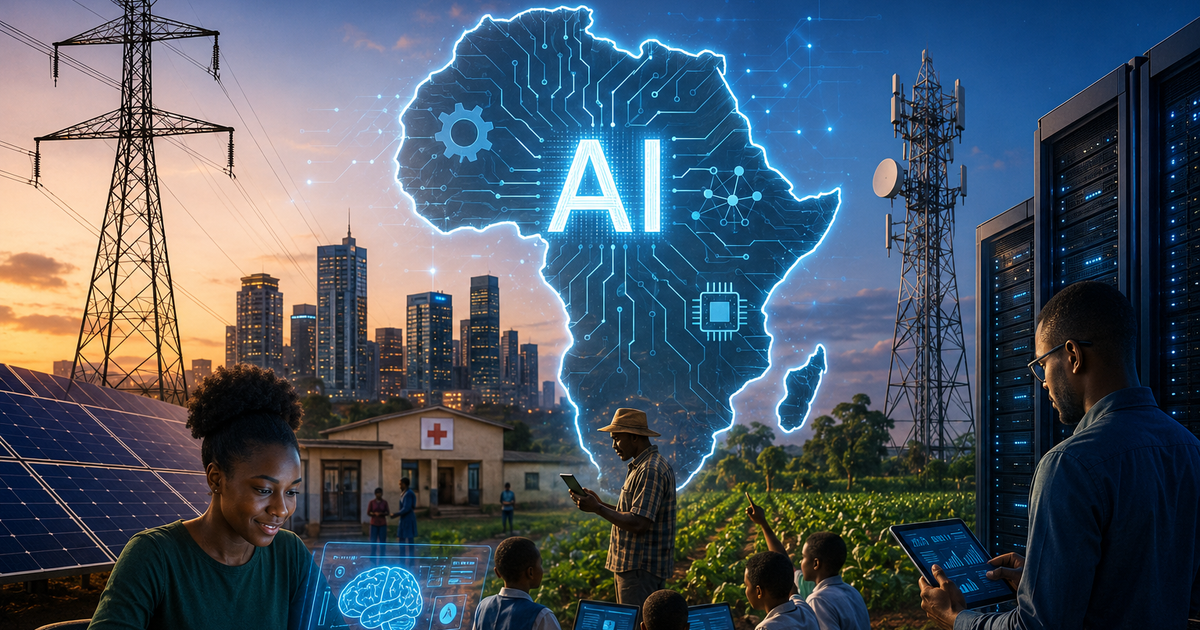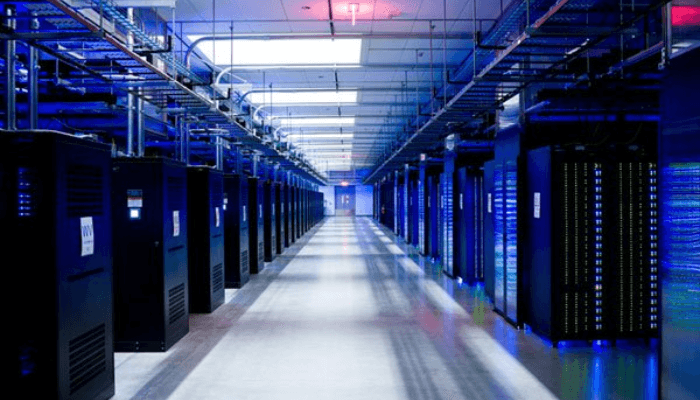
In May 2024, Microsoft and Abu Dhabi-based G42 unveiled plans for a $1 billion data centre campus in Kenya powered by geothermal energy. Cassava Technologies and Nvidia have also announced plans to deploy 12,000 specialised chips across five African countries.
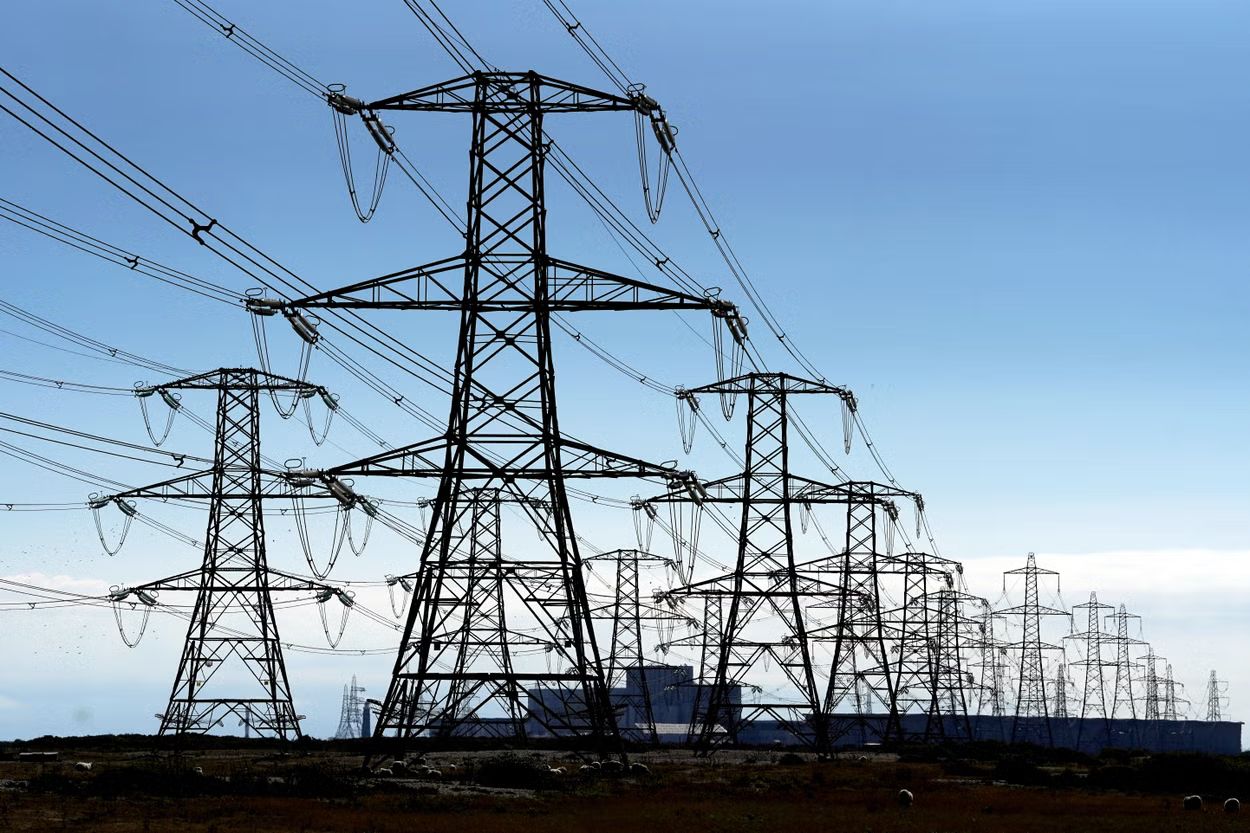
Meanwhile, governments from Rwanda to Nigeria are publishing national strategies that promise to turn artificial intelligence (AI) into a new engine of economic growth. There is just one problem: about half of sub-Saharan Africa still lacks reliable electricity.
Those shortfalls threaten the continent’s AI ambitions. African countries are racing to attract the infrastructure needed to power some of the world’s most advanced technology, even as millions of homes, schools, and businesses remain without dependable electricity or affordable Internet access.
The International Monetary Fund (IMF), in a report released on Tuesday, estimates that AI could increase sub-Saharan Africa’s economic output by as much as 4% over the next decade, provided countries invest in electricity, digital infrastructure, and skills. Under current conditions, the gain could be as little as 0.2%.
Martin Schindler, the IMF paper’s lead author, described the smaller figure as little more than “a rounding error”. The gap between those two scenarios is where Africa’s AI future will be decided.