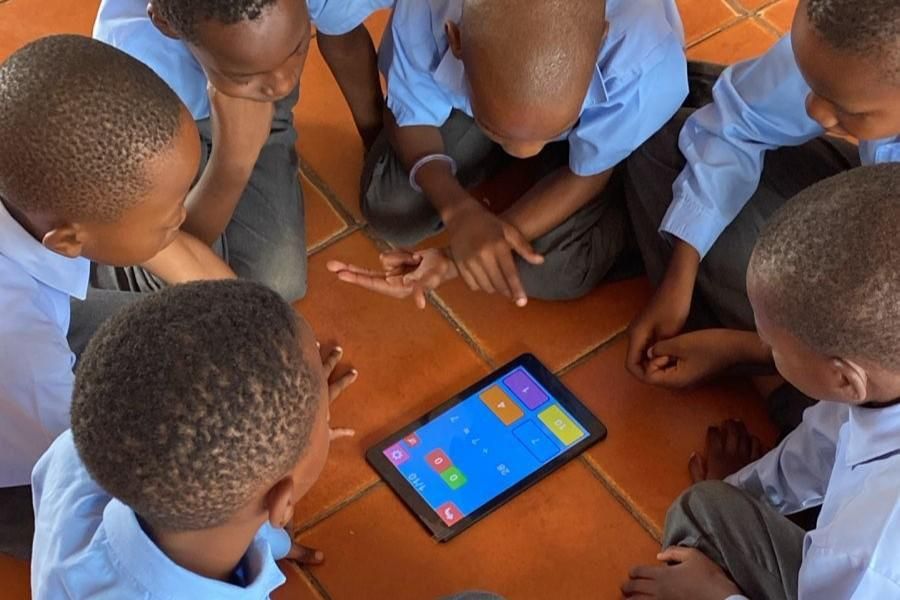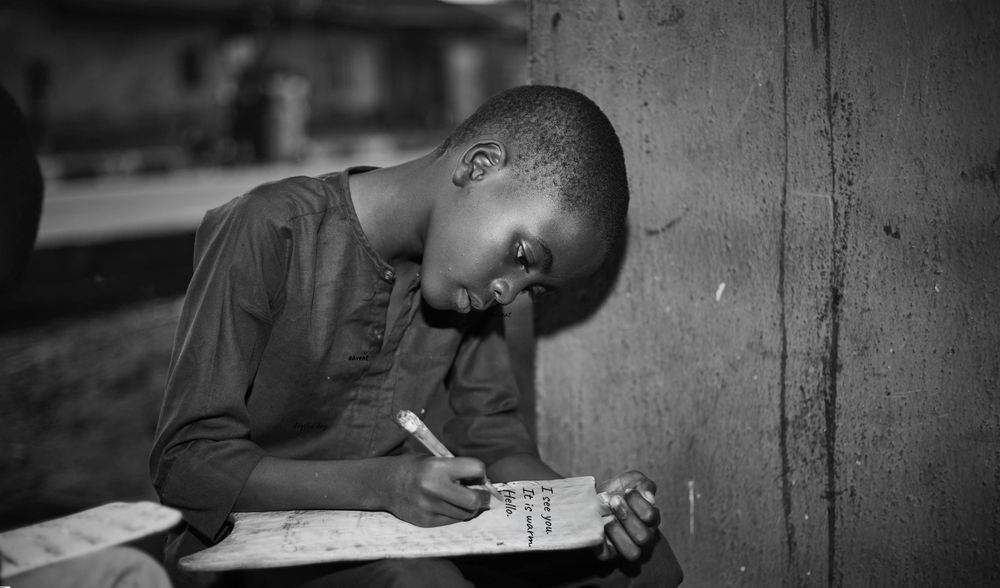
Millions of South Africans still lack access to computers and the digital skills needed to participate fully in the AI-driven economy.
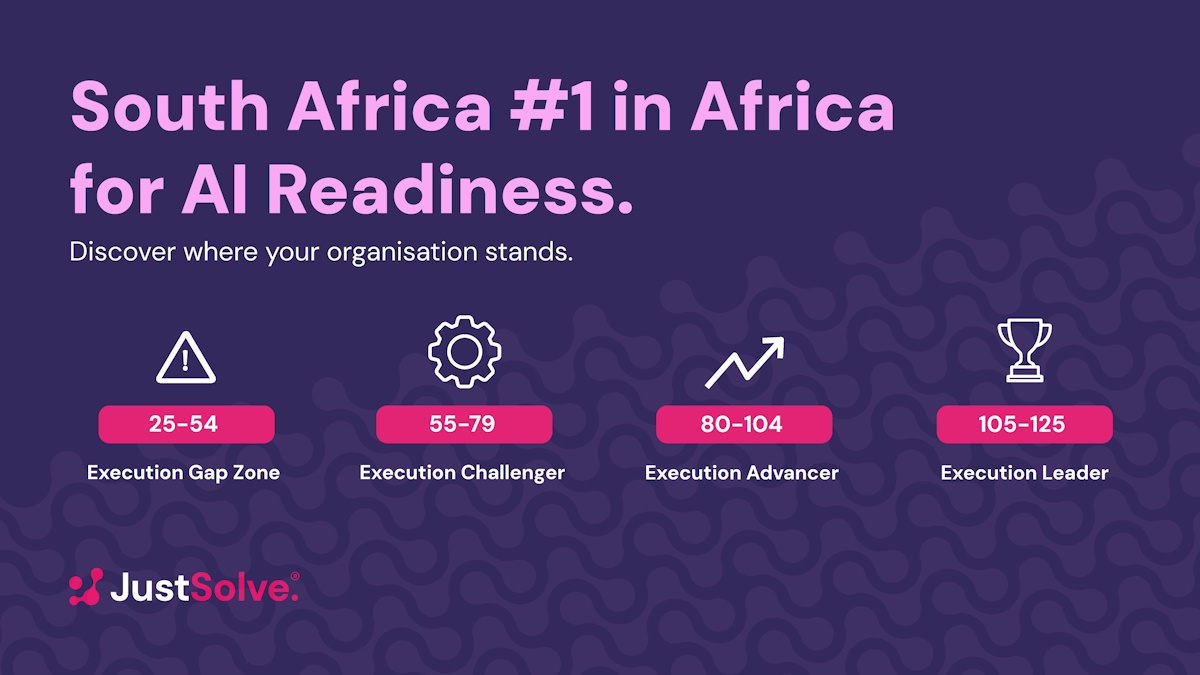
On the surface, South Africa's digital credentials tell only part of the story. The country ranks 46th out of 147 economies in Microsoft's Global AI Diffusion Report for Q1 2026, ahead of every other African country measured, and its generative AI usage has risen to 23.1% of the working-age population. Yet for the majority of South Africans, the conversation about artificial intelligence is happening in a world they cannot fully access. Only 16% of adults own a computer, and many have never used one.
The reality, however, is more complicated. According to the latest available Stats SA earnings data, the median monthly wage for South African workers stands at R5 417. With entry-level computers costing upwards of R6 000, a laptop represents more than a full month's wages for roughly half the workforce. For someone earning at or below that median, buying a computer becomes a major financial barrier. According to the most recent available ITU data, only 26% of South African households had a computer at home. Without regular access to a computer, millions of South Africans do not have the opportunity to build the basic computer literacy now needed for study, work and participation in the AI-driven economy.