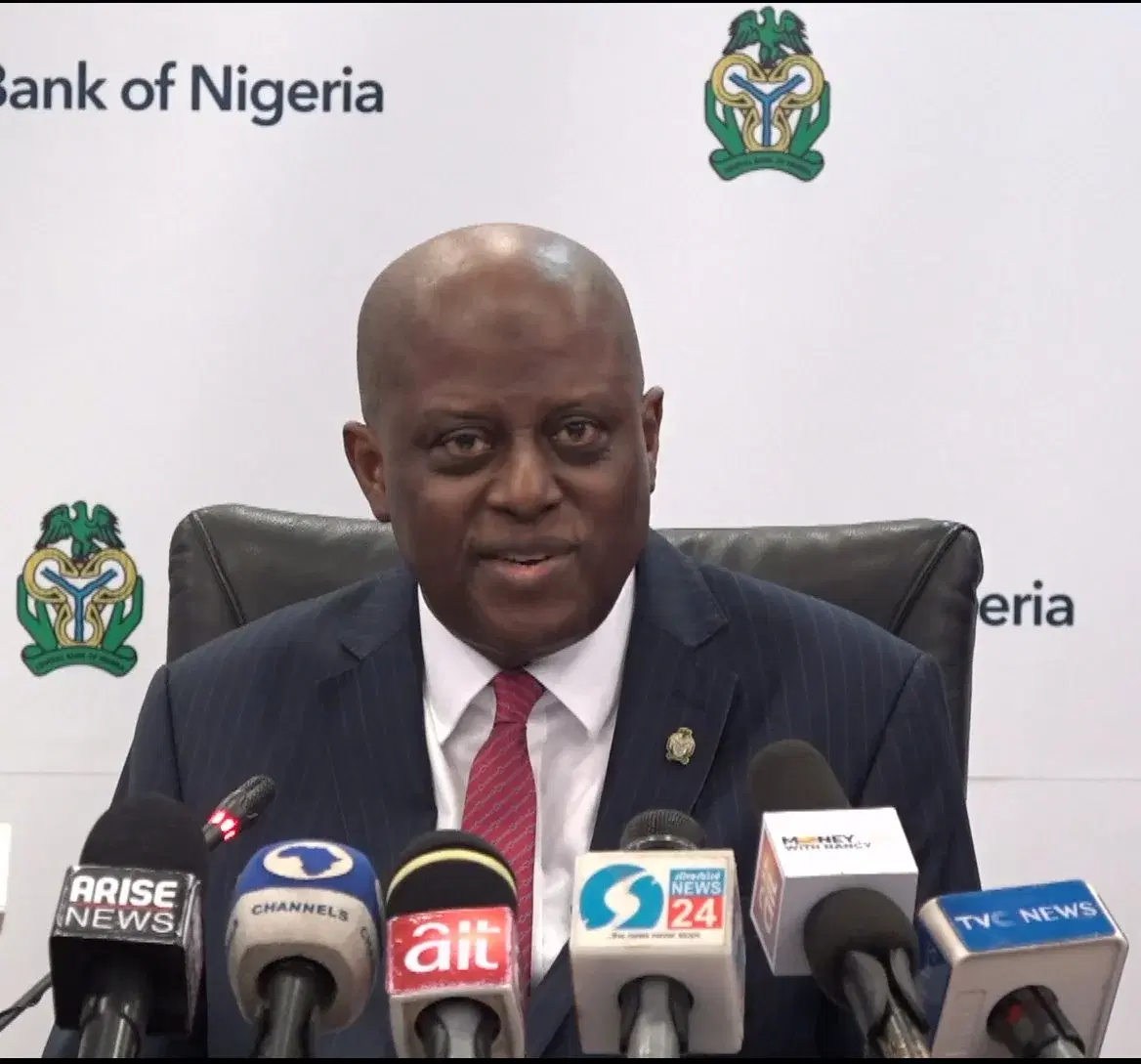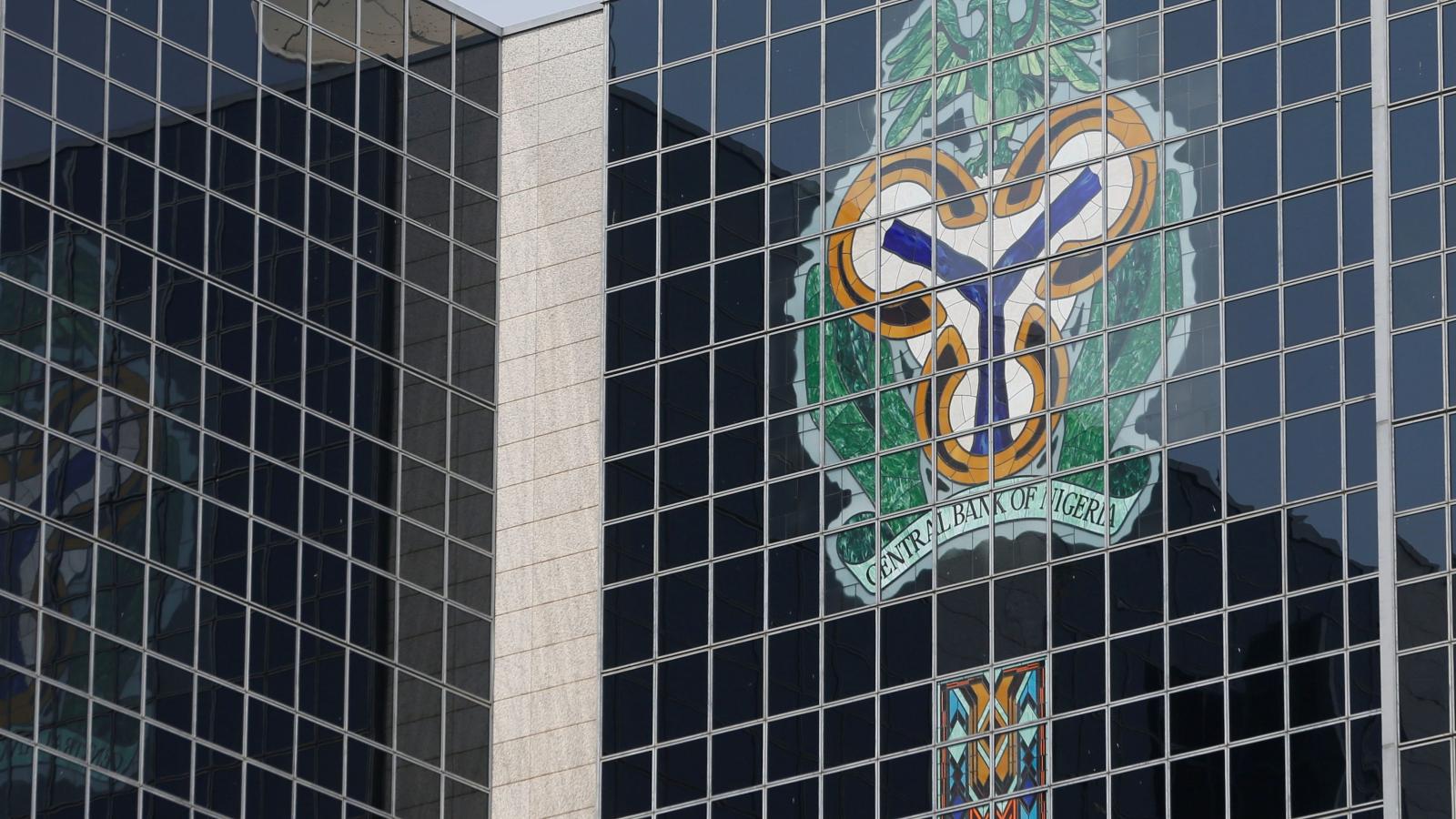
The Central Bank of Nigeria’s (CBN) decision to leave its benchmark Monetary Policy Rate (MPR) unchanged at 26.5 percent for a second consecutive meeting sends a clear message to investors that preserving macroeconomic stability remains the apex bank’s overriding priority, even as inflation begins to ease.
For domestic and foreign investors alike, the outcome of the 306th Monetary Policy Committee (MPC) meeting was less about whether interest rates would change and more about what the decision signals regarding the direction of the Nigerian economy over the coming months.
Read also: CBN seen holding rates through 2026
By retaining all key monetary policy parameters, including the MPR at 26.5 percent, the asymmetric corridor around the MPR at +50/-450 basis points, the Cash Reserve Ratio (CRR) at 45 percent for Deposit Money Banks, 16 percent for Merchant Banks, the 75 percent CRR on non-TSA public sector deposits and the liquidity ratio at 30 percent, the CBN demonstrated that it is prepared to sacrifice short-term credit expansion in favour of consolidating gains in inflation and exchange-rate stability.
The decision was widely anticipated by financial markets. Ahead of the meeting, economists from Standard Chartered Bank, United Capital, Quest Merchant Bank, Agusto & Co, Parthian Securities, Comercio Partners, the Centre for the Promotion of Private Enterprise (CPPE) and other research institutions overwhelmingly projected that the Committee would leave rates unchanged.