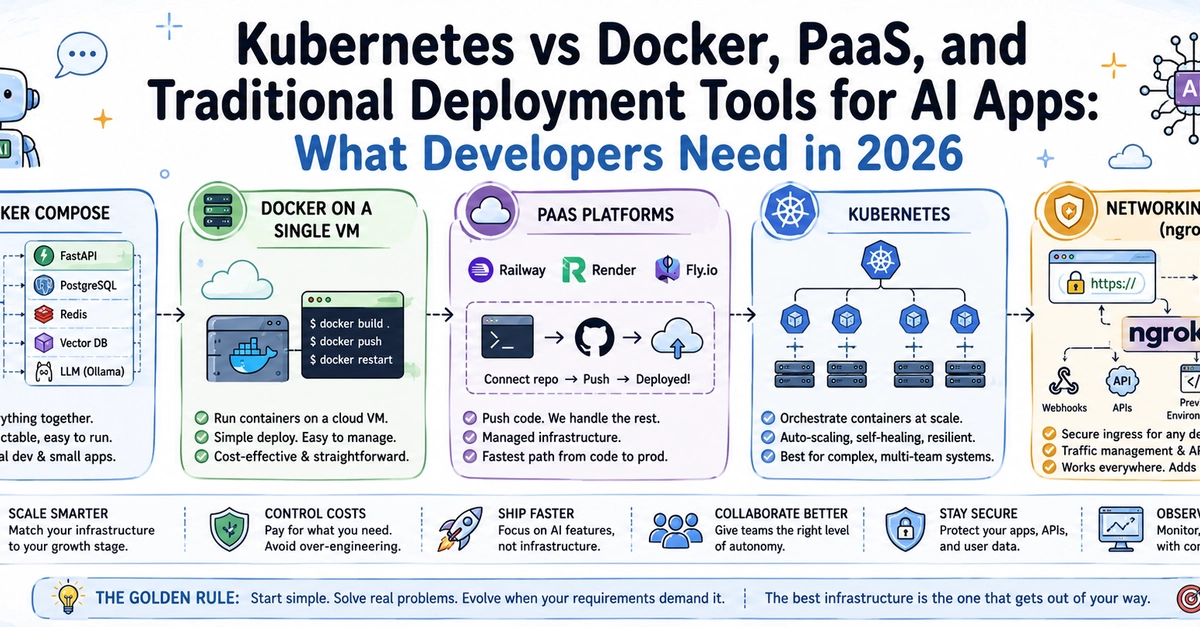
In 2015, if you were building a distributed system, you faced a choice.
Apache Mesos was mature, proven at scale — Twitter and Airbnb ran it in production. Docker Swarm was simple and familiar. And then there was this newcomer called Kubernetes that Google had just open-sourced.
Most developers picked whatever their team already knew. The conventional wisdom was that Mesos was for "real" infrastructure and Kubernetes was a toy. Amazon even launched ECS (EC2 Container Service) instead of embracing Kubernetes.
We all know how that ended.
Kubernetes didn't win because it was the best technology at the time. It won because it became the industry's center of gravity — a neutral substrate that engineers, cloud providers, and vendors could all build on. Once that happened, innovation exploded around it. Networking, storage, observability, security, deployment tools — every gap got filled by the community.