Support CleanTechnica's work through a Substack subscription, on Patreon, or on Stripe. Help us produce all of the high-quality, original content we publish week after week despite the challenges of content-scraping AI, antisocial media, inflation, and other hurdles.
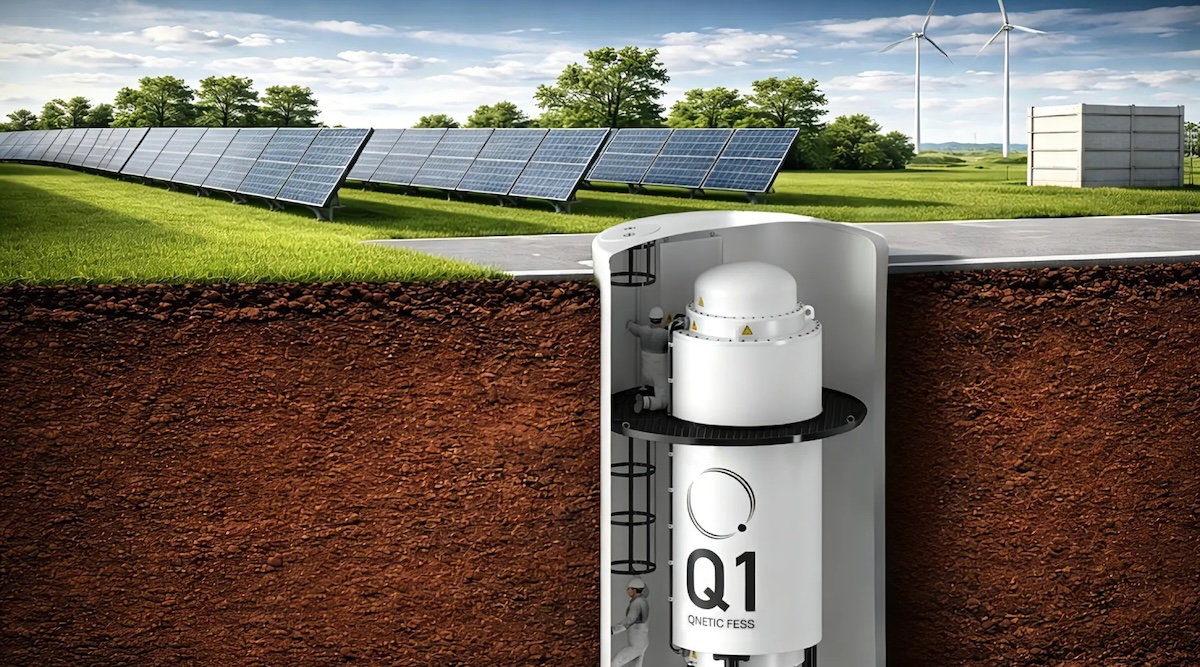
Despite the sharp U-turn in federal energy policy last year, renewable energy continues to rise in the US, particularly in the area of solar power. That helps explain why competition for space in the energy storage industry continues to heat up. Among other recent developments comes word of new activity in the ancient field of flywheels. Yes, flywheels. Initially deployed by potters as far back as 6,000 BC, flywheels are fixtures in aerospace and automotive applications among others, and now they have emerged to support the wind and solar industries.
The Long Duration Energy Storage Race Heats Up
Flywheels are marking out space in the somewhat rarified world of long duration energy storage. Going by a benchmark set by the US Department of Energy, that means a capacity of at least 10 hours, though ideally long duration technology can stretch into multiple days and longer.
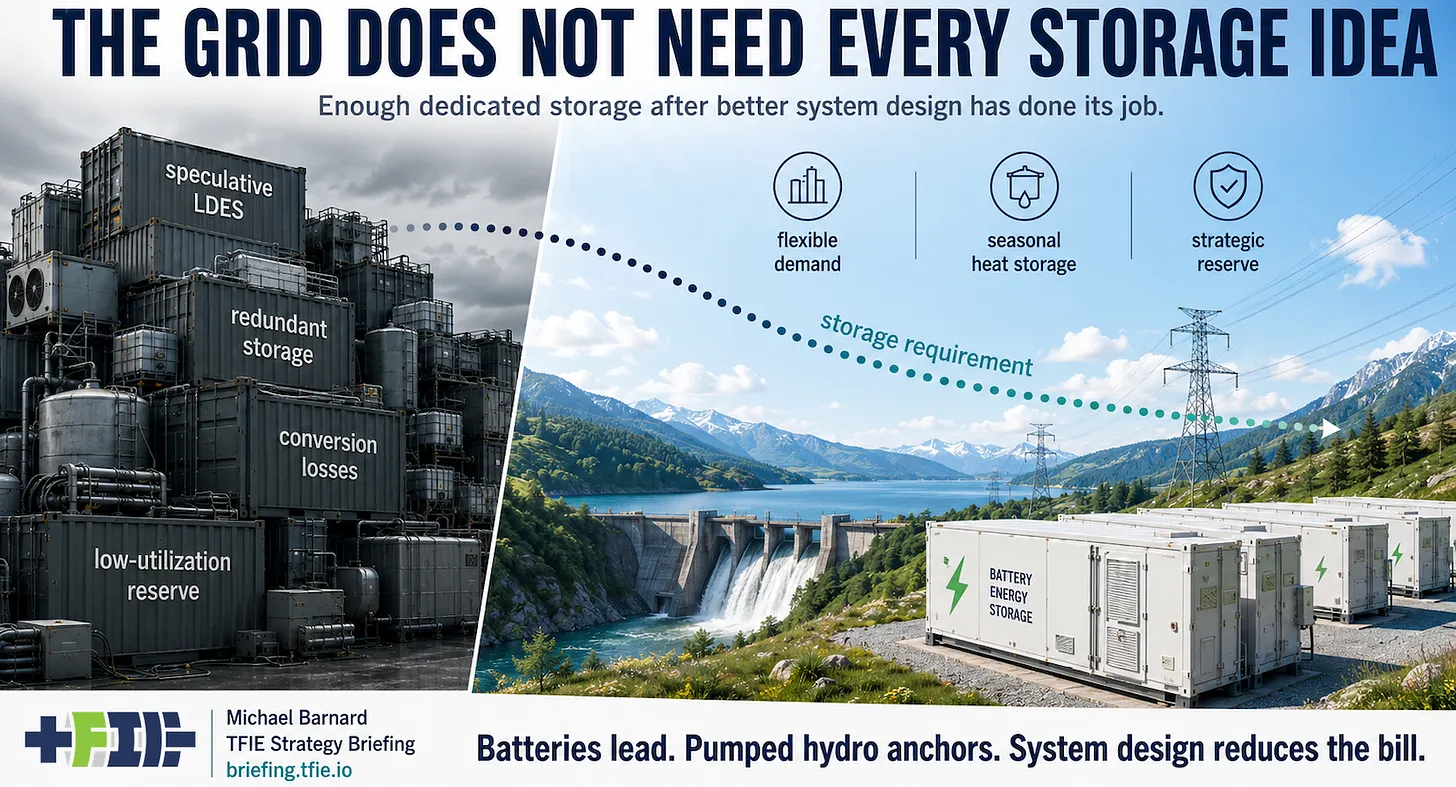
To date, pumped hydropower has provided the largest source of utility-scale, long duration energy storage in the US by far, claiming about 95% of the market. With support — somewhat weirdly — from US President Donald Trump’s “American Energy Dominance” policy, pumped storage will almost certainly continue to dominate on a capacity basis. Availability, though, is another question entirely. Pumped storage is an expensive, infrastructure-dependent venture limited by the requisite resources, namely water and elevation.