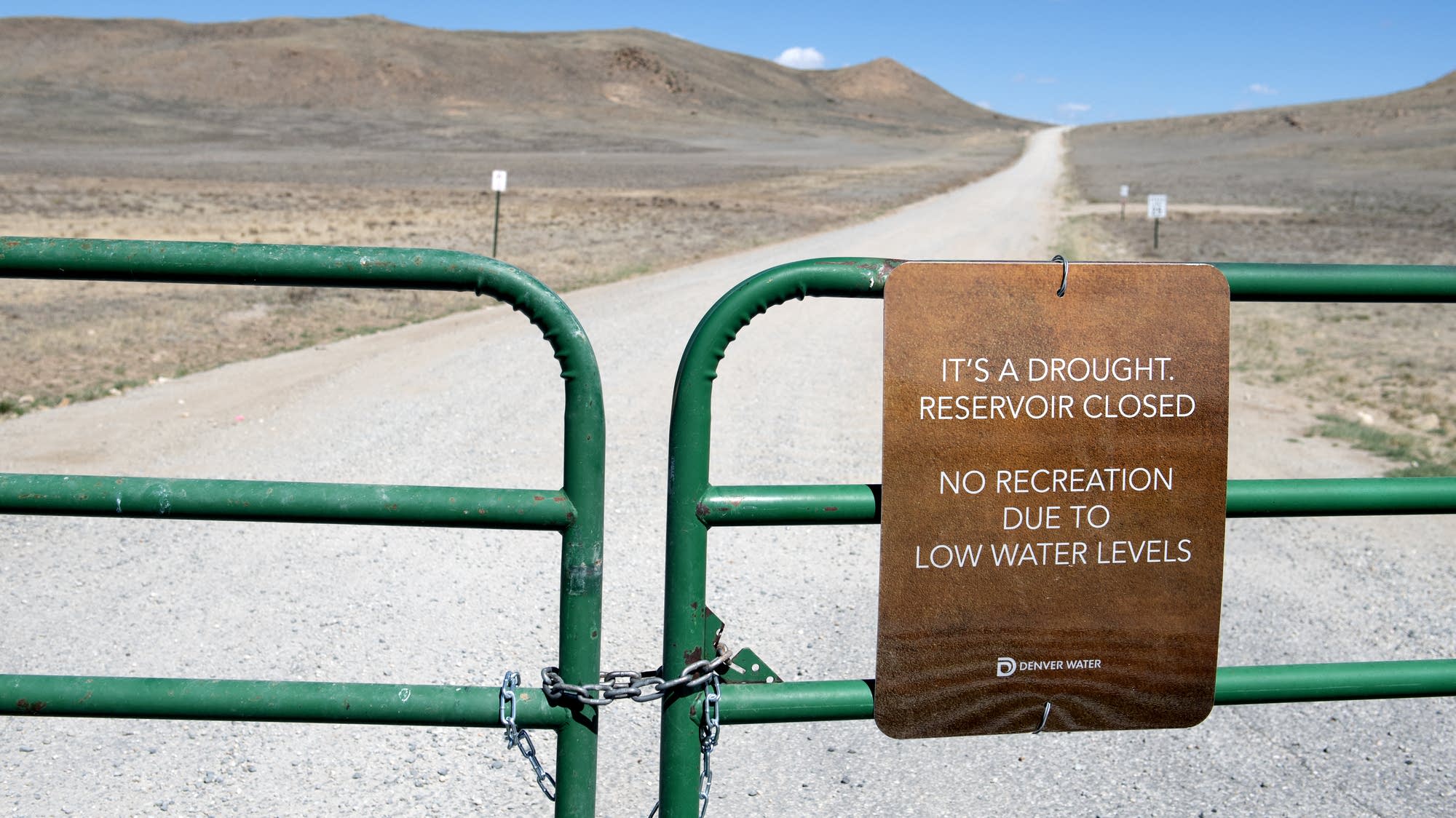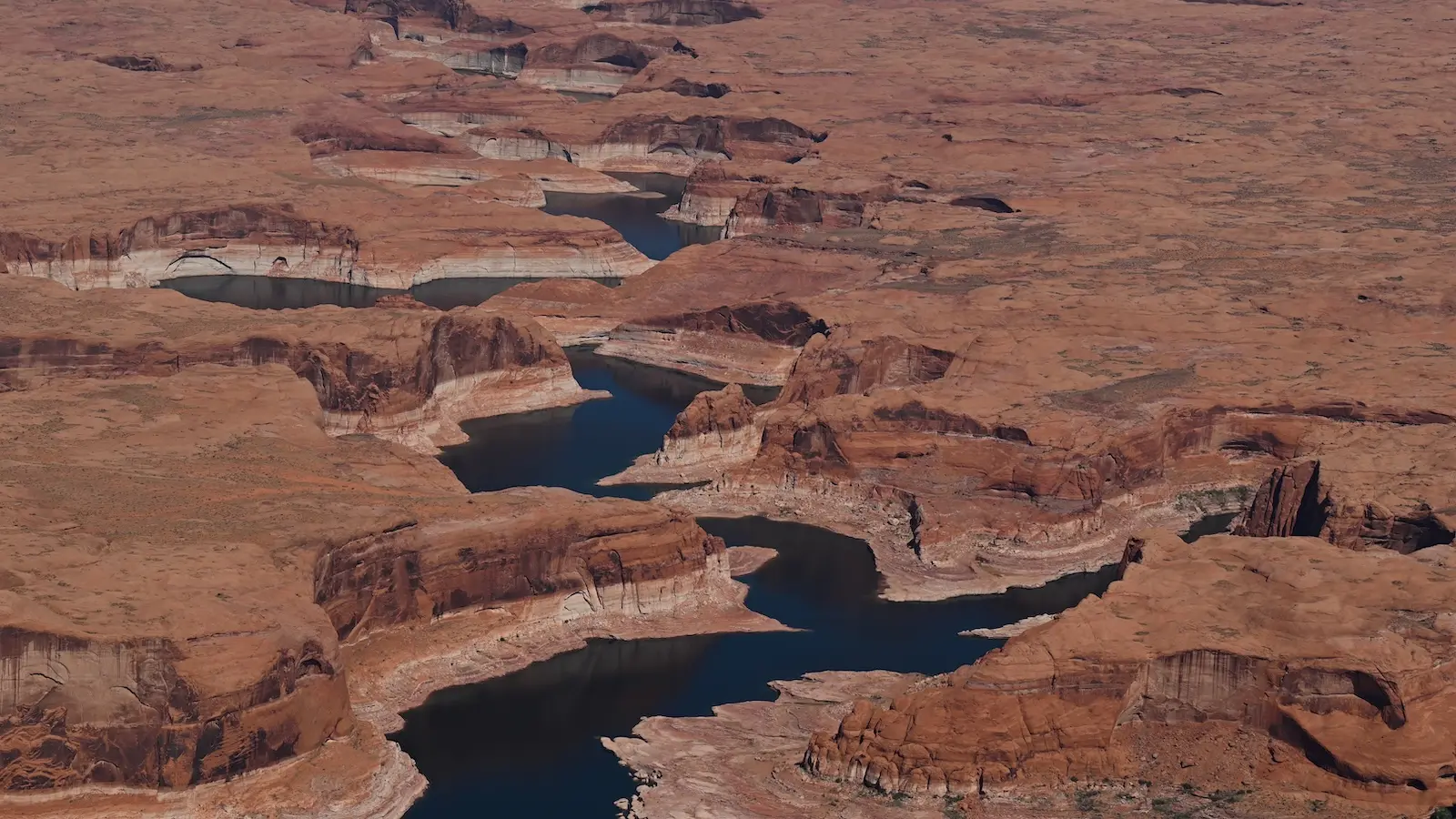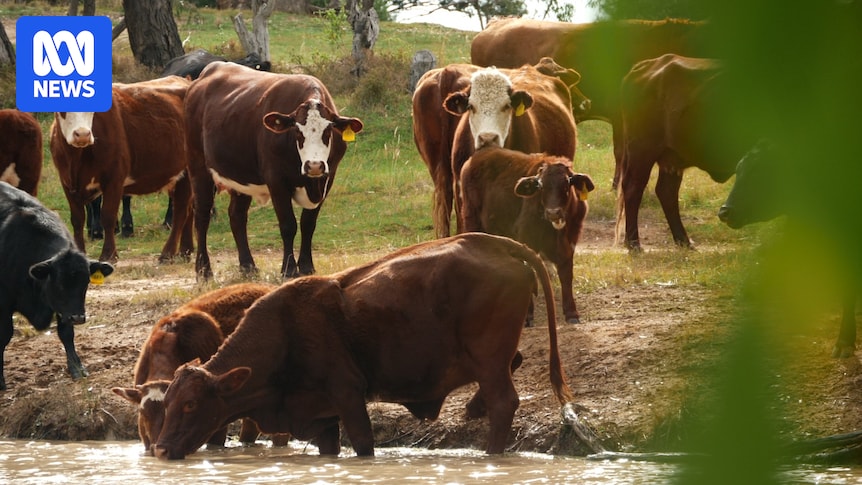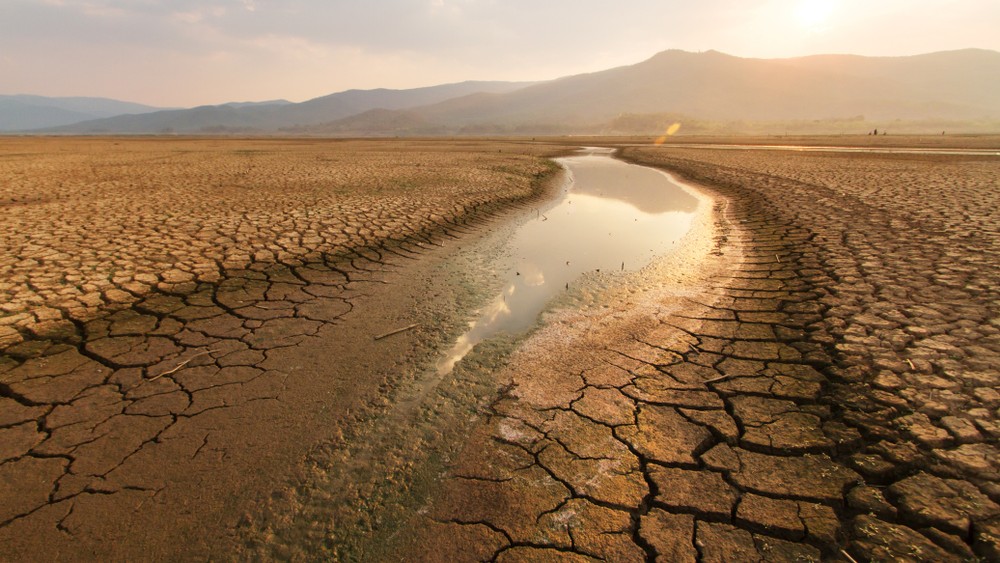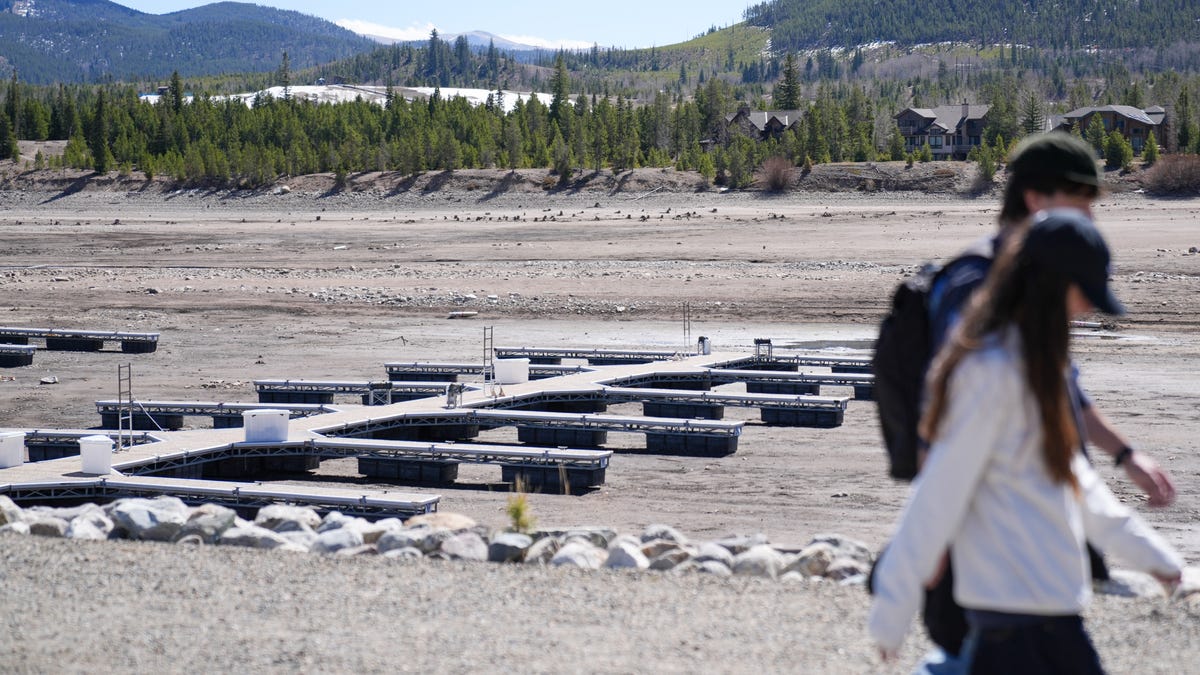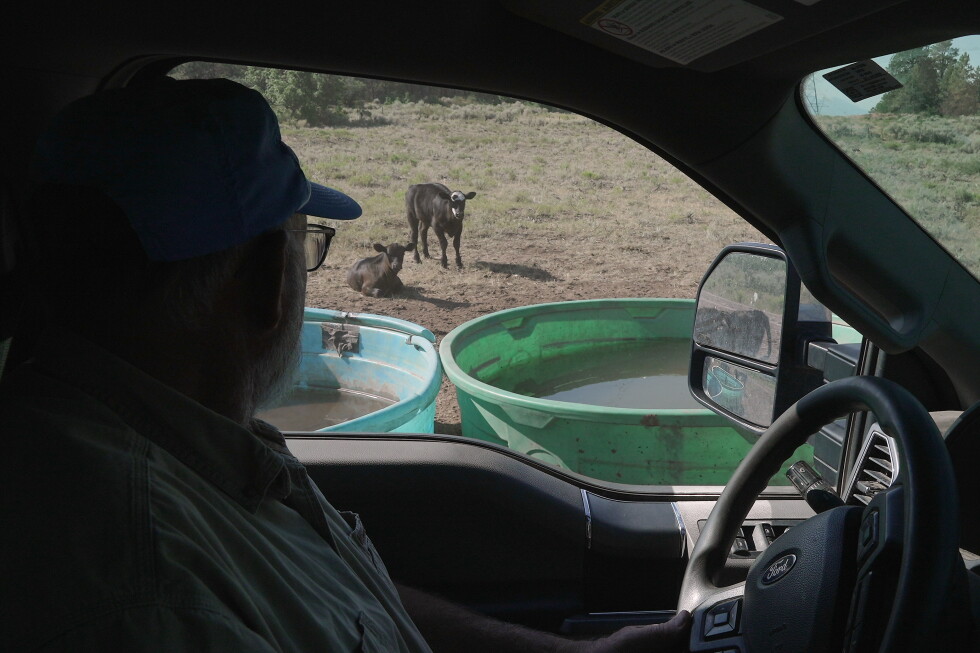
MONTROSE, Colo. (AP) — As water shot into an open stock tank atop a high country mesa, a trickle soaked the dusty earth below. Scott Snyder rose from the shade to fasten a hose and stop the spillage.“It’s just so much work. I hate dropping any of it,” said Snyder, who operates Mex and Sons Ranch near Montrose, Colorado, with his family. It took eight trips in three vehicles over nine hours in sweltering heat before the 800 cow-calf pairs finally had enough water to make it through to the next day — maybe two.Hauling water across rugged landscapes has become a daily chore for many ranchers in the U.S. Rockies. They historically relied on snowmelt to sustain stock ponds, springs and creeks for livestock to drink throughout the summer, but this year’s snowpack was the worst on record in the Upper Colorado River Basin, which includes Wyoming, Colorado, Utah and New Mexico. Human-caused climate change made the snow drought about 14 times more likely, a new study confirms. Coping with the impacts of minimal snow and a so far lackluster monsoon season is requiring more time, money and stress from producers who are already struggling to maintain family legacies and meet America’s demand for beef.
Water hauling is the new chore no rancher asked for
The combination of the worst snowpack on record and fast-spreading wildfires is changing the job description for ranchers in the Rocky Mountains.
961 words~4 min read