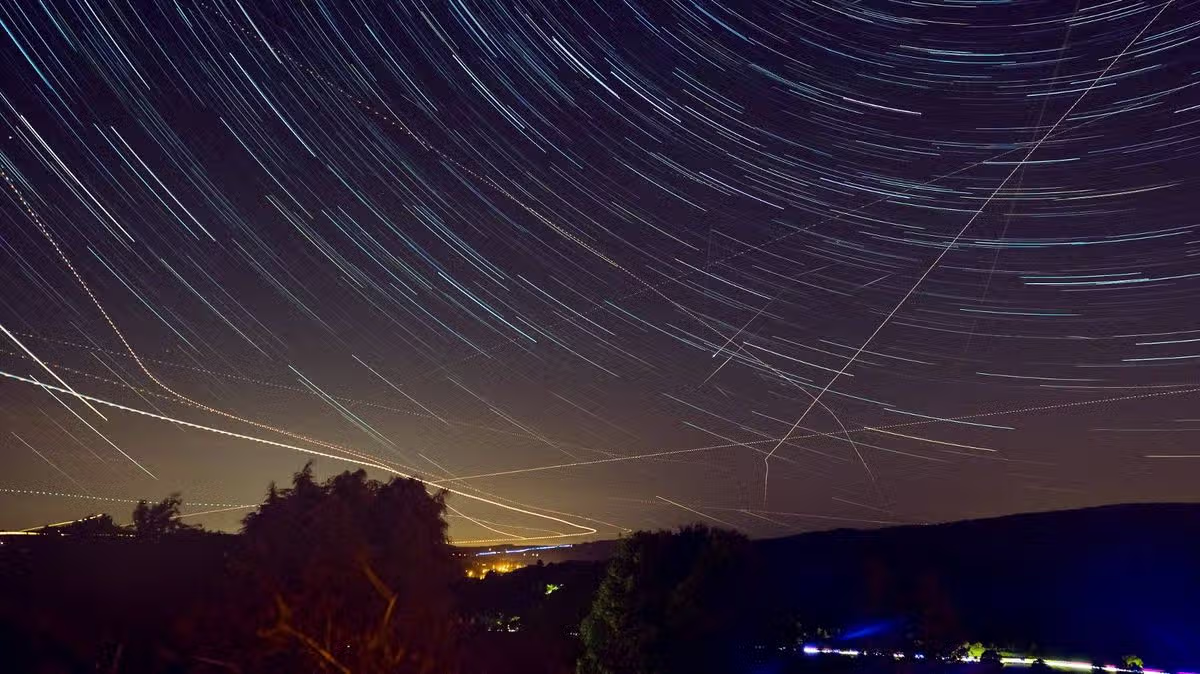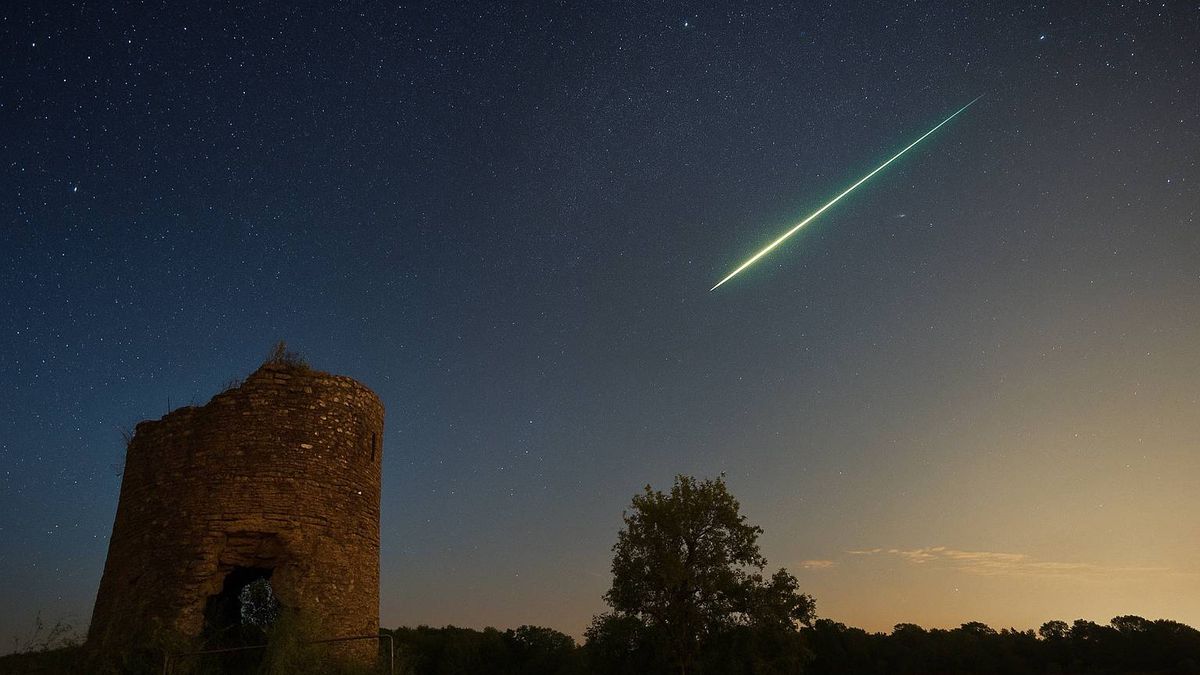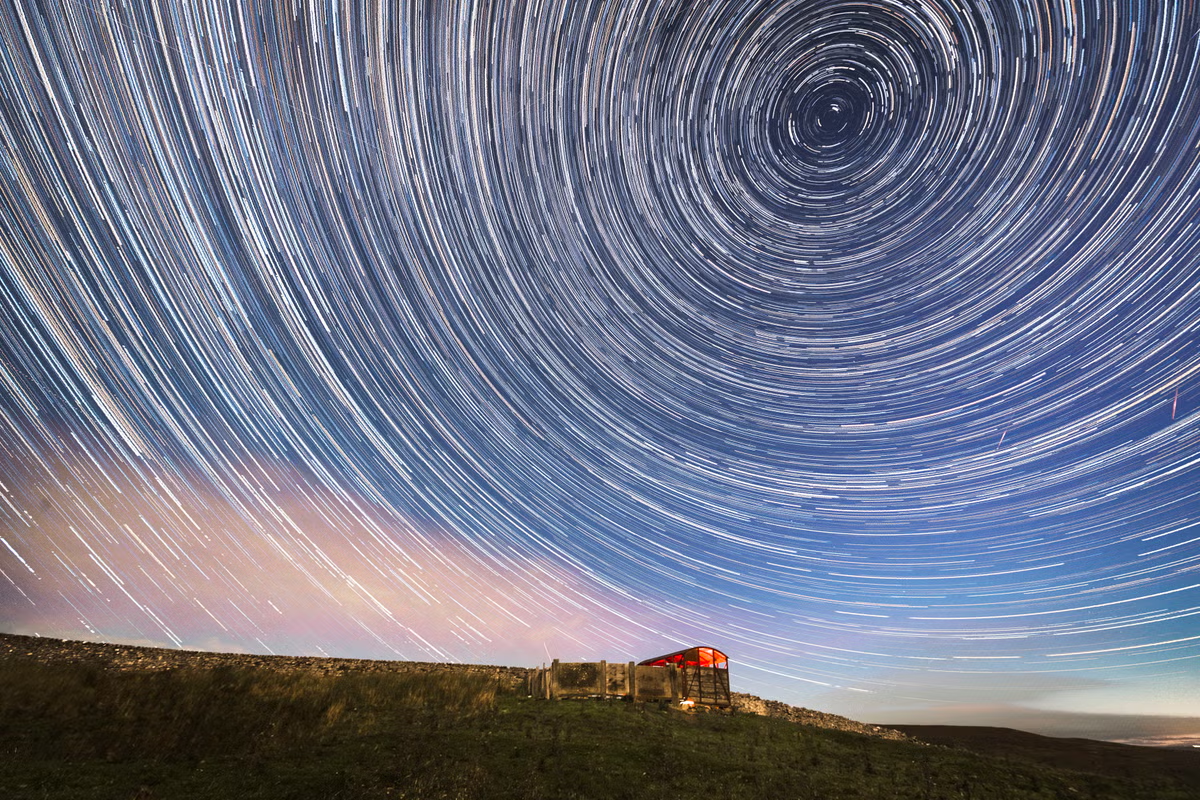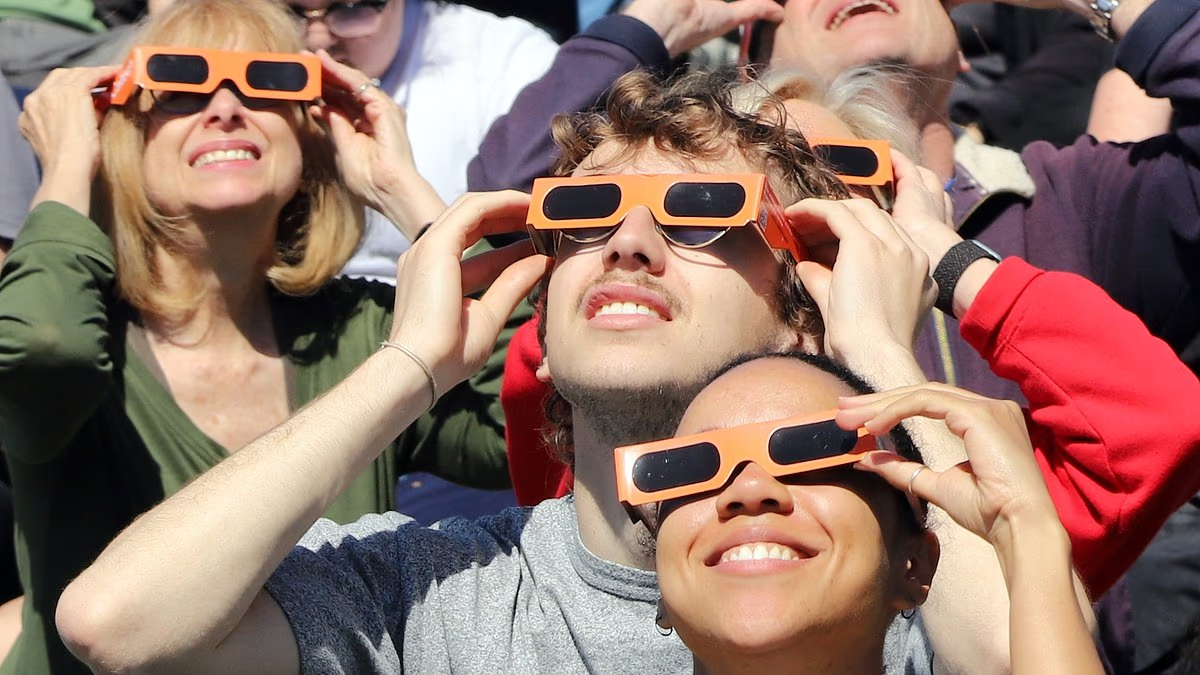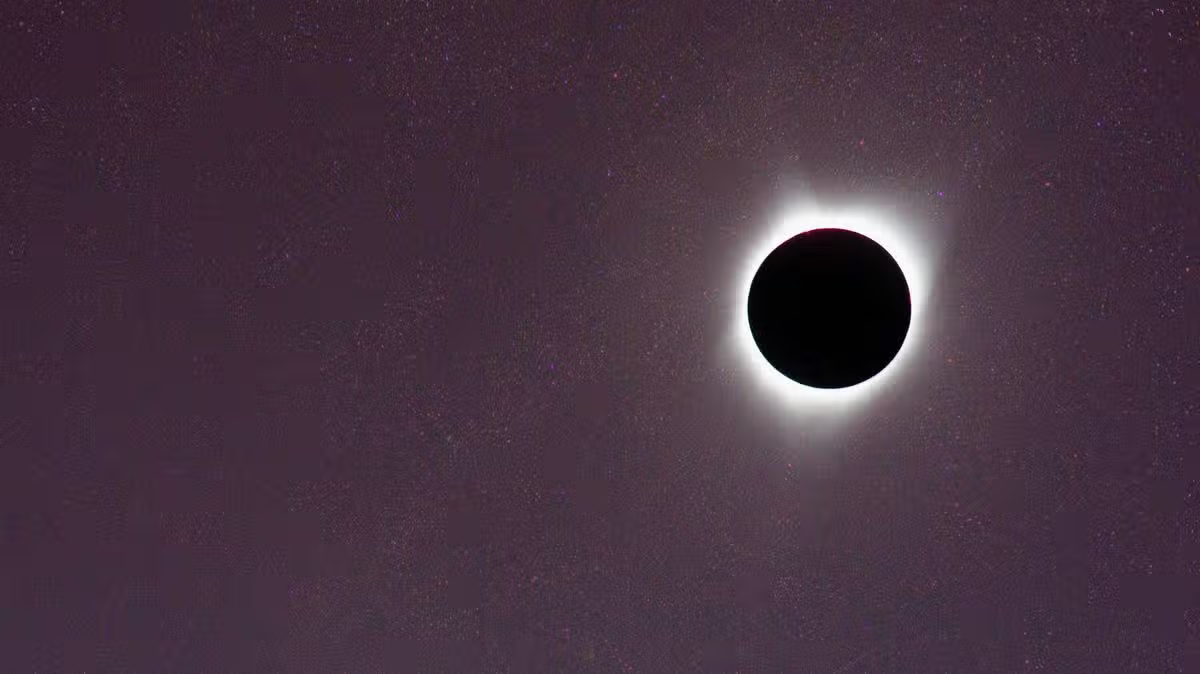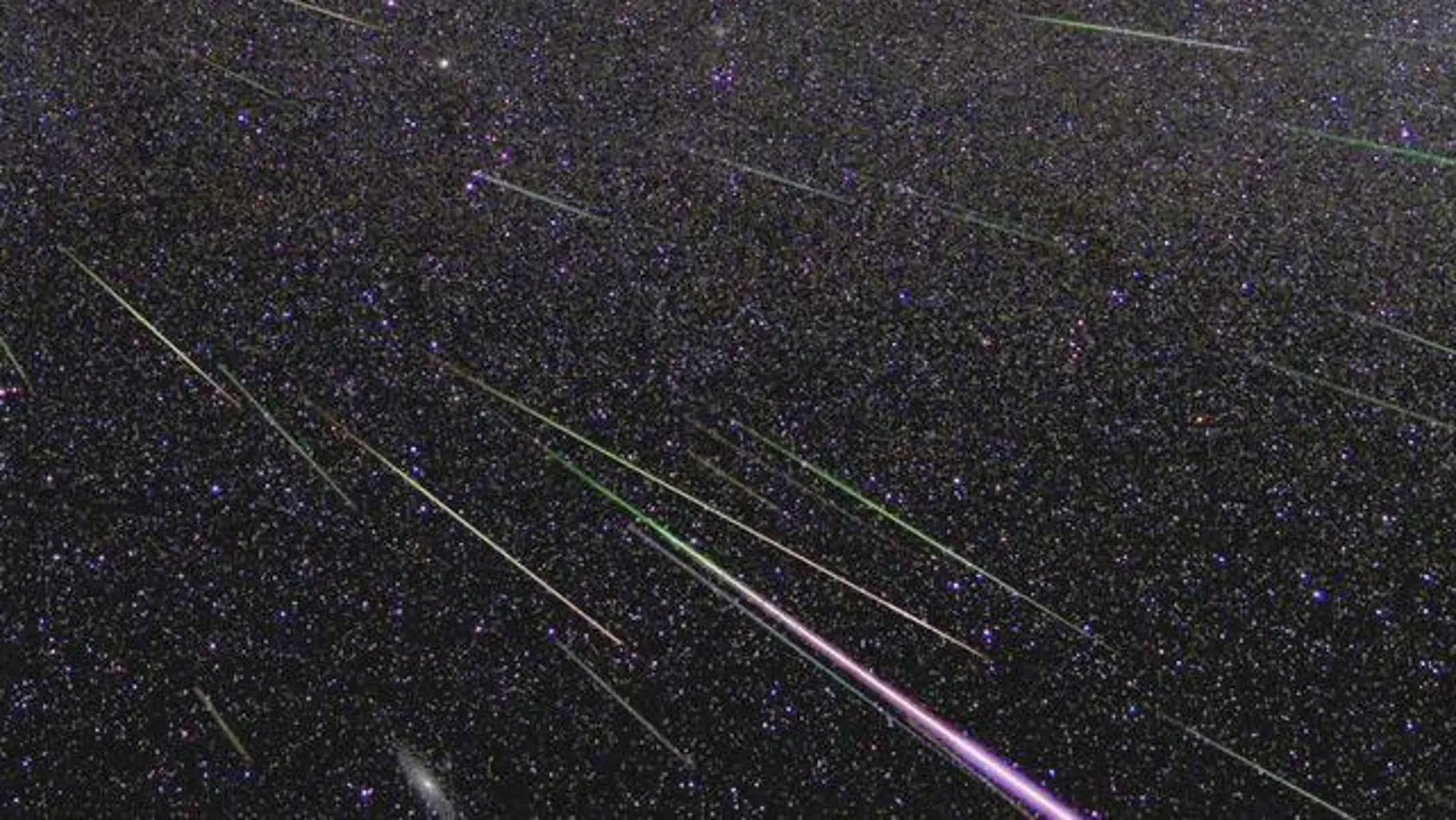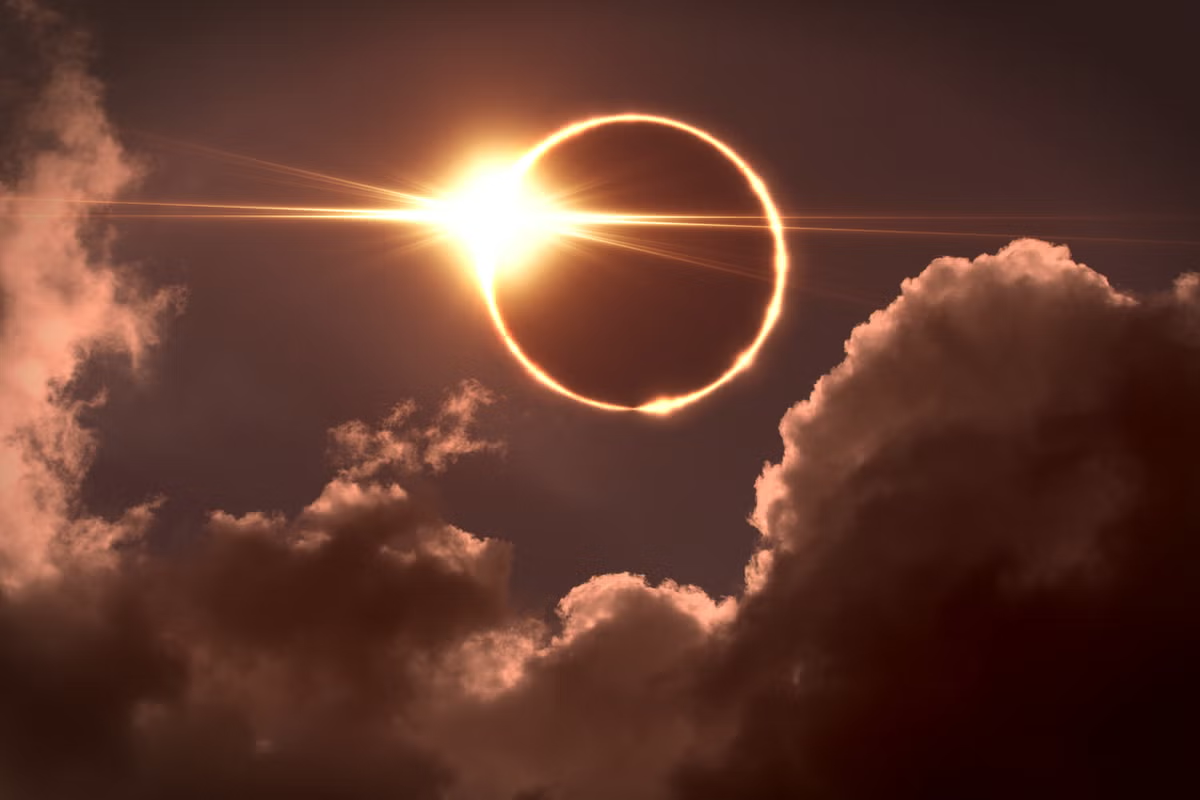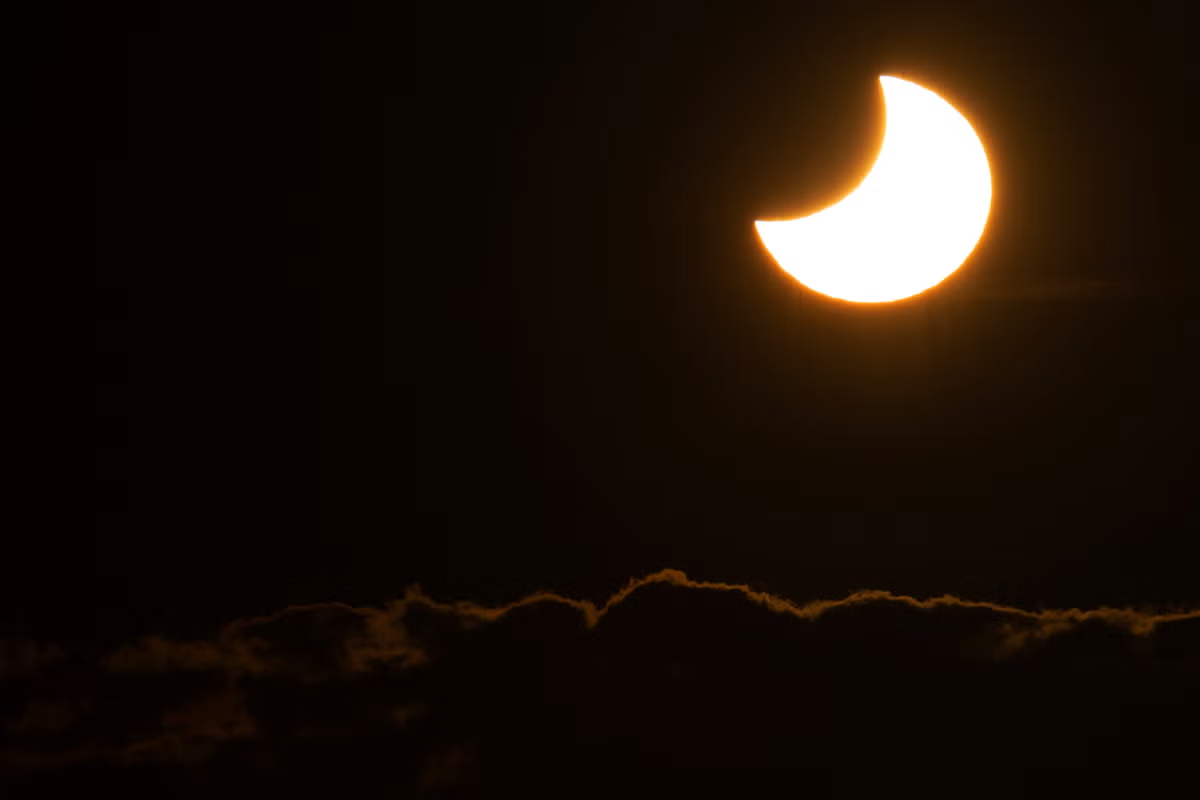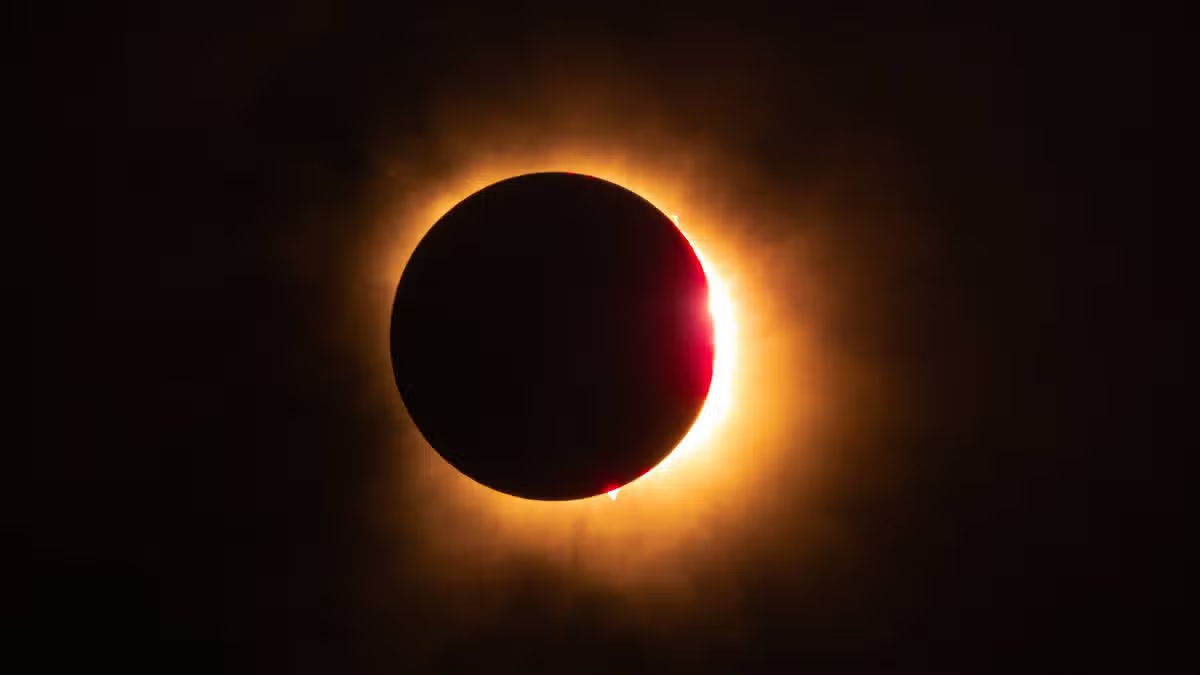
NewsUK NewsSolar eclipseThe UK is set to witness a once-in-a-generation cosmic double-header soon, when the deepest partial solar eclipse in decades will be immediately followed by the peak of the Perseid meteor shower12:14, 25 Jul 2026All you need to know about the upcoming solar eclipse' and meteor showerBritain is set to experience a once-in-a-generation cosmic double-bill on Wednesday, 12 August 2026, when the deepest partial solar eclipse in decades will be immediately followed by the peak of the Perseid meteor shower. While parts of Iceland, Greenland, and Spain will enjoy a total solar eclipse, the UK will witness its greatest partial solar eclipse since 1999, with up to 90% to 96% of the sun obscured by the moon.The event gets under way at around 6:10 pm to 6:20 pm, reaches its maximum peak between 7:10 pm and 7:15 pm, and wraps up by 8:10 pm. Stargazers can expect a noticeable drop in temperature, darkening skies, and an eerie twilight atmosphere right through the golden hour.The sun will sit low in the western sky, so a clear view of the western horizon is essential. The highest coverage will be visible in South West England (such as Cornwall and Devon) and parts of Wales. Certified ISO 12312-2 eclipse glasses are an absolute must; ordinary sunglasses will not safeguard your eyes from permanent damage.Just hours after the eclipse draws to a close, the annual Perseid meteor shower will reach its breathtaking peak overnight between August 12 and 13. Spectators can expect to see up to 150 shooting stars per hour streaking across the night sky.As the eclipse coincides with a new moon, the night sky will be entirely dark and free from moonlight, creating the perfect conditions to spot even the most faint meteors. Although meteors will be visible after dark, the best time to watch is between midnight and 5:30am on August 13, when the Earth passes directly through the debris cloud.Anyone keen to catch the meteor shower should seek out a dark spot well away from city lights, lie flat on their back and gaze upwards. There's no need for telescopes or binoculars, as meteors can streak across any part of the open sky.Article continues belowREAD MORE: Exact date total solar eclipse will hit UK and plunge Europe into darknessChoose Daily Mirror as a 'Preferred Source' on Google News for quick access to the news you value.Solar eclipseMeteors
'Greatest solar eclipse' and meteor shower on its way - all you need to know
The UK is set to witness a once-in-a-generation cosmic double-header soon, when the deepest partial solar eclipse in decades will be immediately followed by the peak of the Perseid meteor shower
397 words~2 min read