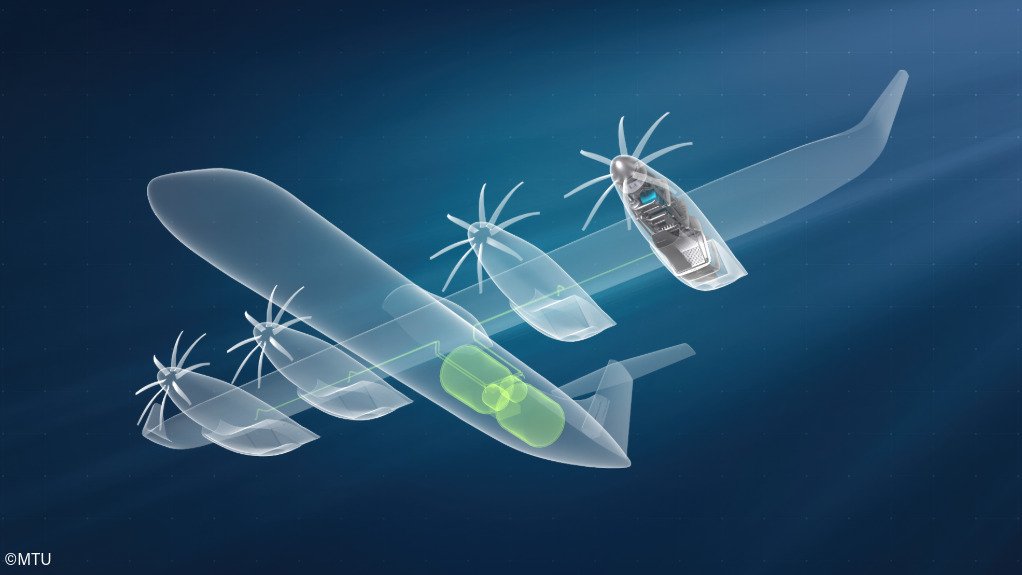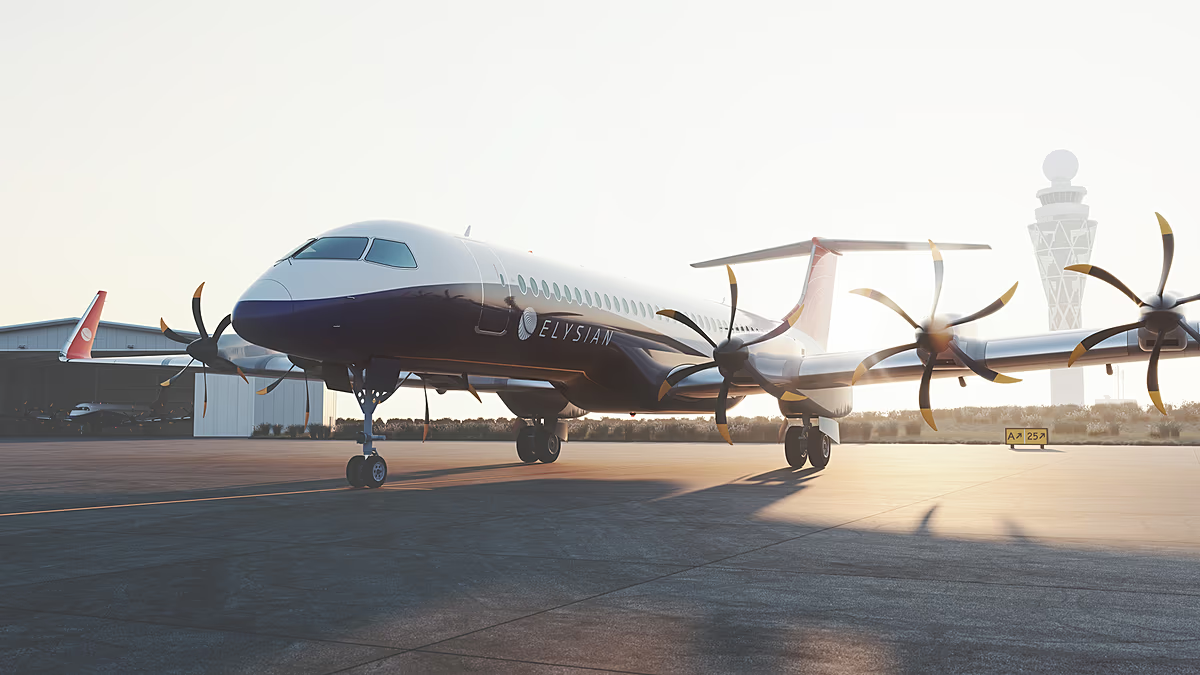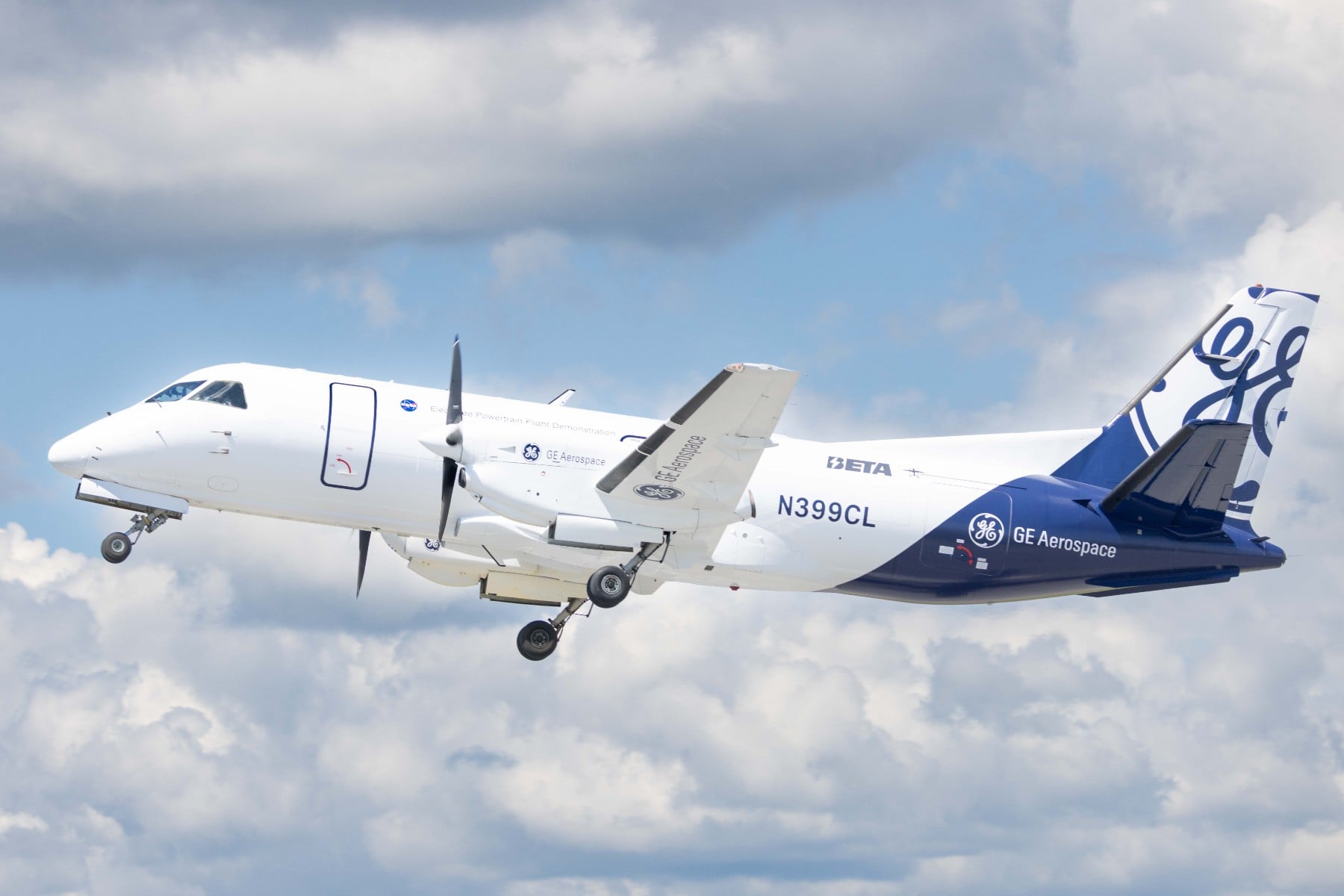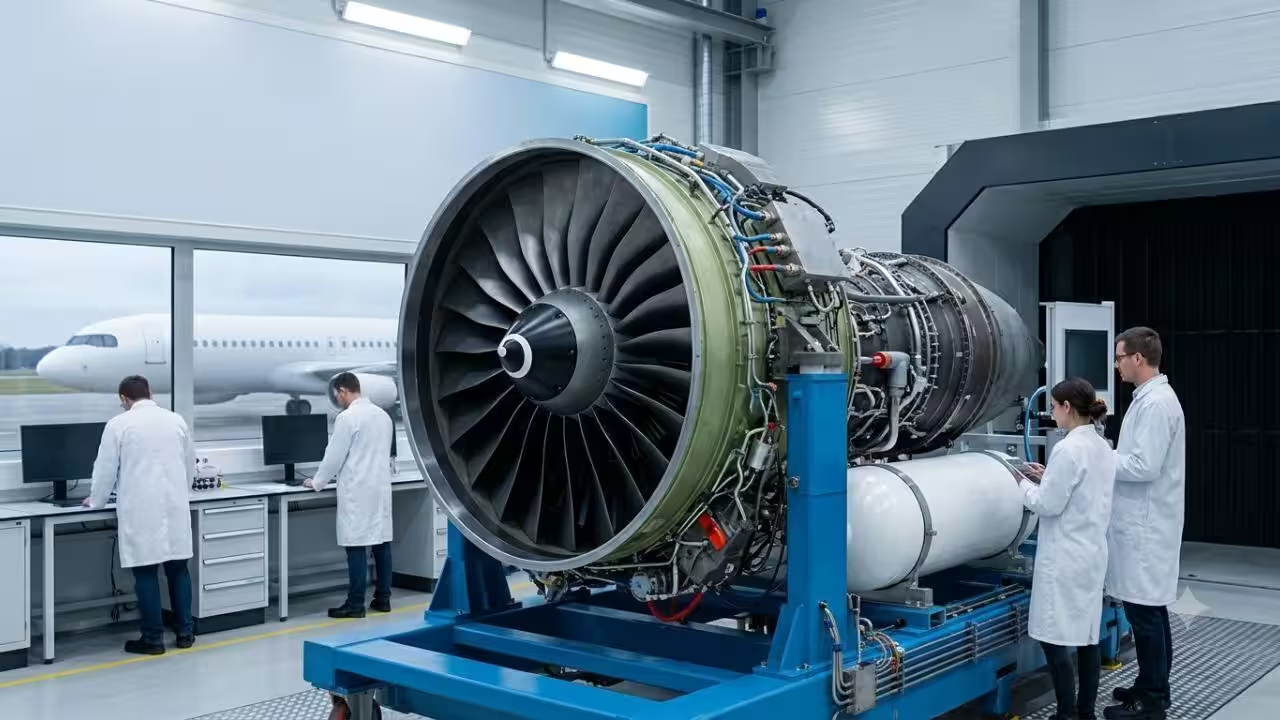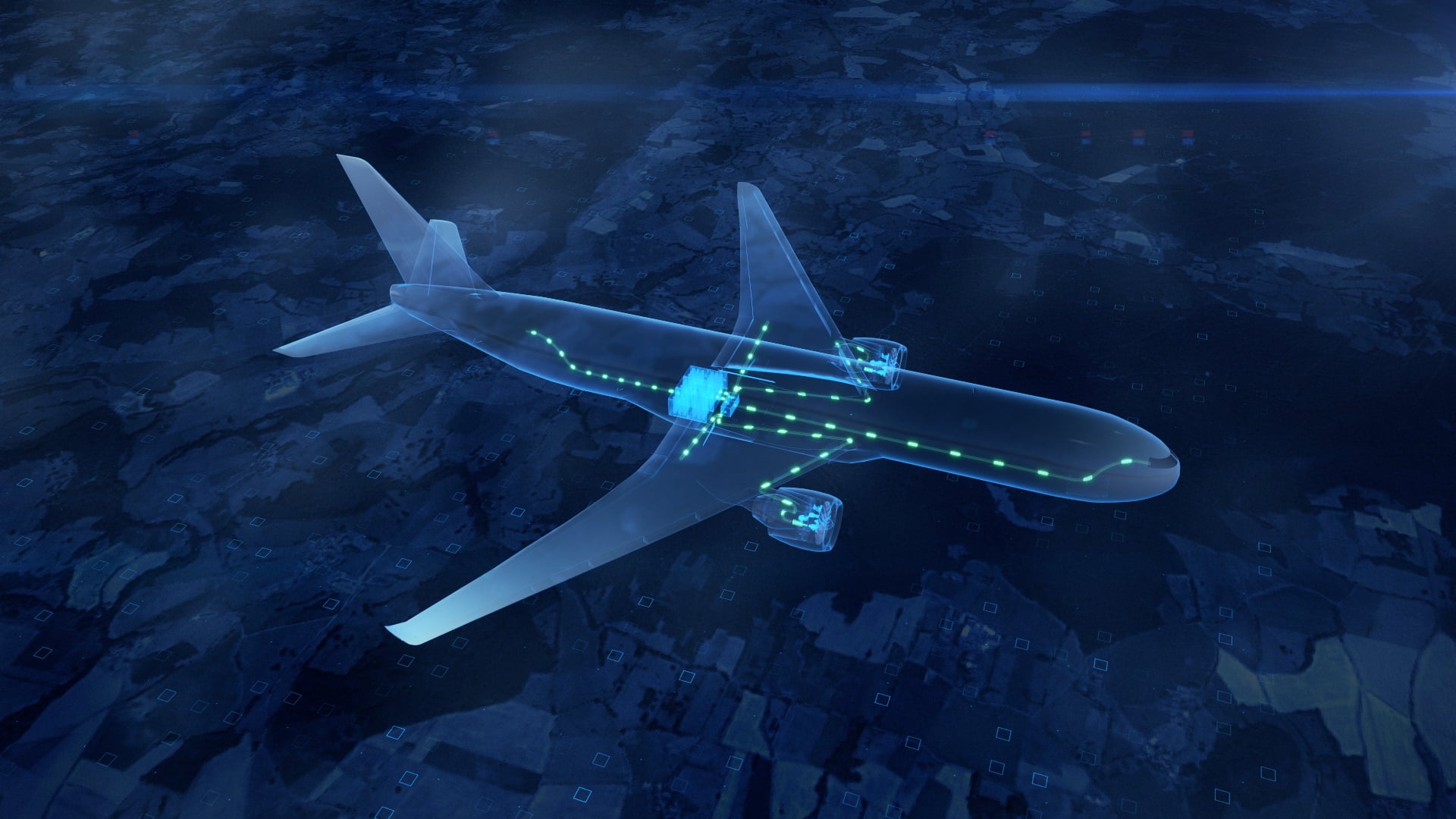
The focus here is not on an electric main propulsion system, but on a hybrid-electric energy architecture for non-propulsive systems. The LEIA project, funded by the EU initiative Clean Aviation Joint Undertaking, aims to advance technologies for high-voltage generation and distribution from the development of individual components to an integrated aircraft system. The goal is to prepare these systems for future integration and certification in short- and medium-haul aircraft.
Airbus is responsible for integrating the components developed by project partners. These include scalable motor-generators, electronic control units, and energy distribution systems. Batteries and energy management systems will also be incorporated into the overall architecture. A comprehensive ground demonstration is planned by 2027.
Technologically, LEIA builds on the predecessor project SWITCH, which focused on subsystems for hybrid-electric propulsion. Airbus states that, in July, Collins Aerospace completed integrated laboratory tests involving Pratt & Whitney, GKN Aerospace, and MTU Aero Engines. The developed systems are now being transferred to Airbus’s STEP laboratory (‘Sustainable Technology and Engineering Projects’) in Ottobrunn, Bavaria. There, integration tests at the aircraft level – including battery integration and energy management – will take place.