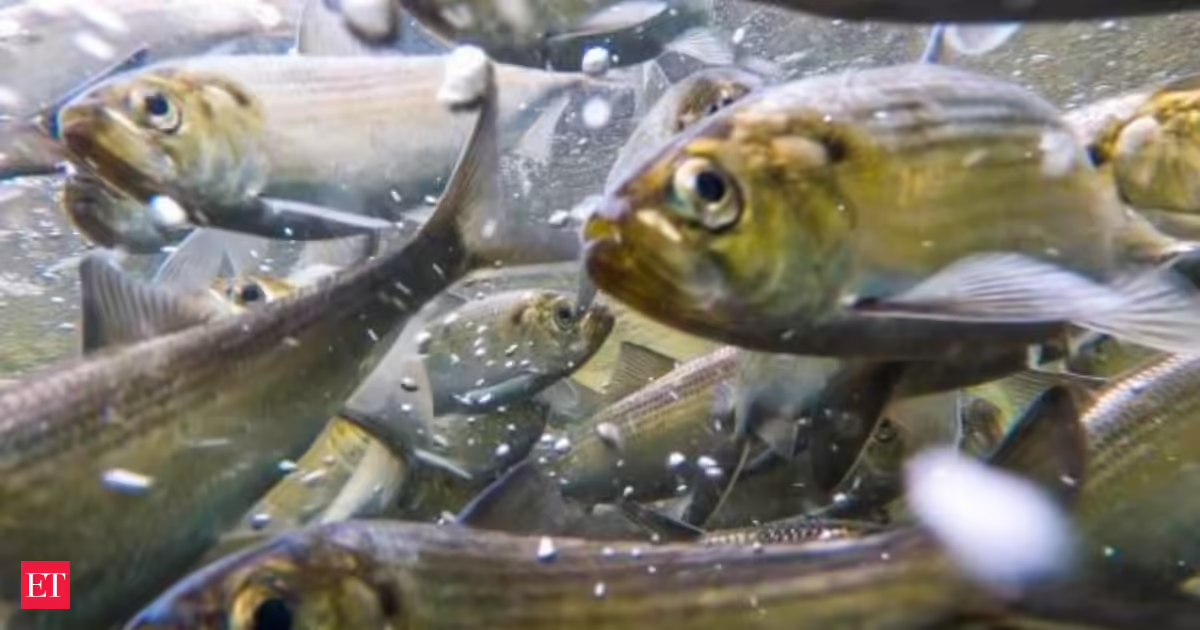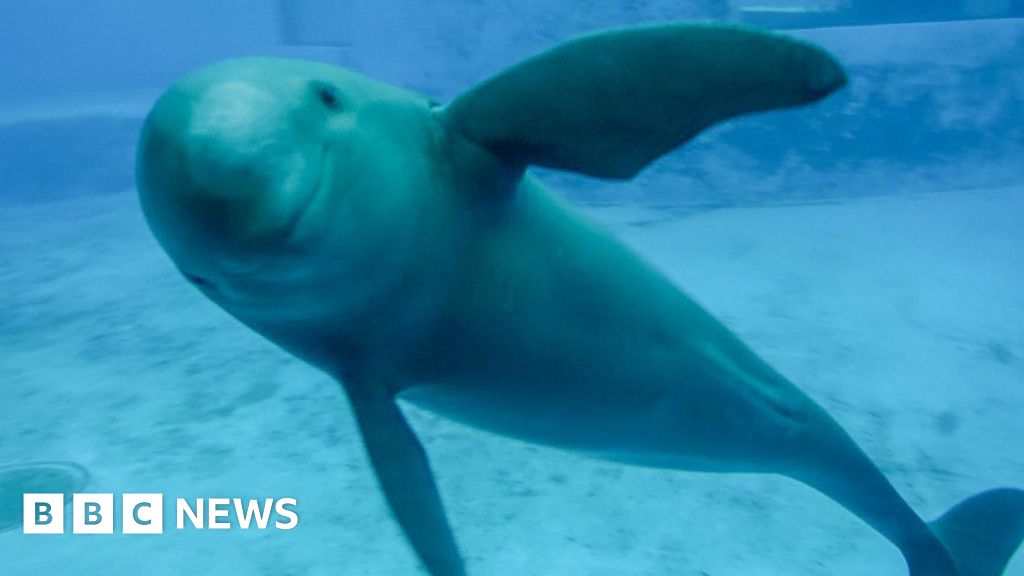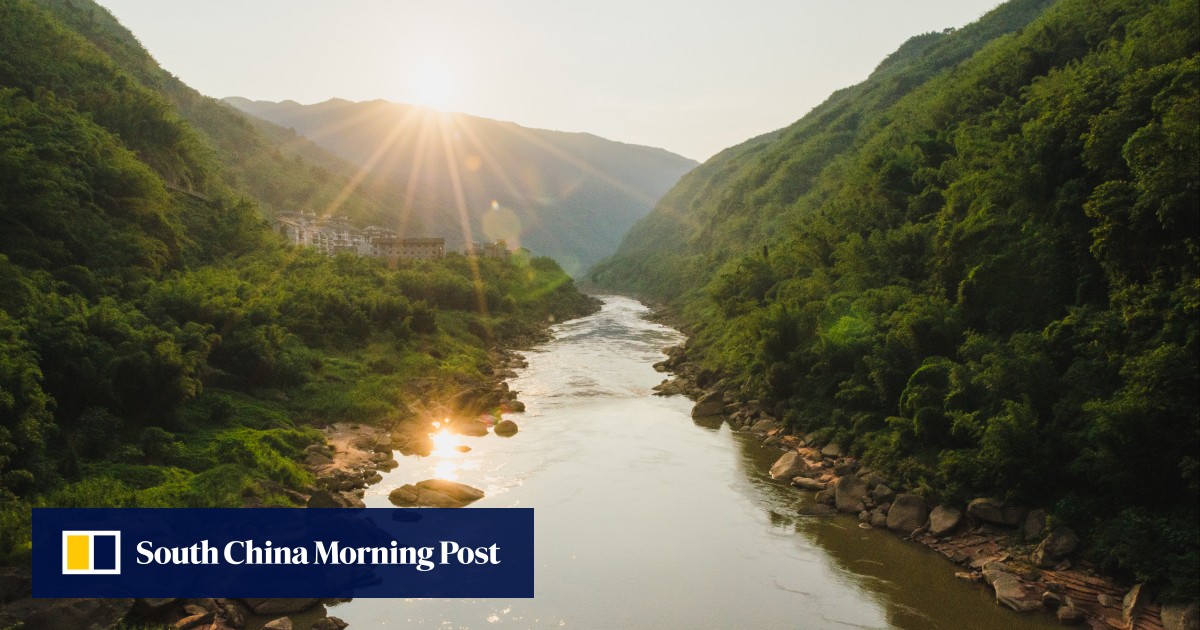
The Wuhan Bridge on Yangtze River. Image credits: Wikimedia CommonsChina’s ambitious decade-long ban on commercial fishing in the Yangtze River is reportedly showing encouraging early signs of ecological recovery. According to a 2026 study published in Acta Hydrobiologica Sinica, researchers examining long-term fish-monitoring data found that eight fish species exhibited significant increases in body size; meanwhile, 10 species showed a higher proportion of sexually mature individuals after the implementation of the 10-year ban on commercial fishing in 2021. Notably, scientists caution that this recovery remains in its early stages; however, they suggest that the findings provide some of the strongest biological evidence yet that the world’s largest freshwater fish conservation programme is beginning to change decades of overfishing and population decline.Researchers found early signs that fish populations are reboundingAccording to the Acta Hydrobiologica Sinica study, the researchers evaluated changes in the population structure of multiple fish species living in the Yangtze River’s main stem before and after the fishing ban came into force in January 2021. It is worth noting that body length is an important indicator of fish population health, as larger individuals usually produce more offspring. Furthermore, the study found a statistically significant increase in body size for eight monitored species of fish and a significant increase in 10 species, thus suggesting that reduced fishing pressure is allowing more fish to survive long enough to reproduce.The bank of the Yangtze River. Image credits: Wikimedia CommonsChina introduced the ongoing 10-year commercial fishing ban after decades of intensive harvesting, habitat degradation and pollution drove many native species into decline. According to the Chinese Academy of Sciences (CAS), the moratorium covers the Yangtze River’s main stem and major tributaries and is also considered one of the world’s most comprehensive freshwater biodiversity conservation initiatives. Furthermore, instead of simply preventing fishing, the programme includes stronger law enforcement, habitat restoration and long-term ecological monitoring aimed at rebuilding fish stocks across one of Earth’s richest freshwater ecosystems.Scientists urge patience despite the encouraging recoveryThe new findings complement broader evidence that is emerging from the Yangtze River Basin. According to The Innovation Water, monitoring conducted between 2021 and 2025 documented 134 endemic fish species, an increase of 25 species as compared to the surveys before the ban. Additionally, researchers noted improvements in fish biomass and the slow return of several flagship natives, thus suggesting that the ecological benefits of the fishing moratorium extend beyond individual populations to the wider ecosystem of the river. However, the authors of the study still emphasise that five years is only a small fraction of the planned 10-year programme, meaning continued monitoring will be essential before long-term conclusions can be drawn.Many fish in the Yangtze River are slow-growing and require several years to reach reproductive maturity. According to the study in Acta Hydrobiologica Sinica, the increase in body size and sexual maturity is significant because they indicate improving age structures within fish populations rather than a temporary increase in juvenile abundance. Healthier age structures can improve reproductive success and make populations more resilient to environmental pressures, supporting long-term recovery. It is worth noting that despite the promising pattern, scientists stress that the Yangtze River still face vast conservation challenges. According to the 2022 review published in The Innovation, the fishing ban alone is not enough to restore the ecosystem unless improvements in habitat connectivity, water quality and river management accompany it.
China’s 10-year Yangtze fishing ban shows early recovery signs, with 8 fish species growing larger and 10 maturing more often
China’s ambitious decade-long ban on commercial fishing in the Yangtze River is reportedly showing encouraging early signs of ecological recovery. According to a 2026 study published in Acta Hydrobiologica Sinica, researchers examining long-term fish-monitoring data found that eight fish species exhibited significant increases in body size; meanwhile, 10 species showed a higher proportion of sexually mature individuals after the implementation of the 10-year ban on commercial fishing in 2021.
559 words~3 min read