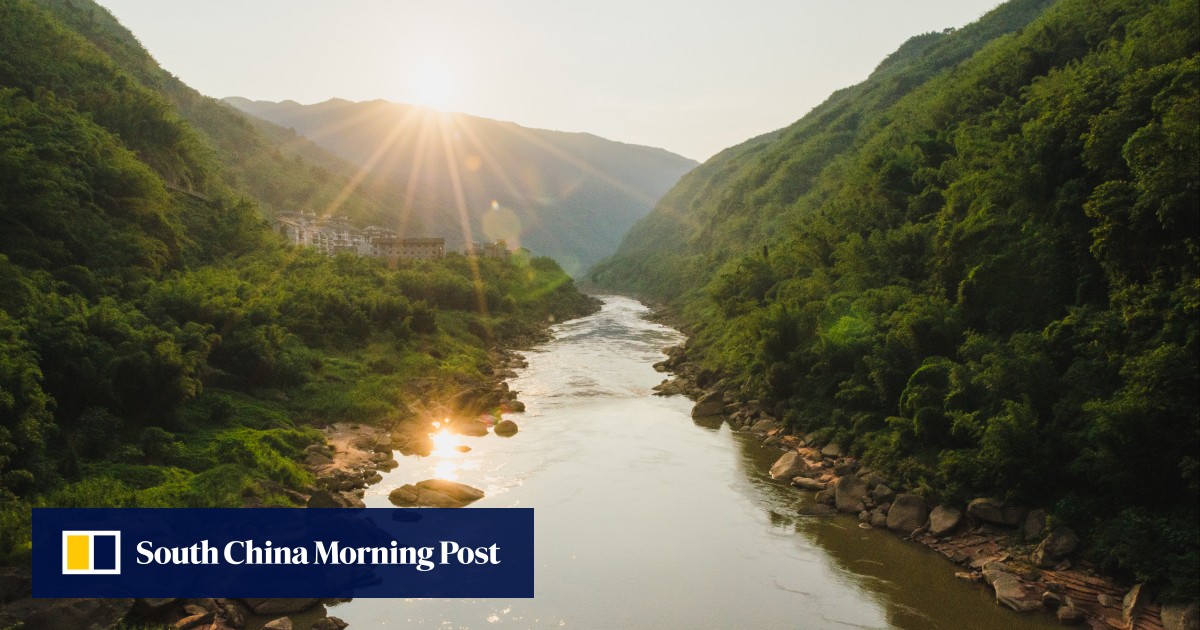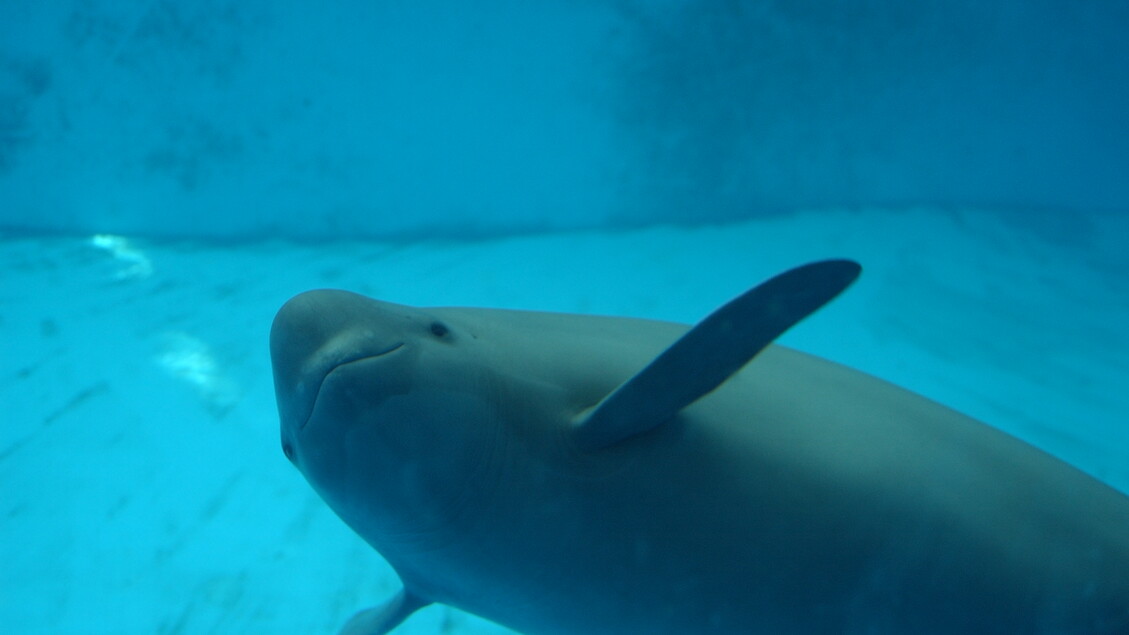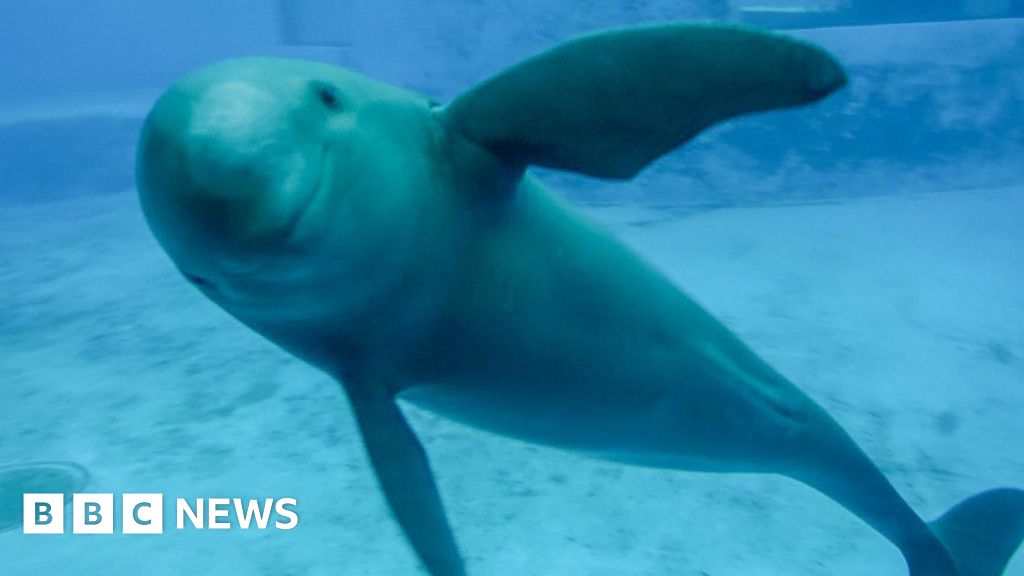
Chinese scientists are in a battle to save one of the last large animal species living in the Yangtze River – and a complete ban on fishing in the region is helping them.
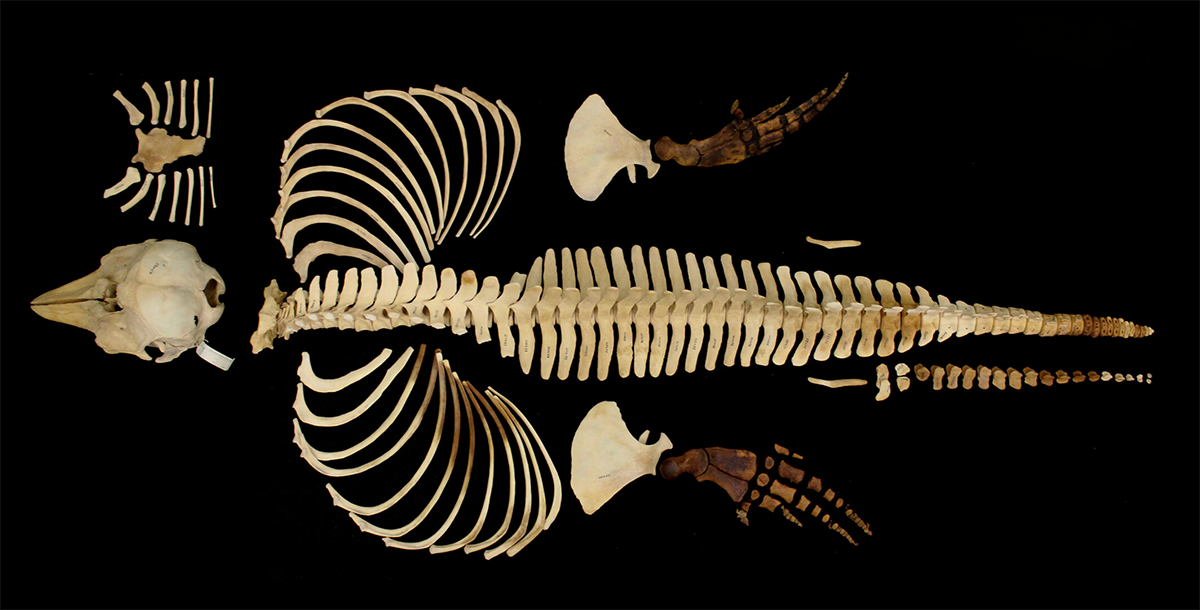
At the Institute of Hydrobiology in Wuhan, just 5km (3.1 miles) from the banks of the river, the preserved bodies of the now-extinct river dolphin (baiji in Chinese) and paddle fish sit silently behind panes of glass.
"Now that those have become extinct, we're going to save the Yangtze river porpoise," Professor Wang Xi tells the BBC. "It has become the most important animal here."
It was in 2002 that the last known baiji died, 22 years after researchers at the Institute started caring for it. A year later, the last known paddle fish - a type of ray-finned fish which can grow to more than 3 metres - was accidentally caught by fishermen and, despite being radio tagged and released, disappeared.
The goal now is to stop the Yangtze finless river porpoise - 1,200 of which remain in the wild, according to current estimates – from suffering the same fate.