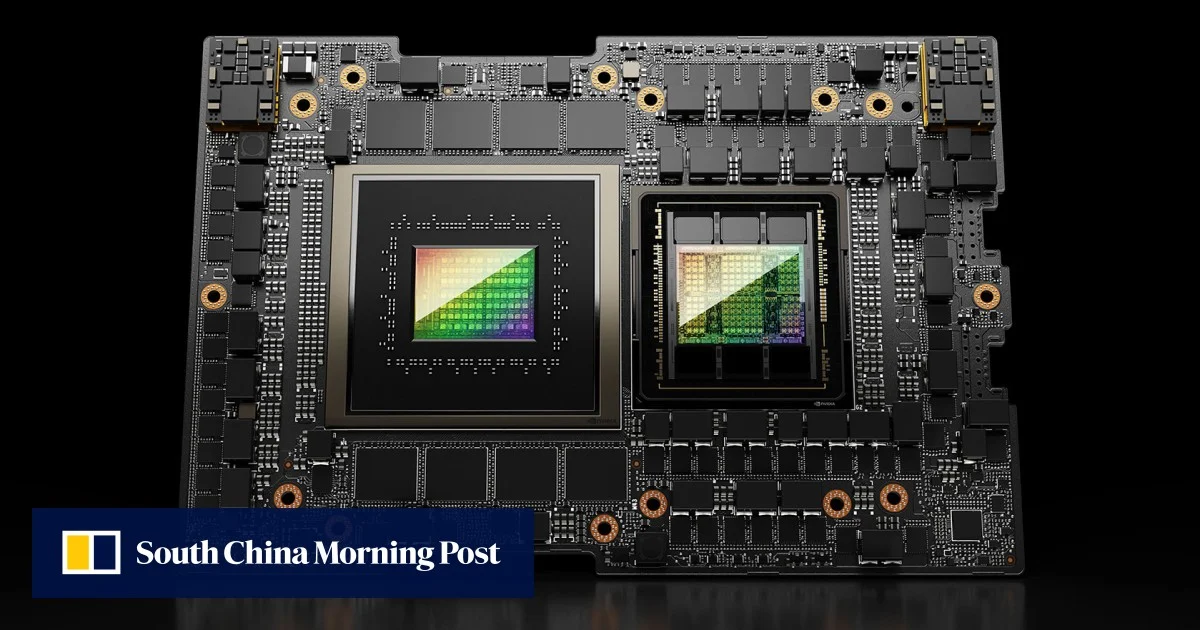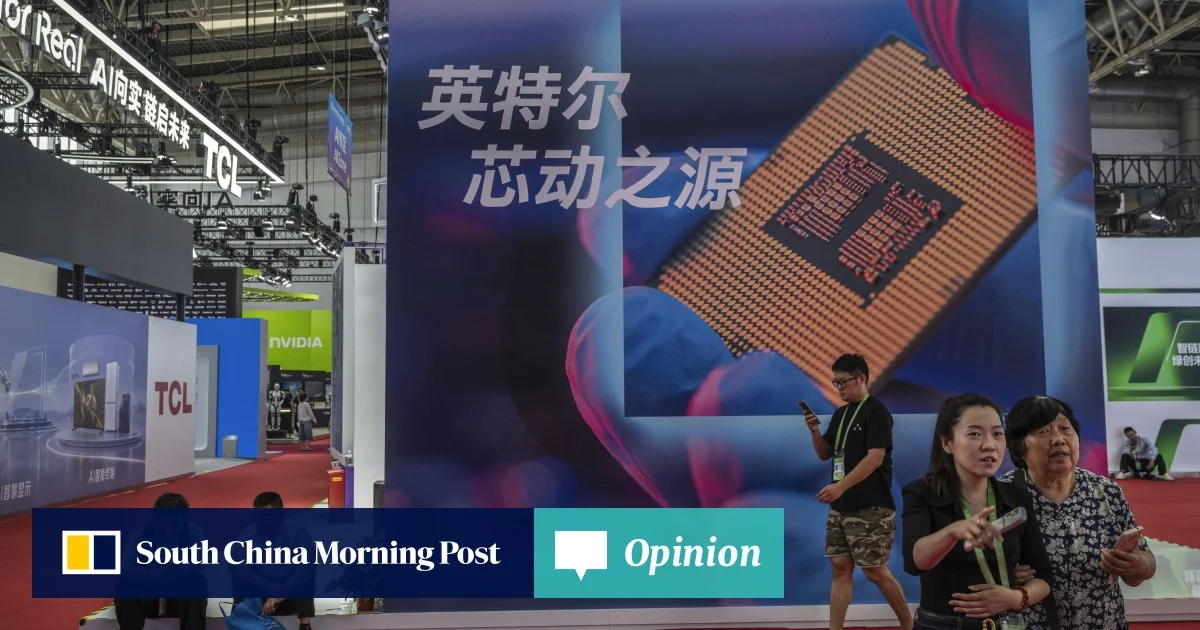
Chinese technology companies relied heavily on Nvidia’s artificial intelligence chips, with the company continuing to design China-specific products despite US export controls. Yet in September 2025, Beijing reportedly instructed major firms to accelerate the adoption of domestic alternatives.
The decision to forgo superior foreign technology reflects Beijing’s growing view of dependence as a source of strategic vulnerability — and, more fundamentally, its understanding of the purpose of globalisation.
Huawei’s advances in chip design tell a similar story. Despite years of sanctions and restricted access to advanced semiconductors, the company has continued to invest heavily in domestic capabilities.
The underlying lesson is that China is increasingly willing to accept short-term costs to achieve long-term strategic independence. Successive Chinese Communist Party and state documents frame global economic integration as a means of advancing technological upgrading, industrial modernisation and national development. Openness is not presented as an end in and of itself. The 14th Five-Year Plan elevated scientific and technological self-reliance as a national strategic priority, while reaffirming China’s commitment to opening up.