To continue buying the chips would be seen as accepting US-dictated tech inferiority. China would rather push for tech independence
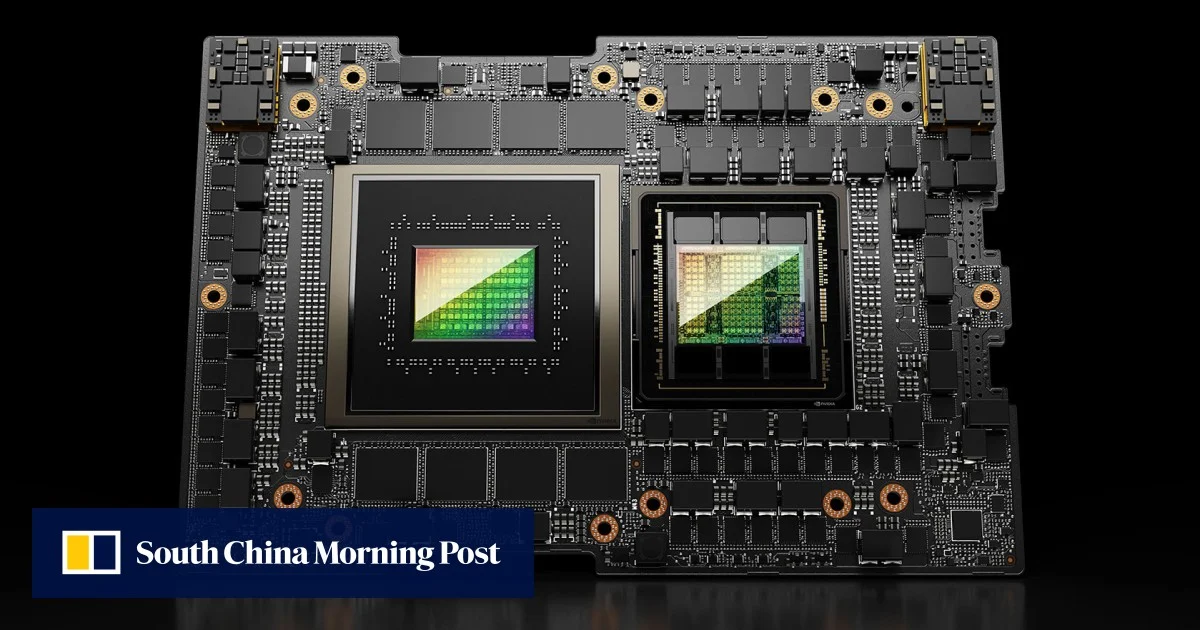
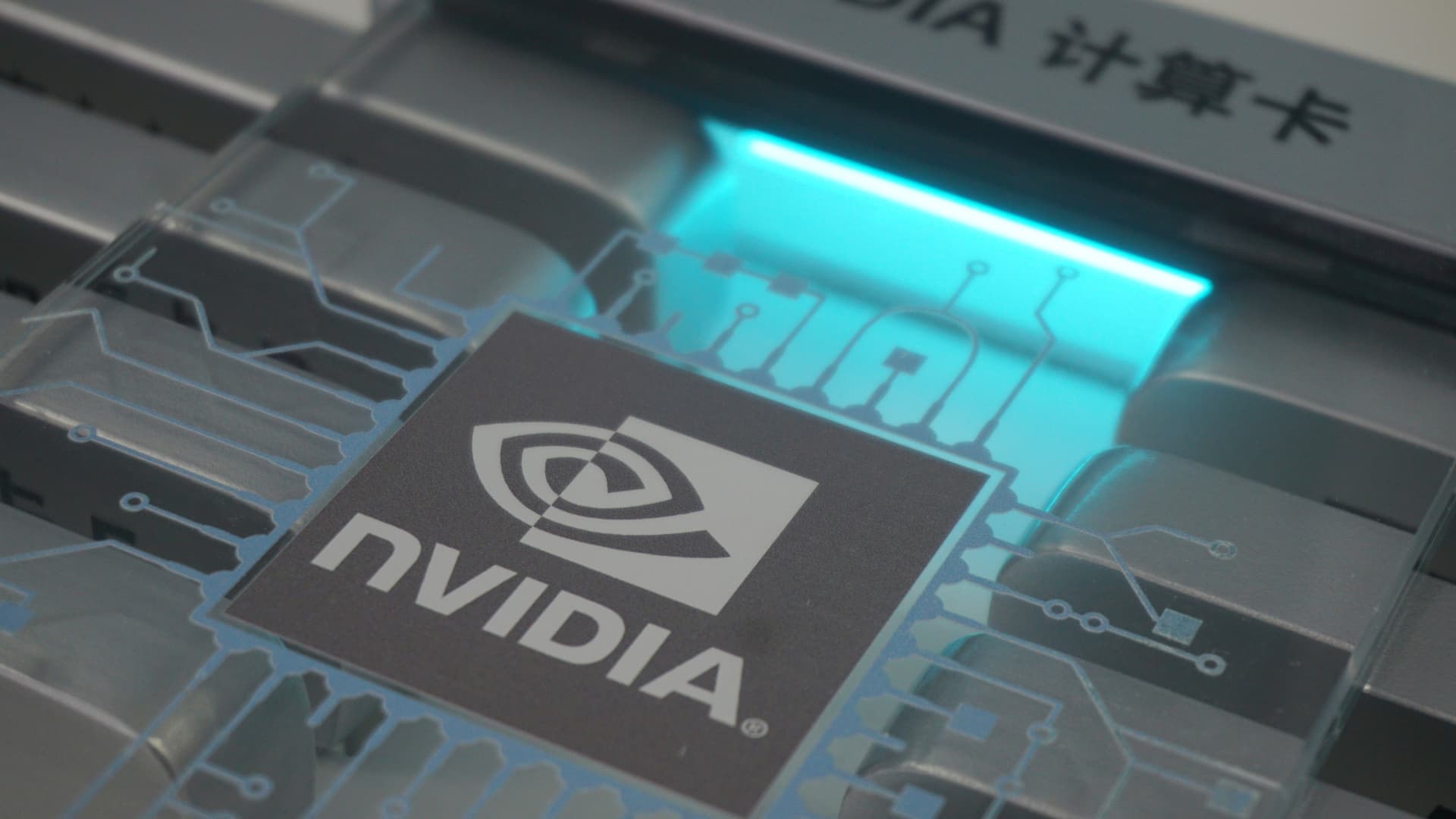
When US tech giant Nvidia unveiled its B40-series chips for China – stripped-down versions of its more advanced H20 line – many in Washington and Silicon Valley believed they had struck a clever compromise. The United States would retain its technological lead while allowing China to buy “safe” alternatives that preserved its dependence on American suppliers. Nvidia, in turn, could continue to profit from one of its largest markets.
Once, many Chinese policymakers and entrepreneurs assumed that reliance on US hardware was inevitable – the unavoidable price of joining the global technology game. Building an entirely self-sufficient semiconductor industry seemed overwhelming. Experts routinely warned that catching up with America in high-end chips would take decades, perhaps generations.
Your personal data will be processed and information from your device (cookies, unique identifiers, and other device data) may be stored by, accessed by and shared with 88 TCF vendor(s) and 21 ad partner(s), or used specifically by this site or app.
Some vendors may process your personal data on the basis of legitimate interest, which you can object to by managing your options below. Look for a link at the bottom of this page or in the site menu to manage or withdraw consent in privacy and cookie settings.