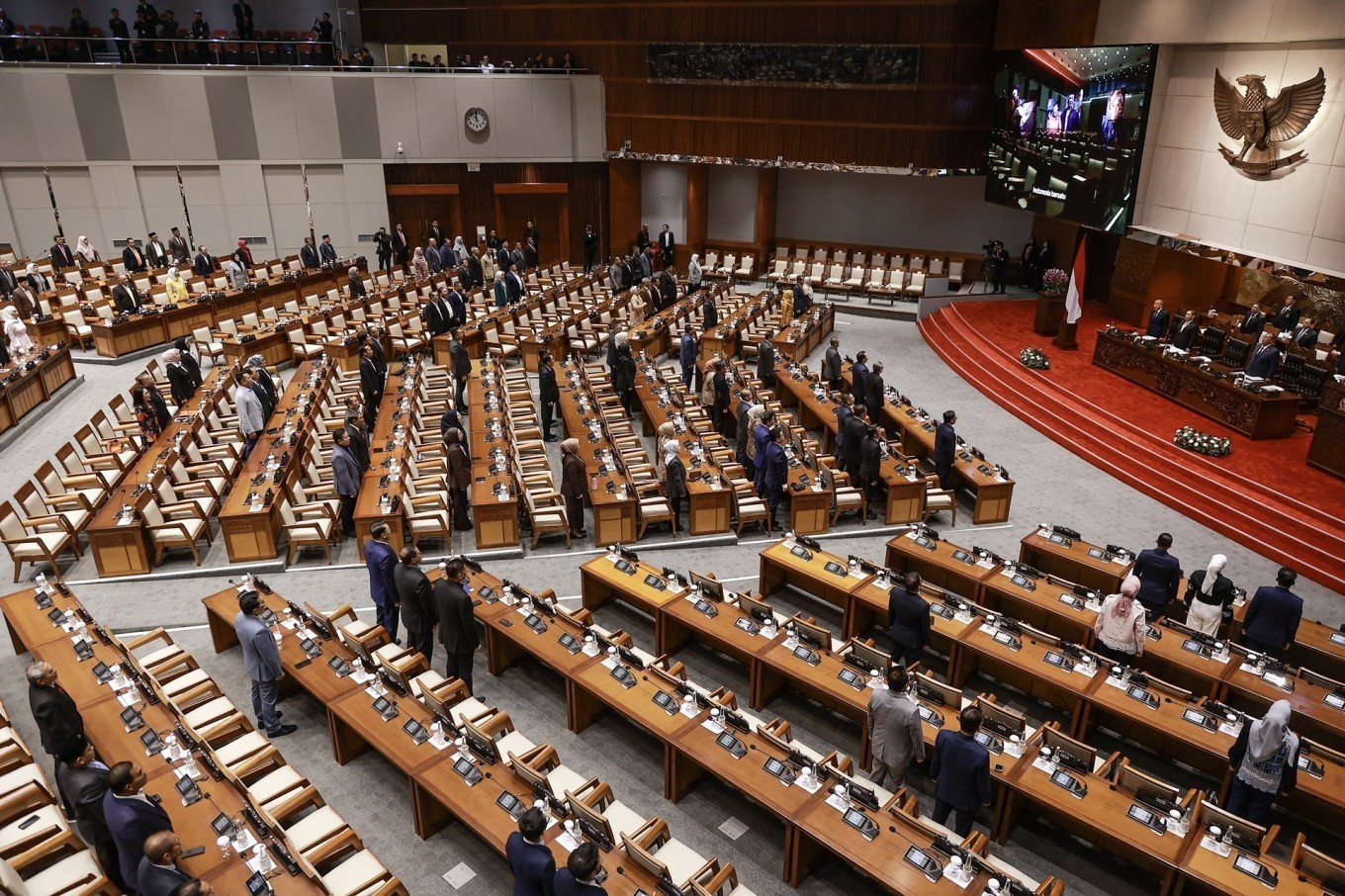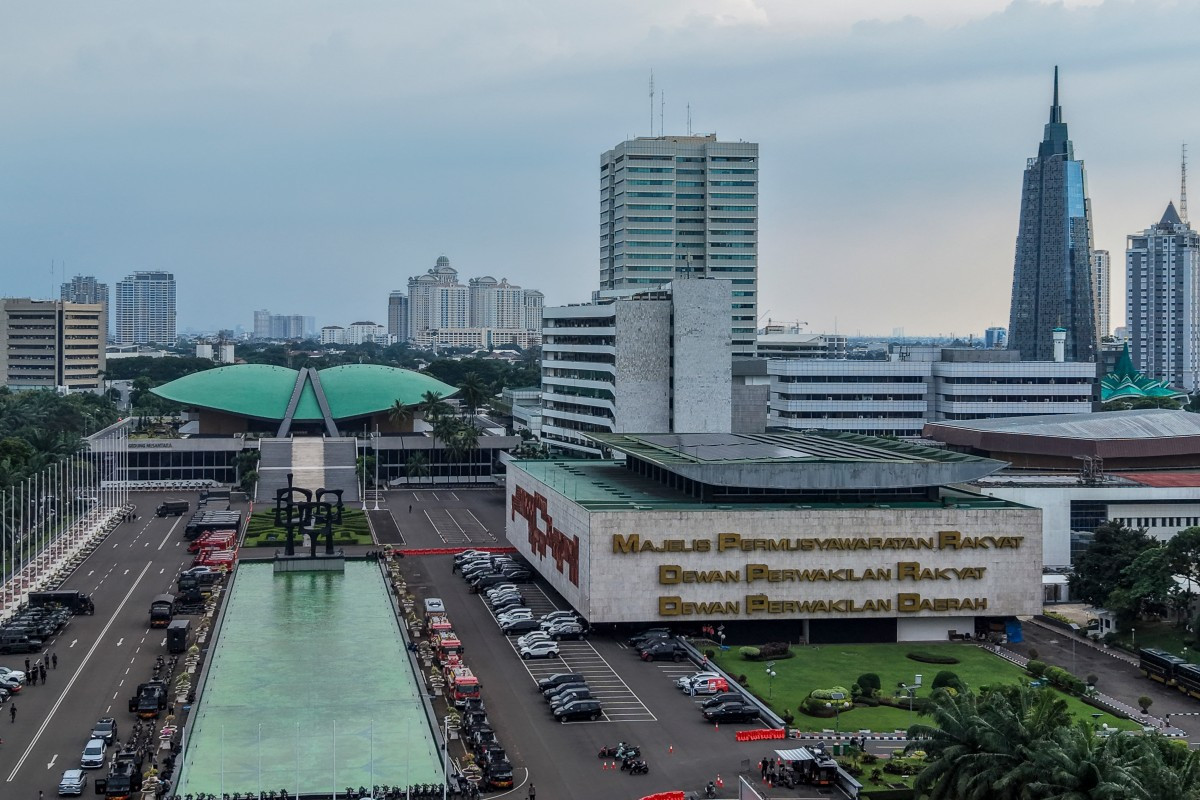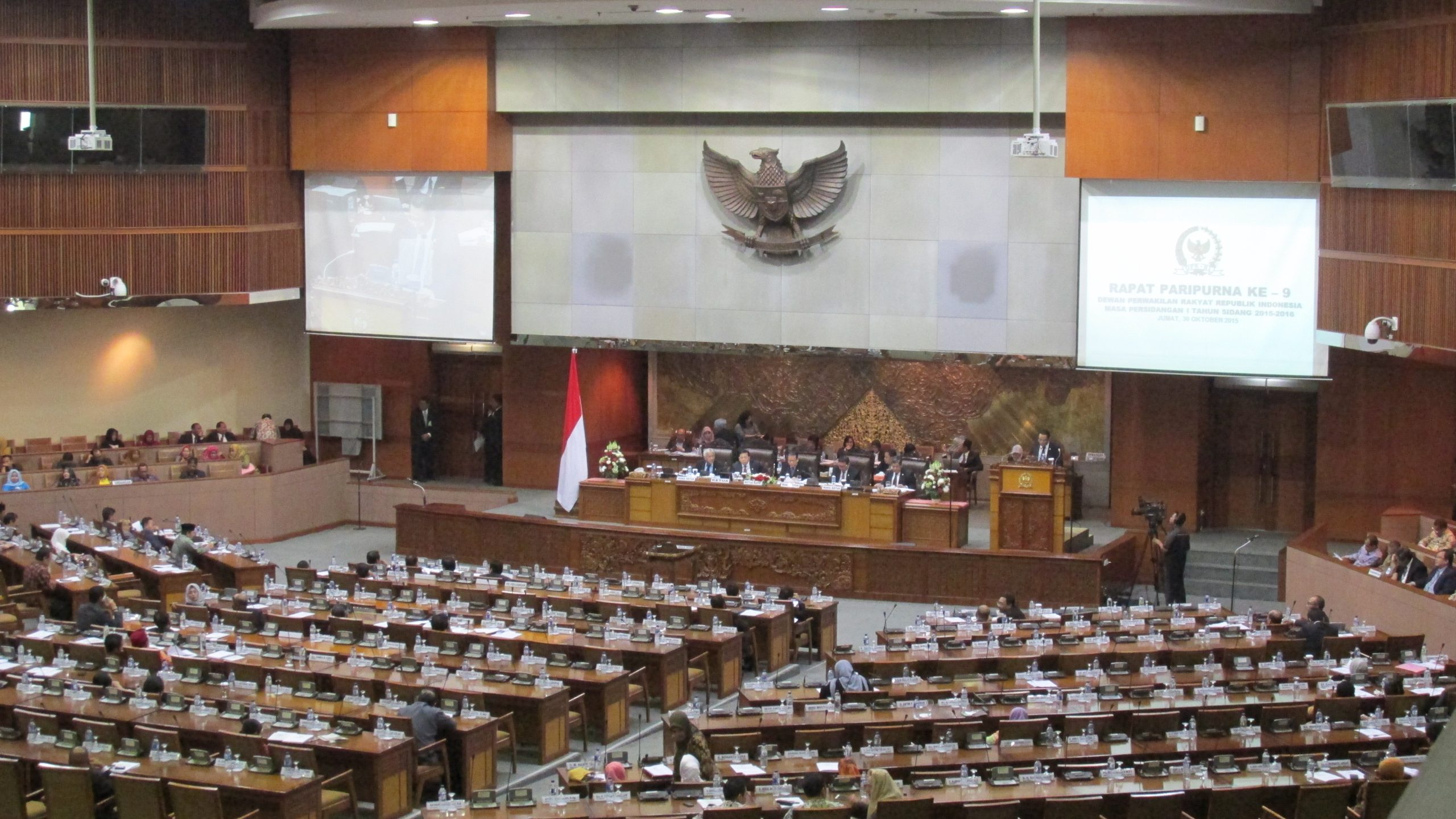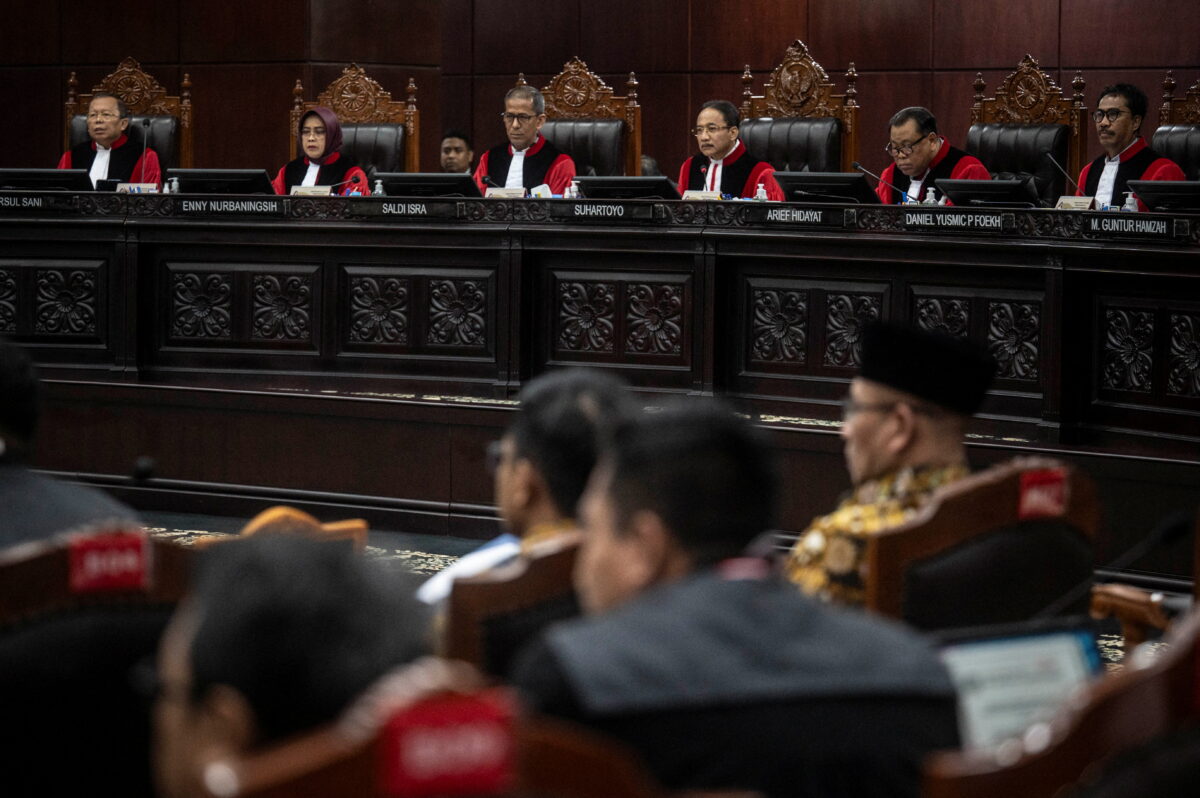
In April 2026, the Deputy Speaker of the Indonesian Parliament, Sufmi Dasco Ahmad, urged the public to be patient as deliberation on the proposed revisions to the General Election Law remain stalled. According to Dasco, lawmakers are working towards a ‘close to perfect’ electoral law after a series of Constitutional Court rulings altered important elements of Indonesia’s electoral framework.
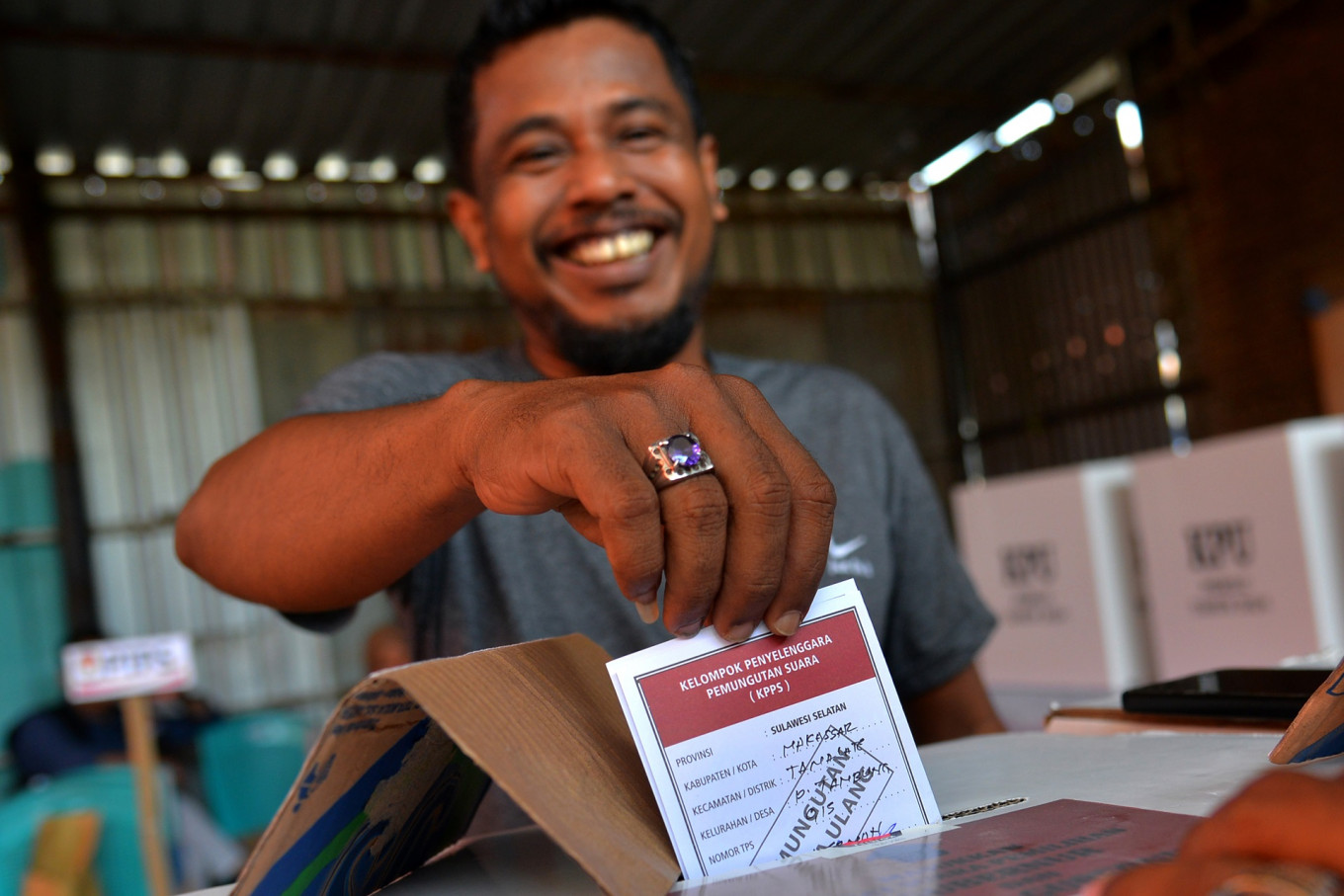
His argument is not without merit, as the parliament must harmonise the law with the court’s ruling while avoiding future constitutional challenges. But as electoral rules shape how political actors compete, revising them calls for broad public consultation rather than prolonged closed-door negotiations among elites. Since 2025, civil society groups have urged the parliament to deliberate on the bill transparently and have prepared alternative draft proposals. The key concern is that if reform is stalled long enough, Indonesia may enter the 2029 Election under the same institutional framework that contributed to the democratic erosion so evident in the 2024 elections.
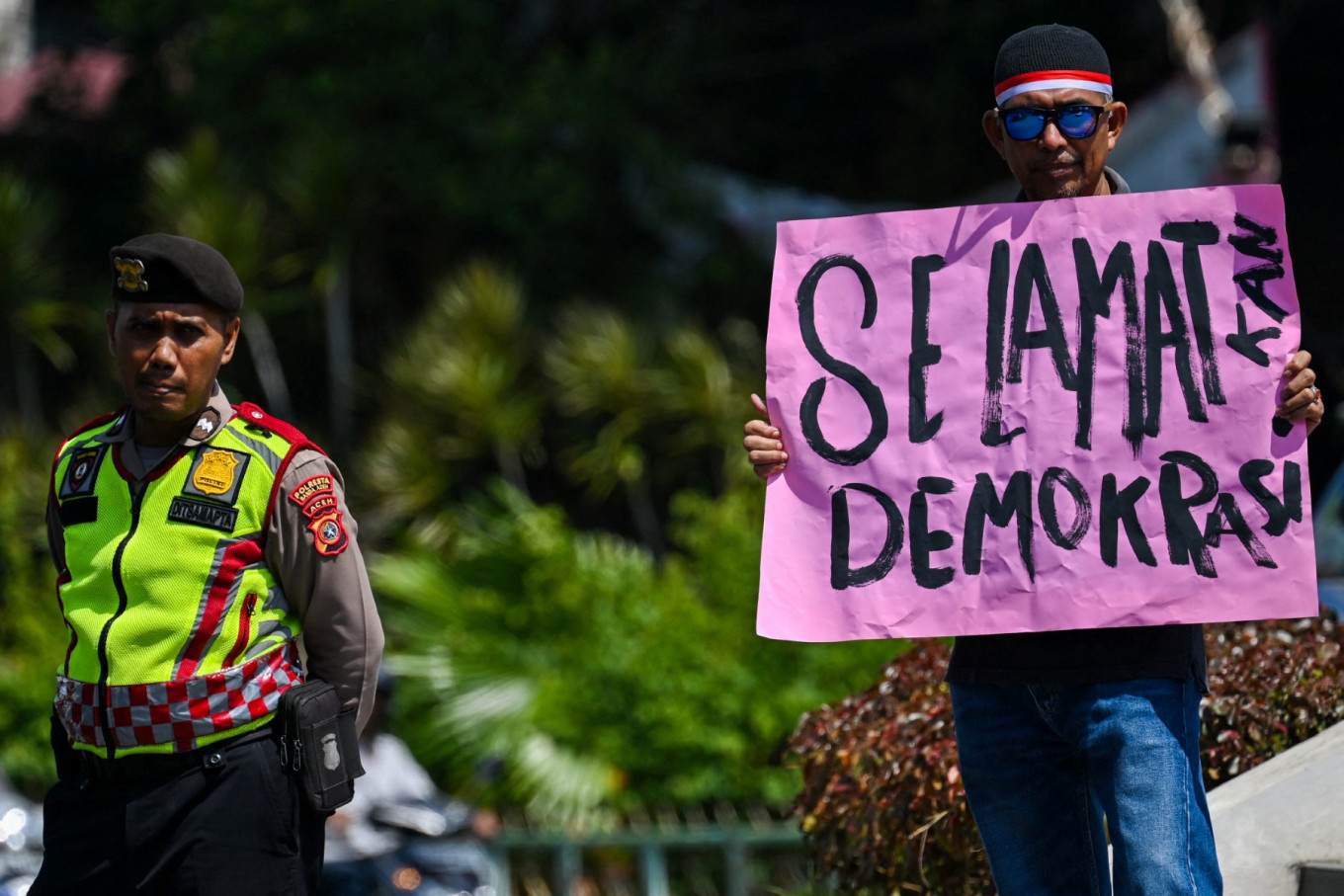
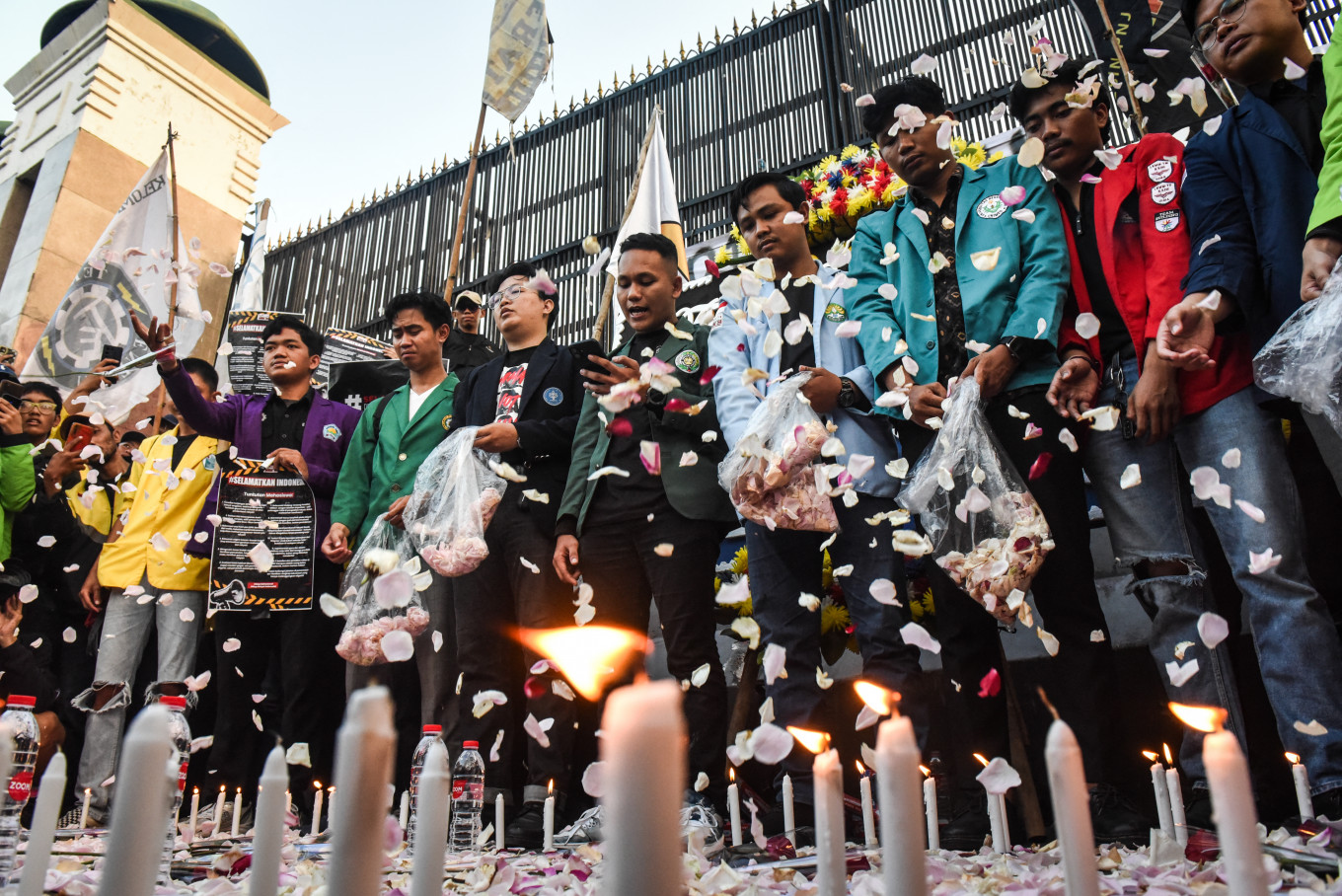
Since the 2024 election, Indonesia has been seen as standing ‘on the edge of competitive authoritarianism’, where elections continue to take place but increasingly favour incumbents. V-Dem’s 2025 Democracy Report reclassified Indonesia as an electoral autocracy amid declining checks and balances and growing executive aggrandisement. These developments cannot be explained solely by elite behaviour. Institutions also matter because electoral law shapes political incentives.