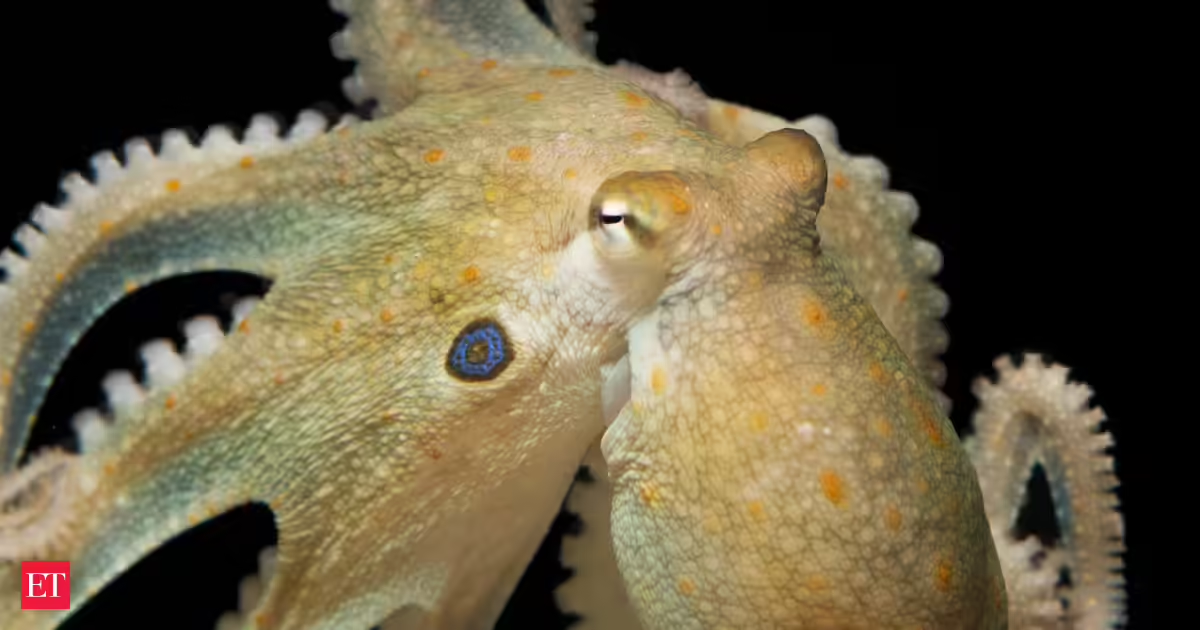
Image by Samarth Singhai via Pexels
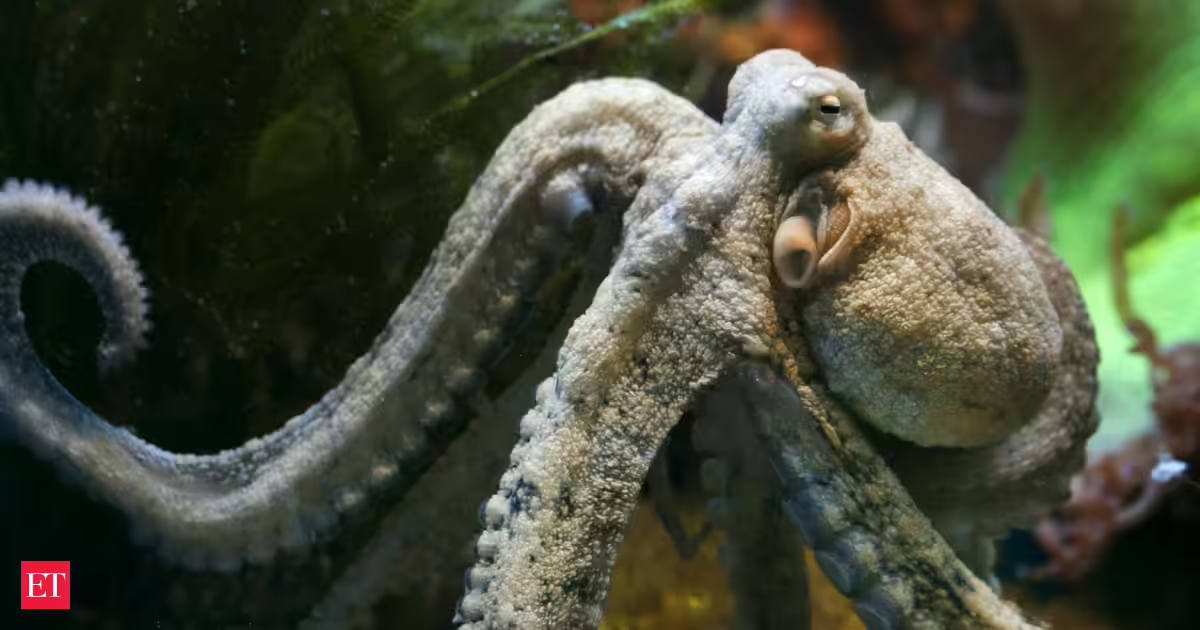
Scientists at the University of California San Diego have developed a new way to produce large amounts of xanthommatin, a natural pigment that helps octopuses, squids and other cephalopods rapidly change the color of their skin for camouflage. The advance could help researchers better understand how these animals change color while making the pigment easier to produce for research and future applications.
The findings, published on Nov. 3 in Nature Biotechnology, were led by researchers at the UC San Diego Scripps Institution of Oceanography. The work was supported by the National Institutes of Health, the Office of Naval Research, the Swiss National Science Foundation and the Novo Nordisk Foundation.
Xanthommatin is a naturally occurring pigment found in cephalopods, where it helps them quickly change the color of their skin by altering how light is absorbed and reflected. It is also found in insects, giving monarch butterflies their orange and yellow wing colors and contributing to the red coloration of dragonflies and fly eyes.
Scientists have been interested in xanthommatin for years because of its unique color-changing properties. However, studying it has been difficult because it is hard to produce in large quantities. Collecting the pigment from animals is not practical, while traditional laboratory methods produce only small amounts and require a lot of time and effort. Existing methods for making complex natural compounds in bacteria also usually start with very low production, meaning researchers have to spend years improving the process.