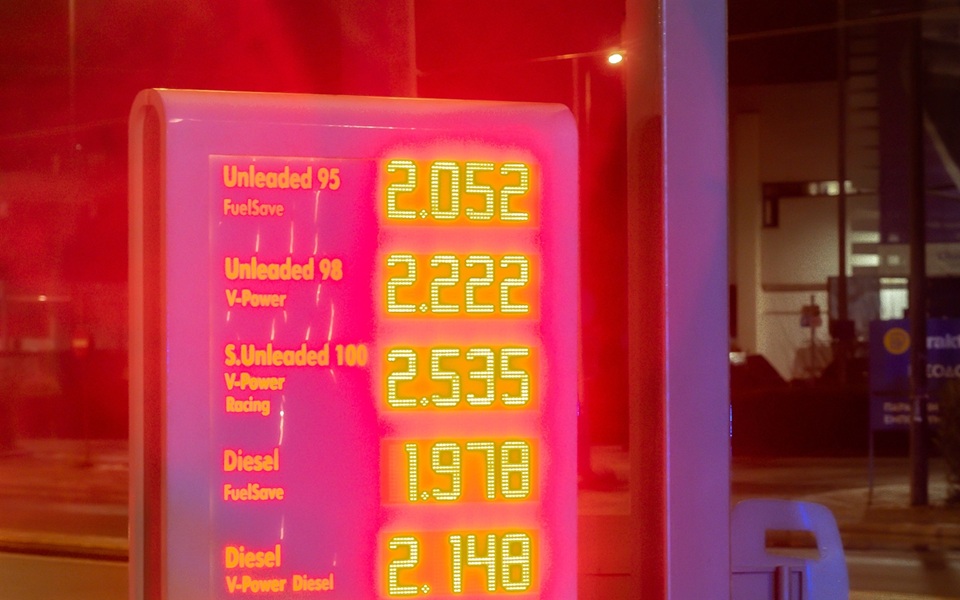
The geopolitical turmoil in the Middle East is a new energy alarm for Greece, as the surge in international oil and natural gas prices is starting to be felt more intensely in the domestic market. With fuel prices near €2 per liter and the wholesale price of electricity recording an increase of 24% in July compared to June, the government is faced with a new double front of price increases in fuel and electricity.
The biggest thorn is diesel, as the hikes are spread through transportation and production costs across the economy. The government is already examining the scope for intervention, with the reinstatement of the diesel fuel subsidy at the pump reportedly high on the list of possible measures.
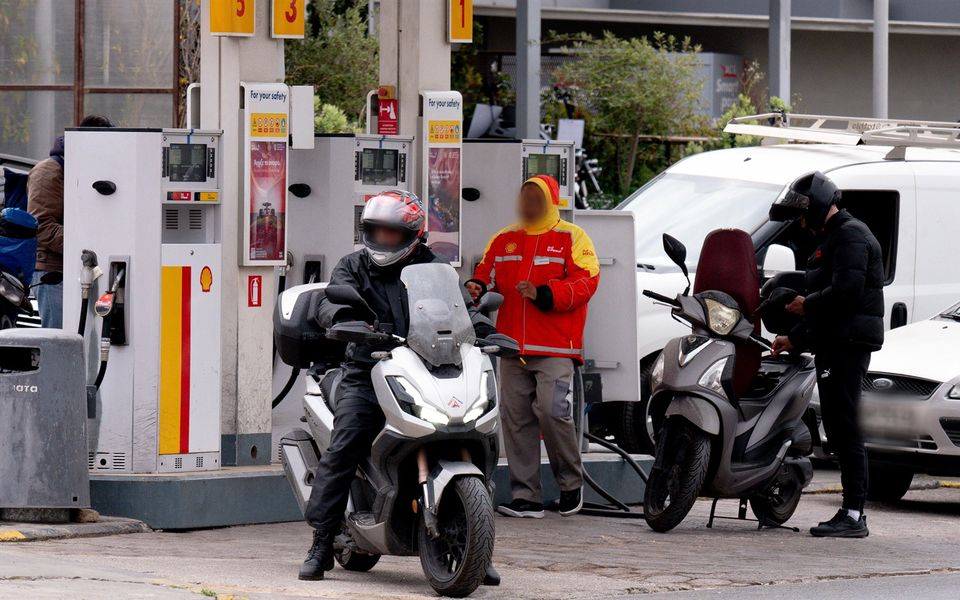
The first warning is already sounding at the gas station, despite the 10- and 5-cent subsidies, respectively, applied by refineries from July 14 to the end of August, following government intervention. In popular tourism destinations, the euro-per-liter amount has already been exceeded.
The second major front is electricity prices. The average wholesale price per megawatt-hour in July is so far around 24% higher than in June, in a period of increased demand due to high temperatures and the widespread use of air-conditioning. The rise portends higher charges in the green and yellow floating tariffs in August. The size of the final price increases will depend largely on the percentage of the increase that suppliers choose to absorb. This will also determine whether the government will reactivate the measure of subsidies on electricity bills, which was used in the past to contain final prices for consumers.