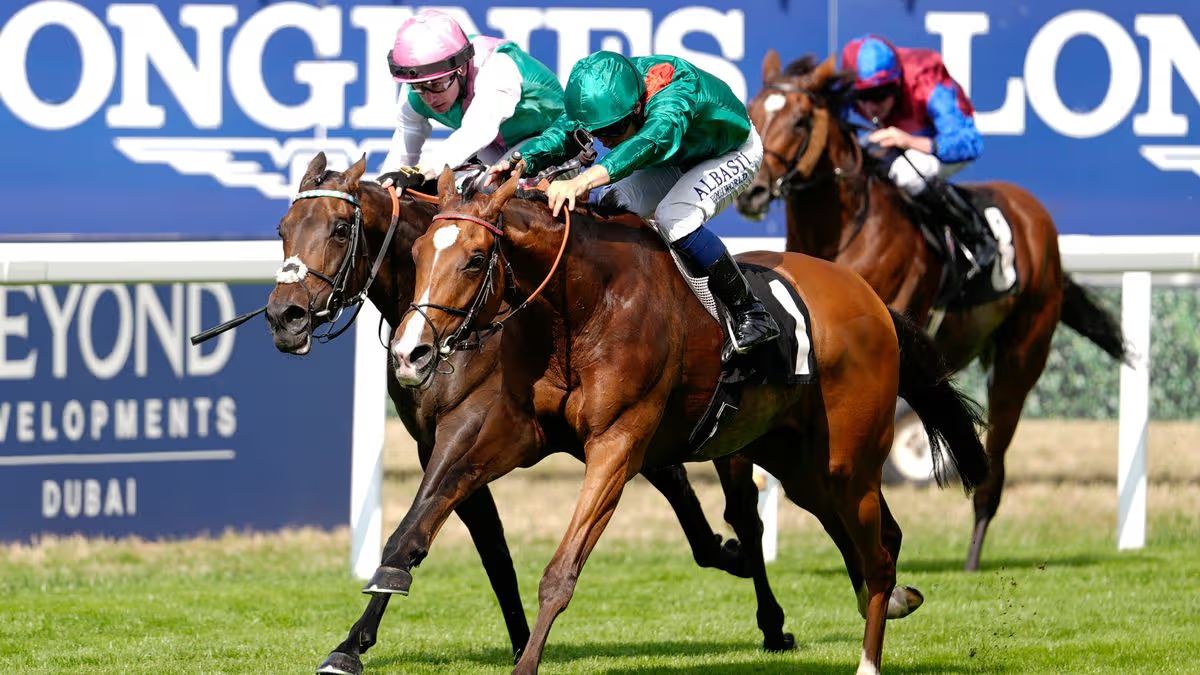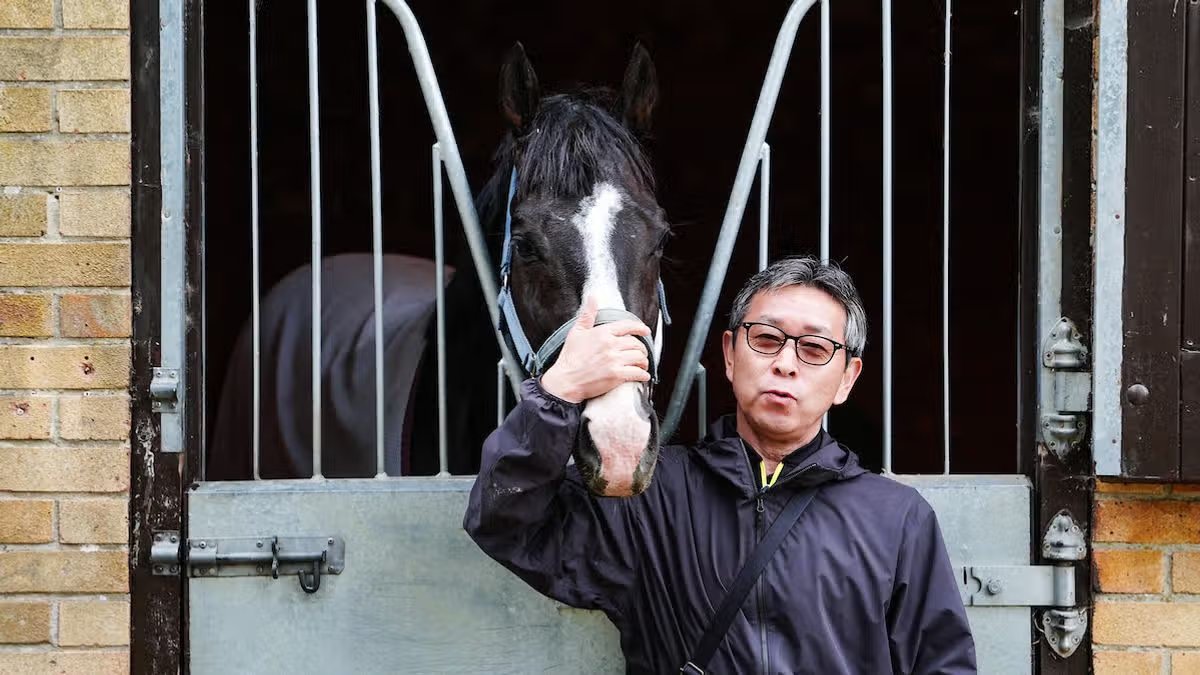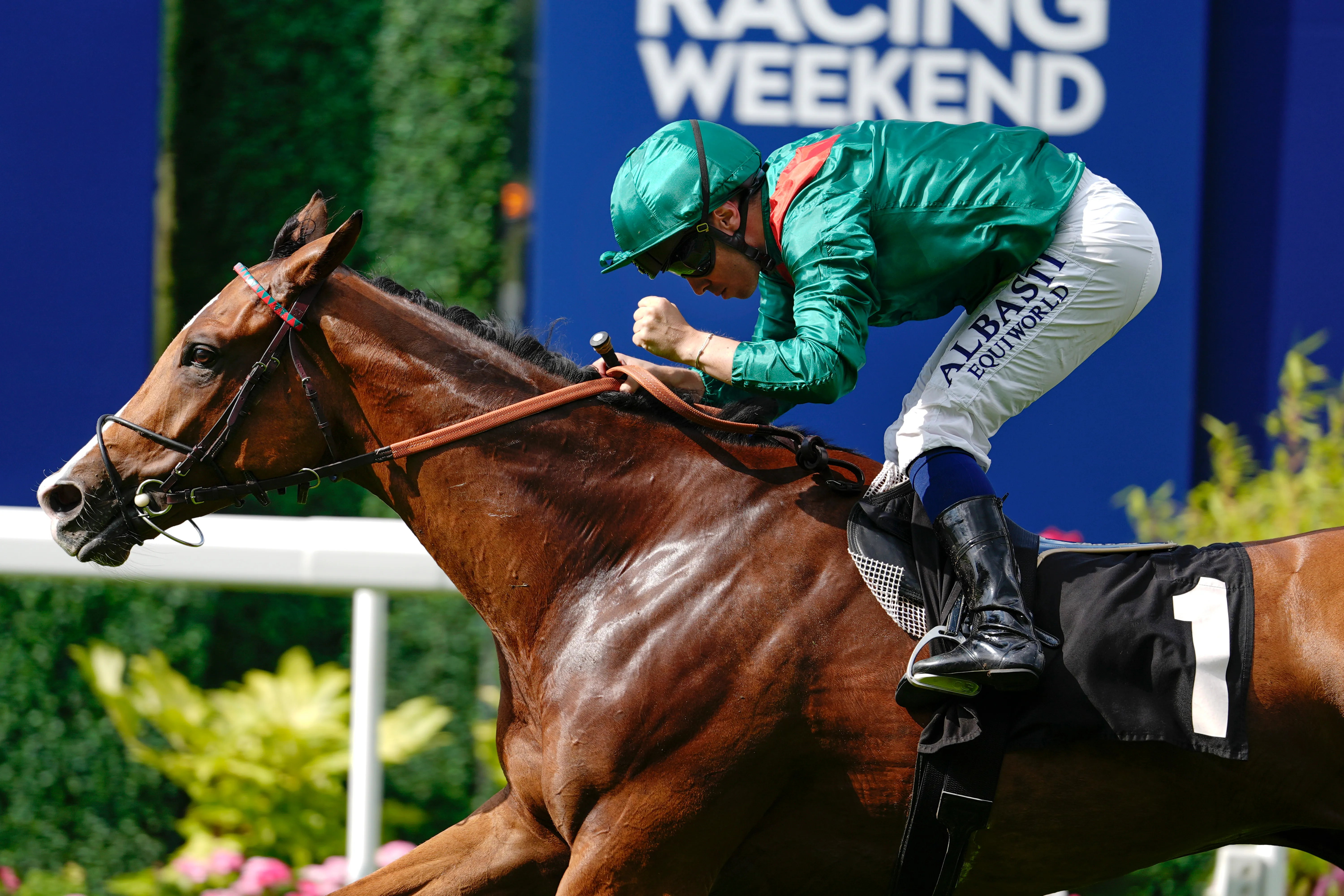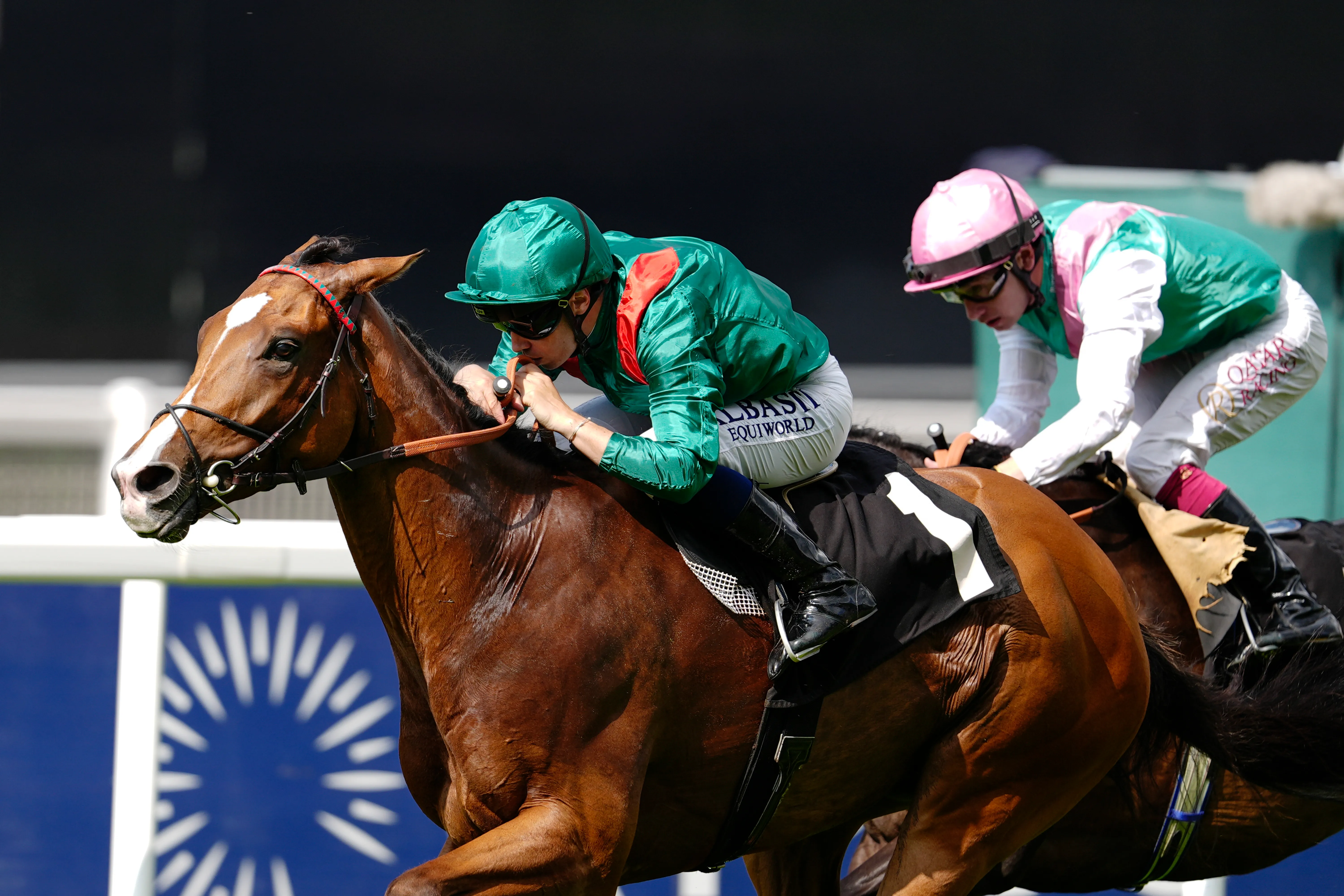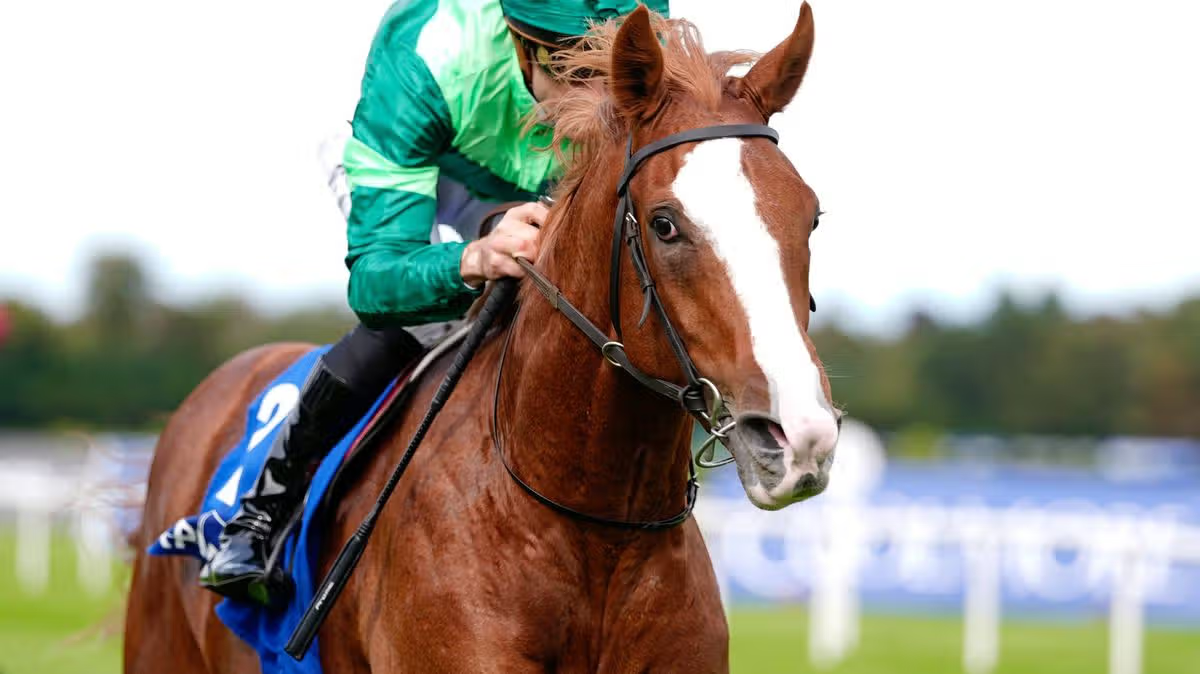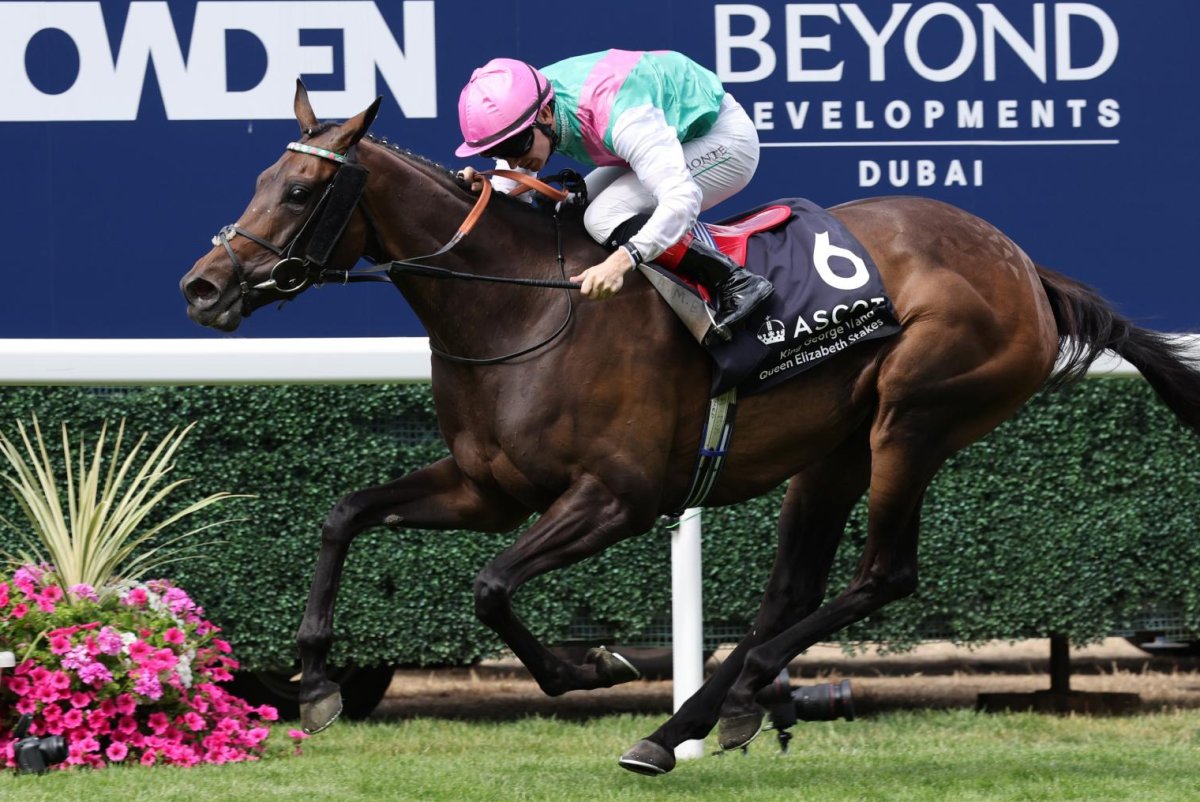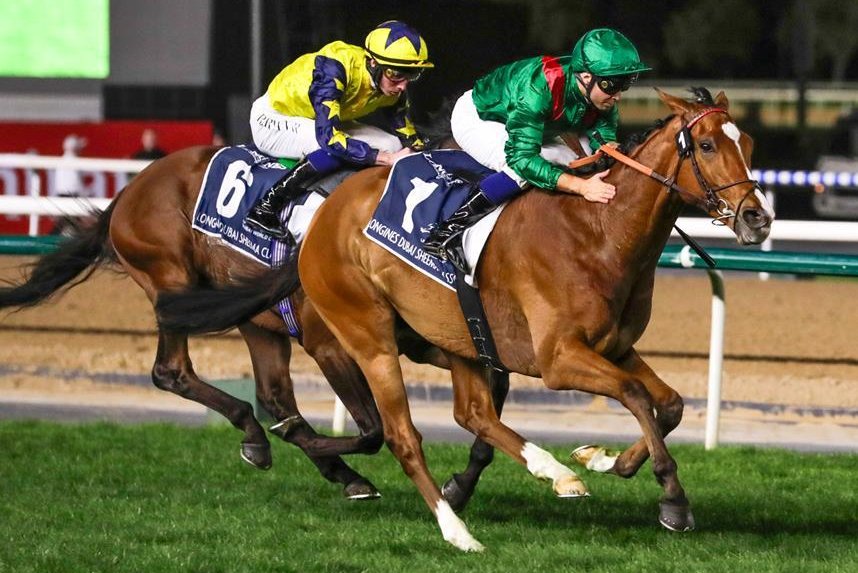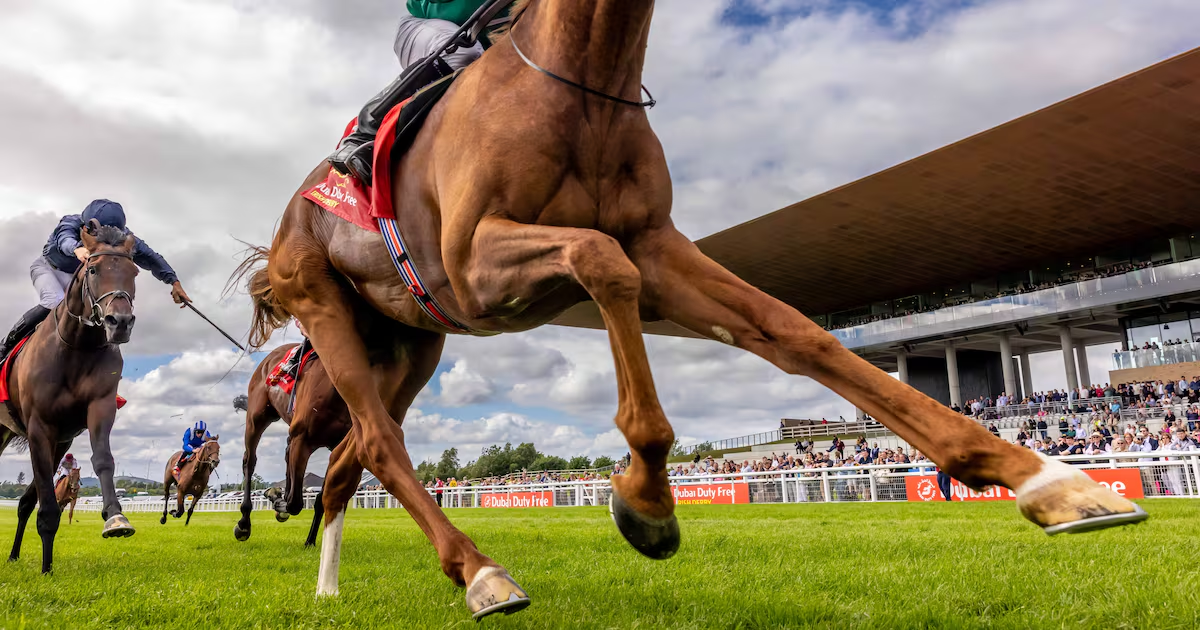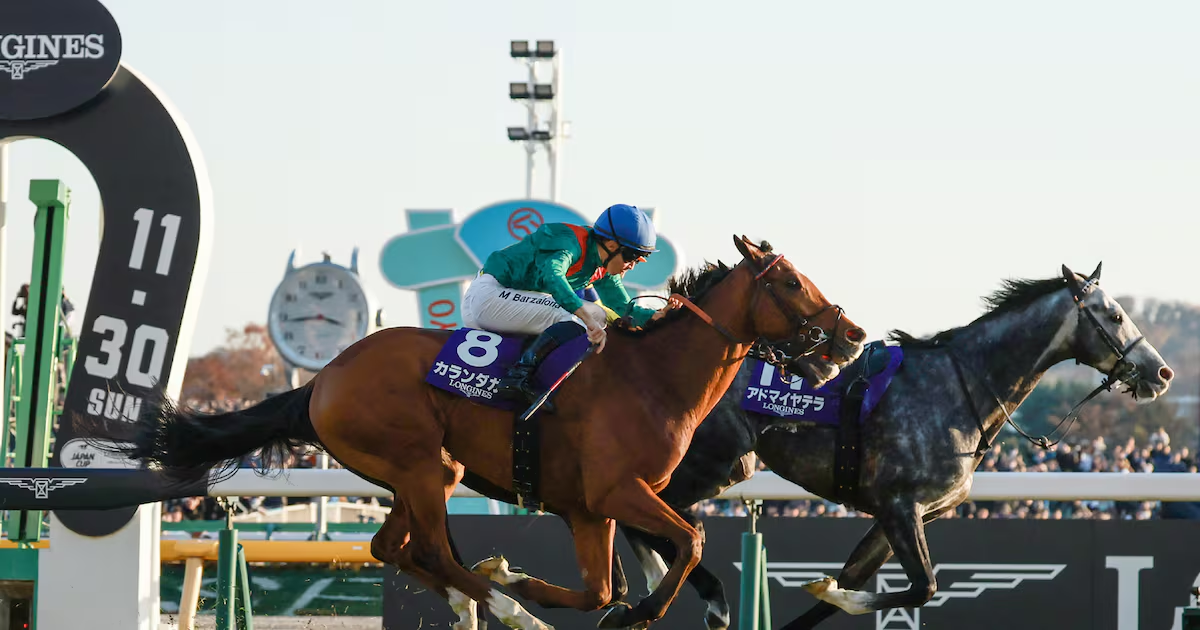
Allowing geldings to compete with rivals in full possession of their breeding assets is a thorny bloodstock industry topic, but a vintage renewal of Saturday’s King George VI and Queen Elizabeth Stakes underlines the sporting upside to it.The French superstar Calandagan, officially the best racehorse on the planet last year, bids to repeat his 2025 success in Ascot’s £2 million (about €2.3 million) midsummer highlight. He is joined by his stable companion, Goliath, also a gelding, and winner of the 2024 King George.The exploits of Francis Graffard’s stars were pivotal to French racing opening the Prix de l’Arc de Triomphe to geldings from next year, a move that has drawn considerable flak from luminaries such as Aidan O’Brien, André Fabre and Coolmore supremo John Magnier.Part of their argument is that a race like the Arc, as well as the Classics, fulfils a stallion-making role. There’s also insistence that training geldings is easier than full horses easily distracted from the job of running fast.But if the job of any race is to find out who the best horse is, it’s hard to argue against how competition against geldings ultimately serves the breed anyway. Beating the best around can only increase the value of any potential stallion.If Coolmore’s Irish Derby winner Benvenuto Cellini, perhaps the top mile-and-a-half three-year-old among Europe’s Classic crop, can emerge on top in this King George, he automatically becomes a big potential sire asset.An annual clash of the generations used to be the King George’s function. Legends from Nijinsky to Shergar passed the test. Subsequent reductions in the value of top mile-and-a-half form in the breeding shed changed that, meaning fluctuations in the King George’s prestige. But while this is a different sort of race now, in this case different means anything but worse.Increasing readiness to keep older fillies and mares in training means O’Brien also runs Minnie Hauk, as well as last year’s dual-Derby hero Lambourn. Action fills out a four-pronged Ballydoyle attack as the trainer tries to win a first King George in a decade and a fifth in all.Benvenuto Cellini is a good-ground horse blessed with a smooth action. Photograph: Morgan Treacy/Inpho Last year’s runner-up Kalpana is the sole British runner, although this is a race with a global sweep. Masquerade Ball is joined by his Japanese compatriot Wurttemberg as world racing’s newest superpower bids to record a first Ascot success. More proof of a shrinking racing world is the form line that links Masquerade Ball to Calandagan.The pair fought out a memorable finish to last November’s Japan Cup in Tokyo. Calandagan edged it by a head. Now, eight months later, and nearly 10,000km apart, comes another clash and it has the potential to equal any King George head-to-head of the past.The difference this time could be Japanese conviction that the four-year-old Masquerade Ball is a much-improved model. His jockey, Christophe Lemaire, has forecast the horse could become one of the greats of Japanese racing. That means one of the greats anywhere. Expecting similar improvement from Calandagan at this stage of his career is surely expecting a lot.There is also the factor that this is no international afterthought for Masquerade Ball. His ownership finished third in the King George 20 years ago with Hearts Cry. They’ve been waiting for a suitable candidate since and their belief that they have it means their horse’s whole year is focused on this raid.Japanese racing’s focus on mile-and-a-half performance, on the track and in the breeding shed, is a timely reminder of what King George success used to mean. It helps shape this renewal as one of the best races of the year anywhere.The generational element is provided by Benvenuto Cellini, who gets a valuable 11lbs weight-for-age allowance. He was an entirely convincing Classic winner at the Curragh and will try to emulate his grandsire Galileo, who was the first of O’Brien’s winners 25 years ago.Fears about a rare form dip by Ballydoyle runners were eased earlier this week with three winners from seven runners. Ryan Moore opting for him rather than Minnie Hauk is an expression of confidence and two other stable companions in the race suggest a strong tempo is inevitable.Victory for an O’Brien runner would be a 13th Irish success in the King George. A win for Graffard would be a 12th for France. Graffard would also become just the third trainer to win it three years in a row. Either of his horses would be only the fourth to win twice. However, in the long run, a first for Japan might prove best for the King George’s status.
An international King George shapes up to be among best races of the year
Benvenuto Cellini tops Aidan O’Brien quartet against top French and Japanese opposition
763 words~3 min read