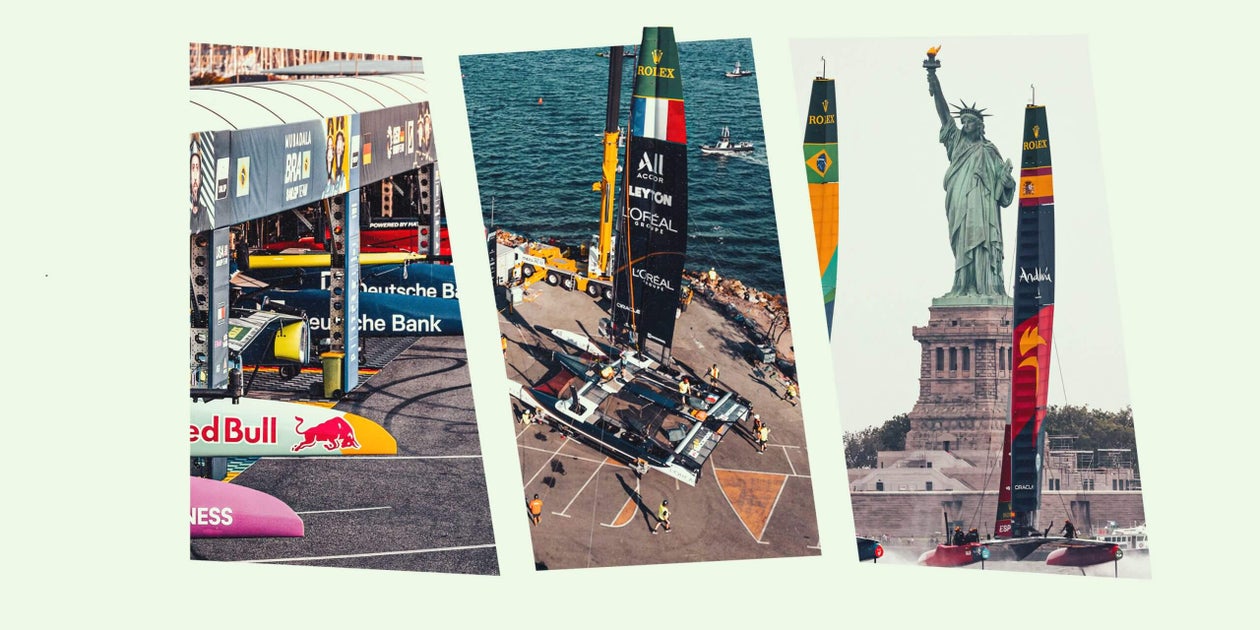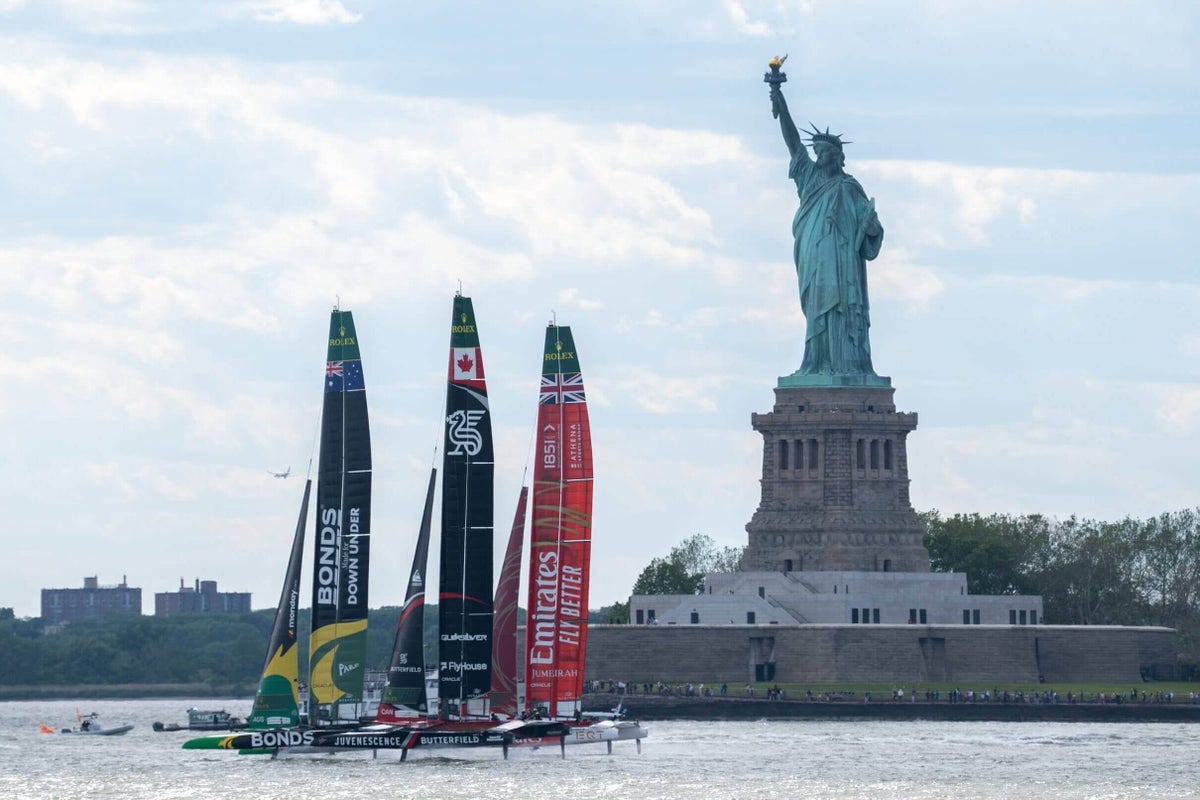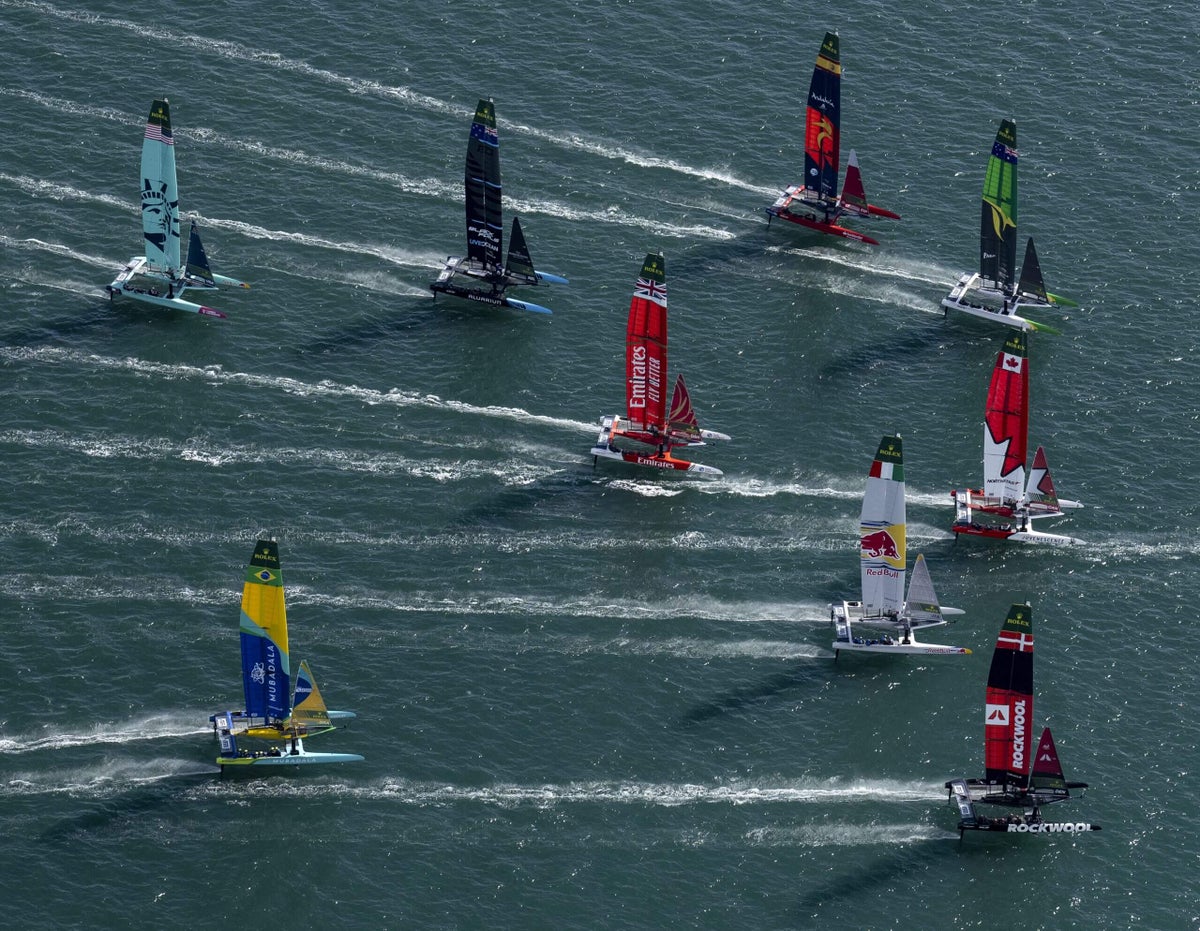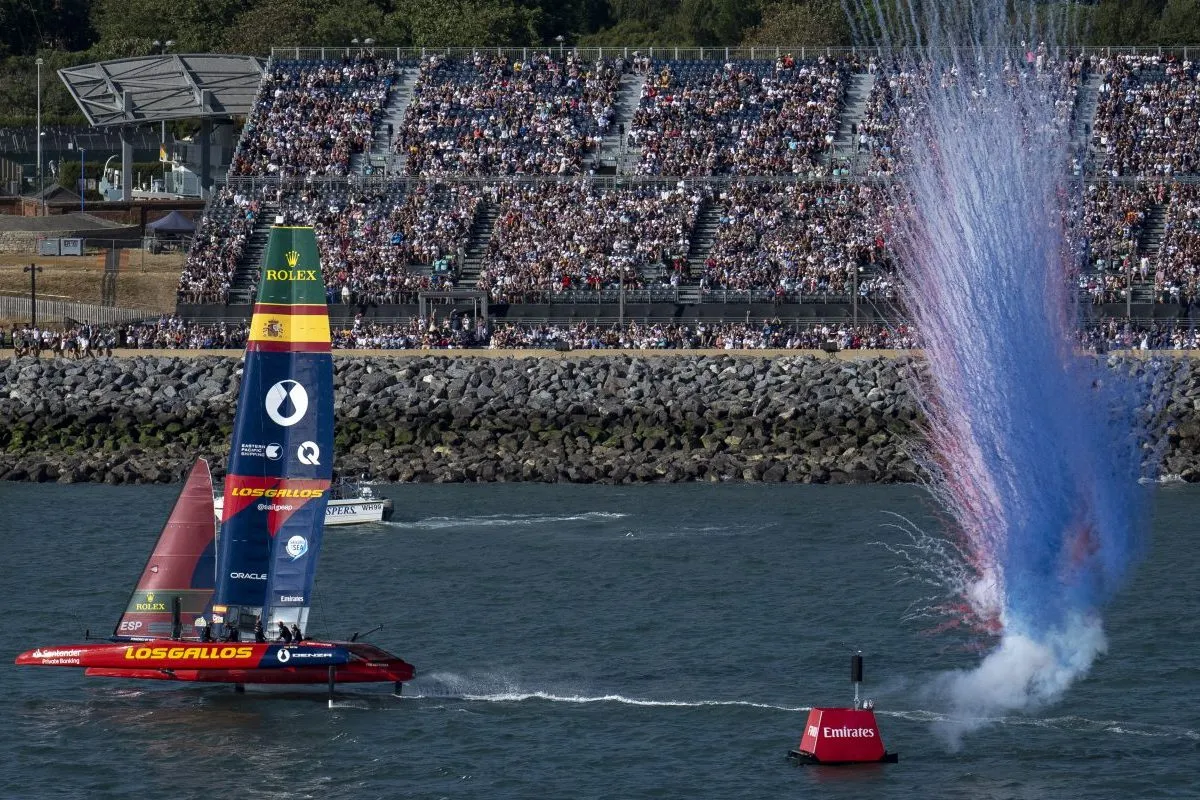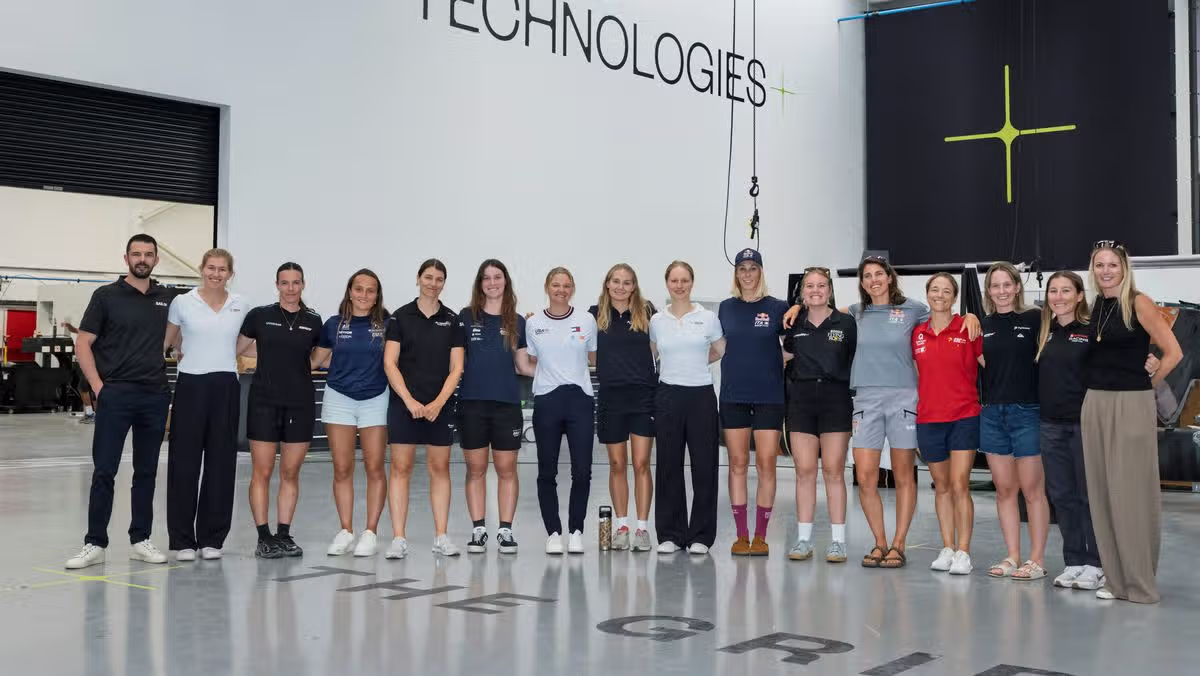
Editor’s note: This story is part of The Athletic’s coverage of SailGP, an international sailing competition that has been likened to Formula 1 on water. Follow SailGP here.Joel Marginson would love to get on with the daily business of building new F50 catamarans, but in the crash-bang world of high-speed SailGP racing, the New Zealander knows life is never quite so simple — especially not this year, a season that has witnessed some horrendous crashes and crunches of carbon fiber.There have been three major incidents this season and, from a boat repair perspective, Marginson, the director of SailGP’s design and innovation center, is in no doubt when asked what the biggest moment was.“I’d have to say the New York incident, purely because of the scale of having three boats intertwined rather than just one or two. It adds an extra layer of complexity,” Marginson told The Athletic, referring to the multiple pile-up on the start line between Italy, Brazil and the U.S. in May.Marginson’s SailGP Technologies base on the English south coast in Southampton is around 33 miles from Portsmouth, where this weekend’s Great Britain Sail Grand Prix will be held. Should a crash happen there, Marginson and his team of 150 boat builders will once again have to put aside the build program for the new F50s and urgently turn their attention to repairing the damage.The first race of the 2026 season in Perth, Australia, saw a collision between Switzerland and New Zealand barely a minute after the start. While Seb Schneiter’s Swiss boat was back on the water racing the following day, Pete Burling’s Black Foils catamaran took longer to sort out. The repair crew moved heaven and earth to get the broken F50 back and ready for the Kiwis’ home event in Auckland four weeks later.But it wasn’t long before New Zealand was caught up in another crash, this time with France, and this one was so severe it brought the first day of racing to a halt in Auckland.Then, three months later, came New York. Marginson witnessed the three-way crunch on the live broadcast from 3,000 miles away in Southampton.The collision between Italy, Brazil and the U.S. during the third race on the second day of the New York SailGP (Simon Bruty for SailGP)Marginson doesn’t allow himself much time to get emotional.“I spring into action during the race as it happens, so the logistical plan is immediately at the forefront,” he said. “While the technical team at the site is working on a salvage mission to get the assets — the boats and the wings — out of the water as safely as possible, I’m already looking at how much time we have until the next event, where we can operate, and how to move parts around.”With the Halifax event scheduled just three weeks after New York, there seemed little prospect of getting all three damaged F50s back on the start line in Canada. But to save on transit times all three boats were transported to a facility north of Halifax, about an hour away from the technical site, on trucks.Aided by some local experts in Nova Scotia, all the boats were repaired. Along with delivery of a new F50 for New Zealand — the remainder of their broken boat from Auckland was cannibalised to help reconstruct the French boat — that meant 13 boats back on the start line for the first time since February.However, all 13 boats have yet to make it cleanly through a race weekend this season. On Sunday in Halifax, the British team caused significant damage to their wingsail and other components after pushing the boat too hard during pre-race practice and crashing off the foils. Later on the same day, Brazil clipped one of the GPS-located rounding buoys during a race, taking themselves out of competition.
How to build huge catamarans in 57,000 hours – and repair them after crashes
Seven grand prix weekends into the season and there have been three major crashes, which means SailGP's boat builders have been very busy.
1,499 words~7 min read