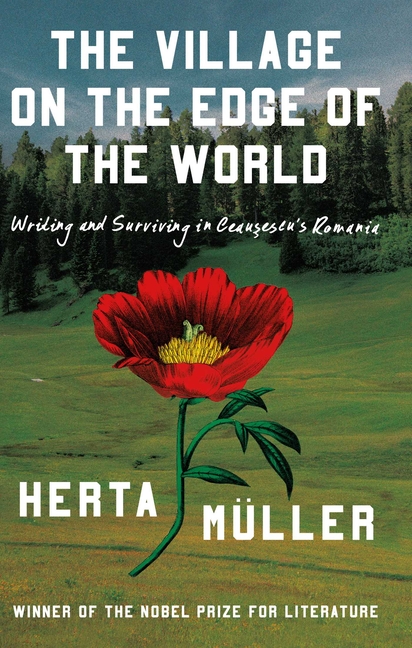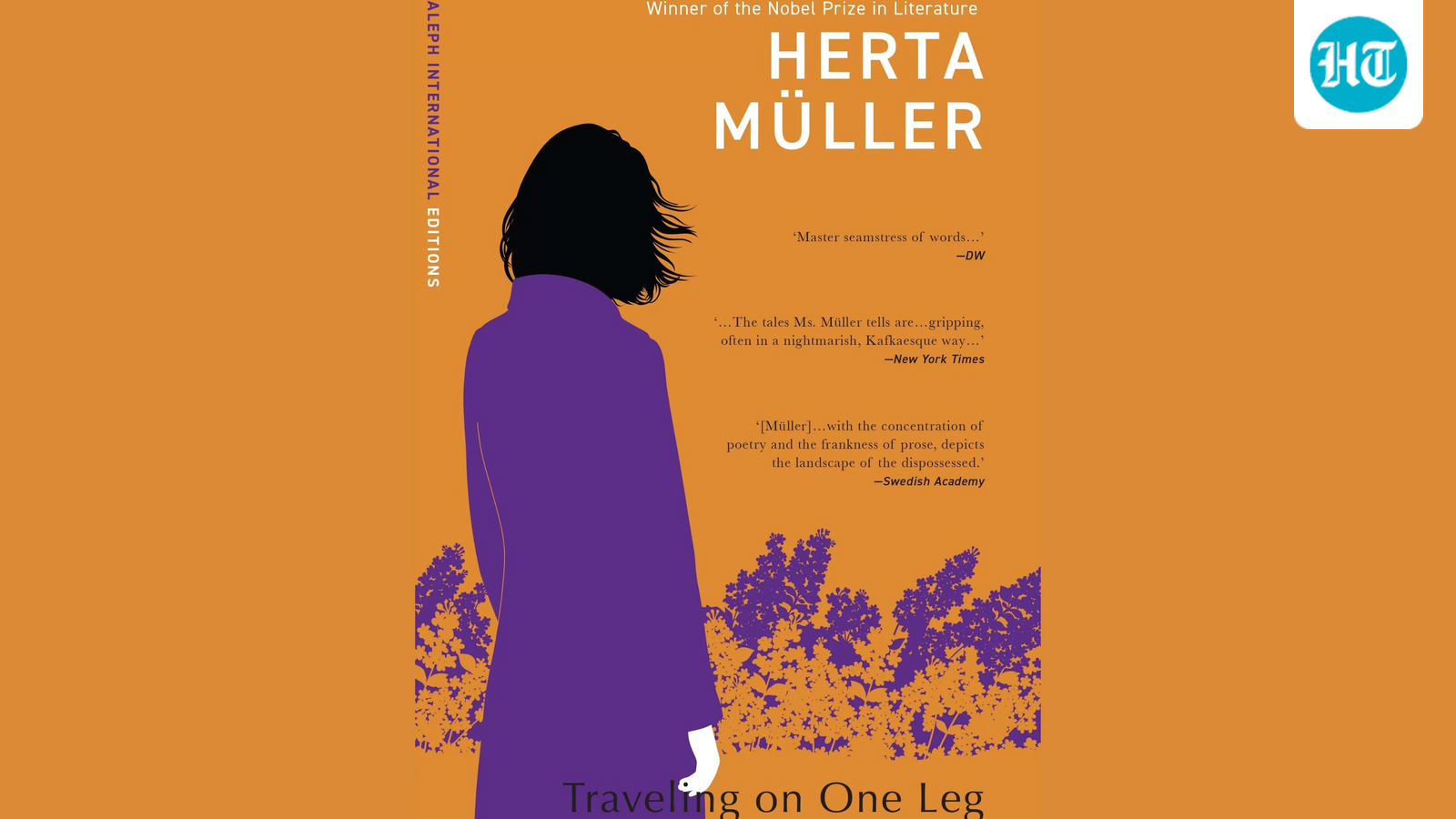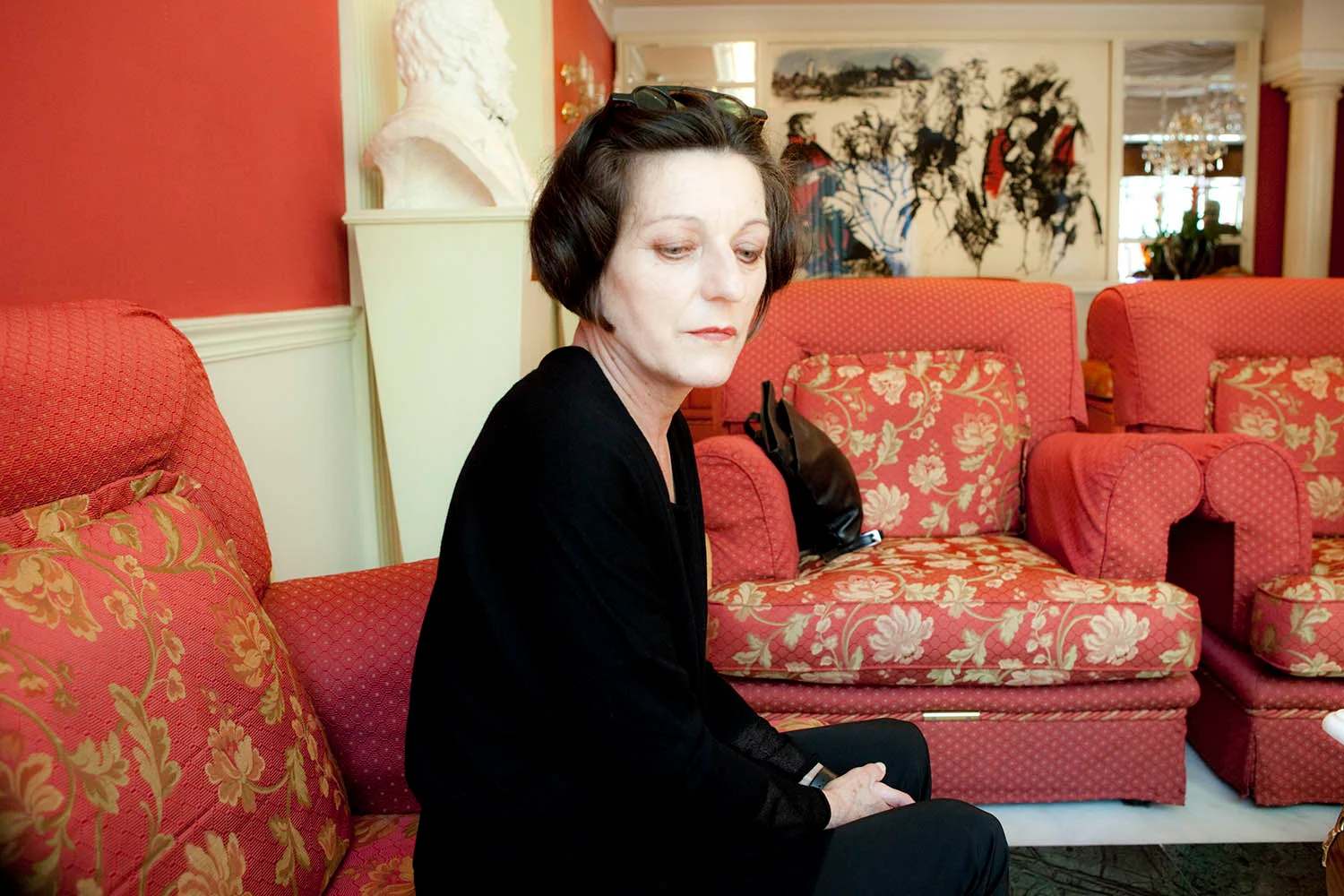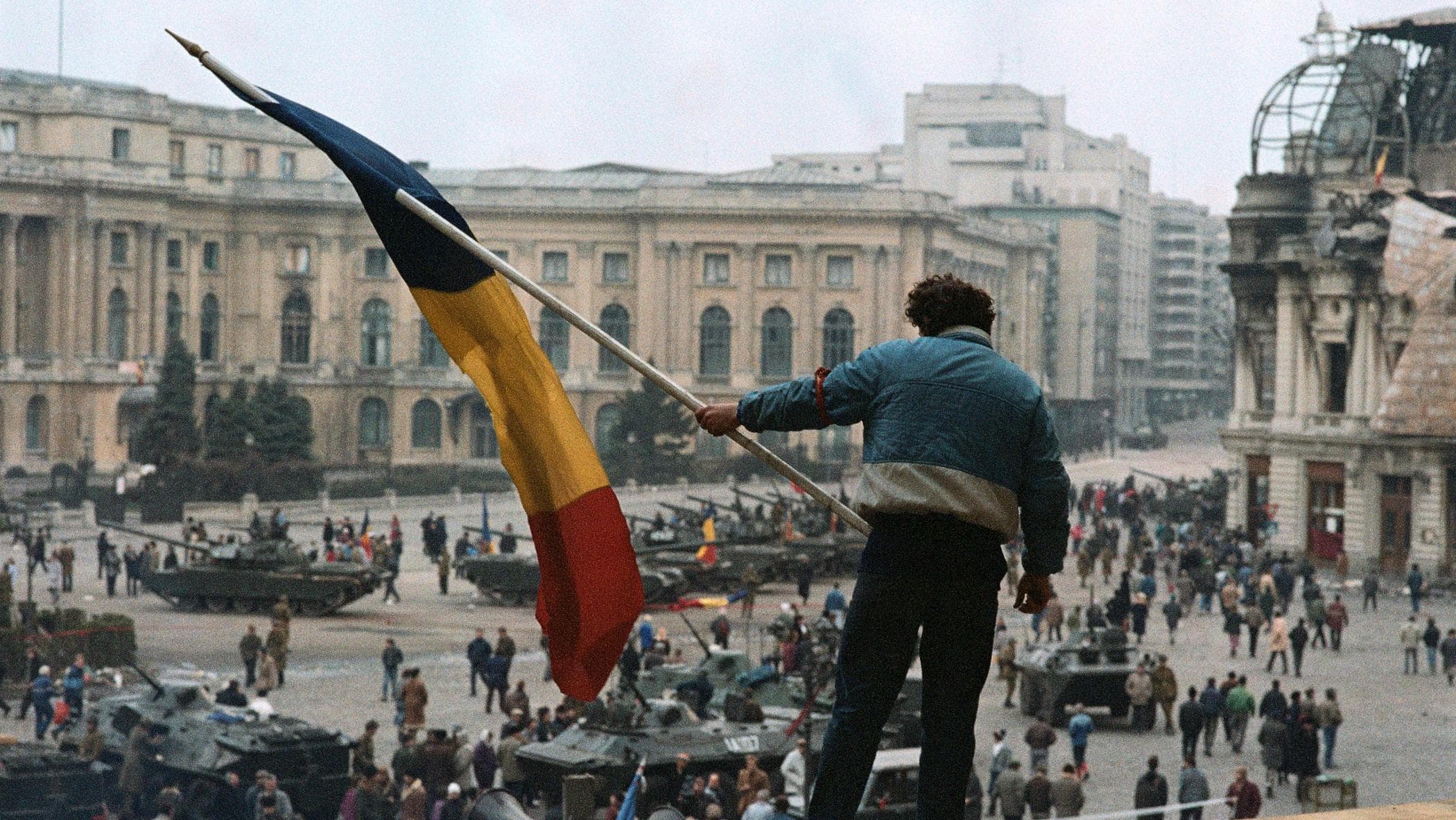
The Village on the Edge of the World: Writing and Surviving Ceaușescu’s Romania Author: Herta Müller, translated by Kate McNaughtonISBN-13: 9781783788170Publisher: GrantaGuideline Price: £16.99; 256ppThere are writers who bear witness to history, and there are writers who alter the way we see it. Herta Müller belongs to the latter category. The Village on the Edge of the World is presented as a series of conversations about her life and work, yet it reads more like a memoir of survival under Ceausescu’s dictatorship, a book about language, memory and the imagination’s resistance to fear. It becomes something rarer than autobiography: a defence of literature itself.Müller grew up in the Banat village of Nițchidorf, “as small as a thimble on the edge of the world”, a place shadowed by both fascism and communism. Her father had served in the Waffen-SS; her mother survived deportation to a Soviet labour camp. Müller repeatedly returns to Romania’s failure to confront its complicity in nazism and wartime atrocities. The village is not a lost paradise but a psychic landscape where unspoken histories have seeped into language, objects and silence.Müller shows that totalitarianism is not merely political but perceptual. The damage done to language, memory and the inner life. She writes vividly about interrogations, informers and the Securitate’s petty cruelties, including the fox fur in her apartment repeatedly mutilated to signal that she was being watched. Under dictatorship, speech becomes contaminated by fear, and the writer must find new ways of seeing and saying. The result is prose of extraordinary descriptive intensity, where the ordinary world becomes unsettling, lyrical and revelatory.Later, Müller explores her friendship with the poet Oskar Pastior, whose experiences in a Soviet labour camp informed The Hunger Angel. Equally fascinating are the reflections on her word-collages, where language is literally cut apart and reassembled. Structured as a dialogue with her long-time editor Angelika Klammer, and beautifully translated by Kate McNaughton, the result is a sustained work of literary self-reflection.Müller reminds us how fragile freedom of thought can be. Democracies do not become authoritarian overnight. They erode through conformity, self-censorship, moral certainty and the gradual replacement of lived reality by approved narratives. Müller’s answer to ideology is attention: attention to language, memory and the irreducible particularity of human experience. This is ultimately not a book about Romania; it is about what writing protects when everything else is under threat.Adam Wyeth is a poet, playwright and critic, and the author of five books
Herta Müller’s The Village on the Edge of the World: Survival under Ceausescu’s regime
A book about language, memory and the imagination’s resistance to fear
407 words~2 min read