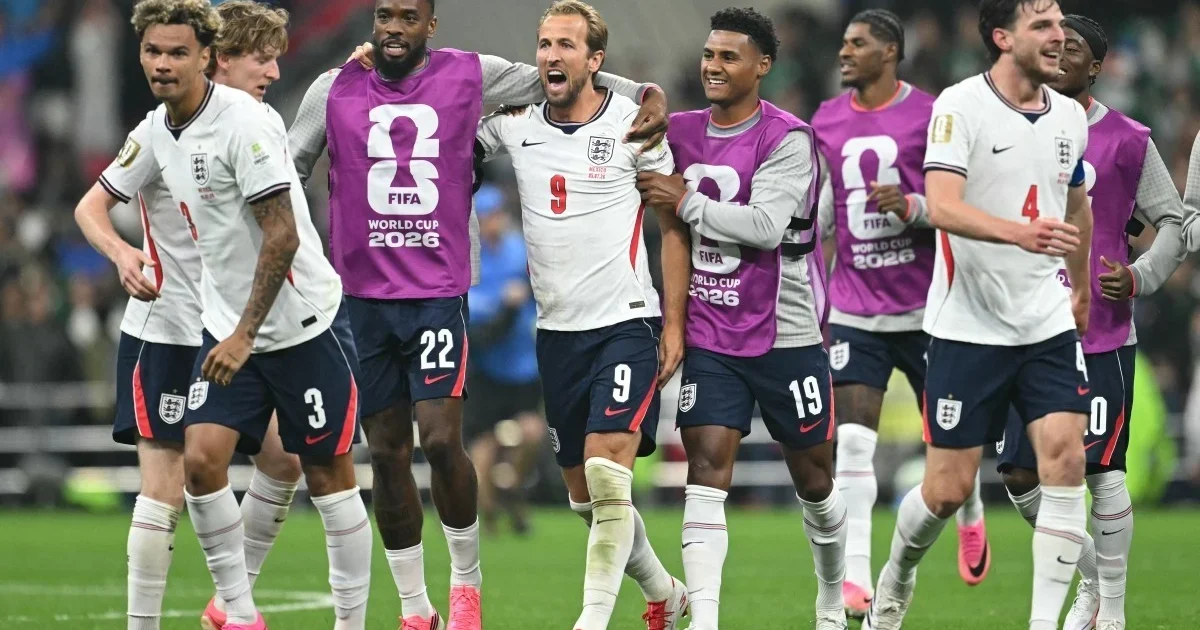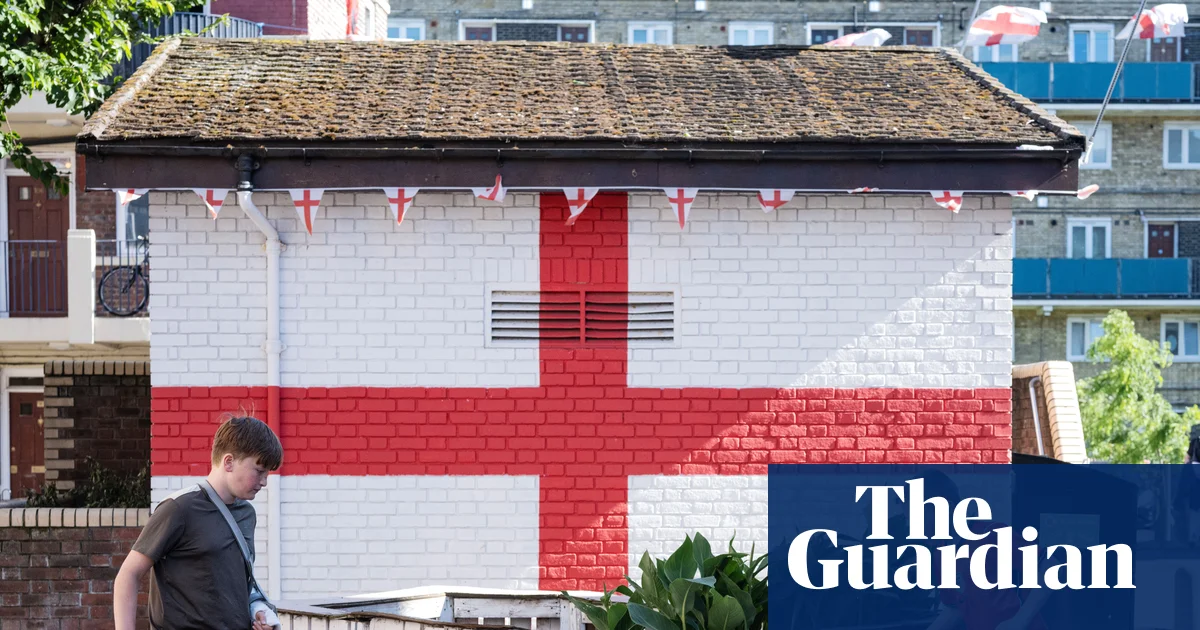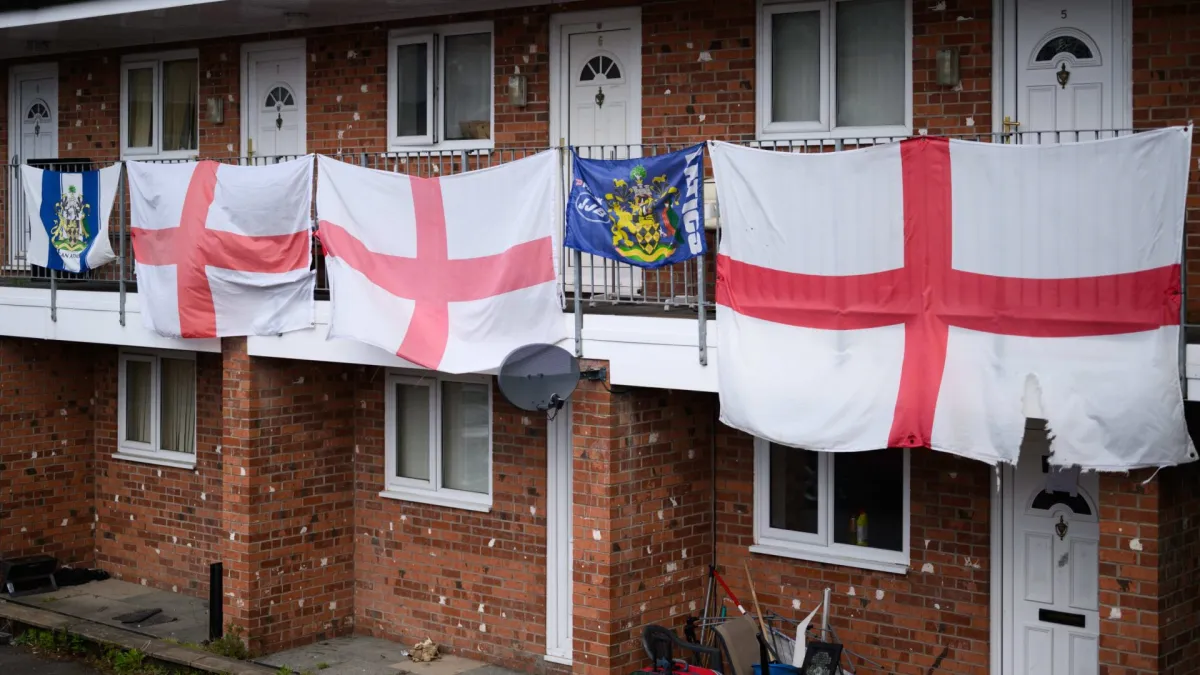
If, as the joke goes, war is God’s way of teaching Americans geography, then sport is arguably His way of instructing the British in their own history. The World Cup provoked an outpouring of anti-England sentiment, much of it rooted in the colonial past. An Irish Times article posited that it is “totally fine to hate England during the World Cup”; Union Jack flags were burned in Buenos Aires; and Sinn Fein Senator Chris Andrews announced that he would “support anyone who’s playing England until England isn’t occupying Ireland”.
The national curriculum really doesn’t cover history with the colonies in mind
“Anyone against England” isn’t new for Andrews’ countrymen; Taoiseach Eamon de Valera sent condolences on the death of Hitler. (We can use history too, you know). But is this sentiment confined to footballing banter or does imperial history affect our diplomacy today? Empire has bequeathed various issues complicating Britain’s relationships, including compensation for historical injustices, demands for reparations, and calls for the repatriation of looted artefacts.
Yet diplomats stress that these are rarely raised by government counterparts. Jeffrey James, High Commissioner in Kenya between 1997 and 2001, tells me: “I cannot recall any occasion when Britain’s colonial past was raised as a means of exerting some kind of pressure. In Kenya, Britain’s standing was still generally very high, both with politicians and the public, with the great majority of people seeing Britain as a friendly source of advice and support. The issue of victims of torture, even castration, was just coming to the fore and, later, as the evidence emerged from hidden archives, compensation was paid by the British Government. But this campaign was championed by London-based lawyers and did not receive particularly strong support from the Kenyan Government”.