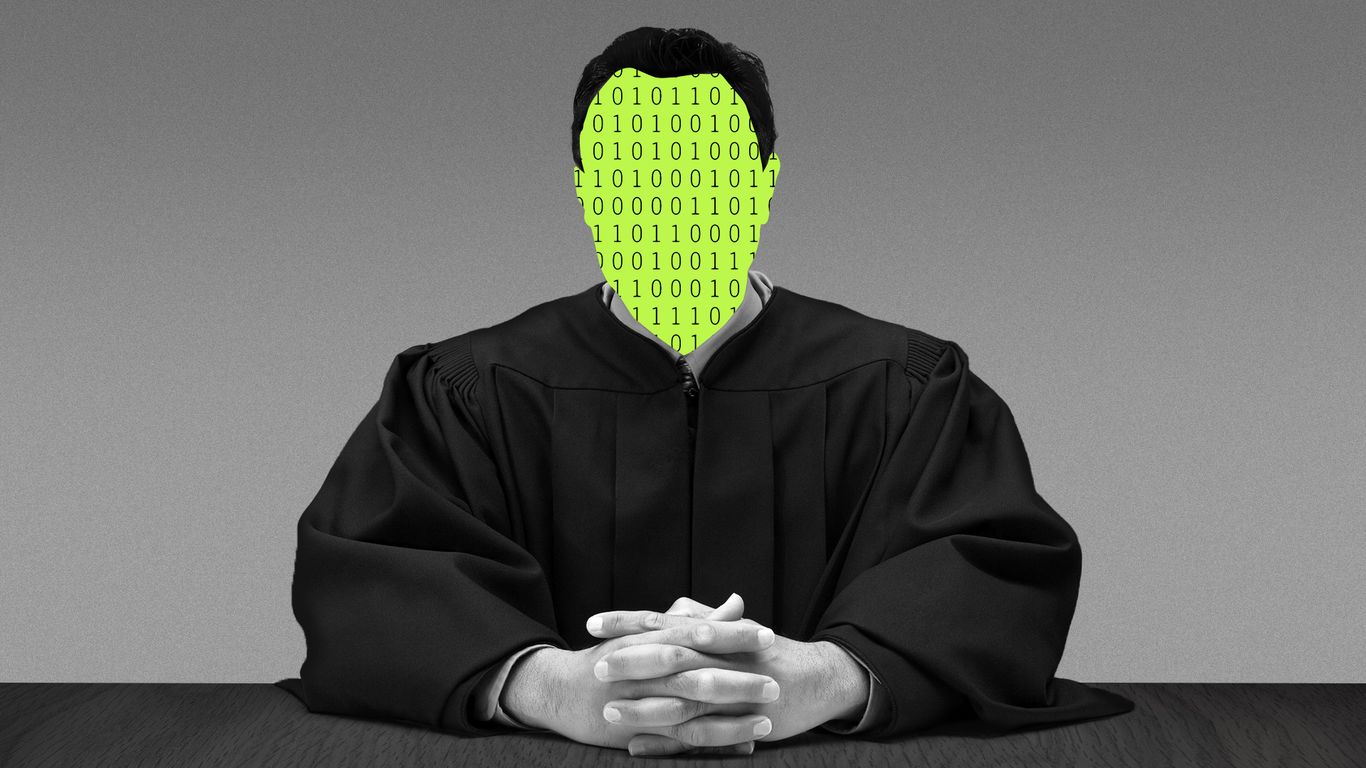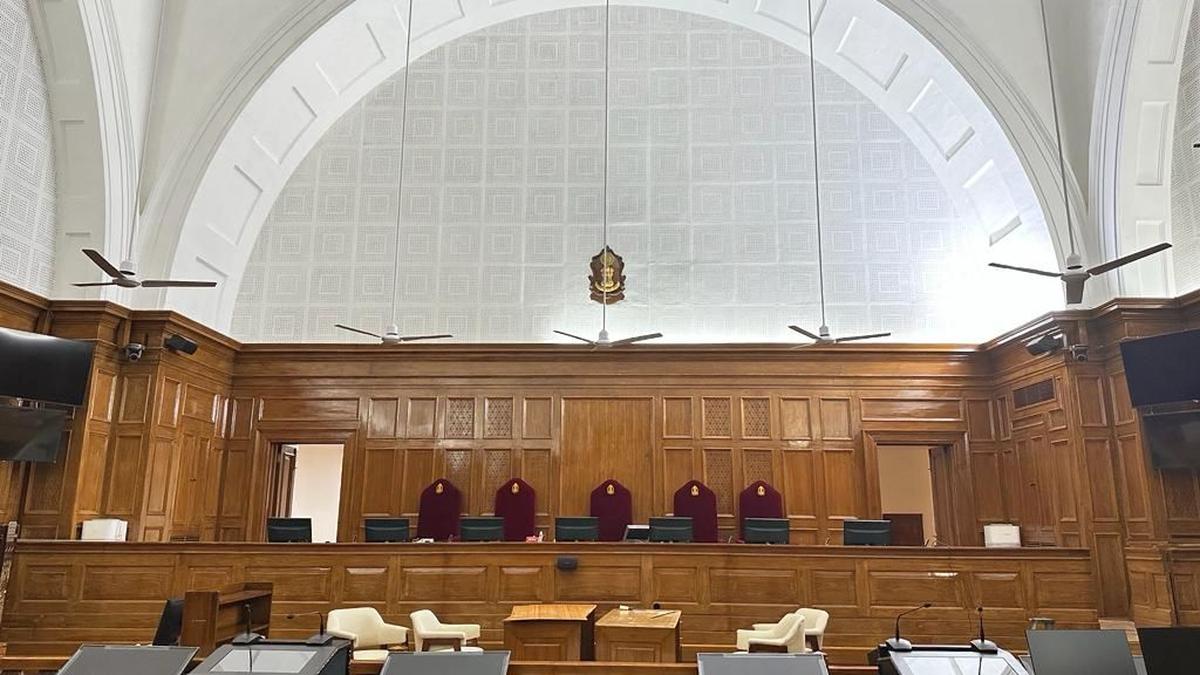
‘Judges should be superhuman’: The invisible burden behind the bench
When conflict erupts, disasters strike or political crises unfold, courts are among the few institutions expected to keep functioning – ensuring the essential rule of law is maintained.Judges continue hearing criminal cases, working to protect constitutional rights and ensure accountability for law breakers, often while working under the same daily pressures as the communities they serve.Yet for decades, little attention has been paid to the well-being of those entrusted with delivering justice.“The judge seems to float along the bench with effortless serenity, like a swan on the mirrored surface of the lake,” said Hon. Rangajeeva Wimalasena, Judge of the National and Supreme Courts of Papua New Guinea, in an in-depth interview with UN News. “But beneath that mirrored surface of the lake, there's a very big struggle.”Ahead of the international day designed to highlight the resilience and importance of judicial work, Judge Wimalasena described how supporting judges is not simply a workplace issue but a cornerstone of fair, impartial and effective justice. The annual observance follows the adoption of the Nauru Declaration on Judicial Well-being, developed through the UN Office on Drugs and Crime (UNODC) in 2024, which encourages courts and governments to recognize the importance of judicial well-being worldwide.Deeper and broaderJudge Wimalasena believes the well-being of his profession is misunderstood:“When you say judicial well-being, a lot of people think it's about individual judges’ well-being... making them live in a very comfortable and happy lifestyle” he said. “But what is meant by judicial well-being is far deeper and broader.”