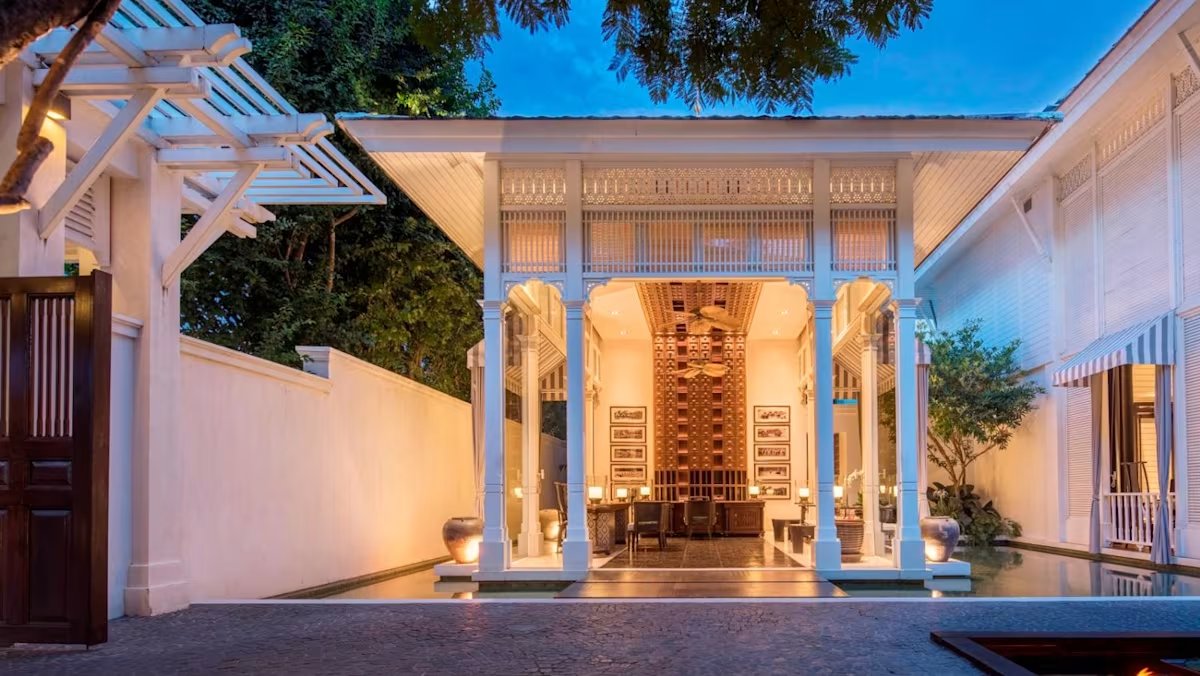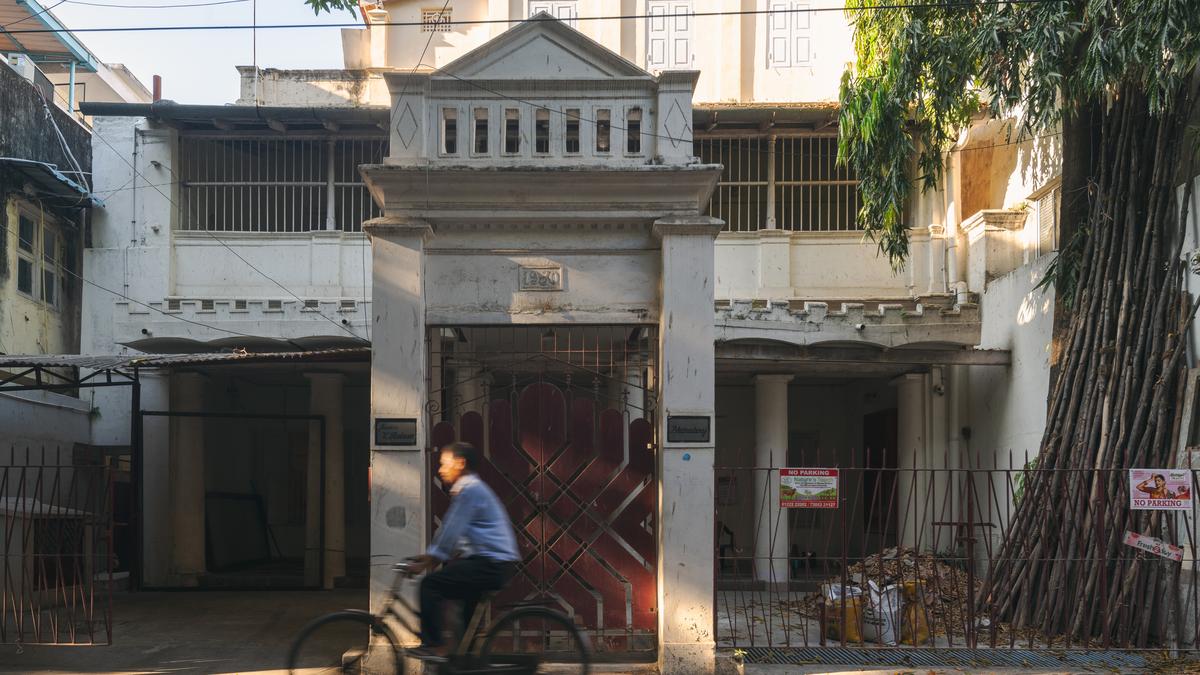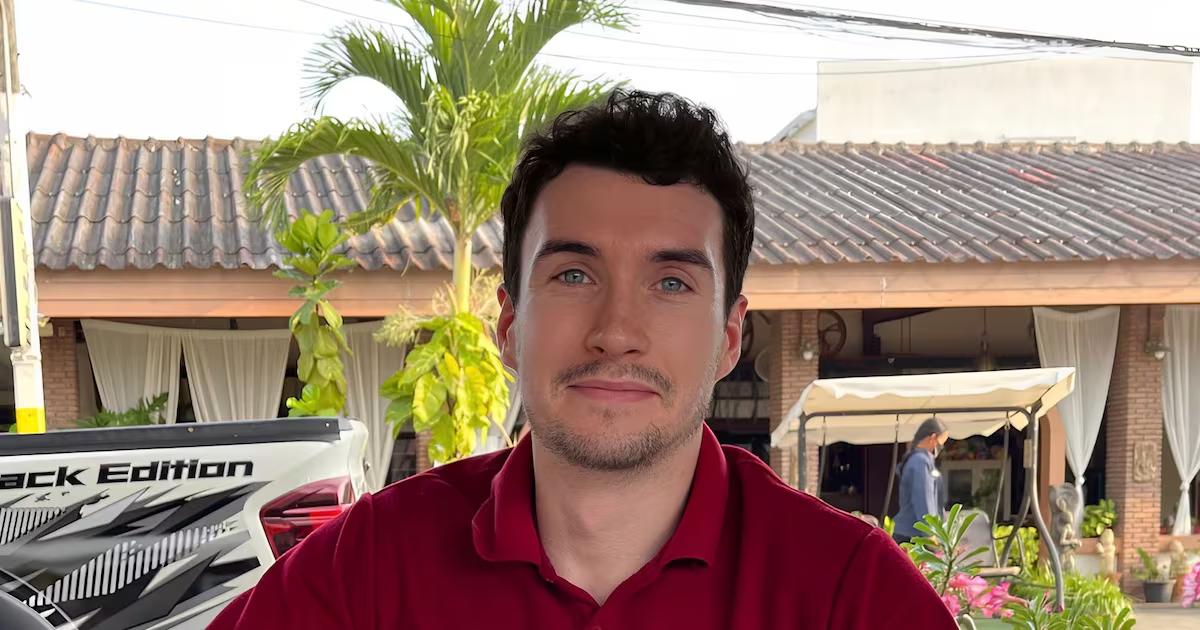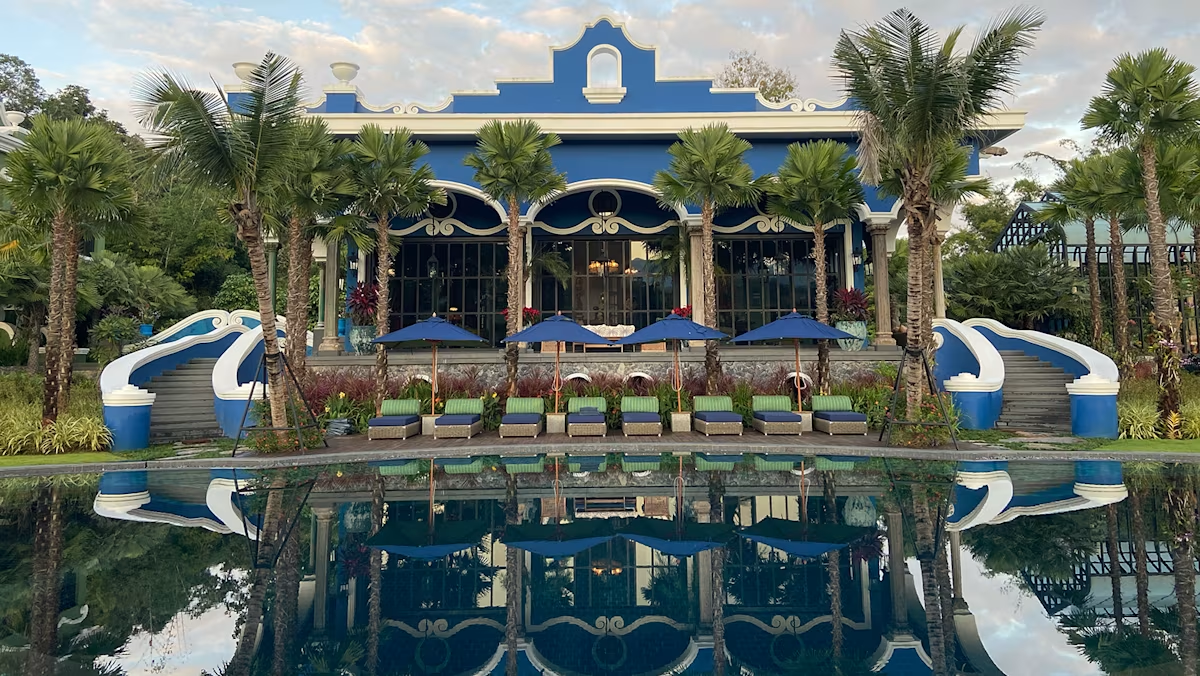
Wat Ket is a riverside neighbourhood in the northern Thai city of Chiang Mai. Just a 15-minute walk from the Old City, it feels removed from its tourist bustle.“To me, it has always felt like one of the quieter, more layered parts of Chiang Mai,” said textile designer and interior stylist Narisa Watananun, pointing to its residential character and slower rhythm.Watananun knows Wat Ket intimately, having grown up in the neighbourhood before leaving for boarding school in England at 11. She later studied textiles at Central Saint Martins in London and now lives in Singapore with her architect husband.After working with architect Antonio Eraso and the late furniture designer Christopher Guy, she founded Studio Baro, whose projects include Appetite, Restaurant Zen, Marguerite and 21 Carpenter.
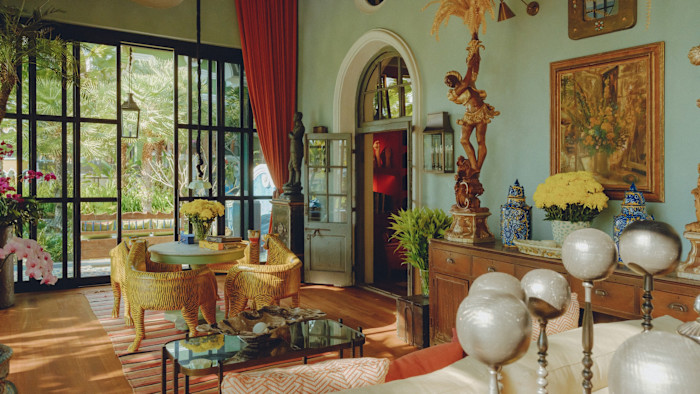
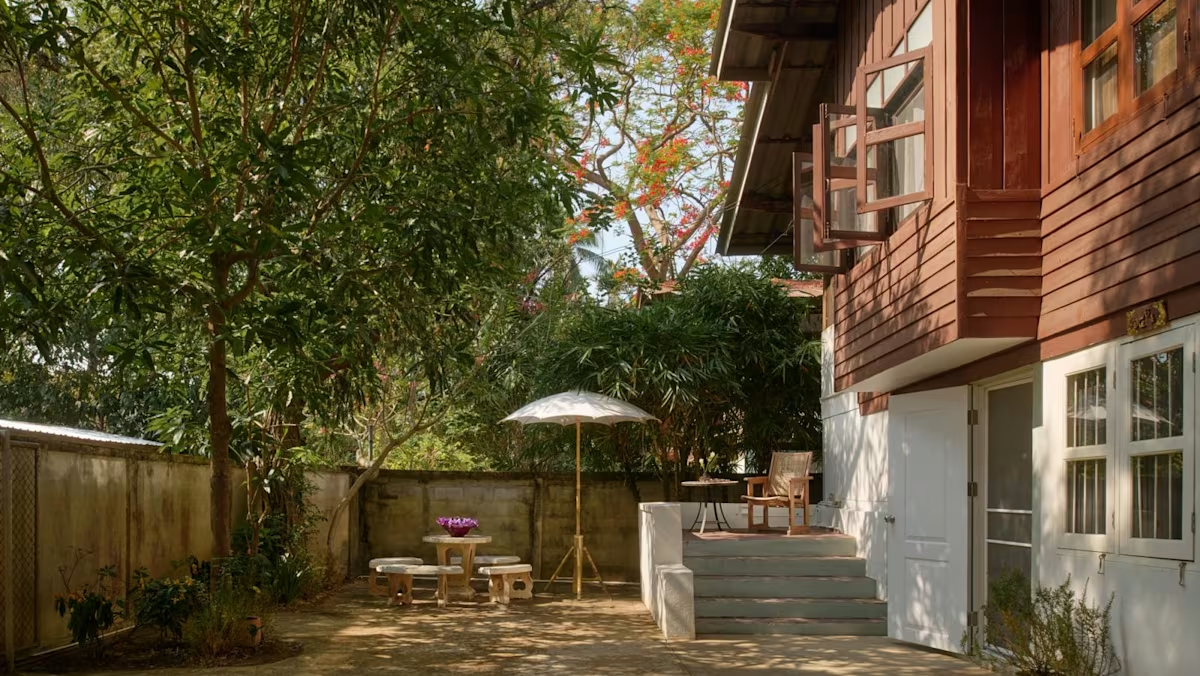
For Narisa Watananun, restoring Little House Chiang Mai also meant returning to a landscape filled with childhood memories. (Photo: Jovian Lim)
(Photo: Jovian Lim)
“What I’ve always loved about Wat Ket is that you can still find traces of the older Chiang Mai here – the shophouses, the temples, the small lanes, and the mix of cultures and histories that still shape the area,” said Watananun.Many of the businesses she knew growing up remain, although they are now run by third- or fourth-generation owners. “They try to do something different, but are still small, quirky, and kind of crafty,” she said.Watananun’s family history is closely tied to Wat Ket. Her great-grandfather was William Bain, a Scottish teak trader, or “teak wallah”, who became the last manager of the Borneo Company’s Chiang Mai operations.