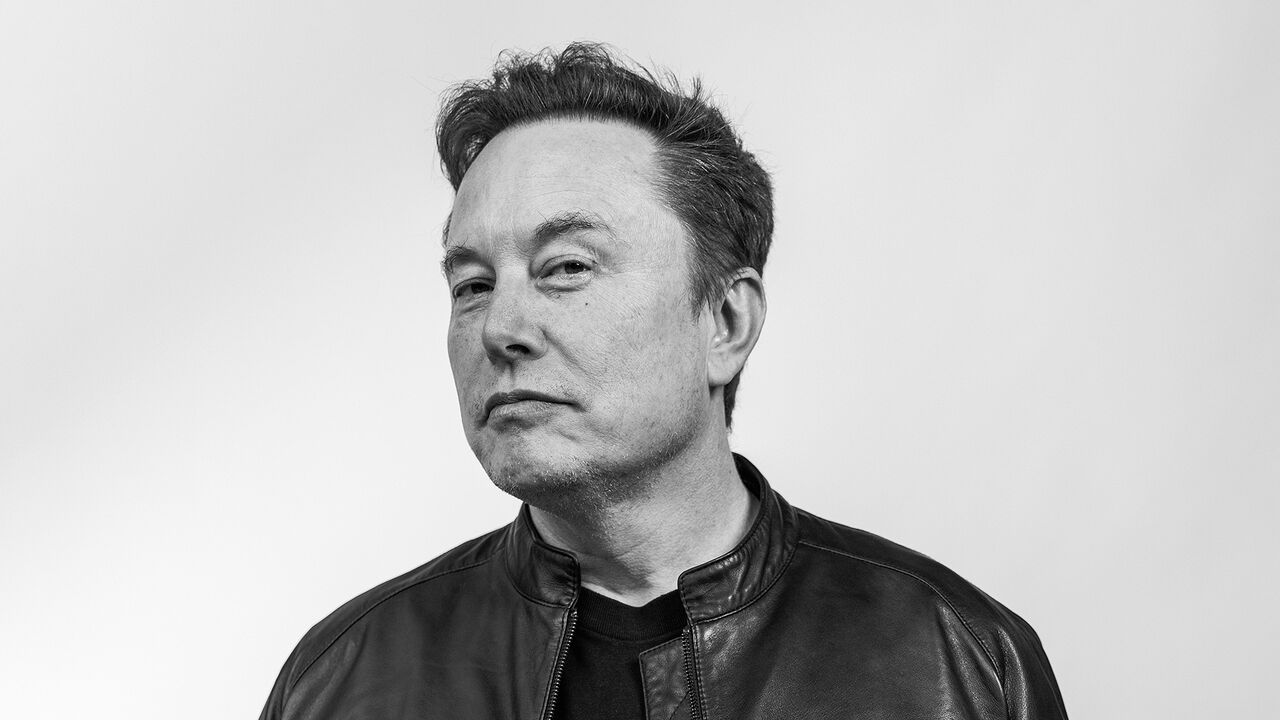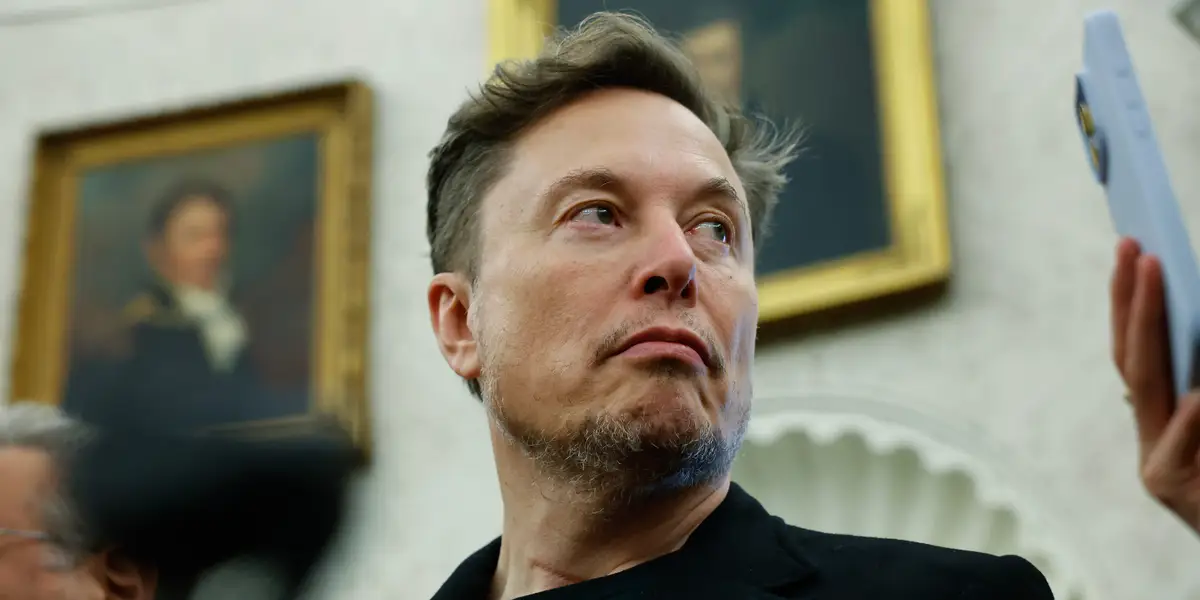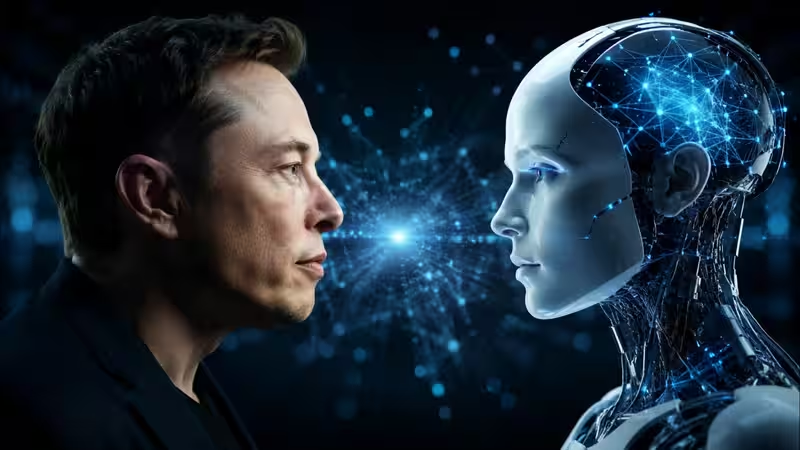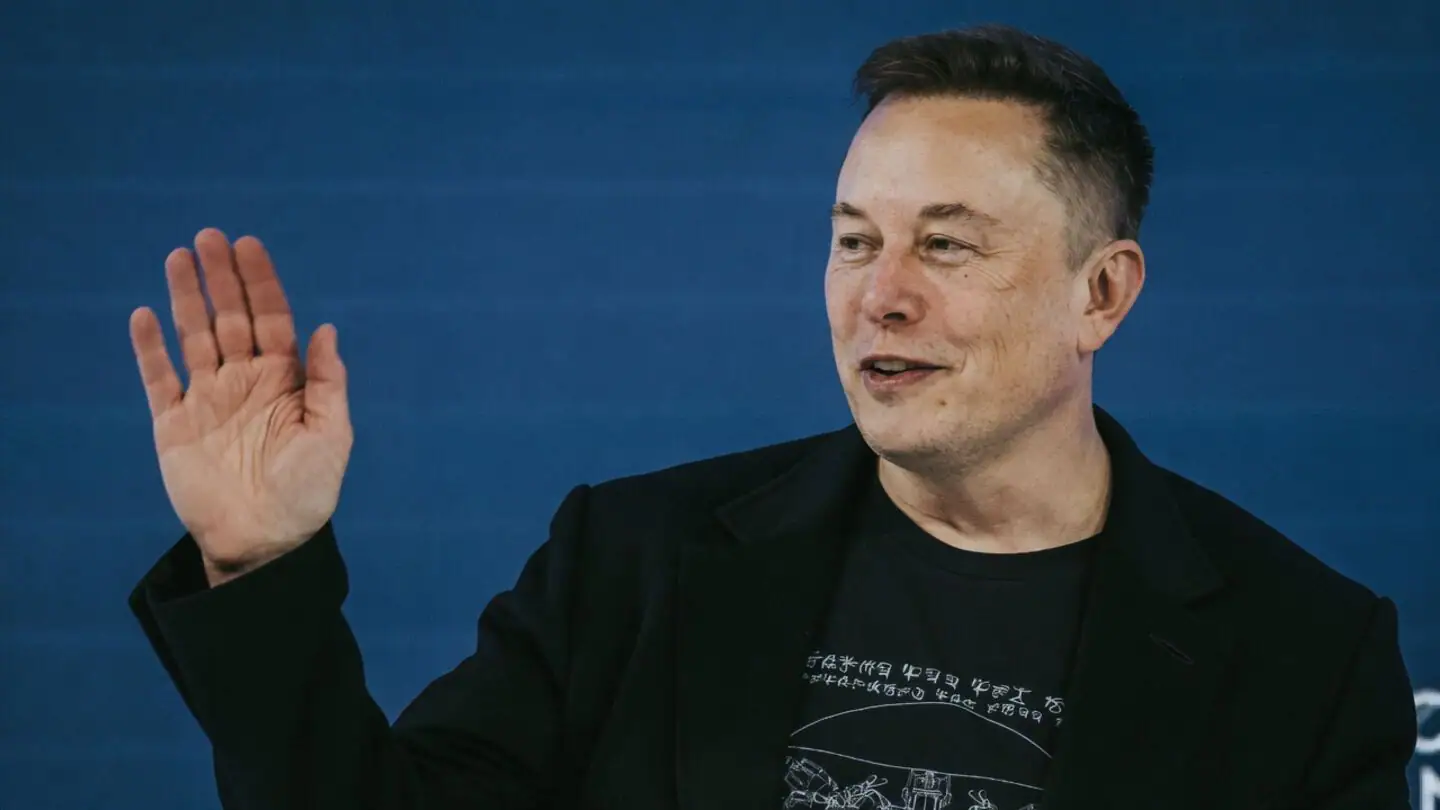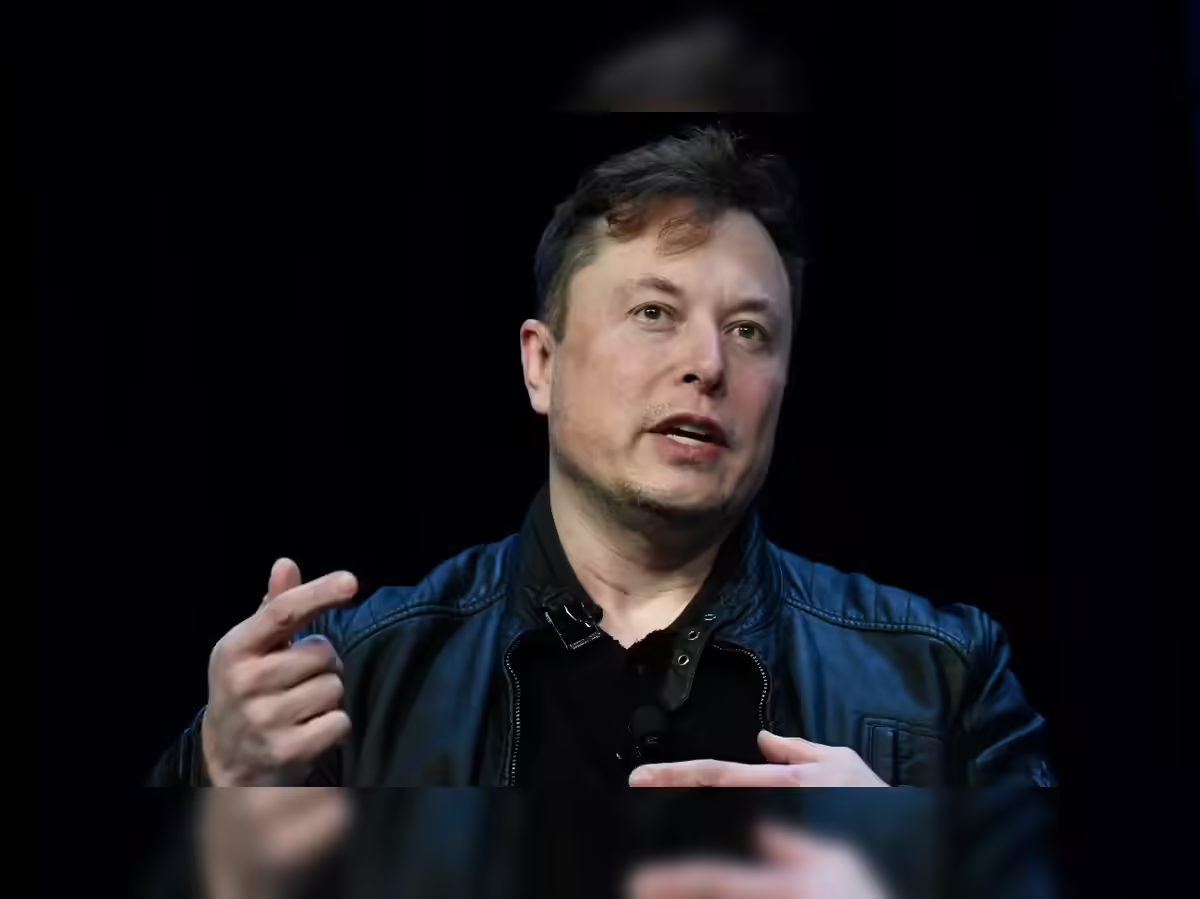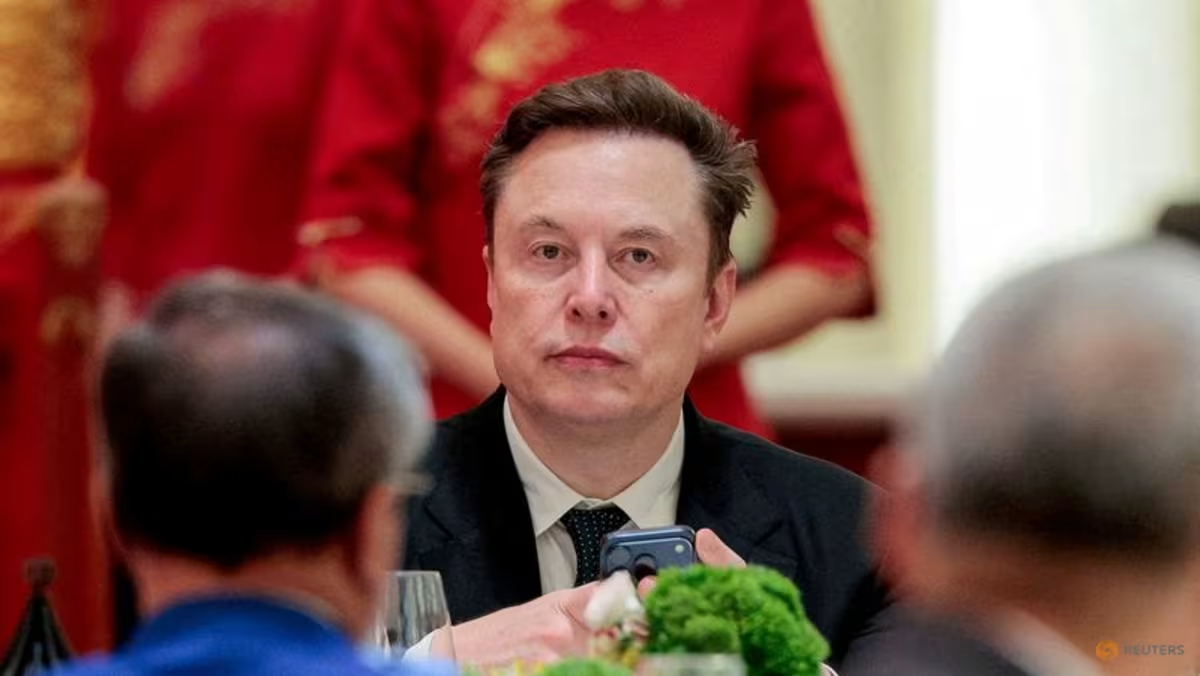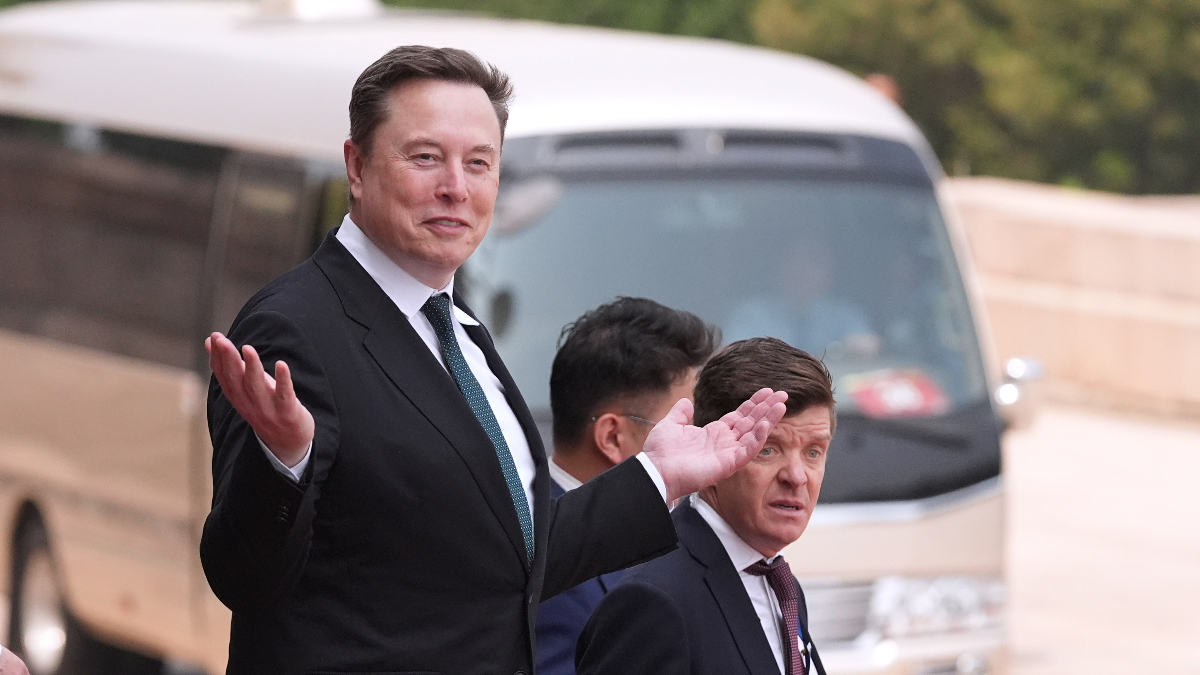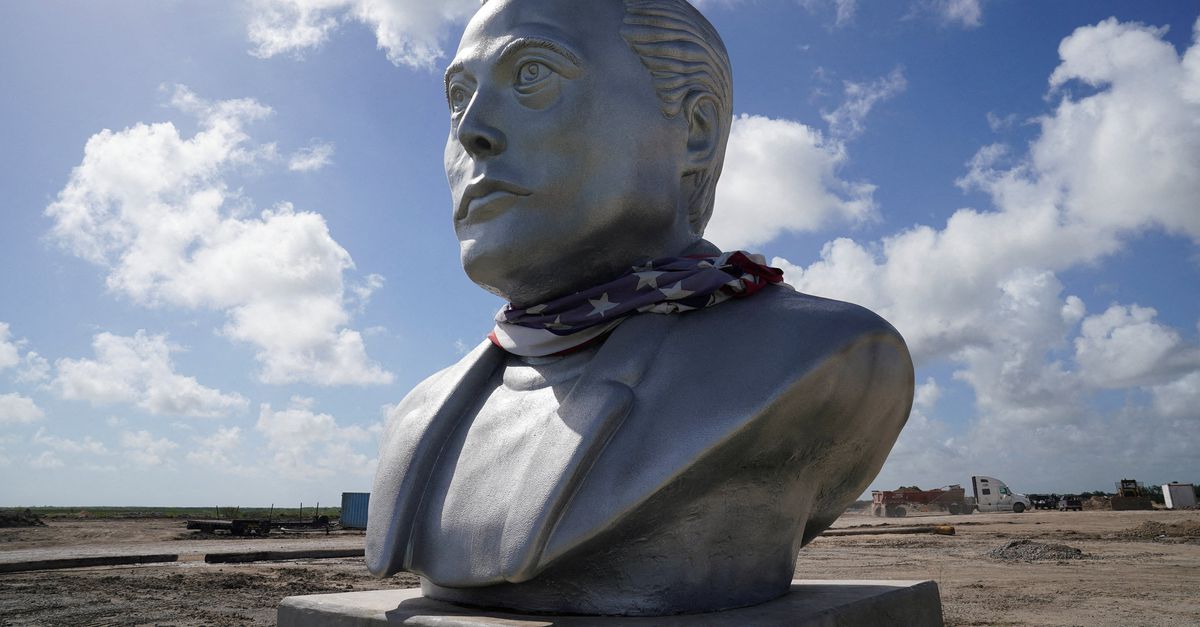
Artificial intelligence poses a double challenge to the human mind. Not only will the most advanced models soon be able to think better than people, but AI has consequences for humanity which are so uncertain, so potentially vast and are approaching at such a rapid pace that even the best brains flinch. An example is Elon Musk.
In our long interview with him this week, featured in The Insider and our Business section, the engineer and entrepreneur sets out two paradoxes and one contradiction. The first paradox is that one of the world’s most power-hungry tycoons is enthusiastically helping create a technology that he says will render him—and all other human beings—powerless after as little as five years. The second is that the world’s richest man says he is preparing for a world of infinite abundance, where money, including his $750bn fortune, no longer matters. And the contradiction is that, despite these stated beliefs, Mr Musk continues to act as if they were not true.
De redactie van NRC selecteert de beste artikelen uit The Economist voor een breder perspectief op internationale politiek en economie.
Mr Musk is divisive. His political views, disseminated to his 240m followers on X, strike many as plain-speaking and strike many more, including The Economist, as plainly bigoted. By his own admission, his attempt to use DOGE to scythe through the federal bureaucracy went wrong.