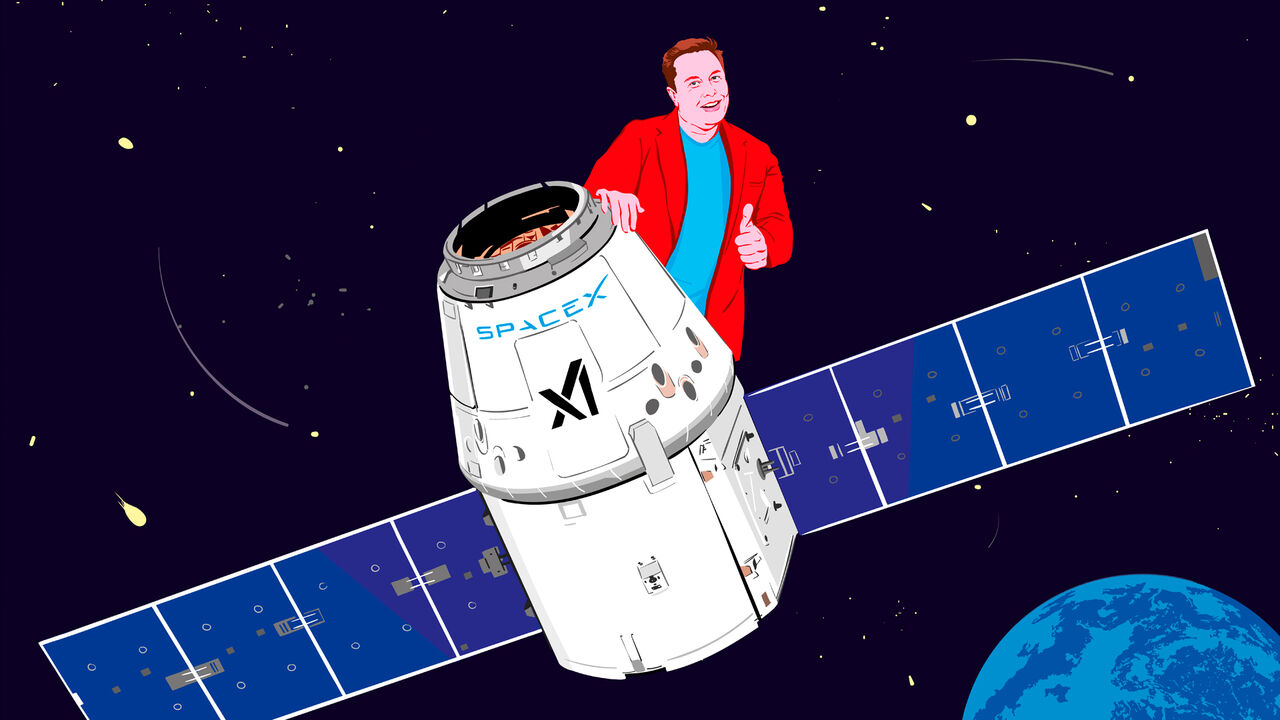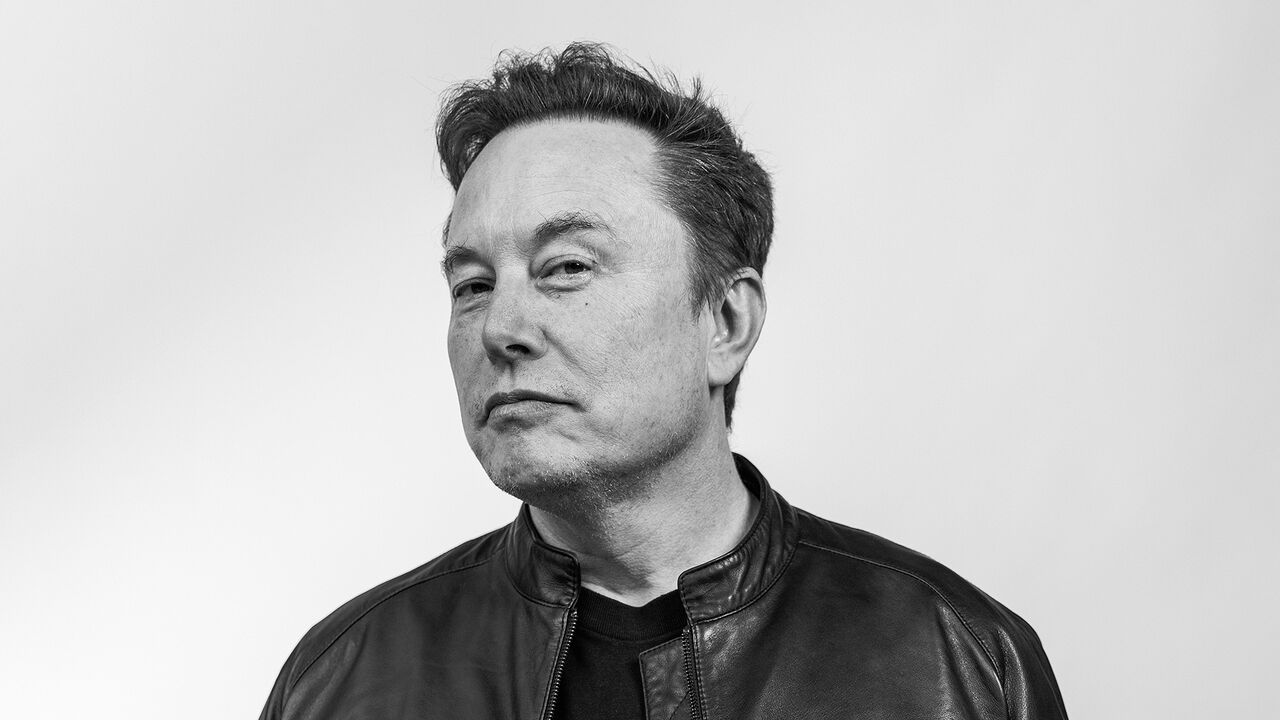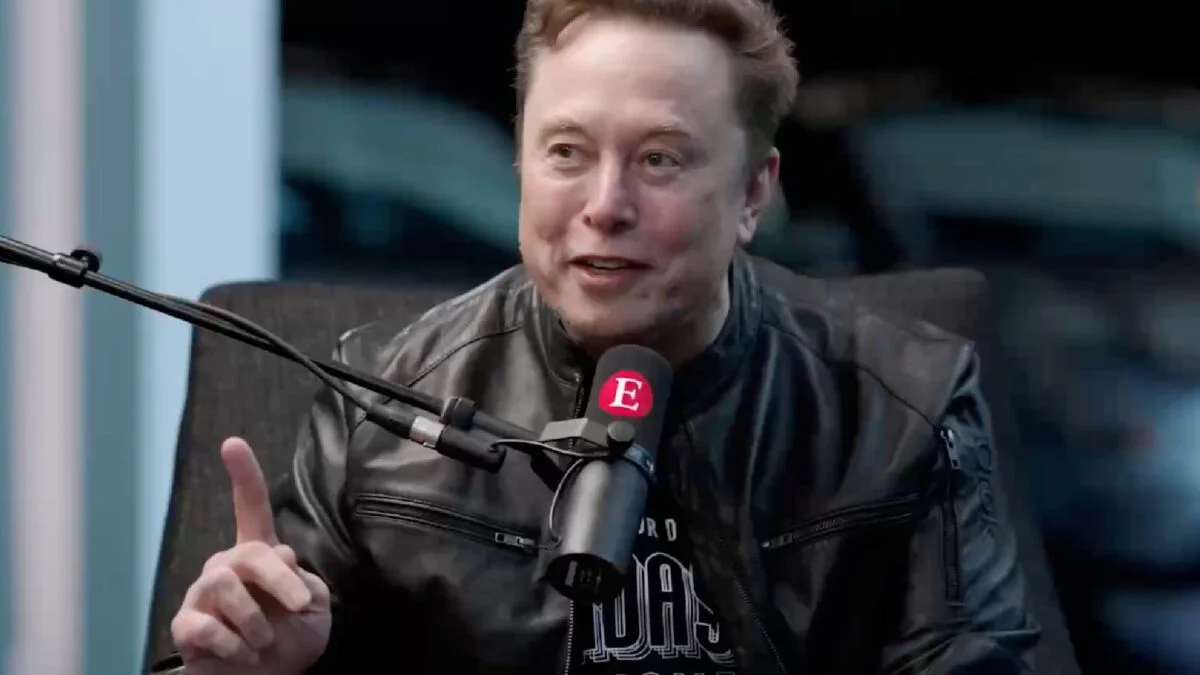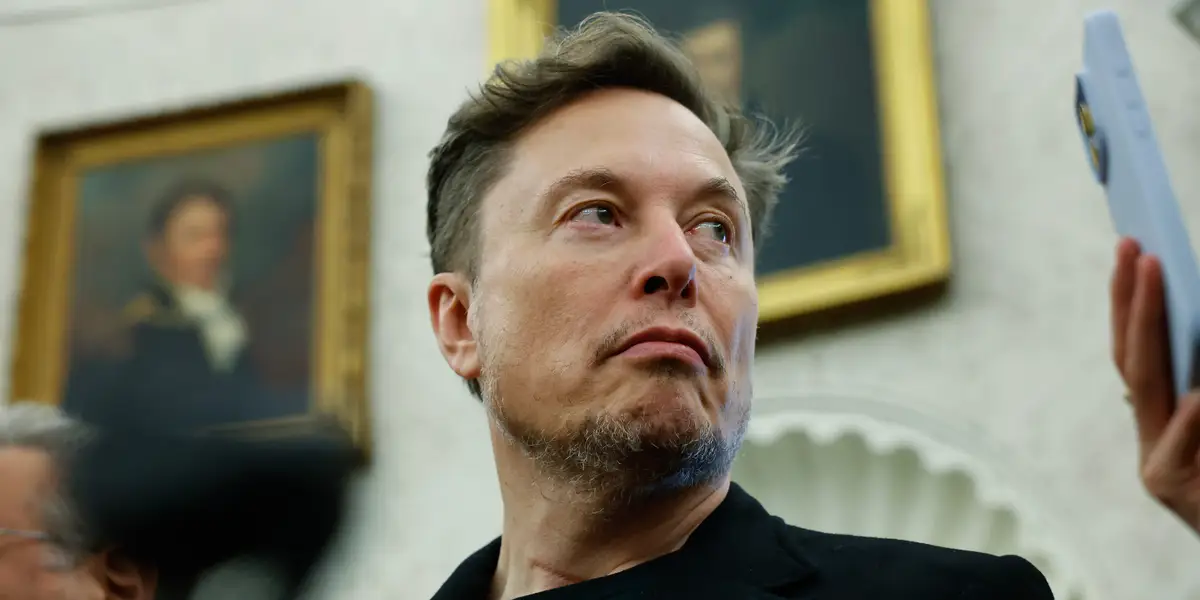
Elon Musk admitted he got "a little too involved in politics."
Chip Somodevilla via Getty Images
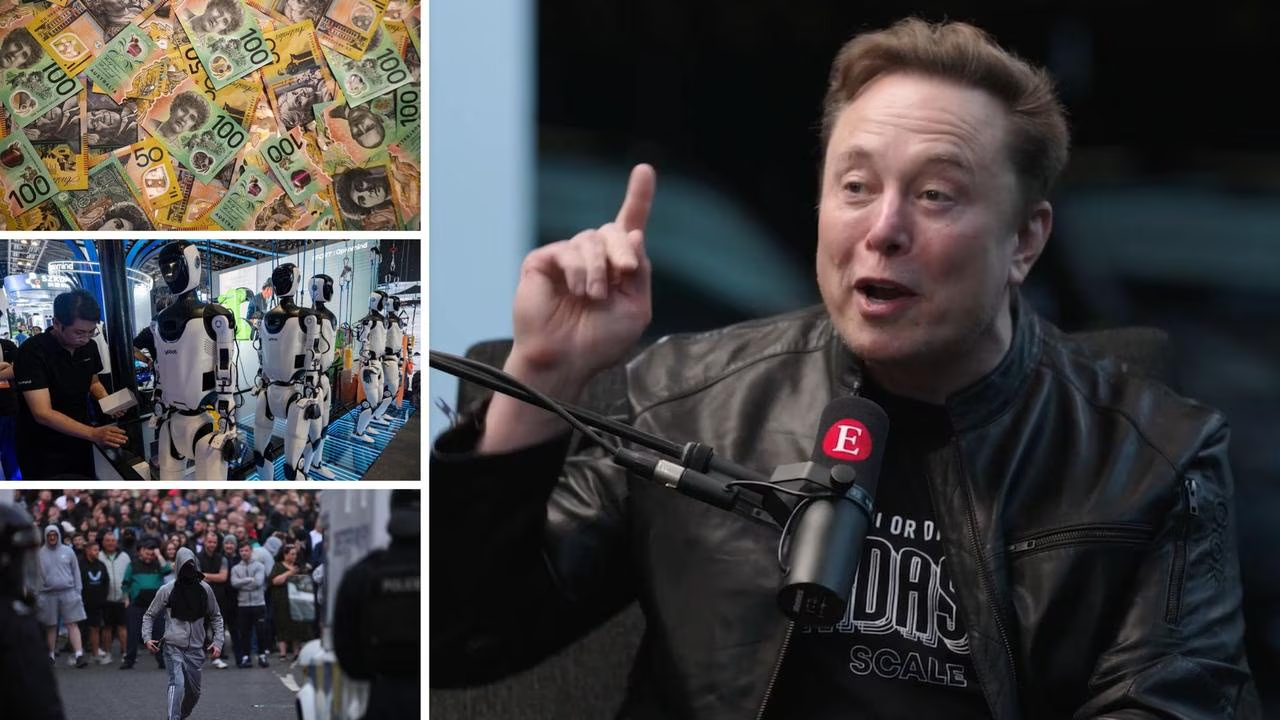
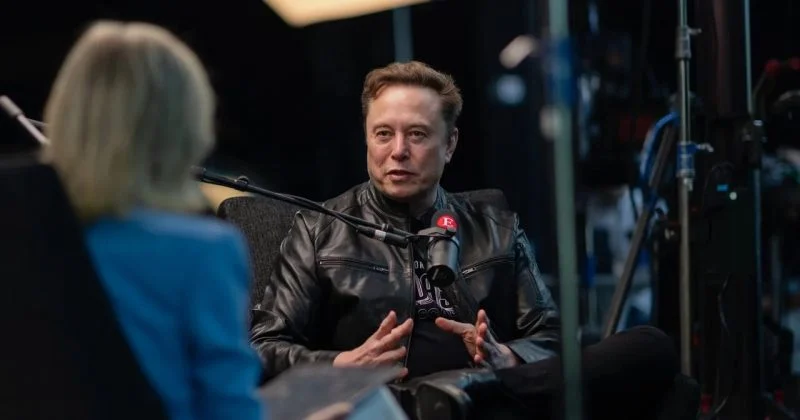
Elon Musk sat down with The Economist's editor in chief Zanny Minton Beddoes on Thursday for a wide-ranging interview, covering everything from superintelligent AI to his controversial stint in government.Musk, the world's richest person, is the CEO of Tesla and SpaceX and owns the social media platform X, where he has roughly 250 million followers. He also runs xAI, his artificial intelligence startup, putting him at the center of the AI race he discussed at length.Here are the five biggest takeaways from the 90-minute interview:1. Musk thinks AI will surpass the sum of human intelligence within roughly 5 yearsMusk said AI may exceed humanity's collective intelligence "in around five years," adding that soon, "there really won't be anything that AI can't do better than humans, apart from being human, perhaps."He painted a utopian picture of what comes next: an "age of amazing abundance" where "anyone can have anything they can think of."However, he was less reassuring on who will be in charge, comparing the coming intelligence gap to the one between humans and chimpanzees: "It's hard to imagine that the chimpanzee would be in charge."“There really won't be anything that AI can’t do better than humans, apart from being human, perhaps,” says @elonmusk.He tells @zannymb that artificial intelligence may exceed the sum of human intelligence in about five years. Tune in to The Insider from 6pm London time:… pic.twitter.com/Rnw3ngZy3F— The Economist (@TheEconomist) July 23, 2026 2. He's made peace with an AI risk he can't stopMusk has previously put the odds of AI wiping out humanity at 10% to 20%, and he didn't walk that back. What's changed is his attitude: he said he'd reached a "philosophical conclusion" to look on the bright side, because the momentum behind AI and robotics is now unstoppable.