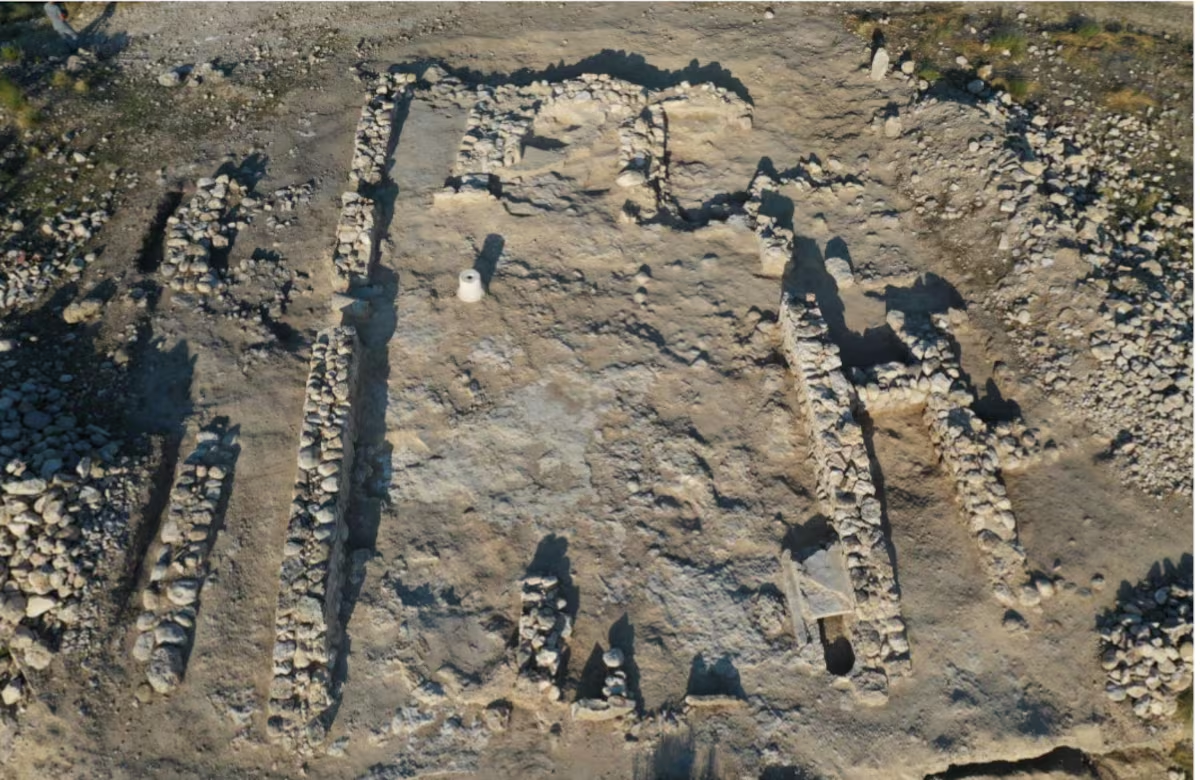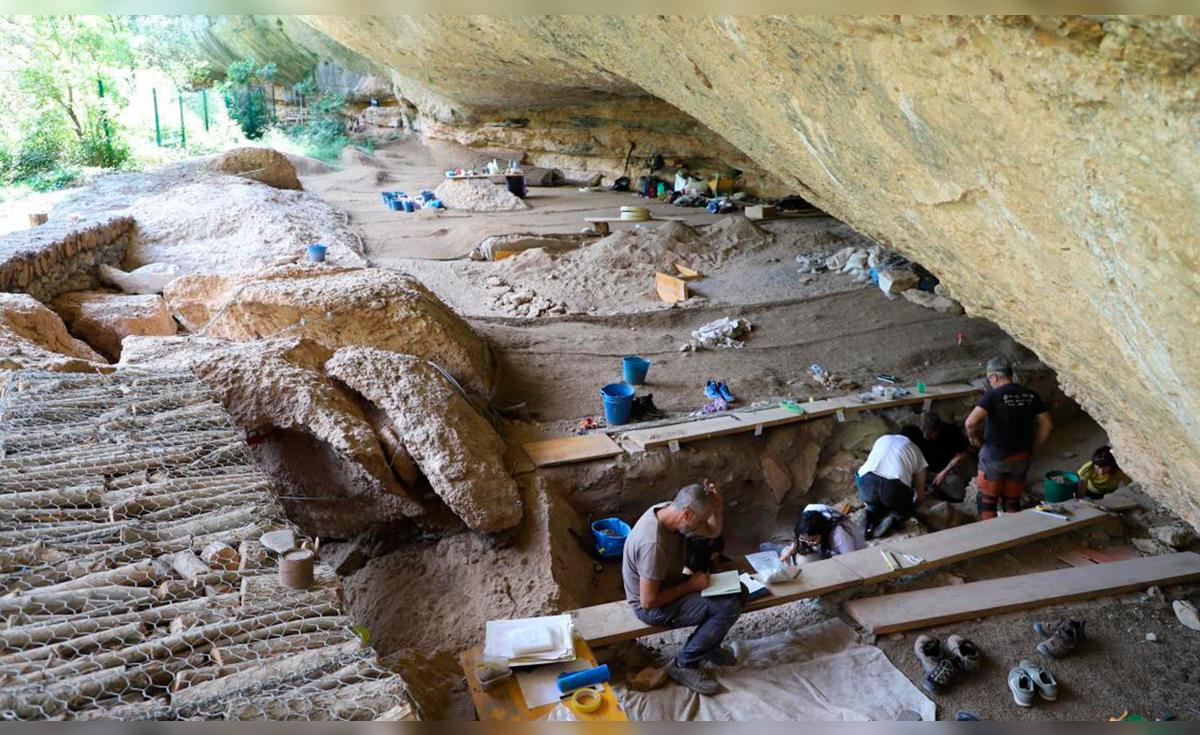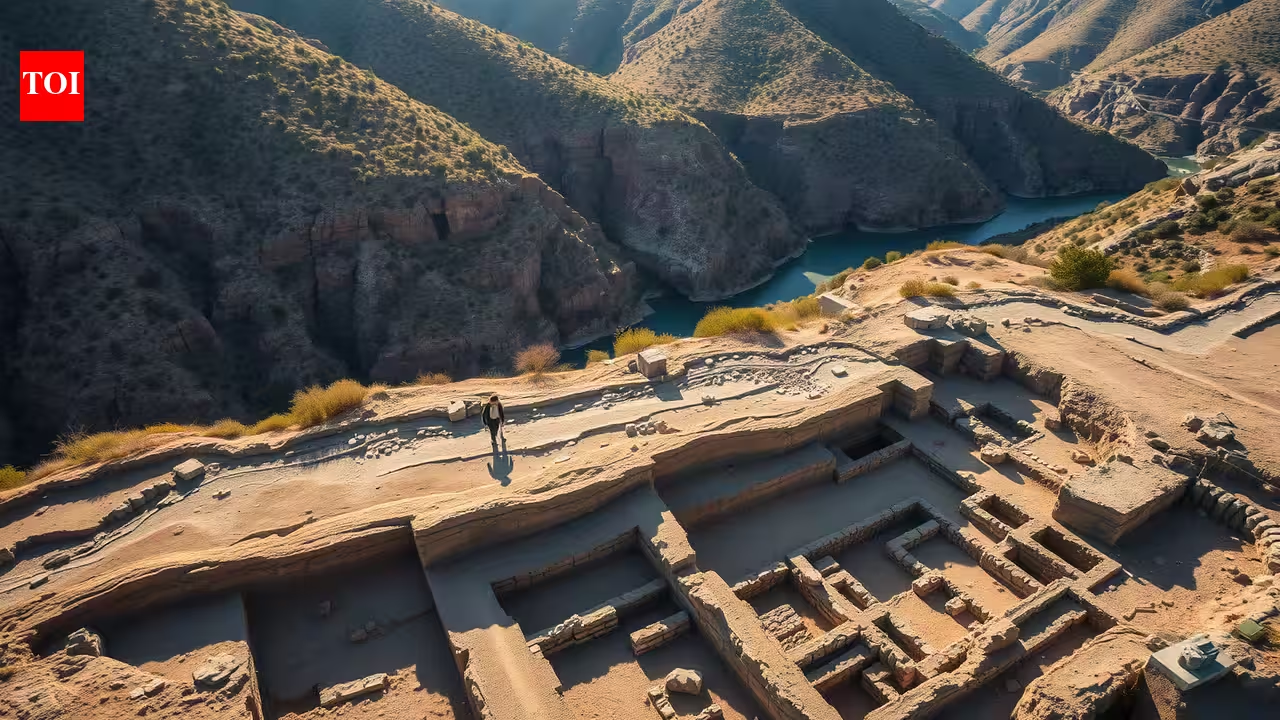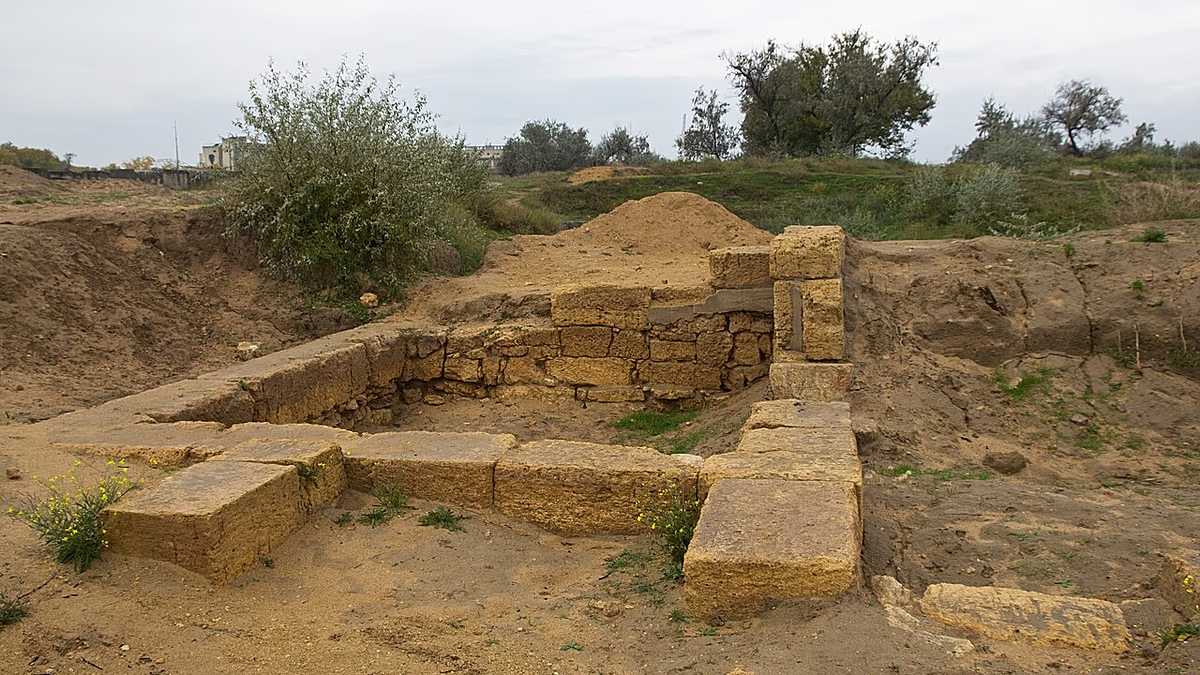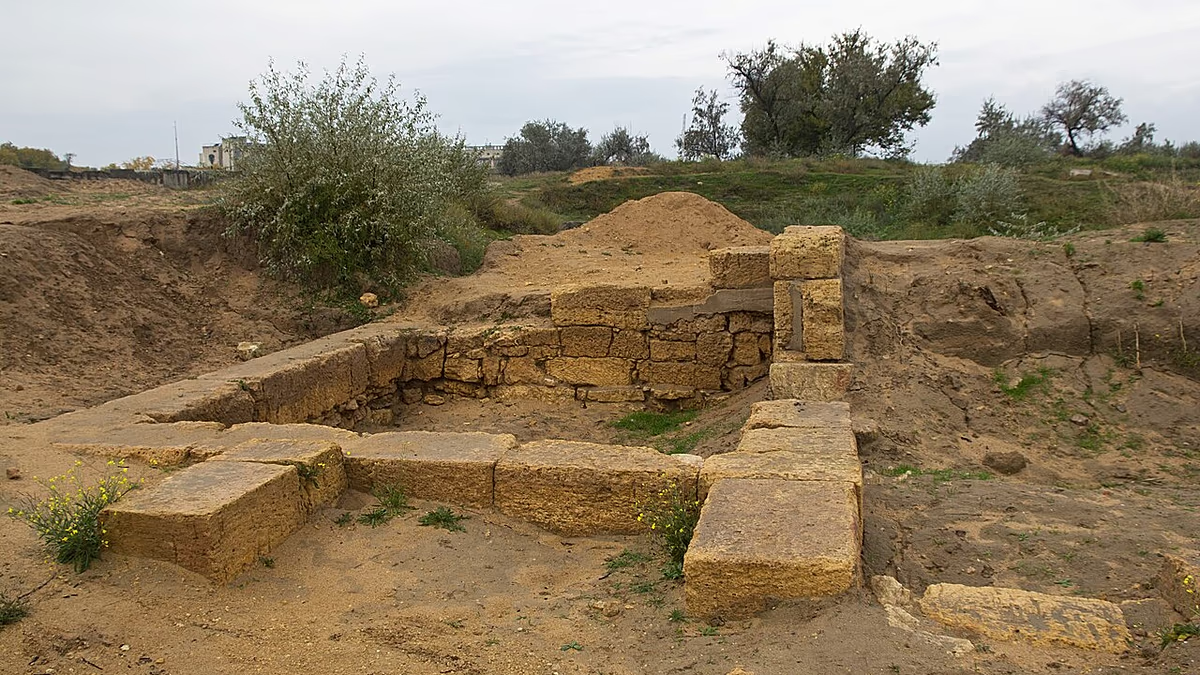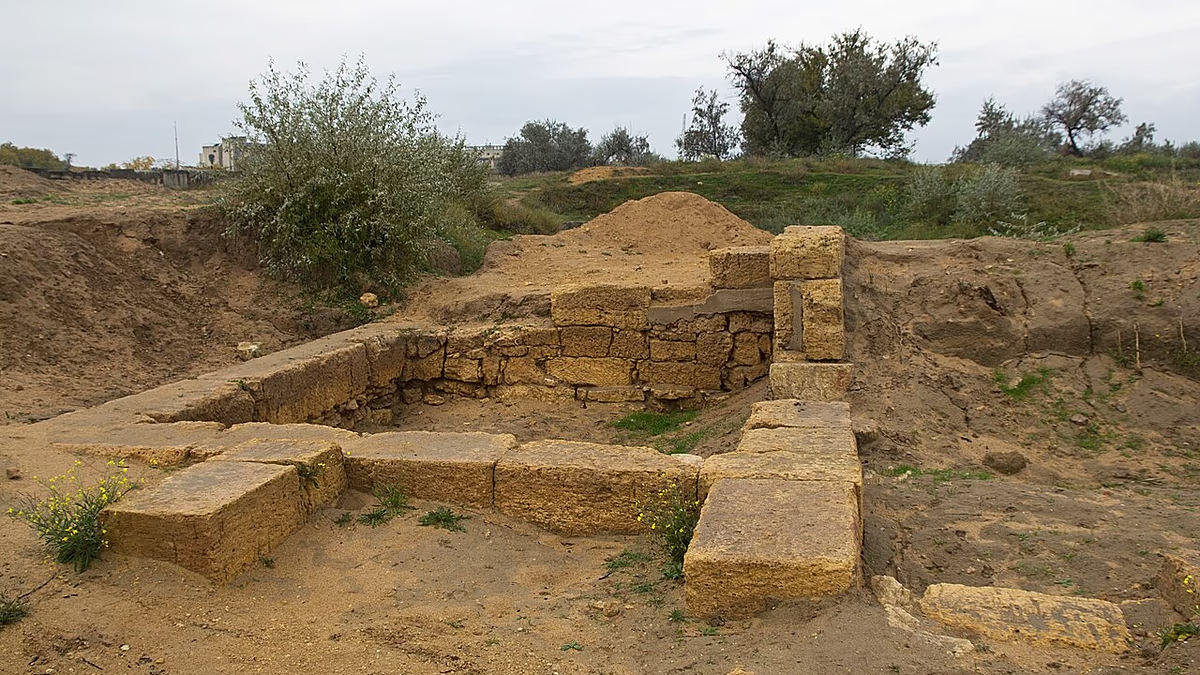
A hill in the northwest of Murcia is forcing historians to rethink some of the most entrenched ideas about the early centuries of al-Andalus. Excavations at the Cerro de la Virgen de Calasparra have brought to light an early Christian church that not only survived the Muslim conquest of the year 713, but remained in use for almost two centuries more.
The study (source in Spanish), published in the scientific journal 'Salduie' by researchers David Martínez and Rubén Fernández, documents the existence of a temple founded around the first half of the 5th century that appears to have retained its religious character at least until the 9th century. If this chronology is fully confirmed, it would be one of the strongest pieces of evidence for the continuity of Christian worship on the Iberian Peninsula during the early years of Moorish rule.
The church was identified thanks to a series of survey and excavation campaigns carried out in the area since 2021. Archaeologists describe it as a single-nave building with a tripartite chancel, a layout they see as characteristic of certain "late antique" churches.
"This represents an architectural model with notable parallels in Visigothic churches such as Santa Cristina de Lena," the authors of the study point out, in reference to this church in Asturias. They also note that the sacristies and apses show parallels with some "parochial and episcopal" churches in Syria, a connection that reflects the use of similar architectural models around the Mediterranean in Late Antiquity.